What Bloodwork Changes Signal Cancer in Horses?
What Bloodwork Changes Signal Cancer in Horses?
Wondering what a full interpretation looks like? See a sample report →
Why Should Horse Owners Care About Bloodwork Changes?

Blood tests are a cornerstone of early cancer detection in horses, providing critical insights into the health status of these animals. Regular blood work can reveal subtle changes that may indicate underlying issues before they become clinically apparent. For instance, alterations in liver enzymes such as ALT and AST, which are typically within a normal range of 222-489 U/L and 222-489 U/L respectively, can signal hepatocellular damage that might be associated with cancerous growths.
Reference intervals for the parameters discussed above, as published in the source panel for the horse:
| Parameter | Reference interval (horse) |
|---|---|
| AST | 222-489 U/L |
| BUN | 10-22 mg/dL |
| Creatinine | 0.8-1.5 mg/dL |
Elevations in these enzymes above the action threshold of outside the reference interval for ALT and outside the reference interval for AST warrant further investigation. Elevated levels may suggest liver inflammation or necrosis, conditions that could be indicative of neoplastic processes affecting hepatic tissue. Additionally, changes in blood urea nitrogen (BUN) can also provide clues about kidney function; a BUN level above the reference interval is considered elevated and might indicate reduced glomerular filtration rate (GFR), which is the kidney’s ability to filter waste products from the bloodstream.
- Monitoring liver enzymes like ALT and AST helps in early detection of hepatocellular damage, potentially linked to cancerous growths.
- Elevated BUN levels can indicate reduced GFR, signaling possible kidney dysfunction that requires further evaluation.
Proactive monitoring through blood tests allows veterinarians to intervene at an earlier stage when treatment options are more effective. Early detection of cancer in horses is crucial for improving prognosis and quality of life, as it enables timely intervention before the disease progresses to a critical state where management becomes significantly more challenging.
What Is a Complete Blood Count (CBC)?
The complete blood count (CBC) is a fundamental diagnostic tool in veterinary medicine, providing critical information about a horse’s overall health and potential underlying conditions. This comprehensive test evaluates various components of the blood, including white blood cells (WBCs), red blood cells (RBCs), and platelets. Each component offers unique insights into different aspects of the horse’s physiological status.
White blood cell count is particularly important as it reflects the body’s immune response to infections or inflammation. An elevated WBC count may indicate an acute infection, while a low count could suggest immunosuppression or bone marrow issues. Red blood cells are crucial for oxygen transport and their parameters such as hemoglobin (Hb) and hematocrit (Hct) help assess the horse’s ability to deliver adequate oxygen to tissues.
- White Blood Cells (WBCs): Normal range varies but typically includes neutrophils, lymphocytes, monocytes, eosinophils, and basophils. Elevated WBC counts can signal infection or inflammation, while decreased counts might indicate viral infections or bone marrow suppression.
- Hemoglobin (Hb) and Hematocrit (Hct): These parameters measure the oxygen-carrying capacity of RBCs. Normal ranges for Hb are 11.8-15.9 g/dL, while Hct typically falls between 34-46%. Low values can indicate anemia or blood loss.
- Platelets: Platelet count is essential for assessing the horse’s ability to form clots and prevent bleeding. Normal platelet counts are laboratory-specific. Abnormalities can suggest clotting disorders or bone marrow issues.
A CBC is often the first step in diagnosing systemic illnesses and monitoring treatment efficacy. For instance, changes in WBC counts can indicate an acute inflammatory response to cancerous growths, prompting further diagnostic imaging such as radiographs or ultrasound for confirmation. Additionally, alterations in RBC parameters might suggest chronic conditions like equine metabolic syndrome affecting red blood cell production.
Normal Reference Ranges for CBC Parameters

The complete blood count (CBC) is a fundamental diagnostic tool in veterinary medicine, providing critical information about a horse’s health status. Understanding the normal reference ranges for key parameters is essential for identifying deviations that may indicate underlying conditions such as cancer. This section outlines the typical values for important CBC components and other relevant laboratory tests.
Variations from these standard ranges can signal potential issues, including malignancies. For instance, an elevated white blood cell count (WBC) might suggest inflammation or infection, which could be secondary to cancerous growths. Similarly, changes in red blood cells (RBC), hemoglobin (Hb), and hematocrit (Hct) levels may indicate anemia or polycythemia, both of which can occur due to various systemic diseases including neoplasia.
- White Blood Cells (WBC): normal range is the interval reported by the laboratory; >the interval reported by the laboratory suggests inflammation or infection; >the interval reported by the laboratory indicates severe stress response.
- Hemoglobin (Hb): normal range is 11.8-15.9 g/dL; outside the reference interval suggests anemia, while outside the reference interval may indicate polycythemia or dehydration.
- Lymphocytes: normal range is 1.2-4.9 x10^3/uL–1.2-4.9 x10^3/uL; outside the reference interval indicates severe stress response or viral infection; outside the reference interval can suggest chronic inflammation or lymphoproliferative disorders.
| Parameter | Normal Range (unit) |
|---|---|
| White Blood Cells (WBC) | 5.2-10.1 x10^3/uL |
| Hemoglobin (Hb) | 11.8-15.9 g/dL |
| Platelets (PLT) | 94-232 x10^3/uL |
| Neutrophils (NEU) | 2.7-6.6 x10^3/uL |
| Erythrocytes (RBC) | 6.6-9.7 x10^6/uL |
| Hematocrit (Hct) | 34-46% |
| Lymphocytes | 20%–45% |
See the full reference intervals for the horse — every value cited to the laboratory document or paper it came from.
It is crucial to interpret these values in the context of a horse’s overall health and clinical signs. For example, an elevated platelet count (PLT) could indicate inflammation or thrombocytosis secondary to chronic disease processes such as cancer.
What Are Biochemical Blood Tests?
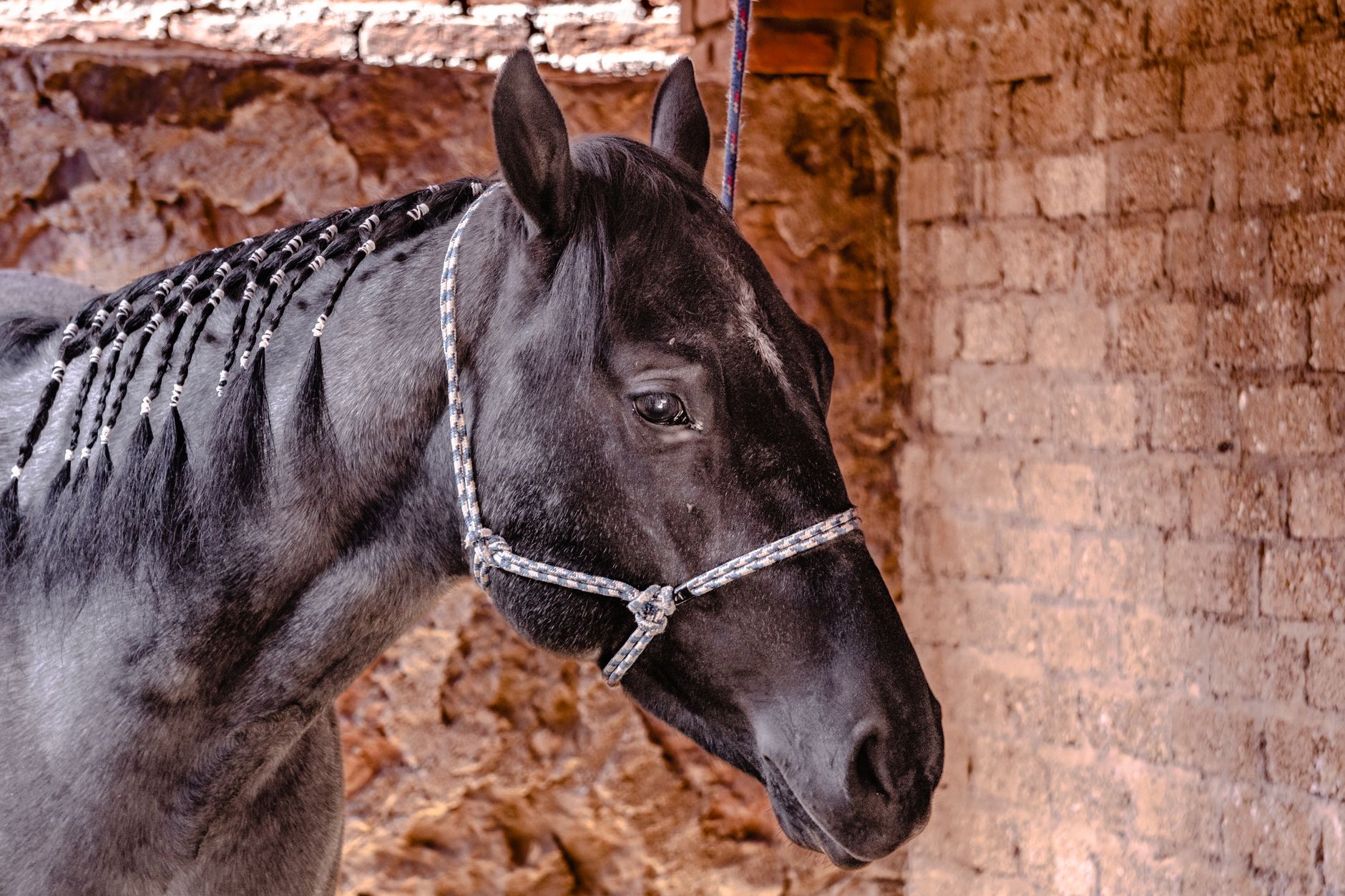
Biochemical blood tests, also known as serum chemistry panels, are essential diagnostic tools in veterinary medicine that provide critical information about a horse’s internal organ function and overall health. These tests measure various substances such as enzymes, proteins, electrolytes, and metabolic products present in the bloodstream. For horses suspected of having cancer or other serious conditions, biochemical blood tests can reveal subtle changes indicative of disease progression.
One key aspect of these tests is the assessment of liver function through markers like alanine aminotransferase (ALT) and aspartate aminotransferase (AST). Elevated levels of ALT above the reference interval or AST above the reference interval may indicate hepatocellular damage, which can be associated with various diseases including cancer. According to published veterinary research, these enzymes are particularly sensitive indicators of liver injury in horses.
- ALT: normal range is laboratory-specific; levels above the reference interval suggest hepatocellular damage and warrant further investigation; critical values outside the reference interval indicate severe liver dysfunction requiring immediate veterinary intervention.
- AST: normal range is 222-489 U/L; elevated AST (outside the reference interval) can signal muscle or liver injury, necessitating a thorough clinical evaluation to determine the underlying cause; critical levels outside the reference interval suggest severe tissue damage and require urgent care.
In addition to liver enzymes, kidney function is assessed through blood urea nitrogen (BUN). Elevated BUN levels above the reference interval can indicate dehydration or excessive protein intake, but persistently high values (outside the reference interval) may suggest renal impairment. It’s important to note that no horse breed has a documented predisposition for direct kidney disease; however, intense exercise leading to rhabdomyolysis and myoglobinuria can secondarily injure kidney tubules.