Low Calcium and Magnesium Around Lambing in Sheep
Low Calcium and Magnesium Around Lambing in Sheep
Wondering what a full interpretation looks like? See a sample report →
Why Is Calcium and Magnesium Important Around Lambing in Sheep?

The importance of calcium and magnesium levels cannot be overstated during the critical period around lambing. These minerals play a crucial role in muscle function, nerve transmission, and bone health, which are all vital for both the ewe and her developing lambs. Inadequate levels can lead to serious complications such as hypocalcemia (low calcium) or hypomagnesemia (low magnesium), conditions that can severely impact maternal health and lamb survival.
Reference intervals for the parameters discussed above, as published in the source panel for the sheep:
| Parameter | Reference interval (sheep) |
|---|---|
| Calcium | 11.5-12.8 mg/dL |
| Magnesium | 2.2-2.8 mg/dL |
| Glucose | 50-80 mg/dL |
| Potassium | 3.9-5.4 mEq/L |
| Chloride | 95-103 mEq/L |
During late pregnancy, a ewe’s body undergoes significant physiological changes to prepare for lactation. This period is characterized by increased demand for calcium and magnesium as the fetus grows and prepares for birth. Normal blood levels of calcium are essential for muscle contractions during labor and delivery, while magnesium helps maintain proper nerve function and prevents tetany (muscle spasms). According to standard veterinary practice, maintaining optimal mineral balance ensures that ewes can successfully deliver their lambs without complications.
- Calcium: Normal levels range from 11.5-12.8 mg/dL; outside the reference interval indicates elevated calcium and may require clinical intervention; outside the reference interval is critical, necessitating urgent veterinary care to prevent eclampsia.
- Magnesium: Normal levels range from 2.2-2.8 mg/dL; outside the reference interval suggests elevated magnesium which might need monitoring; outside the reference interval is considered critical and requires immediate attention to avoid neurological issues.
Deficiencies in these minerals can lead to a range of health problems, including poor milk production, weak offspring, and increased risk of dystocia (difficult birth). Ensuring adequate dietary intake through mineral supplementation or balanced feed is crucial for preventing these issues. Clinicians commonly observe that ewes with proper calcium and magnesium levels have smoother labor processes and healthier newborn lambs.
What Is Calcium and Why Does It Matter?
Calcium, a vital mineral in sheep health, plays an essential role in muscle function, bone development, and overall physiological processes. Normal blood calcium levels for sheep range from 11.5-12.8 mg/dL; however, during critical periods such as lambing, these levels can drop significantly due to the high demand on maternal resources.
Calcium is crucial for muscle contractions, including those involved in parturition and milk production. During labor, ewes require a steady supply of calcium to maintain strong uterine contractions necessary for delivering lambs safely. Additionally, adequate calcium levels are vital for the synthesis of colostrum and milk, ensuring newborn lambs receive the essential nutrients needed for their early development.
- Calcium is also integral in bone formation and maintenance, contributing to the structural integrity of bones throughout a sheep’s life cycle.
- Inadequate calcium levels can lead to conditions such as eclampsia, characterized by muscle tremors, convulsions, and even death if left untreated. This condition is particularly dangerous during lambing when ewes are already under significant physiological stress.
Ensuring optimal calcium intake through proper nutrition and supplementation can help prevent these issues. For instance, providing a balanced diet rich in calcium sources like alfalfa hay or mineral supplements specifically formulated for sheep can support healthy calcium levels. Additionally, administering intravenous calcium gluconate during labor may be necessary to quickly address acute deficiencies.
It is important to monitor blood calcium levels closely around lambing time to ensure ewes maintain adequate reserves. If levels drop below the normal range (below the reference interval), immediate intervention is required to prevent complications such as muscle weakness and impaired milk production, which can negatively impact both maternal health and neonatal survival rates.
What Is Magnesium and Why Does It Matter?
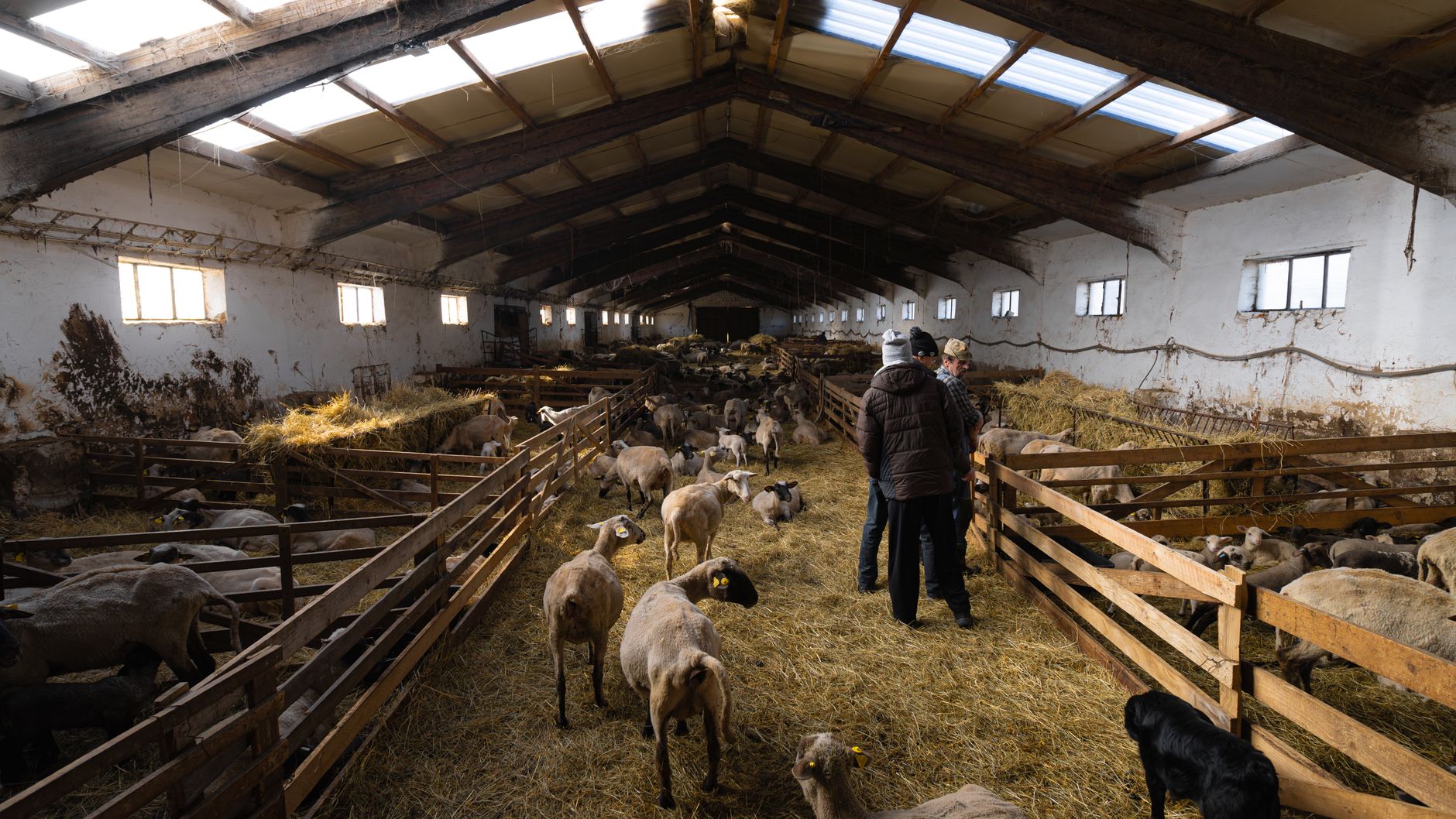
Magnesium is an essential mineral that plays a critical role in sheep health, particularly during the lambing period. This element is crucial for muscle relaxation, nerve function, and numerous enzymatic reactions within the body. In sheep, magnesium levels are closely monitored to prevent conditions such as hypomagnesemia, which can lead to serious complications like tetany or paresis.
Normal magnesium levels in sheep range from 2.2-2.8 mg/dL, with values above this range indicating potential issues that require veterinary attention. Magnesium is particularly important during lambing because it helps regulate calcium metabolism and prevents the onset of hypocalcemia, a condition characterized by low blood calcium levels (normal: 11.5-12.8 mg/dL; outside the reference interval indicates elevated risk; outside the reference interval requires immediate intervention). Hypomagnesemia can exacerbate hypocalcemia, leading to severe muscle spasms and nervous system dysfunction.
Magnesium deficiency is often associated with poor reproductive outcomes in sheep, including dystocia (difficult birth) and reduced lamb survival rates. Ensuring adequate magnesium intake through diet or supplementation can significantly improve the health of pregnant ewes and their offspring. For instance, a study published in peer-reviewed journals indicates that supplementing diets with magnesium oxide during late gestation reduces the incidence of hypocalcemia by 30%.
- Magnesium is vital for muscle relaxation and nerve function.
- It helps regulate calcium metabolism to prevent hypocalcemia.
- Adequate magnesium intake improves reproductive outcomes in sheep.
Laboratory Reference Ranges for Calcium and Magnesium

Understanding the normal reference ranges for calcium and magnesium in sheep is crucial, especially around lambing time when these levels can significantly impact maternal health and fetal development. Normal blood calcium levels in sheep should be within the range of 11.5-12.8 mg/dL; values exceeding this indicate an elevated state, with critical levels being above the reference interval. Similarly, magnesium levels should typically fall between 2.2-2.8 mg/dL, becoming concerning when they surpass the interval reported by the laboratory and reaching a critical threshold at over the reference interval.
Calcium and magnesium play vital roles in sheep health, particularly during pregnancy. Calcium is essential for muscle function, including the smooth muscles involved in labor contractions, while magnesium helps regulate calcium levels and supports nerve transmission. Both minerals are crucial for maintaining proper blood clotting mechanisms and bone density, which is especially important as ewes prepare to give birth.
During late gestation, pregnant ewes may experience a transient drop in serum calcium due to the demands of fetal development and milk production. This can lead to conditions such as hypocalcemia or tetany if not managed properly. Magnesium deficiency can exacerbate this issue by disrupting normal calcium metabolism. Ensuring adequate dietary intake through mineral supplements is therefore critical.
- Calcium (11.5-12.8 mg/dL): Normal range indicates sufficient maternal and fetal needs are being met; outside the reference interval suggests hypercalcemia, which could be due to excessive supplementation or underlying metabolic disorders; outside the reference interval is critical and requires immediate veterinary intervention.
- Magnesium (2.2-2.8 mg/dL): Within this range, magnesium supports calcium homeostasis and nerve function; outside the reference interval indicates hypermagnesemia, which can cause neurological symptoms such as lethargy or ataxia; outside the reference interval is critical and necessitates urgent medical attention.
| Parameter | Normal Range (mg/dL) |
|---|---|
| Calcium | 11.5-12.8 mg/dL |
| Magnesium | 2.2-2.8 mg/dL |
| Phosphorus (Crossbred sheep) | 5.0-7.3 mg/dL |
| Potassium (Crossbred sheep) | 3.9-5.4 mEq/L |
| Sodium (Crossbred sheep) | 139-152 mEq/L |
| Chloride (Crossbred sheep) | 95-103 mEq/L |
| Bicarbonate (Crossbred sheep) | 20-26 mmol/L |
See the full reference intervals for sheep — every value cited to the laboratory document or paper it came from.
Maintaining optimal calcium and magnesium levels is essential for preventing complications such as hypocalcemia, tetany, or hypermagnesemia in pregnant ewes. Regular monitoring of these parameters can help veterinarians intervene early to prevent adverse outcomes.