Horse Blood Test Abnormalities — Practical Guide
Horse Blood Test Abnormalities — Practical Guide
Wondering what a full interpretation looks like? See a sample report →
Why Should Horse Owners Care About Blood Test Abnormalities?
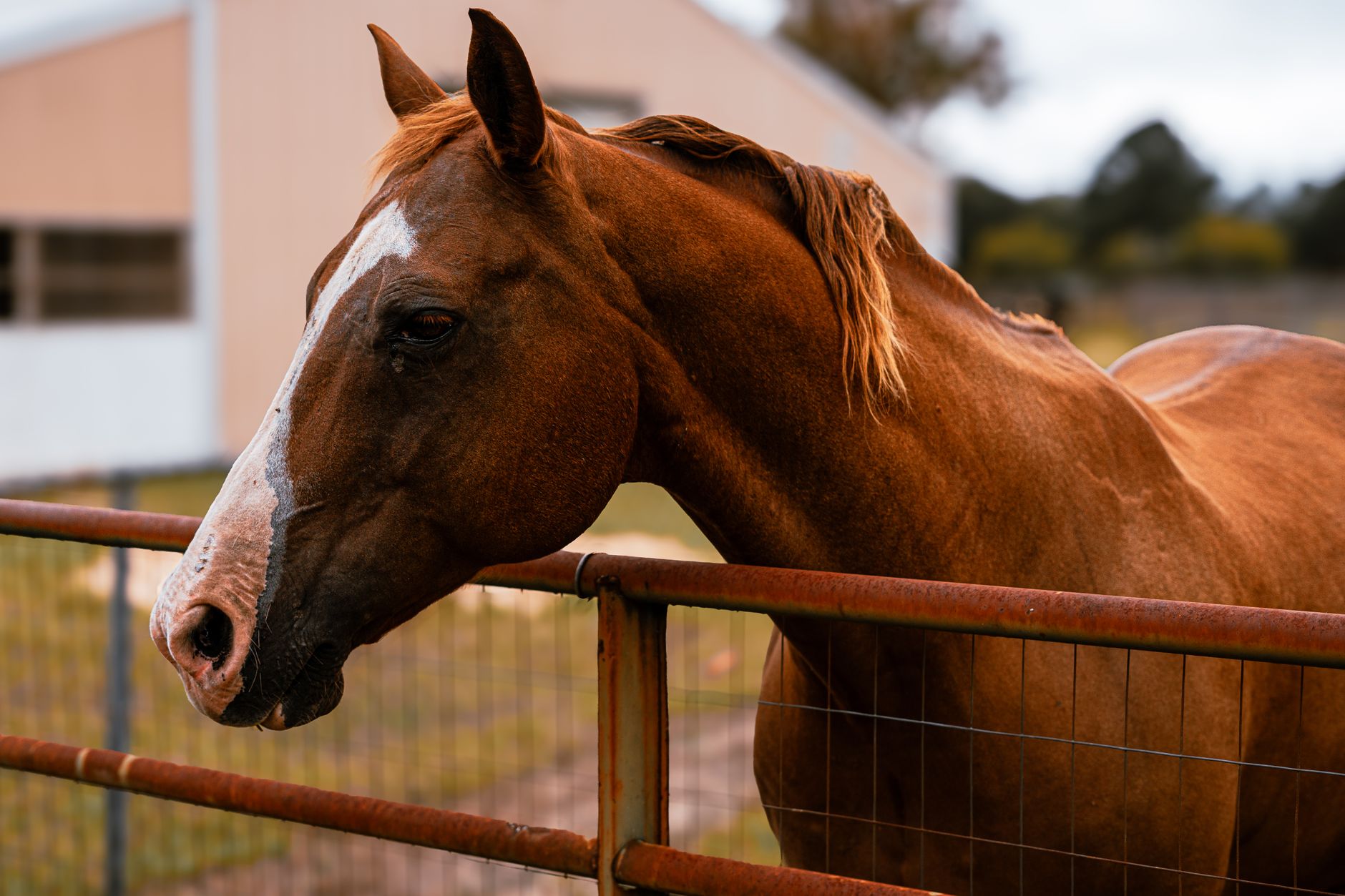
Horse owners should be vigilant about blood test abnormalities because these tests provide critical insights into their horse’s health. Early detection of issues through routine blood work can prevent serious conditions from worsening, potentially saving both time and money in the long run. For instance, elevated liver enzymes such as ALT, which is normal at the interval reported by the laboratory but becomes a concern above the reference interval, may indicate liver damage or disease that could be managed with timely intervention.
Understanding blood test results also helps in monitoring the effectiveness of treatments and adjusting management strategies accordingly. For example, if a horse is being treated for muscle disorders like exertional rhabdomyolysis, regular testing can help track improvements in AST levels (normal range 222-489 U/L; elevated outside the reference interval). This proactive approach ensures that the treatment plan remains effective and relevant to the horse’s current health status.
- GGT levels can be indicative of liver disease, muscle injury, or toxin exposure in horses. Monitoring these levels is crucial for early detection and management.
- Rising creatinine values (normal range 0.8-1.5 mg/dL; elevated outside the reference interval) may suggest acute kidney injury or dehydration, conditions that require immediate attention.
Regular blood tests can also help identify subclinical issues before they become overt diseases. For instance, subtle changes in BUN (normal range 10-22 mg/dL; elevated outside the reference interval) might indicate early kidney dysfunction or dehydration, allowing for prompt intervention to prevent further complications.
In summary, blood tests are an essential tool for horse owners and veterinarians alike. They offer a window into the internal health of horses, enabling timely diagnosis and treatment of conditions that could otherwise go unnoticed until they become severe.
What Is a Complete Blood Count (CBC)?

The complete blood count (CBC) is a fundamental diagnostic tool in veterinary medicine, providing critical information about a horse’s overall health. It evaluates various components of the blood to detect abnormalities that may indicate disease or injury. The CBC includes measurements such as red blood cell counts, white blood cell counts, and platelet levels, each offering insights into different aspects of the horse’s physiology.
Red blood cells (RBCs), also known as erythrocytes, are crucial for transporting oxygen throughout the body. A low RBC count can indicate anemia, which may be due to chronic disease, nutritional deficiencies, or blood loss. Conversely, a high RBC count might suggest dehydration or primary polycythemia (absolute erythrocytosis), an uncommon condition in which the bone marrow produces too many red blood cells; in horses a raised RBC count far more often reflects dehydration or splenic contraction after exercise or excitement.
White blood cells (WBCs) are part of the immune system and help fight infections and inflammation. An elevated WBC count can indicate an acute infection or inflammatory response, while a low count might suggest immunosuppression due to illness or medication use. Differential counts, which break down the various types of white blood cells, provide additional clues about specific conditions.
- Neutrophils: Elevated neutrophil levels often indicate bacterial infections or severe stress.
- Lymphocytes: Increased lymphocyte numbers can suggest viral infections or chronic inflammation.
- Eosinophils: High eosinophil counts are typically associated with parasitic infestations, allergies, or certain skin conditions.
Beyond these basic components, the CBC also assesses platelet levels and hematocrit (the percentage of blood volume occupied by red blood cells). Platelets play a vital role in clotting, so low platelet counts can increase the risk of bleeding disorders. Hematocrit values help evaluate hydration status and overall blood health.
Interpreting CBC results requires careful consideration of clinical context. For instance, an elevated white blood cell count alone does not provide a definitive diagnosis but should prompt further investigation into potential causes such as infection or inflammation.
Liver Enzyme Reference Ranges for Horses
Understanding liver enzyme levels is crucial in veterinary practice, as they can indicate potential liver damage or disease. Key enzymes such as alanine aminotransferase (ALT), aspartate aminotransferase (AST), and gamma-glutamyl transferase (GGT) are commonly assessed to evaluate hepatic function.
Normal reference ranges for these liver enzymes in horses are critical for accurate diagnosis. Elevated levels of ALT, AST, or GGT can suggest various conditions ranging from mild inflammation to severe hepatopathy. Below are the specific reference ranges:
- ALT: Normal range is laboratory-specific; outside the reference interval indicates potential liver damage and warrants further investigation; outside the reference interval is critical, suggesting significant hepatic injury requiring immediate veterinary attention.
- AST: The normal range for AST in horses is 222-489 U/L; levels above the reference interval suggest possible muscle or liver issues and should prompt a thorough clinical evaluation; outside the reference interval indicates severe hepatocellular damage necessitating urgent care.
- GGT: Normal GGT values range from 8-33 U/L in horses. Elevations above the reference interval may indicate liver disease, muscle injury, or exposure to toxins and should be investigated further; outside the reference interval is critical and requires immediate intervention.
It’s important to note that while these ranges provide a baseline for normal liver function in horses, variations can occur based on individual health status, diet, exercise regimen, and other factors. For instance, high GGT levels may be indicative of cholangiohepatitis or bile duct disease (learn more).
| Parameter | Normal Range (U/L) |
|---|---|
| ALT | Laboratory-specific |
| AST | 222-489 U/L |
| GGT | 8-33 U/L |
| BUN | 10-22 mg/dL |
| Creatinine | 0.8-1.5 mg/dL |
| Sodium | 134-142 mEq/L |
| Potassium | 2.4-4.8 mEq/L |
See the full reference intervals for the horse — every value cited to the laboratory document or paper it came from.
Causes of Abnormal Kidney Markers in Horses

Elevated blood urea nitrogen (BUN) and creatinine levels are common indicators of kidney dysfunction or dehydration in horses. Understanding the underlying causes is crucial for accurate diagnosis and treatment. Elevated BUN, above the reference interval, can be due to various factors such as dehydration, excessive protein intake, gastrointestinal bleeding, or renal impairment. Creatinine levels above the reference interval suggest a more severe issue with kidney function.
Dehydration is one of the most common causes of elevated BUN and creatinine in horses. When fluid balance is disrupted, blood concentration increases, leading to higher concentrations of waste products like urea nitrogen and creatinine. This condition can be exacerbated by hot weather or strenuous exercise without adequate hydration. In such cases, rehydration with electrolyte solutions is typically the first step in management.
Renal impairment, on the other hand, indicates a more serious underlying issue affecting kidney function directly. Causes include acute kidney injury (AKI), chronic kidney disease (CKD), or urinary tract obstruction. Acute kidney injury can result from conditions such as myoglobinuria, which occurs when muscle damage releases myoglobin into the bloodstream, potentially causing secondary renal tubular damage.
- Rising creatinine levels can indicate either dehydration or acute kidney injury.
- Chronic conditions like CKD are progressive and often associated with age-related changes in the kidneys.
The differential diagnosis for elevated BUN and creatinine includes assessing other clinical signs such as increased thirst, lethargy, poor appetite, and weight loss. A thorough history of the horse’s recent activities, dietary habits, and any medications can also provide valuable clues. For instance, high protein intake from feed or supplements can temporarily elevate BUN levels.
Accurate interpretation of these markers is essential for guiding appropriate treatment plans and improving patient outcomes.
Comparing Electrolytes: Sodium vs Potassium Levels in Horses
Sodium (Na+) and potassium (K+) are critical electrolytes that play essential roles in maintaining cellular function, nerve conduction, muscle contraction, and fluid balance in horses. Understanding the normal ranges for these ions is crucial for interpreting blood test results accurately.
The normal range for sodium in horses is 134-142 mEq/L, while potassium levels should be between 2.4-4.8 mEq/L. Both electrolytes are tightly regulated by the body to maintain homeostasis; however, their roles and interrelations differ significantly.
- Sodium primarily regulates extracellular fluid volume and osmotic pressure. It is crucial for nerve impulse transmission and muscle function. Sodium levels can be affected by dehydration, excessive sweating, or renal dysfunction.
- Potassium, on the other hand, is predominantly intracellular and plays a vital role in cellular metabolism, acid-base balance, and electrical activity of muscles and nerves. Abnormal potassium levels may indicate conditions such as hypokalemia (low potassium) due to diuretic use or hyperkalemia (high potassium) from renal failure.
When interpreting blood test results for sodium and potassium in horses, it is important to consider the clinical context of the patient. For instance, a horse with exertional rhabdomyolysis may exhibit elevated creatine kinase (CK) levels alongside changes in electrolyte balance due to muscle damage.
Reference intervals for the parameters discussed above, as published in the source panel for the horse:
| Parameter | Reference interval (horse) |
|---|---|
| SODIUM | 134-142 mEq/L |
| Potassium | 2.4-4.8 mEq/L |
| AST | 222-489 U/L |
| GGT | 8-33 U/L |
| BUN | 10-22 mg/dL |
| Creatinine | 0.8-1.5 mg/dL |
Understanding the clinical significance of sodium and potassium levels in horses is essential for accurate diagnosis and effective treatment planning. Abnormalities in these electrolytes can indicate underlying health issues that require prompt attention to prevent further complications.
How to Interpret Blood Test Results with Case Examples?
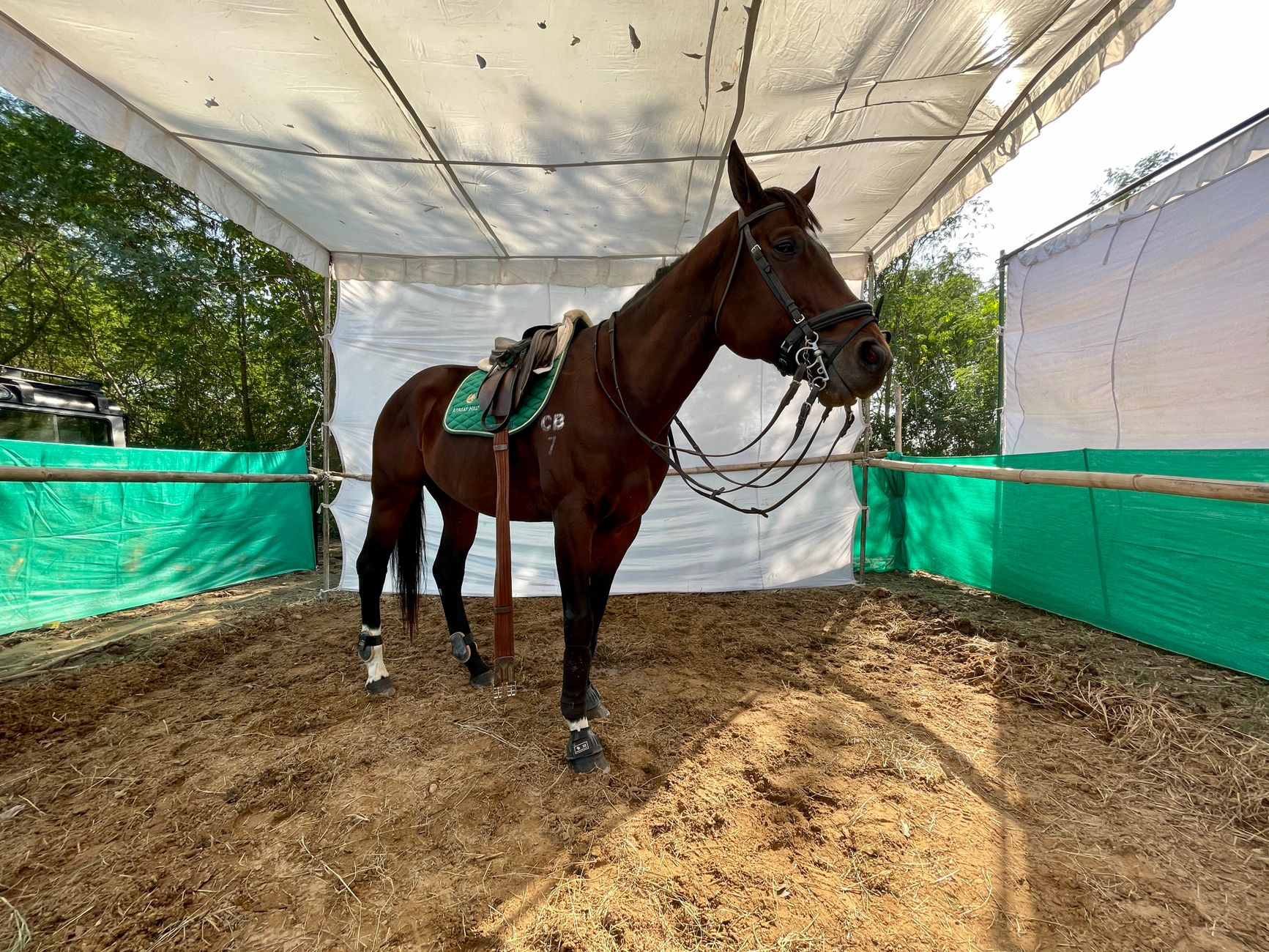
Interpreting blood test results in horses requires a systematic approach, combining numeric analysis with clinical context.
- Step 1: Review the patient’s history and current symptoms alongside the blood test results. For instance, if a horse presents with lethargy and poor appetite, elevated liver enzymes such as AST (222-489 U/L), ALT (222-489 U/L), and GGT (8-33 U/L) should be carefully evaluated.
- Step 2: Compare the test results against established reference ranges. For example, an elevated BUN level (outside the reference interval) may indicate dehydration or renal impairment, while a creatinine level above the reference interval suggests compromised kidney function.
- Step 3: Consider potential causes and differential diagnoses based on the abnormalities observed. Elevated GGT levels (normal: 8-33 U/L; elevated: outside the reference interval) can be indicative of liver disease, muscle injury, or toxin exposure in horses (High GGT in Horses — Liver Disease, Muscle Injury, or Toxins?).
Breed and Age Differences in Blood Parameters — When to See the Vet?

Understanding how breed and age influence blood parameters is crucial for interpreting test results accurately. For instance, certain breeds of horses may exhibit variations in liver enzymes due to genetic predispositions or metabolic conditions specific to their lineage. Quarter Horses, Thoroughbreds, and Standardbreds are more prone to exertional rhabdomyolysis, which can elevate serum AST (aspartate aminotransferase) levels significantly after intense exercise.
Age also plays a significant role in blood parameter interpretation. Young horses often have higher baseline GGT (gamma-glutamyl transferase) levels due to liver maturation processes, while older horses may show elevated BUN (blood urea nitrogen) and creatinine as renal function declines with age. An ALT level greater than the reference interval in a mature horse could indicate hepatocellular damage or inflammation, warranting further investigation.
- Monitor AST levels closely in Thoroughbreds after strenuous exercise to detect early signs of muscle injury.
- Evaluate BUN and creatinine values in horses over 15 years old for potential renal impairment.
| Parameter | Normal Range (U/L) |
|---|---|
| ALT | Laboratory-specific |
| AST | 222-489 U/L |
| GGT | 8-33 U/L |
| BUN | 10-22 mg/dL |
| Creatinine | 0.8-1.5 mg/dL |
| Sodium | 134-142 mEq/L |
| Potassium | 2.4-4.8 mEq/L |
In summary, recognizing breed-specific and age-related variations in blood parameters is essential for accurate diagnosis and timely intervention. For example, an elevated GGT level may indicate liver disease or muscle injury, especially if the horse has a history of exertional rhabdomyolysis.
Frequently Asked Questions
What does an elevated ALT level indicate in horses?
Elevated alanine aminotransferase (ALT) levels (normal: the interval reported by the laboratory, elevated: outside the reference interval, critical: outside the reference interval) typically suggest liver damage or inflammation. ALT is one of the primary enzymes used to assess hepatocellular injury in horses.
How should I interpret an increase in AST levels?
An elevated aspartate aminotransferase (AST) level (normal: 222-489 U/L, elevated: outside the reference interval, critical: outside the reference interval) can indicate muscle damage or liver disease. While AST is also found in muscles, its elevation often correlates with hepatic issues.
What causes high GGT levels in horses?
Elevated gamma-glutamyl transferase (GGT) levels (normal: 8-33 U/L, elevated: outside the reference interval, critical: outside the reference interval) can be due to liver disease, muscle injury, or toxin exposure. High GGT in horses is often associated with cholangiohepatitis and bile duct diseases, as detailed in our article on elevated GGT levels.
What does an elevated BUN level mean?
An increased blood urea nitrogen (BUN) level (normal: 10-22 mg/dL, elevated: outside the reference interval, critical: outside the reference interval) can indicate dehydration or excessive protein intake. BUN levels are sensitive indicators of renal function and hydration status in horses.
How do I interpret a high creatinine level?
A raised serum creatinine (normal: 0.8-1.5 mg/dL, elevated: outside the reference interval, critical: outside the reference interval) suggests impaired kidney function or dehydration. Rising creatinine levels can be indicative of acute kidney injury; however, it’s crucial to differentiate between these conditions as outlined in our article on rising creatinine.
What are the implications of high sodium levels?
Elevated serum sodium (normal: 134-142 mEq/L, elevated: outside the reference interval, critical: outside the reference interval) can indicate dehydration or excessive salt intake. Widely accepted clinical guidelines recommend monitoring fluid balance and electrolyte levels closely in horses with high sodium readings.
What should I do if my horse’s potassium level is elevated?
An increased serum potassium (normal: 2.4-4.8 mEq/L, elevated: outside the reference interval, critical: outside the reference interval) can be dangerous and may indicate conditions such as renal failure or severe dehydration. In horses with high potassium levels, it is important to seek immediate veterinary care.
Are there breed-specific concerns for blood test abnormalities?
No horse breed has documented predisposition for routine blood-test parameters like ALT, AST, GGT, BUN, creatinine, sodium, or potassium. However, muscle-driven myoglobinuria from rhabdomyolysis (Quarter Horse, Thoroughbred) can secondarily affect kidney tubules but is not a direct renal predisposition.
How often should I recheck blood tests if abnormalities are found?
The frequency of follow-up blood tests depends on the severity and nature of the abnormality. For instance, in cases of elevated BUN or creatinine, rechecking every 2-4 weeks is common until levels stabilize. Consultation with a veterinarian will determine an appropriate monitoring schedule.
Can diet influence blood test results?
Diet can significantly impact blood test results. High protein intake may elevate BUN and creatinine levels, while electrolyte imbalances can affect sodium and potassium readings. Adjusting the diet under veterinary guidance is often necessary to manage these parameters effectively.
Reference intervals — chemistry
Values below come from the horse chemistry reference panel; each figure links to the source it was taken from.
| Parameter | Reference interval (horse) |
|---|---|
| AST | 222-489 U/L |
| GGT | 8-33 U/L |
| BUN | 10-22 mg/dL |
| Creatinine | 0.8-1.5 mg/dL |
| SODIUM | 134-142 mEq/L |
| Potassium | 2.4-4.8 mEq/L |
Sources & Further Reading
This article draws on the following authoritative veterinary references. For your pet’s individual case, consult a licensed veterinarian.
- Merck Veterinary Manual — comprehensive clinical reference for veterinary practice
- IRIS Kidney Guidelines — International Renal Interest Society — kidney staging and management
- ACVIM Consensus Statements — American College of Veterinary Internal Medicine