Elevated fibrinogen in horses — chronic inflammation marker
Elevated fibrinogen in horses — chronic inflammation marker
Wondering what a full interpretation looks like? See a sample report →
Why Should Horse Owners Care About Elevated Fibrinogen?

Elevated fibrinogen levels in horses, defined as values exceeding the reference interval, serve as a crucial marker for chronic inflammation. This condition can indicate underlying health issues that may not be immediately apparent. Fibrinogen is a protein produced by the liver, playing a vital role in blood clotting. However, when its levels rise, it often signals an inflammatory response within the body. Monitoring these levels can help horse owners and veterinarians identify and address potential health concerns before they escalate.
Evidence indicates that elevated fibrinogen is often associated with conditions such as infections, tissue damage, or chronic diseases. For instance, a fibrinogen level above the reference interval is considered critical and warrants immediate veterinary attention. By regularly checking fibrinogen levels, horse owners can gain insights into their horse’s health status, allowing for timely interventions. This proactive approach can prevent the progression of diseases that might otherwise go unnoticed until they become severe.
In addition to fibrinogen, other markers like Serum Amyloid A (SAA) and white blood cell (WBC) counts can provide a more comprehensive picture of a horse’s inflammatory status. Elevated SAA levels, above the reference interval, and WBC counts exceeding 12,5.2-10.1 x10^3/uL, further corroborate the presence of inflammation. By integrating these parameters, veterinarians can develop a more accurate diagnosis and treatment plan.
Veterinary internal medicine specialists recognize the importance of fibrinogen as part of routine health assessments, especially in horses with a history of recurrent infections or chronic conditions. In horses, treatment options such as anti-inflammatory medications like prednisolone may be used to manage inflammation. Regular monitoring and early intervention can significantly improve outcomes, ensuring that horses maintain optimal health and performance.
What Is Fibrinogen and Its Role in Equine Health?
Fibrinogen is a crucial protein in the blood that plays a significant role in the clotting process. It is produced by the liver and circulates in the bloodstream, where it is converted into fibrin by the action of thrombin during the clotting cascade. This conversion is essential for forming a stable blood clot, which helps prevent excessive bleeding when a horse sustains an injury. In horses, normal fibrinogen levels range from 0-200 mg/dL. Levels exceeding the reference interval are considered elevated, while values above the reference interval are deemed critical and may indicate severe underlying conditions.
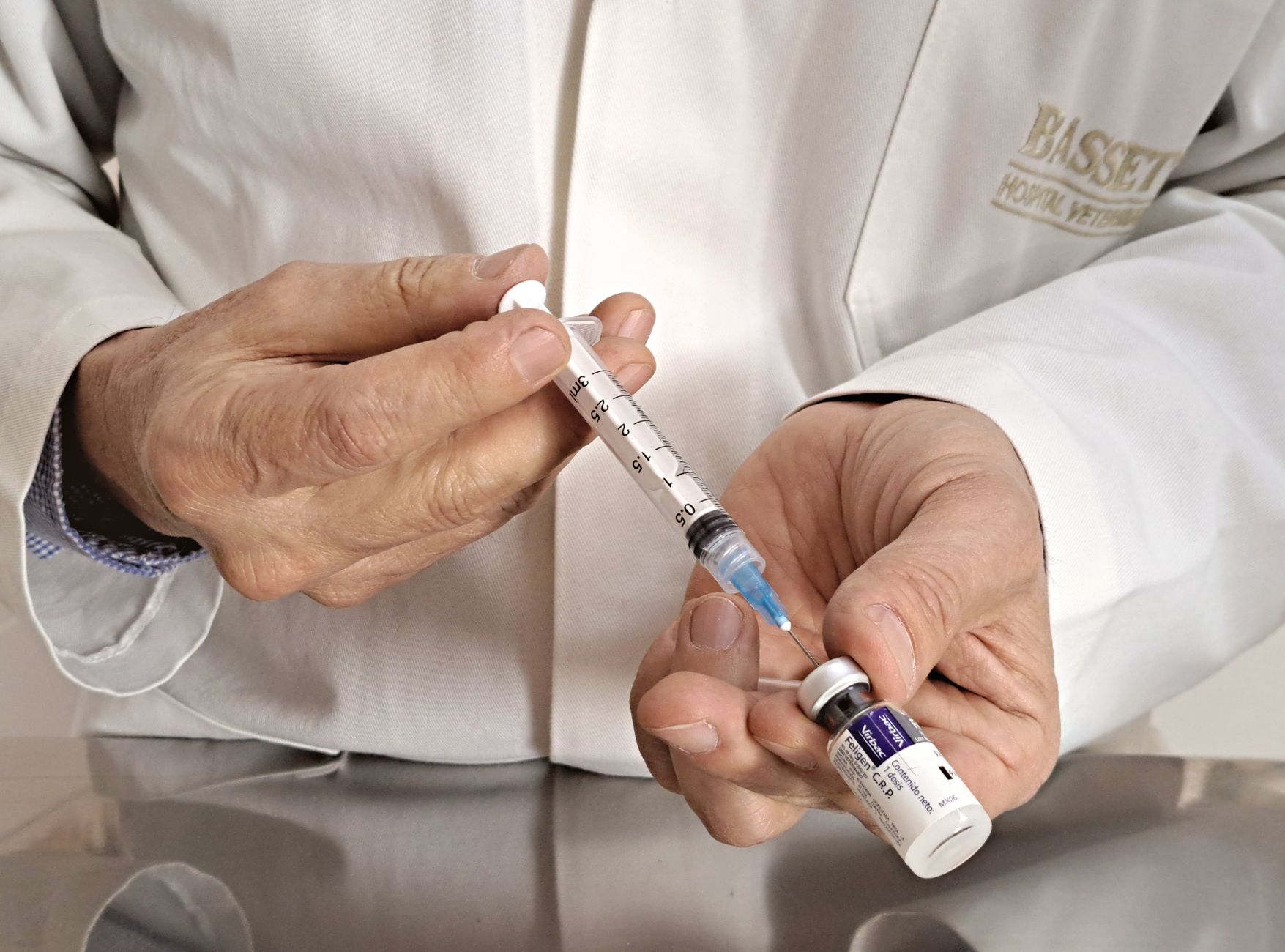
Beyond its role in coagulation, fibrinogen serves as an important marker of inflammation in horses. When a horse experiences inflammation, whether due to infection, injury, or chronic disease, fibrinogen levels can rise significantly. Current clinical consensus suggests that elevated fibrinogen is often associated with chronic inflammatory conditions, making it a valuable diagnostic tool for veterinarians. Monitoring fibrinogen levels can help identify ongoing inflammatory processes and guide treatment decisions.
In the context of equine health, elevated fibrinogen levels can indicate various conditions, including infections, immune-mediated diseases, and even neoplastic processes. Veterinary literature consistently reports that fibrinogen, along with other markers like white blood cell count (WBC) and serum amyloid A (SAA), provides a comprehensive picture of a horse’s inflammatory status. For instance, a WBC count above 12,5.2-10.1 x10^3/uL or SAA levels exceeding the reference interval, alongside elevated fibrinogen, may suggest an acute inflammatory response, warranting further investigation.
Understanding fibrinogen’s dual role in clotting and inflammation is essential for maintaining equine health. By regularly monitoring this parameter, veterinarians can detect early signs of inflammation and intervene promptly, potentially preventing more severe health issues. For more insights into related conditions, consider exploring topics like elevated SAA in horses and its implications.
What Are the Normal Fibrinogen Levels in Horses?

Fibrinogen is a crucial protein involved in blood clotting and is often used as a marker for inflammation in horses. Normal fibrinogen levels in horses range from 0-200 mg/dL. Levels above the reference interval are considered elevated and may indicate an inflammatory process, while levels exceeding the reference interval are deemed critical and warrant immediate veterinary attention.
Current clinical consensus suggests that monitoring fibrinogen levels is essential for diagnosing and managing chronic inflammatory conditions in horses. Elevated fibrinogen can be associated with various conditions, including infections, trauma, and chronic inflammatory diseases. It is important to interpret these levels in conjunction with other clinical findings and laboratory tests, such as white blood cell (WBC) counts and serum amyloid A (SAA) levels, to obtain a comprehensive understanding of the horse’s health status.
| Fibrinogen Level (mg/dL) | Interpretation |
|---|---|
| 200-400 | Normal |
| Above the reference interval | Elevated – Investigate for inflammation |
| Above the reference interval | Critical – Immediate veterinary intervention required |
See the full reference intervals for the horse — every value cited to the laboratory document or paper it came from.
Veterinary literature consistently reports that fibrinogen levels should be evaluated alongside other inflammatory markers. For instance, a WBC count greater than 12,5.2-10.1 x10^3/uL or an SAA level above the reference interval can further corroborate the presence of inflammation. In cases where fibrinogen levels are critically high, additional diagnostic tests may be necessary to identify the underlying cause and guide treatment strategies.
Practitioners commonly observe that elevated fibrinogen levels, when combined with clinical signs such as fever, lethargy, or swelling, can indicate a more severe inflammatory response. In such scenarios, treatment may involve anti-inflammatory medications like prednisolone or other supportive therapies tailored to the specific condition affecting the horse. Regular monitoring and follow-up testing are crucial to assess the effectiveness of the treatment and adjust it as needed.
What Causes Elevated Fibrinogen in Horses?

Elevated fibrinogen levels in horses, defined as values exceeding the reference interval, can be indicative of various underlying conditions. Chronic inflammation is a primary cause, often resulting from persistent infections or immune-mediated diseases. Infections such as bacterial pneumonia or abscesses can lead to fibrinogen levels rising above the normal range of 0-200 mg/dL. In these cases, the body’s inflammatory response triggers increased fibrinogen production as part of the acute phase response.
Current clinical consensus suggests that chronic inflammatory conditions, such as equine arthritis or laminitis, also contribute to elevated fibrinogen levels. These conditions cause prolonged inflammation, leading to sustained fibrinogen production. Additionally, systemic diseases like equine metabolic syndrome can indirectly elevate fibrinogen by promoting inflammatory pathways. In such scenarios, practitioners commonly observe concurrent elevations in other inflammatory markers, such as Serum Amyloid A (SAA), which is considered elevated above the reference interval.
Other potential causes of elevated fibrinogen include neoplastic processes and tissue trauma. Tumors can induce a chronic inflammatory state, while significant injuries may lead to acute increases in fibrinogen as part of the healing process. In cases where fibrinogen levels exceed the reference interval, a critical threshold, immediate investigation is warranted to identify and address the underlying cause. Routine laboratory analysis often reveals accompanying changes in white blood cell (WBC) counts, with levels above 12,5.2-10.1 x10^3/uL indicating an inflammatory or infectious process.
| Condition | Fibrinogen Level (mg/dL) | WBC Count (/µL) | Interpretation |
|---|---|---|---|
| Bacterial Pneumonia | 450 | 15,000 | Infection-induced inflammation |
| Equine Arthritis | 500 | 13,000 | Chronic inflammation |
| Laminitis | 480 | 12,500 | Inflammatory response |
| Neoplasia | 520 | 14,000 | Chronic inflammatory state |
| Tissue Trauma | 430 | 11,000 | Acute phase response |
How Does Fibrinogen Compare to Other Inflammatory Markers?

In horses, elevated fibrinogen levels serve as a significant marker of chronic inflammation. However, it is crucial to compare fibrinogen with other inflammatory markers like white blood cell (WBC) count and C-reactive protein (CRP) to gain a comprehensive understanding of a horse’s inflammatory status. Fibrinogen levels above the reference interval indicate inflammation, with critical levels exceeding the reference interval. In contrast, a WBC count greater than 12,5.2-10.1 x10^3/uL and SAA levels above the reference interval also signal inflammation, with the critical direction in both cases being a value above the reference interval.
Current clinical consensus suggests that while fibrinogen is a reliable marker for chronic inflammation, CRP is more sensitive to acute inflammatory changes. CRP levels can rise rapidly within hours of an inflammatory stimulus, making it a valuable tool for early detection. On the other hand, WBC count provides a broader picture of the immune response, often increasing in response to infections or stress. Each marker has its strengths, and their combined assessment can offer a more nuanced view of the horse’s health.
Veterinary literature consistently reports that integrating these markers into diagnostic protocols enhances the accuracy of inflammation detection. For instance, a horse with elevated fibrinogen and CRP but normal WBC count might be experiencing a chronic inflammatory condition without an active infection. Conversely, elevated WBC and SAA with normal fibrinogen could indicate an acute inflammatory response.
| Parameter | Normal Range | Clinical Interpretation |
|---|---|---|
| Fibrinogen | 0-200 mg/dL | Chronic inflammation |
| WBC Count | 5.2-10.1 x10^3/uL | Infection or stress |
| Serum Amyloid A | Below the reference interval | Acute inflammation |
Recognized clinical patterns suggest that using these markers in tandem allows veterinarians to tailor treatment strategies more effectively. For example, in horses, prednisolone may be used to manage inflammation, particularly when chronic conditions are identified through elevated fibrinogen levels. By understanding the interplay between these markers, practitioners can better address the underlying causes of inflammation and improve outcomes for equine patients.
How to Interpret Fibrinogen Results in Horses?
Interpreting fibrinogen levels in horses involves understanding the context of the results alongside other clinical parameters. Elevated fibrinogen levels, defined as greater than the reference interval, can indicate chronic inflammation. However, levels exceeding the reference interval are considered critical and warrant immediate investigation. To accurately interpret these results, it is essential to consider them in conjunction with other blood parameters such as white blood cell (WBC) count and Serum Amyloid A (SAA).
Current clinical consensus suggests that fibrinogen should be evaluated alongside WBC and SAA levels to provide a comprehensive picture of a horse’s inflammatory status. For instance, a WBC count above 12,5.2-10.1 x10^3/uL and SAA levels exceeding the reference interval, when paired with elevated fibrinogen, strongly suggest an inflammatory process. Conversely, normal WBC and SAA levels with elevated fibrinogen might indicate a more chronic or localized inflammatory condition.
Reference intervals for the parameters discussed above, as published in the source panel for the horse:
| Parameter | Reference interval (horse) |
|---|---|
| Fibrinogen | 0-200 mg/dL |
| WBC | 5.2-10.1 x10^3/uL |
| SAA | 0.5-24 µg/mL |
For more detailed information on interpreting these markers and understanding their clinical significance in horses, consider exploring topics like C-reactive protein (CRP) and Serum Amyloid A (SAA).
Frequently Asked Questions
What does elevated fibrinogen indicate in horses?
Elevated fibrinogen levels in horses, defined as greater than the reference interval, often indicate chronic inflammation. This protein is part of the body’s response to inflammation and tissue injury. Per standard veterinary practice, fibrinogen levels above the reference interval are considered critical and may require immediate attention. Monitoring fibrinogen can help assess the severity and progression of inflammatory conditions. It is important to consult with a veterinarian for a comprehensive evaluation.
How is elevated fibrinogen diagnosed in horses?
Diagnosis of elevated fibrinogen in horses is typically done through a blood test. The test measures the concentration of fibrinogen in the blood, with normal levels ranging from 0-200 mg/dL. Current clinical consensus suggests that additional tests, such as a complete blood count (CBC), may be performed to evaluate other markers of inflammation, like white blood cell (WBC) count and Serum Amyloid A (SAA). A veterinarian will interpret these results in the context of the horse’s overall health and clinical signs.
What are the potential causes of elevated fibrinogen in horses?
Elevated fibrinogen in horses can be caused by various conditions, including chronic infections, inflammatory diseases, and tissue injury. Widely accepted clinical guidelines recommend investigating underlying causes such as bacterial infections, parasitic infestations, or autoimmune disorders. Environmental factors, such as stress or poor nutrition, may also contribute to elevated levels. A thorough veterinary examination is essential to identify the root cause and develop an appropriate treatment plan.
Can diet affect fibrinogen levels in horses?
Diet can indirectly affect fibrinogen levels in horses by influencing overall health and immune function. A balanced diet that meets the nutritional needs of the horse supports a healthy immune system, potentially reducing inflammation. However, there is no direct dietary intervention to lower fibrinogen levels. Per standard veterinary practice, addressing any nutritional deficiencies or imbalances is part of managing a horse’s overall health and may help in controlling inflammation.
What treatments are available for horses with elevated fibrinogen?
Treatment for elevated fibrinogen in horses focuses on addressing the underlying cause of inflammation. In horses, non-steroidal anti-inflammatory drugs (NSAIDs) like meloxicam may be considered to manage pain and inflammation. Antibiotics might be prescribed if a bacterial infection is identified. Current clinical consensus suggests that supportive care, including rest and proper nutrition, is also crucial. A veterinarian will tailor the treatment plan based on the specific diagnosis and needs of the horse.
How often should fibrinogen levels be rechecked in horses?
The frequency of rechecking fibrinogen levels in horses depends on the severity of the condition and the treatment plan. Widely accepted clinical guidelines recommend regular monitoring, especially if the horse is undergoing treatment for an inflammatory condition. Typically, rechecks may be scheduled every few weeks to assess the response to treatment. A veterinarian will provide specific recommendations based on the individual case.
Are there any emergency signs associated with elevated fibrinogen in horses?
While elevated fibrinogen itself is not an emergency, it can indicate serious underlying conditions. Signs that warrant immediate veterinary attention include fever, lethargy, loss of appetite, and signs of pain or distress. Per standard veterinary practice, any sudden changes in behavior or health should be promptly evaluated. Early intervention can prevent complications and improve outcomes.
Do certain horse breeds have a predisposition to elevated fibrinogen?
No horse breed has a documented predisposition for elevated fibrinogen levels. However, some breeds, like Quarter Horses and Thoroughbreds, may experience conditions such as rhabdomyolysis, which can lead to secondary issues affecting other blood parameters. It is important to monitor all horses for signs of inflammation and consult a veterinarian for breed-specific health concerns.
How can horse owners monitor fibrinogen levels at home?
Horse owners cannot directly measure fibrinogen levels at home, but they can monitor their horse’s overall health and behavior. Observing for signs of inflammation, such as swelling, heat, or lameness, can be helpful. Regular veterinary check-ups and blood tests are essential for accurate monitoring. Owners should maintain a record of any health changes and communicate these to their veterinarian.
Can lifestyle changes help manage elevated fibrinogen in horses?
Lifestyle changes can support the management of elevated fibrinogen by promoting overall health and reducing stress. Providing a balanced diet, regular exercise, and a stress-free environment can help maintain a healthy immune system. Widely accepted clinical guidelines recommend minimizing exposure to infectious agents and ensuring proper vaccination. Collaborating with a veterinarian to develop a comprehensive care plan is crucial for managing chronic inflammation.
Sources & Further Reading
This article draws on the following authoritative veterinary references. For your pet’s individual case, consult a licensed veterinarian.
- Merck Veterinary Manual — comprehensive clinical reference for veterinary practice
- ACVIM Consensus Statements — American College of Veterinary Internal Medicine
- Veterinary Clinical Pathology — clinical pathology research and case studies