Elevated Total Protein in Rabbits – Chronic Disease Signals
Wondering what a full interpretation looks like? See a sample report →
Why Should Rabbit Owners Care About Elevated Total Protein?
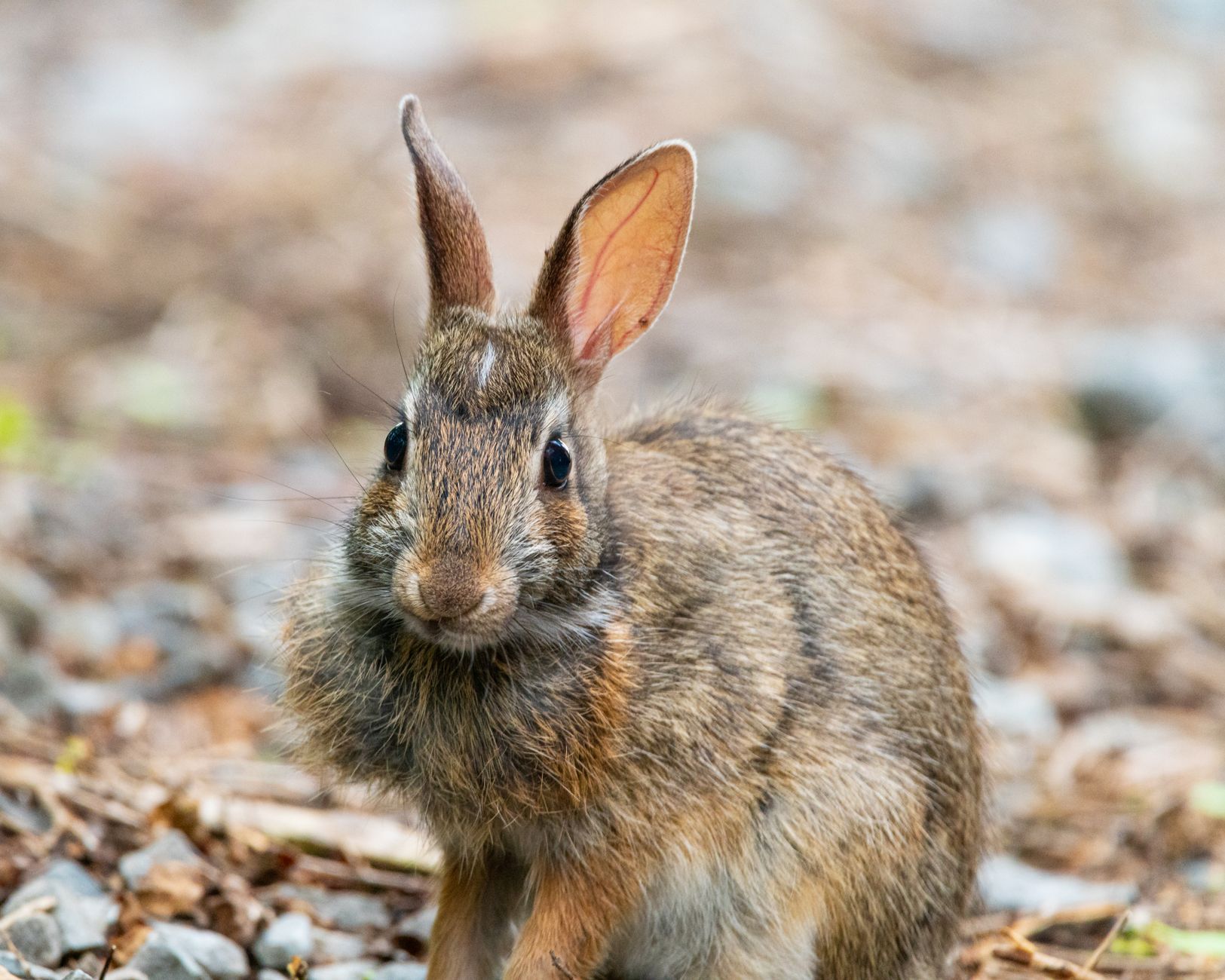
When the body experiences prolonged stress or illness, it often responds by producing more proteins, particularly antibodies and other immune-related molecules. In rabbits, an elevated total protein level can reflect a long-standing inflammatory process or an ongoing infection that the rabbit’s immune system is actively fighting. This elevation may also occur if the rabbit is dehydrated, as less fluid in the bloodstream concentrates the proteins. Additionally, chronic kidney disease or liver dysfunction can lead to increased protein levels due to impaired organ function.
It’s important for owners to understand that while an elevated total protein level alone does not diagnose a specific condition, it serves as a red flag prompting further investigation by a veterinarian. The vet will consider other clinical signs and additional lab results to determine the cause of the elevation and recommend appropriate next steps. For example, if your rabbit is showing signs of lethargy, weight loss, or changes in appetite alongside elevated total protein levels, these could be indicative of more serious underlying issues such as chronic renal failure or liver disease.
Early detection can lead to better outcomes for your rabbit’s health by allowing timely intervention and management. Regular veterinary check-ups and blood tests are essential for monitoring the overall health status of rabbits, especially those with a history of chronic conditions. By staying vigilant and proactive about your pet’s health, you can help ensure they live a long and healthy life.
What is Total Protein in Rabbits?
Total protein is a blood test that measures the concentration of all proteins circulating in a rabbit’s bloodstream. Proteins play crucial roles in various physiological processes, including immune function, fluid balance, and transport of molecules throughout the body. In rabbits, total protein levels can indicate dehydration or chronic inflammation, which are important clinical signs to monitor.
The measurement of total protein is straightforward but provides valuable information about a rabbit’s overall health status. Elevated levels may suggest conditions such as dehydration (dehydration) or an overactive immune response due to chronic disease. Conversely, low levels could point towards malnutrition, loss through the gut or kidneys, or decreased production by the liver.
Understanding what total protein means in rabbits is essential for interpreting blood test results accurately. It helps veterinarians and owners identify potential health issues early on, allowing for timely intervention and management of chronic conditions that might otherwise go unnoticed until they become severe. For example, if a rabbit’s total protein levels are consistently elevated over several months, it could be indicative of an underlying inflammatory condition such as liver disease or kidney dysfunction (kidney dysfunction).
It is important to note that the reference intervals for total protein can vary depending on the laboratory and the specific assay used. Therefore, any interpretation should take into account the rabbit’s individual baseline values and clinical context. Regular monitoring of total protein levels in conjunction with other blood tests such as albumin and globulin can provide a more comprehensive picture of a rabbit’s health status.
Laboratory Reference Ranges for Total Protein in Rabbits

The total protein level is a critical indicator of overall health and hydration status in rabbits. It reflects both albumin and globulin levels, which can be affected by various conditions such as dehydration or chronic inflammation. Understanding the normal reference range helps interpret test results accurately. The normal reference range for total protein in rabbits is 5.4-7.5 g/dL.
| Finding | What it may suggest | Suggested next step |
|---|---|---|
| Above the reference range for total protein | This could indicate dehydration or hyperglobulinemia due to chronic inflammation. | Further diagnostic tests such as a complete blood count (CBC) and serum chemistry panel should be conducted to identify the underlying cause. |
| Below the reference range for total protein | This suggests a loss of protein through urine, feces, or skin, or decreased production. | A thorough examination and additional tests like urinalysis are necessary to determine the cause. |
See the full reference intervals for the rabbit — every value cited to the laboratory document or paper it came from.
When a rabbit’s total protein level is above this range, it typically indicates dehydration or an increase in globulin levels due to chronic inflammation or immune stimulation. This could be associated with conditions such as liver disease, kidney issues, or inflammatory processes. For instance, chronic renal failure can lead to elevated globulins as the body mounts a prolonged immune response.
Conversely, if the total protein level falls below the normal reference range, it suggests a loss of protein through urine (proteinuria), feces, or skin, or decreased production due to malnutrition or liver dysfunction. This could be indicative of conditions such as gastrointestinal disease, kidney problems, or severe malnutrition. For example, chronic diarrhea can lead to significant protein losses in the stool.
It is important for veterinarians to consider the clinical signs and other laboratory findings when interpreting total protein levels in rabbits. For instance, if a rabbit shows reduced appetite, lethargy, weight loss, or changes in droppings, these symptoms should be evaluated alongside abnormal total protein levels to determine the underlying cause.
Additionally, chronic conditions such as liver disease can lead to hypoalbuminemia due to decreased albumin synthesis. In contrast, hyperglobulinemia might occur with chronic infections or autoimmune diseases where there is an increased production of immunoglobulins. Therefore, a comprehensive approach that includes clinical history, physical examination findings, and additional laboratory tests is essential for accurate diagnosis.
What Causes Elevated Total Protein Levels in Rabbits?
Elevated total protein levels in rabbits can indicate various underlying conditions, most commonly related to chronic inflammation or dehydration. When the total protein is above the reference range, it suggests that either the rabbit’s body is producing more proteins than usual due to an immune response, or there might be reduced fluid volume leading to concentration of existing proteins.
Chronic liver disease can lead to elevated total protein levels as well. In rabbits, conditions such as hepatic lipidosis or cholangiohepatitis syndrome may cause a persistent inflammatory state that increases globulin production. Similarly, kidney disorders like chronic renal failure can also contribute to higher total protein levels due to the body’s response to ongoing damage and inflammation.
It is important for veterinarians to consider these possibilities when interpreting elevated total protein results in rabbits. Alongside this marker, other blood tests such as albumin, globulin, and liver enzymes (ALT, AST) can provide additional clues about the specific cause of the elevation. For instance, if both albumin and globulin are high, it suggests a generalized increase in immune activity or chronic inflammation.
Chronic inflammatory conditions like abscesses, dental disease, or gastrointestinal disorders can also lead to elevated total protein levels. These conditions often result in prolonged periods of low-grade inflammation that stimulates the production of immunoglobulins and other proteins. Additionally, certain infectious diseases such as myxomatosis or rabbit hemorrhagic disease (RHD) may cause acute elevations in total protein due to a rapid immune response.
Dehydration is another common cause of elevated total protein levels. In rabbits, dehydration can occur due to inadequate fluid intake, excessive loss through diarrhea, or reduced kidney function. When the rabbit becomes dehydrated, existing proteins become more concentrated, leading to an increase in total protein levels.
| Cause | Mechanism | Typical Signs |
|---|---|---|
| Chronic Inflammation | Increased production of immunoglobulins and other proteins in response to long-term immune stimulation. | Reduced appetite, weight loss, lethargy |
| Dehydration | Concentration of existing proteins due to reduced fluid volume. | Dry mucous membranes, hunched posture, fewer droppings |
| Liver Disease | Persistent inflammation and damage to liver cells leading to increased protein synthesis. | Jaundice, dark urine, diarrhea |
| Kidney Disease | Chronic inflammation and damage to kidney tissue leading to increased protein production. | Increased thirst, reduced appetite, lethargy |
How Does Elevated Total Protein Compare with Other Blood Parameters?

Elevated total protein in rabbits can be a sign of chronic inflammation, immune stimulation, or dehydration. However, interpreting elevated total protein requires considering other blood parameters to understand the underlying cause more accurately. Albumin and globulin are two key components that help refine this interpretation.
Albumin is primarily produced by the liver and reflects overall nutritional status and hepatic function. When albumin levels are normal or slightly low alongside elevated total protein, it suggests inflammation or immune response rather than dehydration or severe malnutrition. Conversely, if albumin is markedly decreased, it points to significant loss through urine (proteinuria), gastrointestinal issues, or skin conditions like dermatitis.
Globulin levels rise in response to chronic inflammatory processes and infections. Elevated globulin with normal total protein but low albumin indicates an immune system that’s actively responding to a long-term challenge, such as chronic infection or autoimmune disease. This pattern is less likely to be due to dehydration alone. For example, persistent dental disease can cause chronic inflammation leading to elevated globulin levels.
| Marker | What it Adds to the Interpretation of Elevated Total Protein |
|---|---|
| Albumin | Helps distinguish between dehydration and chronic loss or decreased production. |
| Globulin | Indicates immune response or inflammation, suggesting a cause beyond simple fluid imbalance. |
| Total Protein | May be associated with overall protein status but needs albumin and globulin for context. |
When evaluating a rabbit with elevated total protein, the veterinarian will look at these markers together to determine if there is an underlying inflammatory or immune condition. For instance, high globulin levels may prompt further investigation into chronic infections like mycoplasma or dental disease causing persistent inflammation.
In summary, while elevated total protein can signal dehydration or chronic illness, comparing it with albumin and globulin provides a more nuanced understanding of the rabbit’s health status and guides appropriate diagnostic steps. It is crucial to consider these parameters in conjunction to avoid misdiagnosis and ensure that rabbits receive timely and effective treatment.
How Should Elevated Total Protein Be Interpreted?
Elevated total protein levels in rabbits can indicate a variety of underlying conditions, ranging from dehydration to chronic inflammation. When interpreting an elevated total protein result, it’s important to consider the rabbit’s overall health status and clinical signs. For instance, if your rabbit is showing signs of lethargy or reduced appetite alongside high total protein, these symptoms may point towards dehydration or another systemic issue.
Dehydration is a common cause of elevated total protein in rabbits. This can occur due to inadequate fluid intake, gastrointestinal stasis, or other conditions that lead to fluid loss. In such cases, the rabbit might also show signs like reduced droppings and decreased activity levels. On the other hand, chronic inflammation or immune stimulation, which could be indicative of an ongoing infection or autoimmune disease, can cause hyperglobulinemia, leading to elevated total protein levels.
When a veterinarian encounters an elevated total protein result in a rabbit, they will likely consider additional diagnostic tests to pinpoint the underlying cause. These may include further blood work such as albumin and globulin measurements, which help differentiate between dehydration (where both albumin and globulin are typically low) and hyperglobulinemia (where globulins rise relative to albumin). Additionally, a urinalysis can provide clues about kidney function or urinary tract issues that might contribute to the elevated total protein.
| Finding | What it may suggest | Suggested next step |
|---|---|---|
| Above the reference range | Dehydration or chronic inflammation/immune stimulation | Further blood work, urinalysis, and clinical assessment to determine underlying cause. |
| Albumin within normal range but globulin elevated | Hyperglobulinemia due to chronic inflammation or immune response | Consider additional blood tests and clinical evaluation for underlying conditions. |
| Albumin low with globulin within normal range | Dehydration or protein loss through the gastrointestinal tract | Assess hydration status and consider further diagnostic tests. |
| Both albumin and globulin low | Severe dehydration or protein loss through the kidneys or skin | Immediate veterinary care to address fluid balance and underlying cause. |
In summary, an elevated total protein level in rabbits can signal a range of health issues. Dehydration is one common cause, often accompanied by clinical signs such as lethargy or reduced droppings. Chronic inflammation or immune stimulation may also elevate total protein levels, typically seen alongside other markers like increased globulin. A thorough evaluation including additional blood tests and urinalysis will help determine the exact cause and guide appropriate treatment.
It is crucial to consult with a veterinarian when you notice elevated total protein in your rabbit’s test results. They can provide a comprehensive assessment based on clinical signs, further diagnostic testing, and tailored advice for managing any underlying conditions effectively.
Are There Breed or Age Differences in Total Protein Levels?
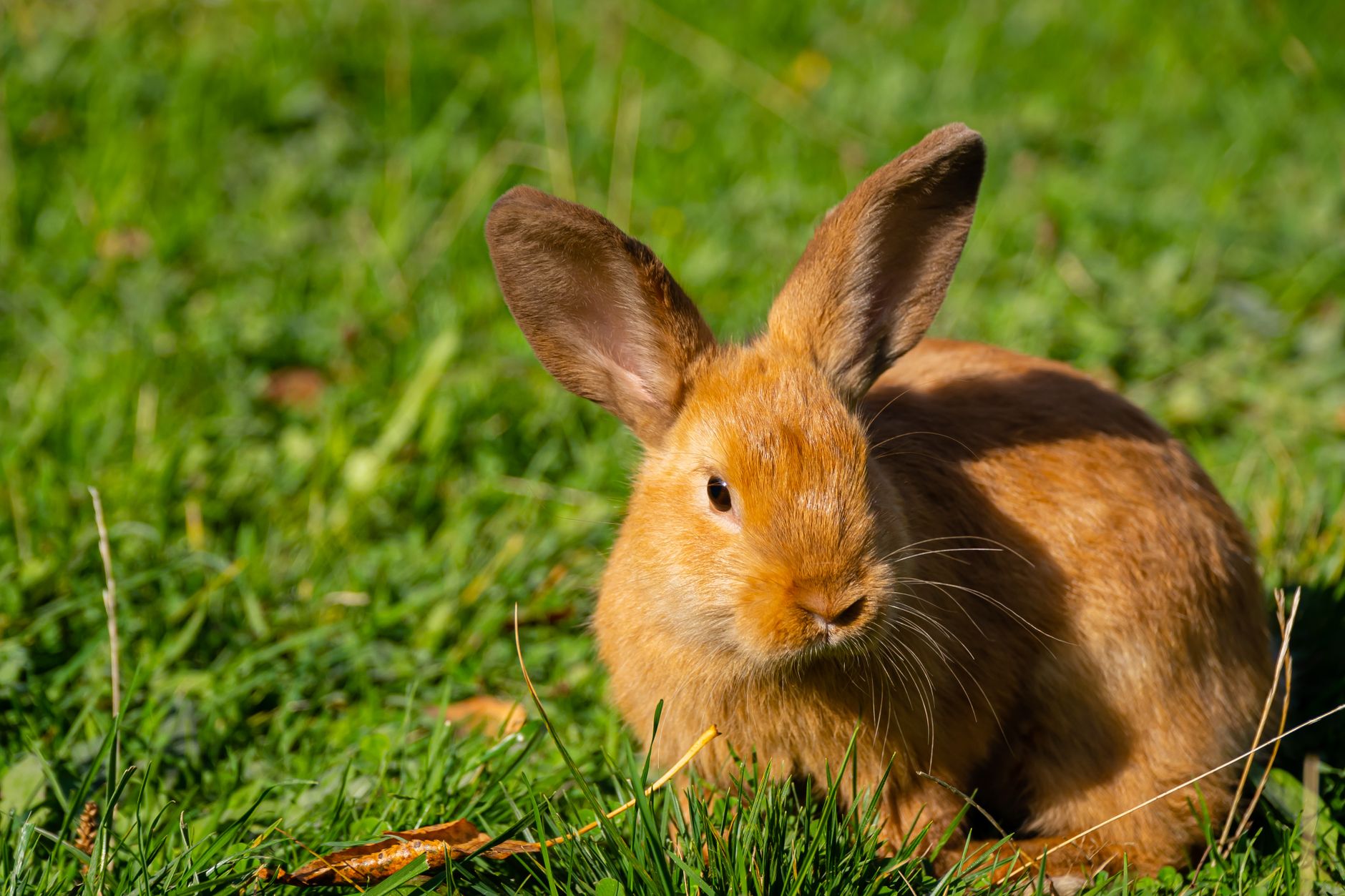
Total protein levels in rabbits do not show significant differences based on breed. While there are many rabbit breeds, such as Dutch, Lionhead, and Mini Lop, no strong breed predilection has been documented for this parameter in rabbits; clinical patterns relate more to age, diet, and husbandry than breed. However, it is important to note that certain genetic factors within a breed might influence individual variations in protein levels, but these are not consistent across the entire population of a given breed.
Age can significantly influence total protein levels in rabbits. Younger rabbits may have slightly higher values due to growth-related factors such as increased production of albumin and globulins necessary for development. For example, during the rapid growth phase from weaning until around 6 months of age, a rabbit’s body requires more proteins to support muscle and organ development. Conversely, older rabbits might show elevated total protein levels if they are dealing with chronic conditions that stimulate immune responses or cause dehydration. Chronic diseases such as renal failure, liver disease, or inflammatory processes can lead to persistent elevation in total protein levels.
When evaluating a rabbit’s total protein level, it is important to consider the animal’s overall health status, including diet quality, hydration, and any signs of illness such as reduced appetite, lethargy, or changes in droppings. These factors can provide valuable context alongside laboratory results, helping your veterinarian make an accurate diagnosis. For instance, a rabbit with chronic renal disease might exhibit elevated total protein levels due to dehydration caused by polyuria (frequent urination) and polydipsia (increased thirst). Proper hydration is crucial in maintaining normal protein levels; therefore, ensuring the rabbit has access to clean water at all times can help prevent unnecessary fluctuations.
What is the Treatment Approach for Elevated Total Protein?
Elevated total protein in rabbits can indicate underlying health issues that require careful management. The first step is to identify and address the root cause, whether it’s chronic inflammation or dehydration. Your veterinarian will likely recommend a combination of diagnostic tests and treatments tailored to your rabbit’s specific needs.
When total protein levels are elevated, it often suggests an ongoing inflammatory process in the body. This could be due to conditions like dental disease, gastrointestinal stasis, or infections that have been present for some time. The treatment approach will depend on identifying these underlying causes and addressing them directly. For instance, if dental issues are contributing to inflammation, your vet might recommend a thorough oral examination and possibly tooth trimming. Additionally, dietary adjustments may be necessary to manage any associated pain or discomfort.
Monitoring is crucial in managing elevated total protein levels. Regular blood tests can help track changes over time and assess the effectiveness of any treatments prescribed. Your veterinarian may also suggest additional diagnostic procedures such as imaging studies (like X-rays or ultrasound) to get a clearer picture of what’s happening inside your rabbit’s body. These imaging techniques can reveal structural abnormalities that might not be apparent from clinical signs alone.
For rabbits with chronic gastrointestinal stasis, treatment often involves dietary modifications and fluid therapy to rehydrate the animal and stimulate gut motility. Prokinetic drugs may also be prescribed to help move food through the digestive tract more efficiently. In cases where dehydration is a significant factor, intravenous or subcutaneous fluids can quickly restore normal hydration levels.
It’s important to note that elevated total protein levels should not be treated in isolation but rather as part of an overall health management plan for your rabbit. Regular follow-up visits with your veterinarian are essential to monitor progress and adjust the treatment regimen as needed. This comprehensive approach ensures that any underlying conditions are effectively managed, thereby reducing the risk of complications.
| Cause | Mechanism | Typical Signs |
|---|---|---|
| Chronic Inflammation | Increased production of globulins due to immune response. | Reduced appetite, lethargy, weight loss. |
| Dehydration | Concentration of existing proteins due to reduced fluid volume. | Dry mouth, sunken eyes, hunched posture. |
| Gastrointestinal Stasis | Inflammation and reduced motility affecting protein metabolism. | Fewer or smaller droppings, tooth-grinding, gut stasis signs. |
Summary: Understanding Elevated Total Protein in Rabbits
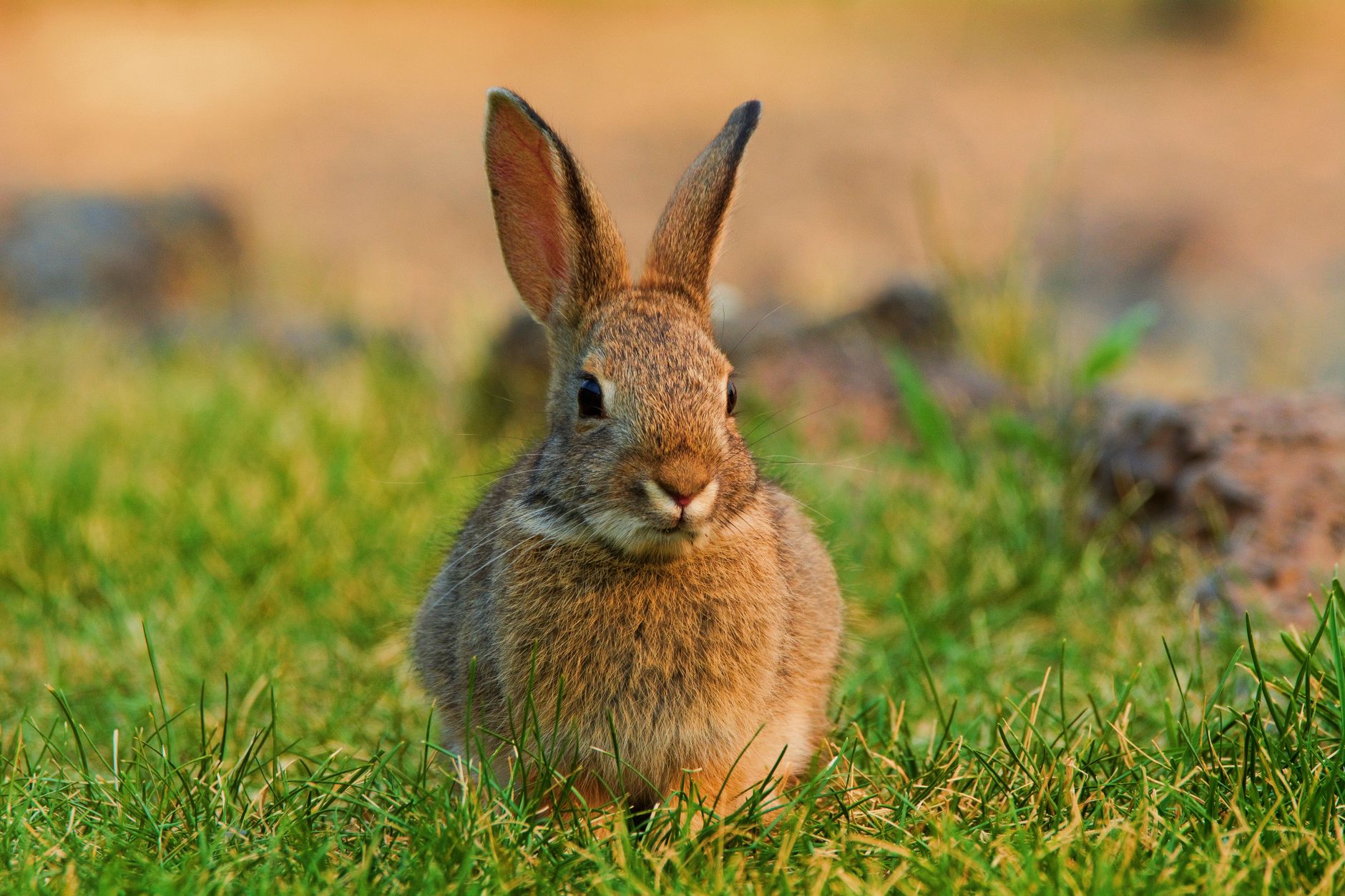
Elevated total protein levels in rabbits can be a sign of underlying health issues, particularly those related to chronic inflammation or dehydration. When your rabbit’s total protein is above the reference range, it indicates that there might be an imbalance within their body that needs attention from a veterinarian.
The causes for elevated total protein are varied and often point towards conditions such as chronic infections, immune system activation, or severe dehydration. In rabbits, these issues can manifest without obvious signs of illness at first glance, making regular veterinary check-ups crucial for early detection. For example, subtle changes like reduced appetite, lethargy, or fewer droppings could indicate an underlying condition affecting their total protein levels. Additionally, chronic kidney disease and liver disorders may also contribute to elevated total protein levels in rabbits.
When interpreting elevated total protein in rabbits, veterinarians will consider additional blood tests and clinical signs to pinpoint the exact cause. Albumin and globulin levels are often evaluated alongside total protein to determine if the elevation is due to decreased albumin production or increased globulin (immunoglobulins) from chronic inflammation. Further diagnostic steps might include a complete blood count, urinalysis, and imaging studies like X-rays or ultrasound to assess organ health. These tests help in understanding the extent of damage or dysfunction within organs such as the liver and kidneys.
It’s important for rabbit owners to be aware of these signs and seek veterinary advice promptly if they notice any changes in their pet’s behavior or physical condition. Early intervention can significantly improve the chances of successful treatment and management of chronic diseases that may lead to elevated total protein levels. Regular monitoring by a veterinarian is essential, especially for rabbits with known health issues such as dental disease or obesity, which can predispose them to conditions leading to increased total protein.
Frequently Asked Questions
What does elevated total protein mean in rabbits?
Elevated total protein levels in rabbits typically indicate dehydration or chronic inflammation, which could be due to conditions like infection or immune responses.
Why might my rabbit have low total protein?
Low total protein can suggest fluid loss through urine or diarrhea, or poor absorption from the intestines, indicating issues such as kidney problems or malnutrition.
Is high total protein always serious?
While elevated total protein often points to underlying health concerns, it needs context from other test results and clinical symptoms to determine its significance.
How common is elevated total protein in rabbits?
Elevated total protein is relatively common in rabbits with chronic illnesses but varies widely based on individual health status and environmental factors.
Does age impact total protein readings?
Age-related changes in metabolism and overall health can affect total protein levels, making regular monitoring important as your rabbit ages.
Are there specific breeds more prone to abnormal total protein?
No strong breed predilection has been documented for this parameter in rabbits. Husbandry, diet, and age matter more than breed.
What tests help diagnose causes of high total protein?
Additional blood work including liver enzymes (ALT and AST) and urinalysis can provide clues about the origin of increased total protein.
Could medications cause changes in total protein?
Certain medications might indirectly affect total protein by influencing hydration status or causing side effects that lead to fluid imbalance.
How does stress affect total protein levels?
Stress can temporarily alter various physiological parameters, potentially affecting total protein levels; however, long-term trends are more indicative of disease.
Why would a rabbit have low albumin and normal globulin?
Low albumin with normal globulin suggests decreased production due to liver issues or poor nutritional state rather than immune response.
Is total protein related to kidney function?
While not directly linked, conditions affecting kidney function often involve fluid imbalances that could be reflected in altered total protein levels.
Do cecotropes play a role in assessing total protein?
Cecotrope quality and quantity can indicate digestive health, which indirectly relates to total protein through its effect on nutrient absorption and hydration.
Sources & Further Reading
This article draws on the following authoritative veterinary references. For your pet’s individual case, consult a licensed veterinarian.
- Merck Veterinary Manual — comprehensive clinical reference for veterinary practice
- Veterinary Clinical Pathology — clinical pathology research and case studies