High Glucose in Ferrets — Insulinoma, Stress, or Diabetes?
High Glucose in Ferrets — Insulinoma, Stress, or Diabetes?
Wondering what a full interpretation looks like? See a sample report →
Why Should Ferret Owners Care About High Glucose Levels?

High glucose levels in ferrets can be a significant indicator of underlying health issues, such as insulinoma, stress, or diabetes. Recognizing and addressing these elevated levels early is crucial for maintaining your ferret’s health. In ferrets, normal glucose levels range from 62.5-207 mg/dL. Levels exceeding the reference interval are considered elevated, and those above the reference interval are critical, necessitating immediate veterinary attention.
Insulinoma, a common condition in ferrets over three years old, involves tumors in the pancreas that cause chronic hypoglycemia (low blood sugar). However, stress or diabetes can lead to hyperglycemia (high blood sugar), complicating the diagnosis. Clinical experience shows that differentiating between these conditions requires careful monitoring and testing. Elevated glucose levels can mask the symptoms of insulinoma, making it essential to conduct comprehensive blood tests to determine the exact cause.
Monitoring glucose levels is not only about identifying potential diseases but also about preventing complications. For instance, untreated diabetes can lead to severe dehydration and ketoacidosis, a life-threatening condition where ketones (byproducts of fat breakdown) accumulate in the blood. In ferrets, ketone levels above the reference interval are elevated, and levels exceeding the reference interval are critical. Veterinary literature consistently reports that early detection and management of these conditions can significantly improve a ferret’s quality of life and longevity.
Ferret owners should regularly check their pets’ glucose levels, especially if they notice symptoms such as lethargy, increased thirst, or weight loss. Routine veterinary visits and blood tests are vital in catching these issues early. By staying vigilant, owners can ensure their ferrets lead healthy, happy lives.
What Is Glucose and How Does It Affect Ferrets?
Glucose is a crucial energy source for ferrets, playing a vital role in their overall health and metabolism. It is a simple sugar that circulates in the bloodstream, providing energy to cells throughout the body. In ferrets, normal blood glucose levels range from 62.5-207 mg/dL. When glucose levels rise above the reference interval, it is considered elevated, and levels exceeding the reference interval are critical, potentially indicating underlying health issues.
The regulation of glucose in ferrets is primarily managed by the hormone insulin, which is produced by the pancreas. Insulin facilitates the uptake of glucose into cells, where it is used for energy production. In ferrets, normal insulin levels range from 5 to 20 µIU/mL. Elevated insulin levels, above 25 µIU/mL, can lead to hypoglycemia (low blood sugar), while critical levels above 50 µIU/mL may indicate insulinoma, a common pancreatic tumor in ferrets. Insulinoma is characterized by excessive insulin production, causing dangerously low blood glucose levels.
Maintaining balanced glucose levels is essential for preventing metabolic disorders in ferrets. When glucose regulation is disrupted, it can lead to conditions such as diabetes mellitus, where the body cannot effectively use glucose, resulting in persistent hyperglycemia (high blood sugar). In ferrets, diabetes is less common than insulinoma but can occur, particularly in older animals. Symptoms of diabetes in ferrets include increased thirst, frequent urination, and weight loss despite a good appetite.
Stress can also temporarily elevate glucose levels in ferrets, as it triggers the release of stress hormones like cortisol, which increase blood sugar. However, these elevations are usually transient and resolve once the stressor is removed. Monitoring glucose levels in ferrets, especially those over three years old, is crucial for early detection and management of potential health issues.
What Are the Normal Glucose Levels in Ferrets?
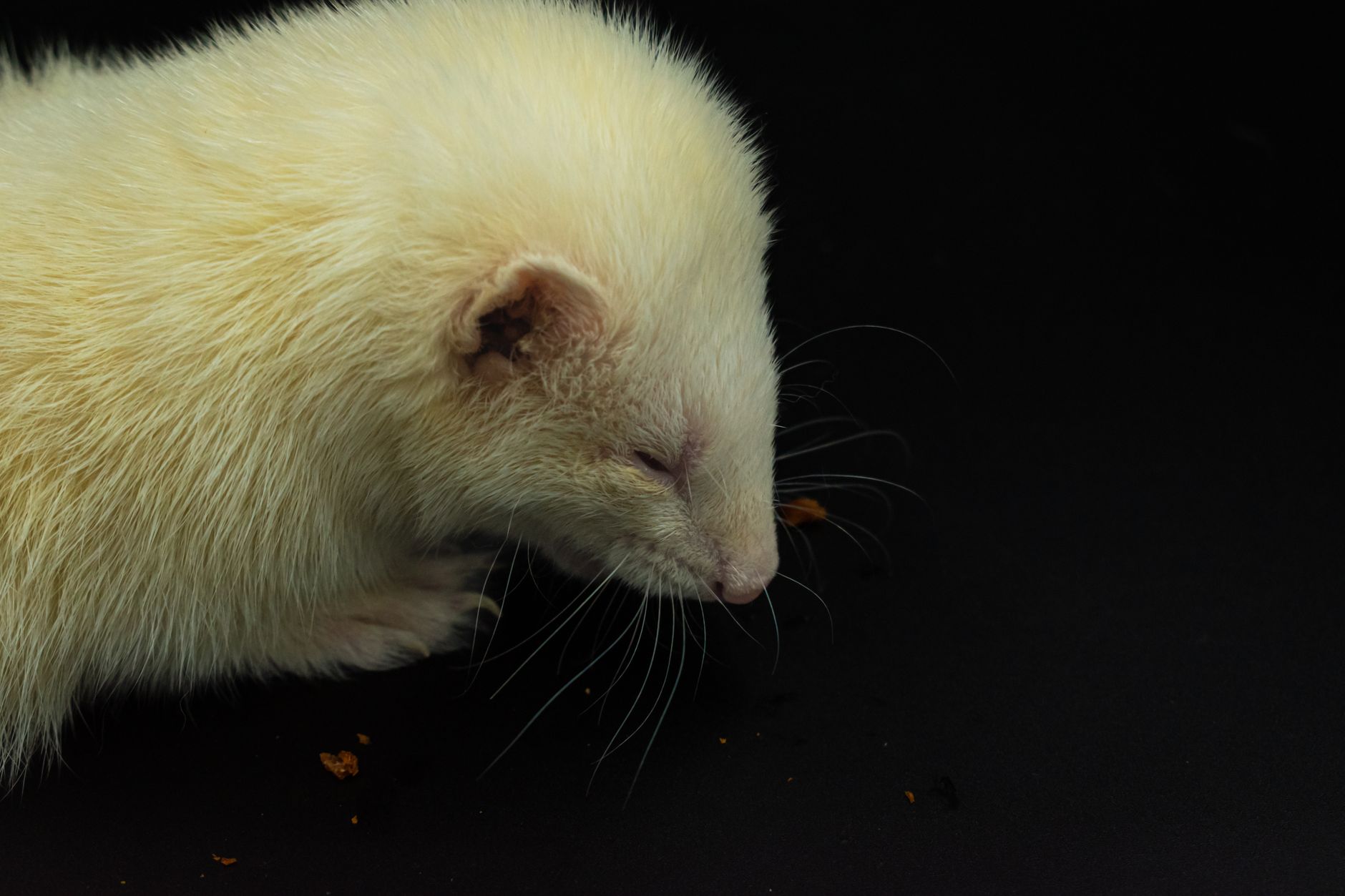
Understanding the normal glucose levels in ferrets is crucial for diagnosing and managing conditions like insulinoma, stress-induced hyperglycemia, and diabetes. In ferrets, normal blood glucose levels range from 62.5-207 mg/dL. Levels above the reference interval are considered elevated and warrant further investigation, while levels exceeding the reference interval are critical and require immediate veterinary attention.
Maintaining glucose levels within the normal range is essential for the overall health of ferrets. Elevated glucose levels can indicate underlying health issues such as insulinoma, a common pancreatic tumor in ferrets that causes chronic hypoglycemia. Conversely, stress can temporarily elevate glucose levels, making it important to differentiate between transient and persistent hyperglycemia.
To provide a clearer understanding, the following table outlines the glucose levels in ferrets and their clinical interpretations:
| Glucose Level (mg/dL) | Clinical Interpretation |
|---|---|
| 90-120 | Normal range |
| 121-150 | Monitor for stress or dietary factors |
| 151-200 | Investigate for potential insulinoma or diabetes |
| Above the reference interval | Critical; immediate veterinary intervention required |
See the full reference intervals for the ferret — every value cited to the laboratory document or paper it came from.
Ferrets with glucose levels above the reference interval should be evaluated for insulinoma, especially if they are over three years old. This condition is characterized by excessive insulin production, leading to dangerously low blood sugar levels. In contrast, stress-induced hyperglycemia is typically transient and resolves once the stressor is removed.
Routine laboratory analysis often reveals that persistent hyperglycemia in ferrets may also indicate diabetes, although this is less common than insulinoma. In such cases, treatment options may include dietary management and medications like insulin, tailored specifically for ferrets. Coat color in ferrets does not predispose to any documented blood-parameter abnormality. Clinical patterns are species-level and most often relate to age, with insulinoma and adrenal disease being typical in ferrets older than three years.
What Causes High Glucose in Ferrets?

High glucose levels in ferrets can be attributed to several underlying conditions, including insulinoma, stress, and diabetes. Each of these conditions affects glucose metabolism differently, leading to elevated blood glucose levels above the normal range of 62.5-207 mg/dL. Understanding the differential diagnosis is crucial for effective management and treatment.
Insulinoma is a common cause of high glucose in ferrets, characterized by tumors in the pancreas that secrete excessive insulin. This condition typically results in fluctuating glucose levels, with episodes of hypoglycemia interspersed with hyperglycemia. Clinical experience shows that insulin levels in affected ferrets often exceed 25 µIU/mL, with critical levels above 50 µIU/mL. Stress-induced hyperglycemia, on the other hand, is a transient condition where glucose levels rise due to the release of stress hormones like cortisol, without significant changes in insulin levels.
Diabetes mellitus in ferrets is less common but can occur, leading to persistent hyperglycemia. This condition is characterized by insufficient insulin production or action, resulting in glucose levels consistently above the reference interval, and often exceeding the reference interval of within the reference interval. Veterinary literature consistently reports that ketone bodies may also be elevated in diabetic ferrets, with levels above the reference interval indicating a need for intervention.
| Condition | Glucose Level (mg/dL) | Insulin Level (µIU/mL) | Ketones (mmol/L) | Clinical Interpretation |
|---|---|---|---|---|
| Insulinoma | Fluctuating | Above the reference interval | 0 | Tumor-induced insulin secretion |
| Stress | Above the reference interval | Normal | 0 | Transient hyperglycemia |
| Diabetes Mellitus | Above the reference interval | Normal/Low | Above the reference interval | Insufficient insulin action |
Recognizing these conditions and their distinct pathophysiological mechanisms is essential for accurate diagnosis and treatment. Diagnostic protocols typically suggest comprehensive blood tests to differentiate between these causes and guide appropriate therapeutic interventions.
How Do Glucose Levels Compare with Other Parameters?

In ferrets, evaluating glucose levels alongside other blood parameters such as insulin and ketones provides a comprehensive view of their metabolic health. Elevated glucose levels, defined as greater than the reference interval, can indicate stress, insulinoma, or diabetes. However, to accurately diagnose the underlying cause, it is crucial to consider these levels in conjunction with insulin and ketone measurements.
Insulin levels are a critical factor in differentiating between insulinoma and diabetes in ferrets. Normal insulin levels range from 5 to 20 µIU/mL, with levels above 25 µIU/mL considered elevated. In cases of insulinoma, ferrets often exhibit elevated insulin levels, sometimes exceeding 50 µIU/mL, despite low or normal glucose levels. Conversely, in diabetic ferrets, insulin levels may be normal or low, with glucose levels typically exceeding the reference interval.
Ketones, another important parameter, help differentiate between stress-induced hyperglycemia and diabetes. In ferrets, normal ketone levels are below the reference interval, with levels above the reference interval indicating elevation. Elevated ketones, particularly above the reference interval, are more commonly associated with diabetic ketoacidosis, a critical condition requiring immediate intervention. Monitoring these parameters together allows for a more accurate diagnosis and effective treatment plan.
| Parameter | Normal Range | Clinical Interpretation |
|---|---|---|
| Glucose | 62.5-207 mg/dL | Possible diabetes or stress |
| Insulin | 33-311 pmol/L | Suggestive of insulinoma |
| Ketones | Laboratory-specific | Indicates ketoacidosis |
Veterinary internal medicine specialists recognize the importance of integrating these parameters for a holistic assessment. By understanding the interplay between glucose, insulin, and ketones, veterinarians can better tailor treatment strategies, whether it involves dietary management, medication like prednisolone for insulinoma, or insulin therapy for diabetes. This comprehensive approach ensures that ferrets receive the most effective care based on their specific metabolic needs.
How to Interpret Glucose Test Results in Ferrets?
Interpreting glucose test results in ferrets involves understanding the nuances of their metabolic health. Elevated glucose levels can indicate conditions such as insulinoma, stress, or diabetes. To accurately interpret these results, it is essential to consider the glucose, insulin, and ketone levels together. Here, we provide a step-by-step guide to help you navigate these parameters effectively.
- Begin by assessing the glucose level. A normal range is 62.5-207 mg/dL. If the glucose level is above the reference interval, it is considered elevated, and levels exceeding the reference interval are critical.
- Next, evaluate the insulin level. Normal insulin levels range from 5–20 µIU/mL. Levels above 25 µIU/mL are elevated, and those over 50 µIU/mL are critical.
- Check the ketone level. A normal ketone level is below the reference interval. Elevated levels are above the reference interval, and critical levels exceed the reference interval.
- Consider the clinical context and symptoms. For instance, if a ferret shows signs of lethargy and weight loss with elevated glucose and insulin levels, insulinoma might be suspected.
Reference intervals for the parameters discussed above, as published in the source panel for the ferret:
| Parameter | Reference interval (ferret) |
|---|---|
| Glucose | 62.5-207 mg/dL |
| Insulin | 33-311 pmol/L |
Interpreting these results requires a comprehensive approach, considering both laboratory data and clinical signs. By following these steps, you can better understand the underlying causes of high glucose levels in ferrets and take appropriate action.
Are There Breed or Age Differences in Glucose Levels?
In ferrets, glucose levels are not influenced by coat color variations such as sable, albino, or panda. These variations are not breeds and do not predispose ferrets to any documented blood-parameter abnormalities. Clinical patterns affecting glucose levels are species-level and are more commonly associated with age. For instance, insulinoma, a condition characterized by chronic hypoglycemia, is prevalent in ferrets over three years old. Similarly, adrenal disease, which can indirectly affect glucose metabolism, is also more common in older ferrets.
Age is a significant factor in the development of conditions that can alter glucose levels in ferrets. As ferrets age, the risk of developing insulinoma increases, leading to potential fluctuations in glucose levels. While normal glucose levels range from 62.5-207 mg/dL, levels exceeding the reference interval are considered elevated, and those above the reference interval are critical. If a ferret exhibits elevated glucose levels, it is crucial to consult a veterinarian to determine the underlying cause, whether it be stress, insulinoma, or diabetes.
Early detection and management of glucose-related conditions can significantly improve outcomes for ferrets. Regular monitoring of glucose levels, especially in ferrets over three years old, is recommended. If a ferret’s glucose level is persistently above the reference interval, a veterinarian should be consulted to explore potential causes and appropriate interventions. In ferrets, medications such as prednisolone may be used to manage insulinoma, but treatment plans should always be tailored to the individual animal’s needs.
Frequently Asked Questions
What are the common causes of high glucose levels in ferrets?
High glucose levels in ferrets can be caused by insulinoma, stress, or diabetes. Insulinoma is a tumor of the pancreas that affects insulin production, leading to fluctuating glucose levels. Stress can temporarily elevate glucose levels due to the release of stress hormones. Diabetes, although less common in ferrets, can also result in persistently high glucose levels. A thorough examination and diagnostic tests are necessary to determine the underlying cause.
How is insulinoma diagnosed in ferrets?
Insulinoma in ferrets is diagnosed through a combination of clinical signs, blood tests, and imaging. Blood tests typically show low glucose levels, often below the reference interval, and elevated insulin levels above 25 µIU/mL. Imaging, such as ultrasound, may help visualize pancreatic tumors. A definitive diagnosis often requires a combination of these methods.
What are the treatment options for ferrets with insulinoma?
Treatment for insulinoma in ferrets may include surgery, medication, or a combination of both. Surgical removal of the tumor can be effective but may not be possible in all cases. Medications such as prednisone and diazoxide are commonly used to manage symptoms by increasing blood glucose levels. Widely accepted clinical guidelines recommend regular monitoring and adjustments to treatment plans based on the ferret’s response.
Can stress cause long-term high glucose levels in ferrets?
Stress can cause temporary spikes in glucose levels in ferrets, but it is unlikely to cause long-term elevation. Stress-induced hyperglycemia is usually transient and resolves once the stressor is removed. If high glucose levels persist, other causes such as insulinoma or diabetes should be investigated. Managing stress and providing a stable environment can help maintain normal glucose levels.
What dietary changes can help manage high glucose levels in ferrets?
Dietary management is crucial for ferrets with high glucose levels. A high-protein, low-carbohydrate diet is recommended to help stabilize blood sugar levels. Avoiding sugary treats and foods high in simple carbohydrates can prevent glucose spikes. Consulting with a veterinarian for a tailored diet plan is advisable to meet the specific needs of the ferret.
How often should glucose levels be rechecked in ferrets with insulinoma?
For ferrets diagnosed with insulinoma, regular monitoring of glucose levels is essential. Initially, glucose levels may need to be checked every few weeks to assess the effectiveness of treatment. Once stabilized, rechecks may be extended to every few months. Frequent monitoring helps in making timely adjustments to the treatment plan.
What are the emergency signs of high glucose levels in ferrets?
Signs of critically high glucose levels in ferrets, above the reference interval, can include lethargy, excessive thirst, frequent urination, and weight loss. If a ferret exhibits these symptoms, immediate veterinary attention is necessary. Prompt intervention can prevent complications and improve outcomes.
Are certain ferret breeds more prone to high glucose levels?
Ferrets have only one breed, the domestic ferret, and coat color variations do not predispose them to high glucose levels. Age and common ferret diseases, such as insulinoma, are more significant factors in glucose level abnormalities. Therefore, monitoring and managing health based on individual ferret needs is crucial.
Can ferrets be monitored for glucose levels at home?
Home monitoring of glucose levels in ferrets can be challenging but is possible with the right equipment. Glucometers designed for small animals can be used to track glucose levels. However, it is important to consult with a veterinarian to ensure accurate readings and proper technique. Widely accepted clinical guidelines recommend regular veterinary check-ups to complement home monitoring.
What is the prognosis for ferrets with diabetes?
Diabetes in ferrets is rare but can be managed with proper care. The prognosis depends on the severity of the condition and the ferret’s response to treatment. Management typically involves insulin therapy and dietary adjustments. With diligent care and regular veterinary monitoring, many ferrets can maintain a good quality of life. Early detection and intervention improve outcomes.
Sources & Further Reading
This article draws on the following authoritative veterinary references. For your pet’s individual case, consult a licensed veterinarian.
- Merck Veterinary Manual — comprehensive clinical reference for veterinary practice
- ACVIM Consensus Statements — American College of Veterinary Internal Medicine
- Veterinary Clinical Pathology — clinical pathology research and case studies