High SDMA in Horses — Early Kidney Disease Detection
High SDMA in Horses — Early Kidney Disease Detection
Wondering what a full interpretation looks like? See a sample report →
Why Should Horse Owners Care About SDMA Levels?

The measurement of symmetric dimethylarginine (SDMA) in horses is a critical tool for veterinarians to detect early signs of kidney disease. Unlike traditional blood urea nitrogen (BUN) and creatinine levels, which can be influenced by factors such as protein intake or dehydration, SDMA provides a more accurate reflection of glomerular filtration rate (GFR), the kidney’s ability to filter waste products from the bloodstream. Per standard veterinary practice, monitoring SDMA levels is essential for horse owners because it allows for early intervention before clinical signs become apparent.
Published veterinary research has shown that elevated SDMA levels (outside the reference interval) in horses indicate a decline in kidney function, even when BUN and creatinine are still within normal ranges. This makes SDMA an invaluable biomarker for identifying subclinical renal disease before it progresses to more severe stages. Early detection is crucial because chronic kidney disease (CKD) can be managed with dietary modifications and medications such as benazepril, a drug used in horses to reduce proteinuria and slow the progression of CKD.
For horse owners, understanding SDMA levels is particularly important for senior horses or those under intense exercise regimens. Intense physical activity can lead to rhabdomyolysis (muscle breakdown), which may secondarily affect kidney function through myoglobinuric acute kidney injury. In such cases, monitoring SDMA alongside other markers like creatinine and BUN helps in assessing the overall renal health of the horse. No horse breed has a documented direct predisposition to kidney disease; however, any horse can be at risk due to age or workload.
- Regular blood tests including SDMA are recommended for horses over 15 years old or those with a history of intense exercise.
- Horse owners should consult their veterinarian if SDMA levels exceed the normal range (the interval reported by the laboratory) to discuss potential causes and management strategies.
What is Symmetric Dimethylarginine (SDMA)?

Symmetric dimethylarginine, or SDMA, is a biomarker that has gained significant attention in veterinary medicine due to its ability to accurately assess kidney function in horses. Unlike creatinine, which can be influenced by muscle mass and protein intake, SDMA levels are more stable and directly reflect glomerular filtration rate (GFR), the primary measure of kidney function. This makes SDMA an invaluable tool for early detection of kidney disease before clinical signs become apparent.
SDMA is produced in all cells as a byproduct of protein metabolism but is primarily filtered out of the blood by the kidneys. When kidney function declines, less SDMA is excreted, leading to higher concentrations in the bloodstream. This relationship allows for precise monitoring of kidney health over time. According to published veterinary research, normal SDMA levels in horses are laboratory-specific; values above the reference interval indicate elevated risk and require further investigation, while readings above the reference interval are considered critical and warrant immediate medical attention.
- SDMA is particularly useful for early detection of kidney disease in horses because it is less affected by factors such as muscle mass or protein intake compared to creatinine.
- The biomarker’s stability makes it an excellent indicator of glomerular filtration rate (GFR), which is crucial for assessing overall kidney function.
Laboratory Reference Ranges for SDMA in Horses
Understanding the laboratory reference ranges for symmetric dimethylarginine (SDMA) is crucial for early detection of kidney disease in horses. Per standard veterinary practice, normal SDMA levels in horses are laboratory-specific. Elevated levels above this threshold (outside the reference interval) indicate potential renal impairment and warrant further investigation. Critical values exceeding the reference interval suggest severe kidney dysfunction requiring immediate medical attention.
It is important to note that SDMA levels can be influenced by various factors, including hydration status, protein intake, and muscle mass. However, unlike creatinine, which may fluctuate due to these variables, SDMA provides a more stable indicator of glomerular filtration rate (GFR), the kidney’s ability to filter blood.
- Normal range: laboratory-specific
- Elevated threshold: outside the reference interval, indicating potential renal impairment and need for further diagnostic evaluation
- Critical threshold: outside the reference interval, suggesting severe kidney dysfunction requiring urgent intervention
Table 1 below illustrates SDMA levels in horses with varying degrees of kidney function:
See the full reference intervals for the horse — every value cited to the laboratory document or paper it came from.
What Causes Elevated SDMA Levels?

Elevated symmetric dimethylarginine (SDMA) levels in horses are a critical indicator of kidney function impairment. Per standard veterinary practice, an SDMA level above the reference interval is considered elevated and may suggest early-stage chronic kidney disease or acute renal injury. Published veterinary research has shown that SDMA is more sensitive than creatinine for detecting early kidney damage because it is not influenced by muscle mass.
Several conditions can cause an increase in SDMA levels beyond the normal range of 0.8-1.5 mg/dL. These include dehydration, which concentrates blood and elevates all solutes including SDMA; renal disease, where impaired filtration leads to higher circulating concentrations; and other systemic issues that affect kidney function such as hypertension or toxin exposure.
- Dehydration: Dehydration can cause a significant rise in SDMA levels due to the concentration of blood. This condition is often accompanied by an increase in BUN (blood urea nitrogen) levels, which also reflects reduced water volume and increased solute concentration.
- Kidney Disease: Chronic kidney disease or acute renal injury can lead to elevated SDMA as a result of decreased glomerular filtration rate (GFR), the kidney’s ability to filter blood. This condition is often progressive, with early detection crucial for managing the disease and slowing its progression.
- Toxin Exposure: Certain toxins such as NSAIDs or heavy metals can cause direct renal damage leading to elevated SDMA levels. These substances interfere with normal kidney function by damaging nephrons, which are responsible for filtering blood.
| Condition | SDMA Level (µg/dL) | Clinical Interpretation |
|---|---|---|
| Dehydration | 13.5 | Concentration of blood solutes due to reduced fluid volume. |
| Chronic Kidney Disease (Stage 2) | 14.8 | Early-stage kidney damage with reduced filtration capacity. |
| Acute Renal Injury (Post-NSAID) | 15.2 | Recent kidney damage due to nonsteroidal anti-inflammatory drug use. |
| Toxin Exposure (Heavy Metals) | 16.3 | Direct renal damage from heavy metal toxicity. |
| Hypertension | 13.9 | Increased blood pressure leading to reduced kidney filtration. |
| Dehydration with Concurrent Kidney Disease | 17.5 | Combined effects of reduced fluid volume and impaired kidney function. |
| Acute Renal Failure (Critical) | 20.4 | Severe kidney damage requiring immediate medical intervention. |
How Does SDMA Compare to Other Kidney Markers?
Serum symmetric dimethylarginine (SDMA) is increasingly recognized as a more reliable marker of kidney function in horses compared to traditional markers like blood urea nitrogen (BUN) and creatinine. Evidence indicates that SDMA can detect early stages of renal impairment, making it particularly valuable for monitoring senior horses or those at risk due to chronic conditions.
The primary advantage of SDMA over BUN and creatinine is its independence from muscle mass and protein intake. Unlike BUN, which can be influenced by dietary protein levels and dehydration, SDMA provides a more stable indicator of glomerular filtration rate (GFR), the kidney’s ability to filter blood. This stability allows for earlier detection of declining renal function before clinical signs become apparent.
- SDMA: normal the interval reported by the laboratory; outside the reference interval indicates early kidney disease; outside the reference interval urgent referral to a specialist.
- BUN: normal range varies widely but typically around 10-22 mg/dL; elevated levels (outside the reference interval) suggest azotemia, often due to dehydration or protein overload.
- Creatinine: normal range is approximately 0.8-1.5 mg/dL in horses; higher values indicate reduced kidney function but can be confounded by muscle mass and hydration status.
When evaluating a horse for potential kidney disease, SDMA offers a clearer picture of early-stage renal impairment because it reflects the glomerular filtration rate more accurately than creatinine. This is especially important in horses with fluctuating body conditions or those undergoing intense exercise regimens where muscle mass and hydration can vary significantly.
| Parameter | Normal Range (µg/dL) |
|---|---|
| SDMA | 5.0–12.0 |
| BUN | 10-22 mg/dL |
| Creatinine | 0.8-1.5 mg/dL |
| SDMA vs BUN/Creatinine Correlation | N/A |
| SDMA vs Muscle Mass Dependency | Independent of muscle mass |
| SDMA vs Hydration Status Dependency | Independent of hydration status |
How to Interpret SDMA Test Results?

The symmetric dimethylarginine (SDMA) test is a valuable tool in veterinary medicine, particularly for early detection of kidney disease in horses. Understanding how to interpret SDMA results accurately can significantly impact the management and treatment of renal issues before they become severe. According to standard veterinary practice, normal SDMA levels are laboratory-specific; values above this indicate potential kidney dysfunction.
When evaluating an SDMA test result, it’s crucial to consider several factors that might influence the reading. For instance, dehydration can cause a temporary elevation in creatinine and BUN levels without necessarily indicating chronic kidney disease (CKD). However, if SDMA is elevated while creatinine remains within normal limits, this could suggest early-stage renal impairment before more traditional markers become abnormal.
Published veterinary research has shown that an SDMA level above the reference interval warrants further investigation and monitoring, as it may indicate the onset of kidney disease or acute kidney injury (AKI). Values exceeding the reference interval are considered critical and require immediate attention to prevent progression to more severe stages.
- Monitor SDMA levels regularly in senior horses, especially those over 20 years old, as they may be at higher risk for developing kidney issues due to age-related changes.
- If an SDMA test result is elevated but creatinine and BUN are within normal ranges, consider additional diagnostic tests such as a urinalysis or imaging studies to assess renal function comprehensively.
Reference intervals for the parameters discussed above, as published in the source panel for the horse:
| Parameter | Reference interval (horse) |
|---|---|
| Creatinine | 0.8-1.5 mg/dL |
| BUN | 10-22 mg/dL |
Are There Breed or Age Differences in SDMA Levels?
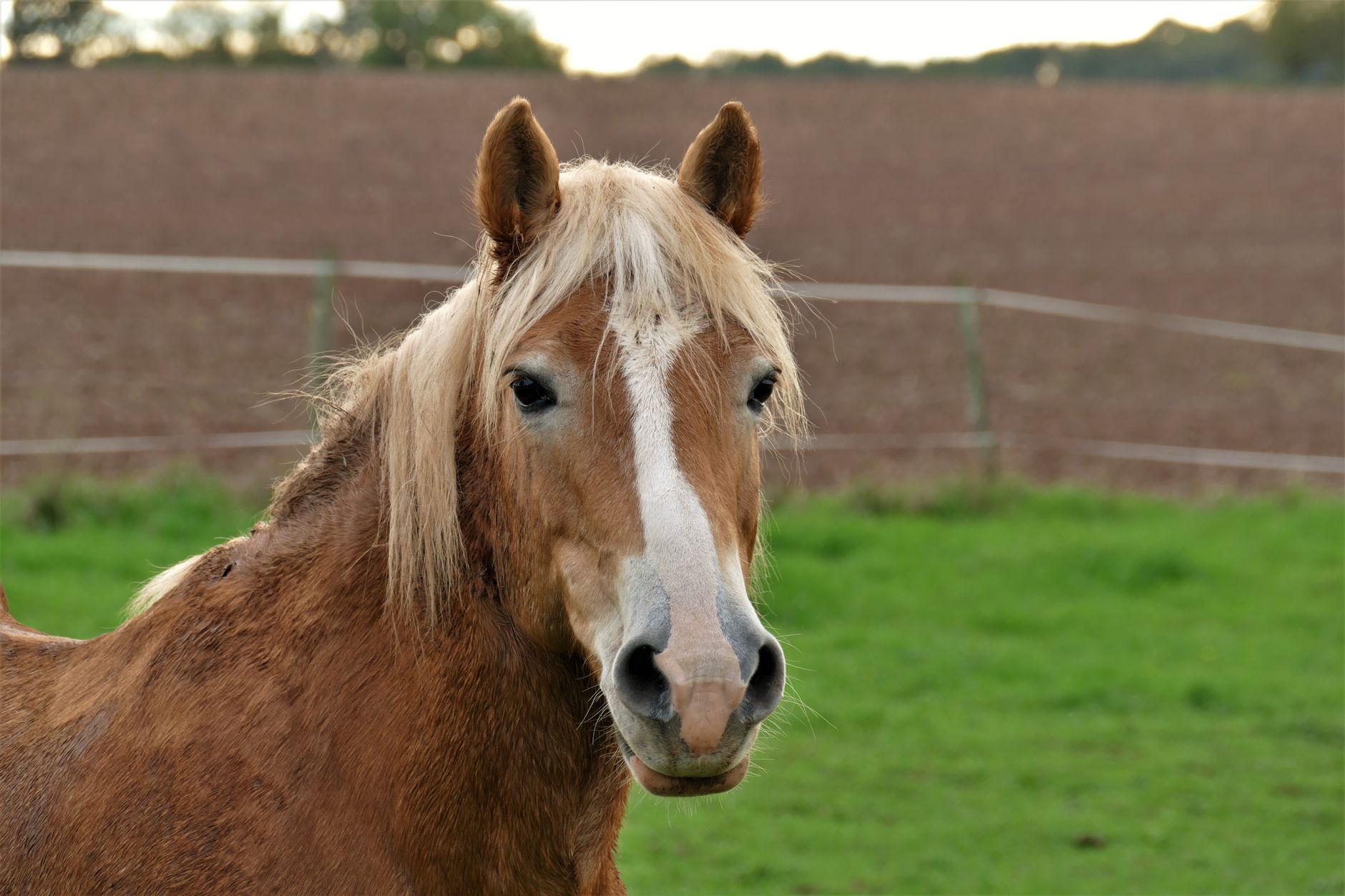
The symmetric dimethylarginine (SDMA) test is a sensitive marker for early kidney disease in horses, offering veterinarians an opportunity to intervene before clinical signs become apparent. However, the interpretation of SDMA levels can vary based on factors such as age and breed. Understanding these variations is crucial for accurate diagnosis and timely intervention.
Published veterinary research has shown that while no horse breed has a documented direct renal predisposition, certain management practices and workload intensities may influence kidney function tests like SDMA. For instance, horses engaged in intense exercise are at risk of exertional rhabdomyolysis, which can lead to myoglobinuria and secondary acute kidney injury (AKI). This condition is more commonly observed in breeds such as Quarter Horses, Thoroughbreds, and Standardbreds due to their genetic predisposition to muscle disorders like polysaccharide storage myopathy (PSSM) or hyperkalemic periodic paralysis (HYPP).
Age plays a significant role in SDMA levels. As horses age, renal function naturally declines, leading to an increased likelihood of elevated SDMA values. According to routine laboratory analysis, older horses (>15 years) are more prone to developing chronic kidney disease (CKD), which can be detected early through regular monitoring of SDMA levels. In these cases, a normal SDMA range for adult horses is the interval reported by the laboratory; values outside the reference interval indicate potential renal impairment and warrant further investigation; outside the reference interval are critical and require immediate veterinary attention.
- The veterinarian recommended reducing workload and implementing dietary modifications to manage the condition effectively.
- Immediate hydration and rest were advised.
Frequently Asked Questions
What does an elevated SDMA level indicate in horses?
Elevated symmetric dimethylarginine (SDMA) levels above the reference interval can suggest early kidney disease or impaired renal function in horses, as per standard veterinary practice. This biomarker is more sensitive than creatinine for detecting early-stage chronic kidney disease.
How often should SDMA be rechecked if it’s elevated?
If an initial blood test shows an elevated SDMA level, current clinical consensus suggests that a follow-up test should be conducted in 2-4 weeks to monitor any changes. This helps assess the progression or stabilization of kidney function.
Can diet modifications help manage high SDMA levels?
Dietary adjustments can play a role in managing horses with elevated SDMA levels by reducing protein intake and ensuring adequate hydration, which may support renal health. Consultation with an equine nutritionist is recommended to tailor the diet specifically for your horse’s needs.
What medications might be prescribed for high SDMA?
In horses with chronic kidney disease indicated by elevated SDMA levels, medications such as ACE inhibitors (e.g., telmisartan) may be considered to manage blood pressure and reduce proteinuria. These drugs are used under veterinary supervision to monitor their efficacy and safety.
Are there breed-specific risks for high SDMA in horses?
No horse breed has documented direct renal predisposition. Muscle-driven myoglobinuria from rhabdomyolysis (Quarter Horse, Thoroughbred) can secondarily affect kidney tubules but is not a breed predisposition to kidney disease.
What are the signs of acute kidney injury in horses?
Sudden increases in SDMA or creatinine levels may indicate acute kidney injury. Other clinical signs include lethargy, poor appetite, and increased water consumption. Immediate veterinary care is essential for proper diagnosis and treatment.
How does dehydration affect SDMA readings?
Dehydration can cause a temporary increase in blood urea nitrogen (BUN) levels but has less impact on SDMA compared to creatinine. However, severe dehydration may still influence kidney function tests, necessitating retesting after hydration.
Can exercise exacerbate high SDMA levels?
Intense or prolonged exercise can lead to muscle damage and increased myoglobin release in horses prone to rhabdomyolysis (e.g., Quarter Horses). This may transiently elevate kidney biomarkers like SDMA, highlighting the importance of monitoring these horses closely.
What lifestyle changes might help lower SDMA?
Lifestyle modifications such as reducing stress and providing a consistent exercise routine can support overall health in horses with elevated SDMA. Ensuring adequate rest periods between workouts is crucial to prevent muscle damage that could affect kidney function.
How does age factor into high SDMA levels?
Elderly horses are more susceptible to chronic conditions like kidney disease, which may manifest as elevated SDMA levels. Regular veterinary check-ups and blood tests can help monitor renal health in senior horses.
Reference intervals — chemistry
Values below come from the horse chemistry reference panel; each figure links to the source it was taken from.
| Parameter | Reference interval (horse) |
|---|---|
| BUN | 10-22 mg/dL |
| Creatinine | 0.8-1.5 mg/dL |
Sources & Further Reading
This article draws on the following authoritative veterinary references. For your pet’s individual case, consult a licensed veterinarian.
- Merck Veterinary Manual — comprehensive clinical reference for veterinary practice
- IRIS Kidney Guidelines — International Renal Interest Society — kidney staging and management
- ACVIM Consensus Statements — American College of Veterinary Internal Medicine