Ketosis in Transition Cows — Bloodwork and Prevention
Ketosis in Transition Cows — Bloodwork and Prevention
Wondering what a full interpretation looks like? See a sample report →
Why Should Pet Owners Care About Ketosis in Transition Cows?

Ketosis is a metabolic disorder that primarily affects dairy cows during the transition period, which spans from three weeks pre-calving to six weeks post-partum. This critical phase is when cows are most vulnerable due to the physiological stress of calving and increased milk production demands. Recognizing ketosis early is crucial because it can lead to severe complications such as reduced fertility, decreased milk yield, and even death if left untreated. According to published veterinary research, elevated levels of beta-hydroxybutyrate (BHB) in blood are a key indicator of ketosis, with normal BHB levels below the reference interval; levels within the reference interval suggest the cow is experiencing subclinical ketosis, while values above the reference interval indicate clinical ketosis requiring immediate intervention.
For pet owners who manage dairy herds or are involved in cattle care, understanding ketosis and its early signs can significantly improve herd health and productivity. Early detection allows for timely nutritional adjustments and medical interventions that prevent the progression to more severe conditions. For instance, a cow with elevated BHB levels but still within the subclinical range (the interval reported by the laboratory) may benefit from dietary changes such as increased glucose precursors like propylene glycol or yeast cultures, which can help stabilize blood sugar and reduce ketone production.
- Glucose: Normal levels are 57-79 mg/dL; elevated (outside the reference interval) may indicate stress or other metabolic issues unrelated to ketosis but should be monitored closely alongside BHB levels.
- Beta-Hydroxybutyrate (BHB): Normal range is outside the reference interval; action threshold is the interval reported by the laboratory, indicating subclinical ketosis; critical level (outside the reference interval) requires immediate veterinary attention.
In addition to monitoring BHB and glucose levels, pet owners should also be vigilant for clinical signs of ketosis such as reduced appetite, decreased milk production, lethargy, and abnormal behavior like walking with a stiff gait or lying down excessively. These symptoms often precede significant changes in bloodwork parameters, making them valuable indicators for early intervention. By promptly addressing ketosis through dietary modifications and veterinary care, pet owners can help prevent the onset of more serious health issues that could impact both individual cow welfare and overall herd productivity.
What Is Ketosis in Dairy Cattle?
Ketosis is a metabolic disorder that commonly affects dairy cows, particularly during the transition period around calving. It occurs when the cow’s body shifts from using glucose as its primary energy source to relying on fat metabolism due to reduced feed intake and increased milk production demands. This shift leads to an accumulation of ketone bodies in the blood, primarily beta-hydroxybutyrate (BHB), which can be detected through blood tests.
The physiological basis for ketosis involves a mismatch between energy supply and demand. Postpartum dairy cows experience significant metabolic changes as they transition from pregnancy to lactation. During this period, the cow’s body undergoes rapid mobilization of fat reserves to meet the high energy requirements of milk production. If dietary intake is insufficient to cover these demands, the liver begins to break down fatty acids into ketone bodies for energy use. Elevated levels of BHB in the blood indicate that the cow’s metabolism has shifted towards a state of ketosis.
- Glucose: normal range 57-79 mg/dL; outside the reference interval indicates hyperglycemia and may require monitoring; outside the reference interval is critical, suggesting diabetes or severe stress.
- Beta-Hydroxybutyrate (BHB): normal range outside the reference interval; the interval reported by the laboratory indicates ketosis and requires intervention; outside the reference interval is critical, indicating severe metabolic imbalance.
early detection of ketosis through bloodwork can significantly improve outcomes for affected cows. Regular monitoring of BHB levels during the transition period allows veterinarians to identify and treat ketosis before it progresses to more serious conditions such as fatty liver syndrome, which is another common metabolic disorder in dairy cattle.
Laboratory Reference Ranges for Ketosis Detection

Accurate detection of ketosis in transition cows relies heavily on bloodwork analysis, particularly focusing on glucose and beta-hydroxybutyrate (BHB) levels. Ketosis, a metabolic disorder common in high-producing dairy cattle during the periparturient period, can be effectively monitored using these parameters to prevent severe complications such as fatty liver syndrome.
Maintaining vigilant monitoring of blood glucose and BHB is crucial for early intervention. Normal glucose levels should range between 57-79 mg/dL; values exceeding the reference interval indicate an elevated risk, while readings above the reference interval are critical and require immediate medical attention. Similarly, BHB levels below the reference interval are considered normal, with elevations within the reference interval indicating a need for intervention, and values over the reference interval being critical.
Other relevant parameters to monitor include liver enzymes such as GOT (glutamic oxaloacetic transaminase) and GGT (gamma-glutamyl transferase), which can indicate fatty liver syndrome or other metabolic disturbances. Elevated levels of these enzymes often correlate with increased BHB, suggesting a need for dietary adjustments and possibly the use of medications like propylene glycol to mitigate ketosis.
| Parameter | Normal Range (mmol/L) |
|---|---|
| Glucose | 3.9–6.1 |
| Beta-Hydroxybutyrate (BHB) | Below the reference interval |
| GOT (AST) | Below the reference interval |
| GGT | Below the reference interval |
| Bilirubin (Total) | Below the reference interval |
| Albumin | 3.3-4.3 g/dL |
| Cholesterol | 163-397 mg/dL |
See the full reference intervals for cattle — every value cited to the laboratory document or paper it came from.
The table above provides a comprehensive overview of the reference ranges for key parameters used in diagnosing ketosis and related metabolic disorders in dairy cows. Regular monitoring of these values can help prevent severe health issues associated with post-partum metabolic stress.
Causes of Ketosis vs. Other Metabolic Disorders
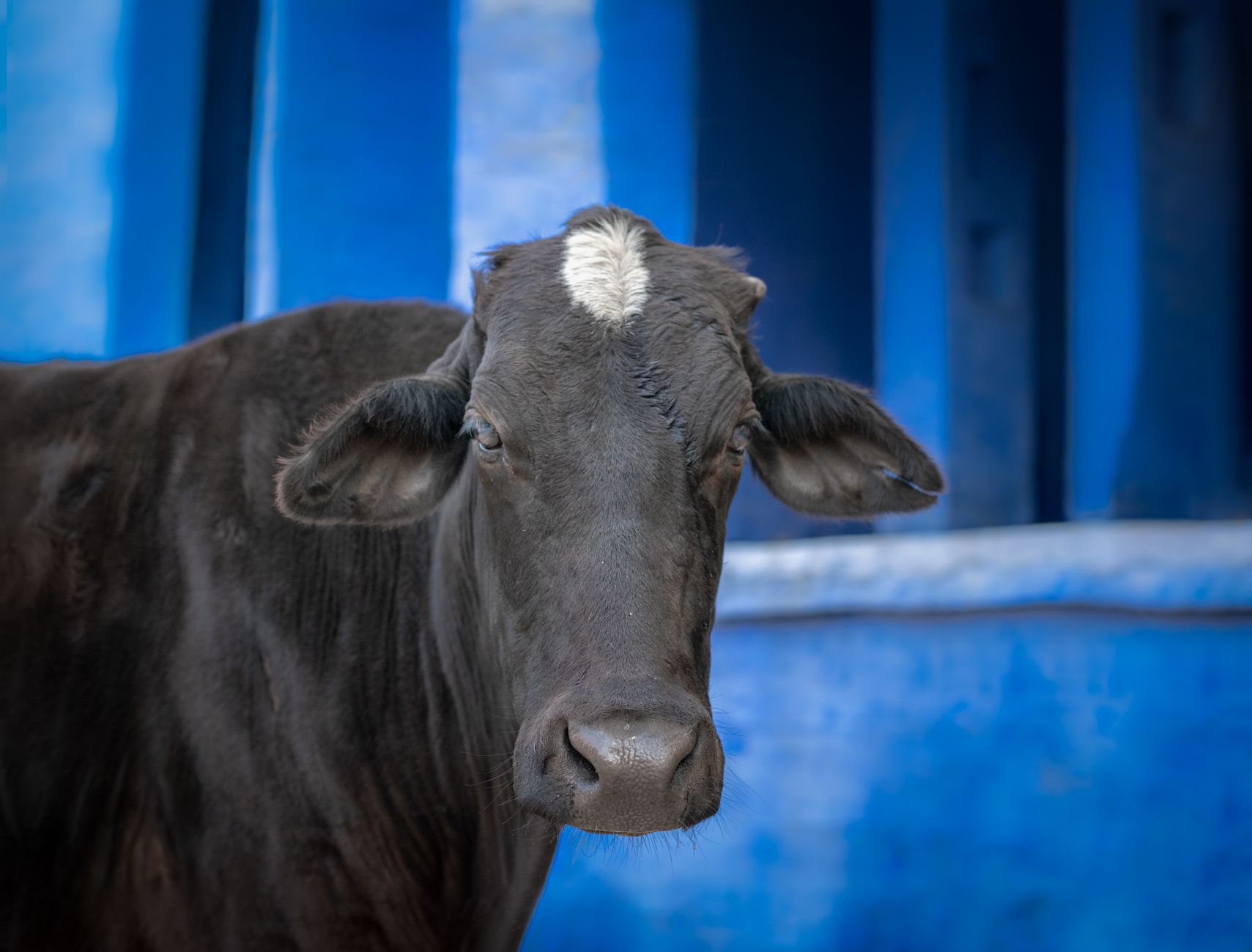
Ketosis, a common metabolic disorder in dairy cows, is often confused with fatty liver disease and other conditions due to overlapping clinical signs and laboratory findings. Understanding the differential diagnosis between these disorders is crucial for timely intervention and management.
- Fatty Liver Disease: Characterized by elevated liver enzymes such as AST (aspartate aminotransferase) and GGT (gamma-glutamyl transferase), fatty liver disease in dairy cows can mimic ketosis. However, while both conditions involve metabolic stress post-partum, fatty liver is primarily associated with hepatic lipid accumulation rather than systemic ketone production.
- Other Metabolic Disorders: Conditions like hypocalcemia (milk fever) and displaced abomasum also present challenges in differential diagnosis due to their similar clinical presentations. Hypocalcemia typically manifests as low blood calcium levels (outside the reference interval), whereas displaced abomasum may show signs of abdominal pain and altered gut motility without metabolic derangements.
Diagnostic differentiation relies heavily on specific laboratory parameters. For instance, Beta-Hydroxybutyrate (BHB) levels are critical in diagnosing ketosis; elevated BHB (outside the reference interval) indicates significant ketone production. In contrast, fatty liver disease is more accurately assessed through liver enzyme activity and bilirubin levels.
| Parameter | Normal Range (mmol/L) |
|---|---|
| Glucose | 57-79 mg/dL |
| BHB (Beta-Hydroxybutyrate) | Below the reference interval |
| AST (Aspartate Aminotransferase) | 54-135 U/L |
| GGT (Gamma-Glutamyl Transferase) | 17-54 U/L |
| Bilirubin | Below the reference interval |
| Calcium (Ca) | 8.9-10.9 mg/dL |
| Phosphorus (P) | 4.1-7.3 mg/dL |
A combination of clinical signs and laboratory tests is essential for accurate diagnosis. For example, elevated BHB levels coupled with low glucose (outside the reference interval) strongly suggest ketosis rather than fatty liver disease.
How Does Ketosis Compare to Related Blood Parameters?

Ketosis is a metabolic disorder commonly observed in transition cows, characterized by elevated levels of ketone bodies such as beta-hydroxybutyrate (BHB). Understanding the relationship between BHB and other blood parameters like glucose, liver enzymes, and kidney markers is crucial for accurate diagnosis and management. Monitoring these parameters can provide insights into the overall metabolic status of affected animals.
Glucose levels in cows with ketosis are often elevated, but not critically high. Normal glucose range is 57-79 mg/dL; values outside the reference interval indicate hyperglycemia, and outside the reference interval suggest diabetes mellitus or severe stress. Elevated BHB levels (normal outside the reference interval; elevated the interval reported by the laboratory; critical outside the reference interval) are a hallmark of ketosis, indicating an increased reliance on fat metabolism for energy production.
- Glucose: Elevated glucose levels can be misleading in the context of ketosis, as they may not reflect true hyperglycemia but rather insulin resistance or stress. It is important to differentiate between these conditions using additional diagnostic tests such as insulin and cortisol levels.
- BHB: The presence of elevated BHB confirms ketosis, indicating a shift towards fat metabolism due to inadequate glucose availability for energy needs post-partum.
In addition to glucose and BHB, liver enzymes like alanine transaminase (ALT) and aspartate transaminase (AST) are also critical indicators of metabolic health in transition cows. Elevated ALT and AST levels suggest hepatocellular damage or dysfunction, which can be a consequence of fatty liver syndrome often associated w