Why Is Low Bilirubin in Cats Important?
When a cat’s bilirubin levels are consistently below normal, it usually suggests that there is no significant hemolysis (destruction of red blood cells), liver dysfunction, or blockage in the bile ducts. This can be reassuring as elevated bilirubin often points to issues such as anemia, liver disease, or gallbladder problems. However, low levels alone do not provide enough information about overall health and may require further investigation if other symptoms are present.
For instance, if a cat shows signs of lethargy, poor appetite, or jaundice alongside low bilirubin, it could indicate that the liver is struggling to process waste products effectively. In such cases, your veterinarian might recommend additional tests like blood work for liver enzymes (ALT, ALP), bile acid testing, or imaging studies to get a clearer picture of what’s happening inside the body.
It’s crucial to consider low bilirubin levels in conjunction with other clinical signs and laboratory findings. For example, if a cat exhibits persistent vomiting, weight loss, and abdominal pain along with consistently low bilirubin readings, these symptoms might suggest an underlying issue that isn’t directly related to liver function or hemolysis but could still be indicative of systemic illness.
Moreover, while low bilirubin can indicate normal liver function, it is essential to remember that certain conditions may not elevate bilirubin levels even when present. For instance, chronic kidney disease might not cause significant changes in bilirubin levels despite affecting overall health and well-being. Therefore, a comprehensive approach involving multiple diagnostic tests is often necessary to ensure accurate diagnosis.
In summary, while low bilirubin levels are generally considered normal and can be reassuring regarding liver function, they should always be interpreted within the broader context of a cat’s clinical presentation and other laboratory results. This holistic evaluation helps in identifying potential health issues that might otherwise go unnoticed.
What Is Bilirubin?
Bilirubin is a yellow-orange pigment that forms when red blood cells break down. It plays a crucial role in the body’s process of recycling old or damaged red blood cells, which are then converted into bilirubin by the liver. This substance is further processed and excreted from the body through bile, which helps to eliminate waste products.
In cats, bilirubin production begins as part of a natural cycle where hemoglobin from aged red blood cells is broken down in the spleen and bone marrow into heme groups. These heme groups are then converted into unconjugated (indirect) bilirubin by enzymes in the liver. The liver further processes this bilirubin into conjugated (direct) bilirubin, which can be excreted through bile into the intestines and eventually eliminated from the body.
The process of bilirubin formation and excretion is tightly regulated to maintain homeostasis in the body. Elevated levels of unconjugated bilirubin may indicate issues with red blood cell breakdown or liver function, while elevated conjugated bilirubin can suggest problems with bile flow or liver disease. Understanding these processes helps veterinarians interpret blood test results when assessing a cat’s liver function or overall health.
Low levels of bilirubin typically do not indicate any specific clinical significance on their own but can be part of a broader picture that includes other laboratory values to determine the underlying cause. For example, low bilirubin might occur alongside normal liver enzyme levels and suggest no significant liver pathology is present. However, it could also coexist with abnormal results in other tests such as complete blood count (CBC) or urinalysis, indicating a need for further investigation.
When evaluating a cat’s health through laboratory testing, veterinarians look at multiple markers to get a comprehensive view of the animal’s condition. Bilirubin levels are just one piece of this puzzle and must be interpreted alongside other clinical signs and test results. This holistic approach ensures that any potential issues with red blood cell turnover or liver function can be identified early and managed appropriately.
Laboratory Reference Ranges for Bilirubin in Cats

The total bilirubin level is a critical marker used to assess liver function and identify potential issues related to hemolysis or bile flow. In cats, the normal reference range for total bilirubin is 0-0.1 mg/dL. This value serves as a baseline against which any deviations can be evaluated.
When interpreting your cat’s test results, it’s important to understand that low levels of bilirubin are generally not clinically significant and do not indicate specific health issues in cats. However, consistently high or fluctuating levels may warrant further investigation by your veterinarian to determine the underlying cause. For instance, if a cat has persistently elevated total bilirubin levels alongside other liver enzymes like ALT (alanine aminotransferase), ALP (alkaline phosphatase), and GGT (gamma-glutamyl transferase), it could suggest hepatocellular damage or cholestasis.
It is crucial to consider additional liver function tests such as ALT, ALP, and GGT when evaluating total bilirubin levels. These enzymes can provide more detailed information about the specific aspects of liver health that may be affected. For example, an elevated ALT level typically indicates hepatocellular injury or inflammation, while increased ALP is often associated with bile duct obstruction or bone disease. Similarly, a rising GGT level might indicate cholestasis or hepatic neoplasia.
Understanding the context of these markers in relation to each other and your cat’s overall health history can help provide a clearer picture of liver function. For instance, if ALT levels are markedly elevated while ALP remains within normal limits, it may suggest acute hepatocellular damage rather than bile duct obstruction or bone disease.
| Marker | Normal Range |
|---|---|
| Total Bilirubin | 0-0.1 mg/dL |
| ALT (Alanine Aminotransferase) | 28-109 U/L |
| ALP (Alkaline Phosphatase) | 11-49 U/L |
| GGT (Gamma-Glutamyl Transferase) | 0-2 U/L |
What Causes Low Bilirubin Levels?
Low bilirubin levels in cats are generally not a cause for concern, as they do not typically indicate any specific disease or condition. However, understanding the underlying reasons can help clarify why your cat’s test results might be lower than expected.
Bilirubin is primarily produced from the breakdown of red blood cells (RBCs) in the spleen and liver. When bilirubin levels are low, it could suggest that there isn’t much hemolysis or destruction of RBCs occurring. This can be normal if your cat’s red blood cell turnover is stable and healthy. However, certain medical conditions might also lead to lower than expected bilirubin levels.
The most common reason for a low bilirubin reading is simply reduced bilirubin production. Because the majority of bilirubin comes from the normal breakdown of red blood cells, a healthy, stable rate of red blood cell turnover generates only small amounts of bilirubin and produces low-normal serum concentrations. This is a benign finding rather than a sign of disease. It is worth noting that true liver dysfunction and bile duct obstruction typically raise bilirubin rather than lower it, so a low result actually argues against these problems.
Another factor could be genetic variations affecting how your cat’s body handles bilirubin. Some cats may naturally have lower bilirubin levels without any underlying health issues, which is often benign and does not require intervention. Additionally, certain medications or dietary factors can influence bilirubin metabolism, leading to decreased levels in the blood. For instance, drugs that inhibit enzymes involved in bilirubin production or excretion might cause a reduction in serum bilirubin.
It is also important to consider other systemic conditions that could indirectly affect liver function and thus bilirubin processing. Chronic kidney disease, for example, can have secondary effects on the liver’s ability to manage bilirubin effectively. Furthermore, certain metabolic disorders or hormonal imbalances might influence how efficiently the body processes this compound.
Understanding these various factors is crucial in interpreting low bilirubin levels accurately and ensuring that any necessary diagnostic steps are taken based on a comprehensive evaluation of your cat’s overall health status.
| Cause | Mechanism |
|---|---|
| Low red blood cell turnover | Less hemoglobin breakdown means less bilirubin is produced. |
| Genetic Factors | Natural variation in bilirubin metabolism. |
| Medications/Dietary Factors | Influence on bilirubin production and excretion. |
How Does Low Bilirubin Compare to Other Parameters?
When interpreting a low total bilirubin level in cats, it’s important to consider how this result aligns with other liver and kidney markers. Since low bilirubin itself has no clinical significance, the focus shifts to related parameters that can provide more insight into your cat’s health status. Bilirubin is typically not a primary indicator of liver function; instead, it serves as an indirect marker for hemolysis or hepatic excretion issues.
In conjunction with liver enzymes like ALT (alanine aminotransferase) and ALP (alkaline phosphatase), which are 28-109 U/L and 11-49 U/L, respectively, low bilirubin may suggest that there is no significant hepatic dysfunction or hemolysis. However, if these liver enzymes are elevated while bilirubin remains within the reference range, it could indicate a condition like cholestasis or hepatocellular damage. For instance, an ALT level significantly above its reference interval might point to active liver cell injury, whereas ALP elevation can suggest bile duct obstruction or bone disease.
Additionally, kidney markers such as BUN (blood urea nitrogen) and creatinine should be evaluated alongside bilirubin to assess overall organ function. A normal BUN is 17-35 mg/dL, while the reference range for creatinine in cats is 0.8-2.1 mg/dL. If these values are within their respective ranges, it suggests that kidney function is likely intact. However, if BUN and/or creatinine levels are elevated, this could indicate renal impairment or dehydration.
It’s also crucial to consider the context of other clinical signs and symptoms when evaluating low bilirubin levels. For example, if a cat exhibits lethargy, poor appetite, and weight loss alongside normal liver enzymes but low bilirubin, it might suggest an underlying condition that does not directly affect liver function or hemolysis.
Furthermore, the interpretation of these markers should be done in conjunction with clinical signs and other diagnostic tests. For instance, imaging studies like abdominal ultrasound can help identify structural abnormalities such as bile duct obstruction or hepatic masses that may explain elevated liver enzymes without corresponding changes in bilirubin levels.
| Marker | What it Adds | When Preferred |
|---|---|---|
| ALT (alanine aminotransferase) | Indicates hepatocellular damage or inflammation. | When liver enzymes are elevated and bilirubin is normal. |
| ALP (alkaline phosphatase) | Reflects cholestasis or bone disease, but can also be elevated in liver conditions. | When assessing for biliary obstruction or metabolic bone disease. |
| BUN (blood urea nitrogen) | Assesses kidney function and protein metabolism. | When evaluating for dehydration, renal insufficiency, or high-protein diet effects. |
| Creatinine | Directly measures kidney filtration capacity. | When confirming BUN results or assessing for chronic kidney disease (CKD). |
| Total Bilirubin | Indicates hemolysis, liver dysfunction, or cholestasis. | When evaluating for jaundice or anemia-related conditions. |
How Should Low Bilirubin Be Interpreted?
When a cat’s total bilirubin levels are below the reference range, it generally does not indicate any specific clinical condition. Total bilirubin is typically used to assess liver function and detect hemolysis or cholestasis, but low levels do not provide actionable information about these processes. In most cases, a low bilirubin level simply means that there are no signs of significant liver dysfunction, excessive red blood cell destruction, or bile flow obstruction.
However, it’s important to consider the context in which this result is found. If other liver function tests such as ALT (alanine transaminase) and ALP (alkaline phosphatase) are also within normal limits, then low bilirubin levels can be reassuring. Conversely, if there are clinical signs suggesting liver disease or hemolysis but the bilirubin is low, further investigation may still be warranted to rule out other causes of these symptoms.
For instance, if a cat shows jaundice (yellowing of the skin and eyes) but has normal bilirubin levels, it could indicate that another factor is contributing to the clinical signs. In such cases, additional tests like bile acid testing or imaging studies might be necessary to identify the underlying issue. Bilirubin metabolism involves multiple pathways in the liver, so a low level does not necessarily mean there is no pathology; rather, it suggests that bilirubin production and excretion are within normal limits.
It’s also crucial to note that while low bilirubin levels may be considered normal, they should always be interpreted alongside other clinical findings. For example, if a cat exhibits lethargy, poor appetite, or vomiting but has low bilirubin levels, these symptoms could still point towards liver disease or another systemic condition. In such scenarios, it is advisable to conduct further diagnostic tests to ensure that the cat’s overall health status is accurately assessed.
| Finding | What it may suggest | Suggested next step |
|---|---|---|
| Below the reference range | No specific clinical significance; may indicate normal liver function and lack of hemolysis or cholestasis. | Monitor other liver enzymes (ALT, ALP) for consistency. If no signs of illness, no further action is typically needed. |
| Normal range | Consistent with normal liver function and absence of hemolysis or cholestasis. | Continue routine monitoring as part of regular check-ups. No specific action required unless other clinical signs develop. |
| Clinical context with low bilirubin and jaundice | Suggests another cause for jaundice, such as bile duct obstruction or other liver pathology. | Consider additional diagnostic tests like bile acid testing, ultrasound imaging, and further blood work to identify the underlying issue. |
Are There Breed or Age Differences in Bilirubin Levels?
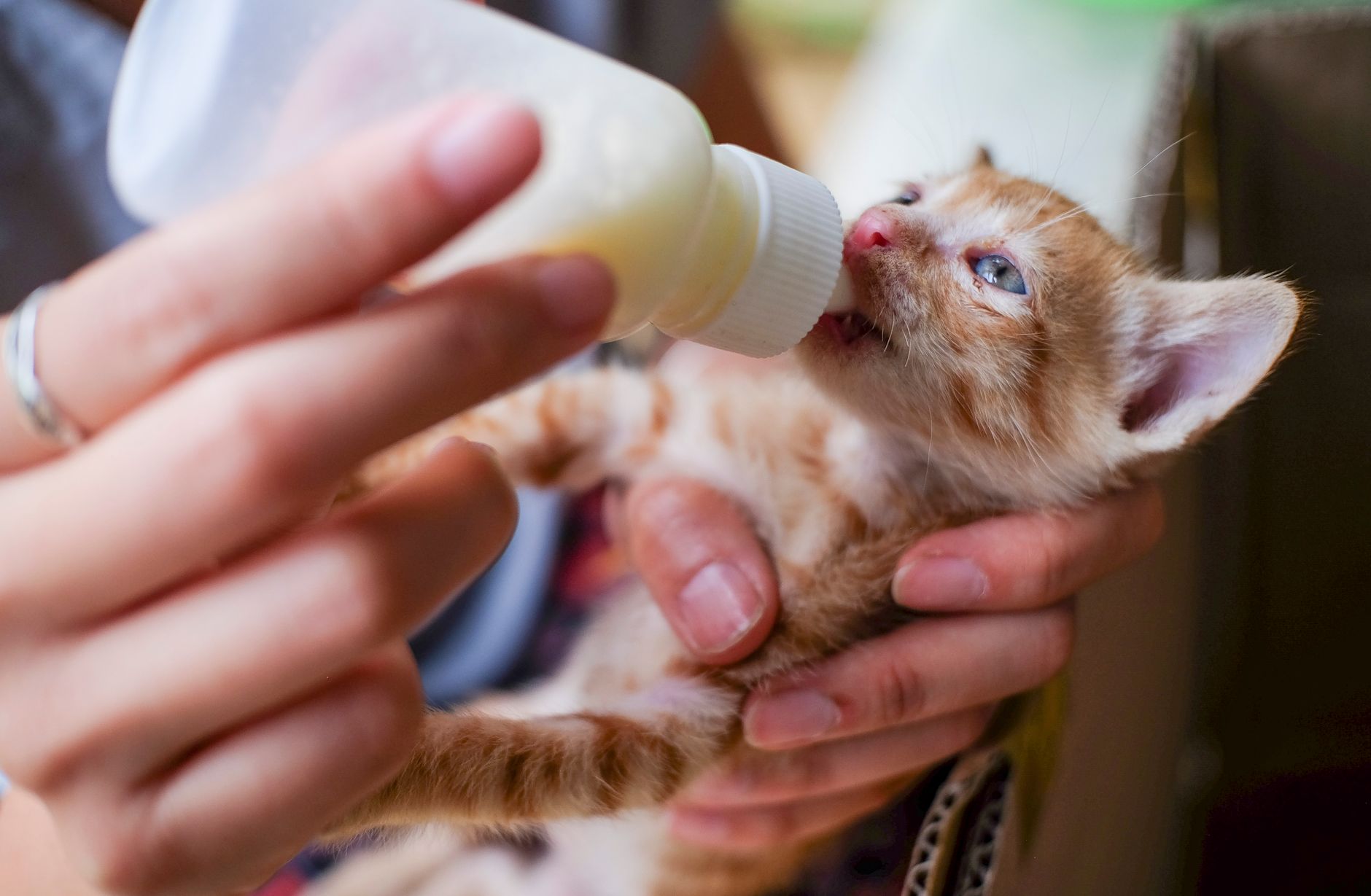
When evaluating bilirubin levels in kittens, it’s important to understand whether certain breeds or age groups are more likely to show variations from the normal reference range. However, for total bilirubin in cats, there is no strong evidence of breed-specific tendencies that would consistently influence these values. Bilirubin levels tend to be similar across different cat breeds when they are healthy. This consistency suggests that any observed deviations should be evaluated based on other clinical factors rather than the cat’s breed.
Age-related changes can also play a role in interpreting bilirubin results. In younger cats, particularly kittens under 6 months of age, the liver and other organs may still be developing, which could potentially lead to slightly lower or more variable bilirubin levels compared to adult cats. These variations are generally minor and do not significantly impact clinical interpretation. For example, a kitten might have a total bilirubin level that is at the lower end of the reference range due to its immature liver function.
Older cats might experience changes in their liver function due to age-related conditions such as hepatic lipidosis or chronic inflammation, but these typically manifest as elevated bilirubin rather than consistently low values. Therefore, low bilirubin levels in older cats are generally not attributed to aging alone and should be evaluated alongside other clinical signs and laboratory findings. For instance, if an older cat presents with jaundice and a markedly elevated total bilirubin level, it would suggest liver dysfunction rather than age-related changes.
What Is the Treatment Approach for Low Bilirubin?
Bilirubin, a byproduct of hemoglobin breakdown, does not typically require treatment when levels are low in cats. Low bilirubin usually indicates no specific disease and rarely causes clinical symptoms.
If other liver function tests like ALT (alanine transaminase) or ALP (alkaline phosphatase) show abnormalities alongside consistently low bilirubin, further investigation is advisable to rule out underlying issues. The veterinarian may recommend additional diagnostic testing such as an ultrasound or a detailed blood panel.
Monitoring strategies involve regular follow-up visits with your vet to track any changes in other lab values and ensure the cat remains healthy. If liver enzyme levels remain within normal limits and no signs of illness are present, routine check-ups suffice.
If during these visits, an increase is noted in enzymes like GGT (gamma-glutamyl transferase) or AST (aspartate transaminase), further investigation may be necessary to address potential ongoing liver issues. For more information on when to retest after abnormal AST levels, see this guide.
Lifestyle factors such as diet can influence bilirubin levels. Ensuring the cat receives a balanced diet rich in essential nutrients supports overall health. Your veterinarian might recommend dietary changes or supplements if there are concerns about low bilirubin levels.
While low bilirubin itself does not typically require treatment, any underlying conditions identified through further testing should be addressed according to your vet’s recommendations. This may include medications for liver disease management or dietary adjustments aimed at supporting liver health.
In summary, routine monitoring and follow-up care are key when a cat has consistently low bilirubin levels without other clinical signs of illness. Any changes in lab results or new symptoms should prompt further evaluation to ensure the best possible outcome for your pet’s health.
Summary of Key Points on Low Bilirubin in Cats
Low bilirubin levels in cats do not typically indicate a specific health issue. Unlike elevated bilirubin, which can signal liver dysfunction or hemolysis, low readings are generally considered normal and do not require immediate concern. However, it’s important to consider the context of other lab results and clinical signs when interpreting these values. Bilirubin is primarily produced from the breakdown of red blood cells (RBCs), and its levels can be influenced by various factors including liver function, RBC lifespan, and excretion pathways.
When evaluating a cat with low bilirubin levels, veterinarians often look at additional markers such as liver enzymes (ALT, ALP) and bile acids to get a more comprehensive picture of liver health. These tests can help identify any underlying issues that might not be apparent from the bilirubin alone. For instance, if ALT is within the 28-109 U/L reference range but ALP is elevated above the reference range, it may suggest cholestatic disease rather than hepatocellular damage.
It’s also crucial to monitor other parameters like complete blood count (CBC), which can reveal anemia or other hematological abnormalities that could indirectly affect bilirubin levels. Anemia, for example, might result from chronic gastrointestinal bleeding or bone marrow disorders and would be reflected in a low hemoglobin level on the CBC report. If a cat shows signs of illness alongside low bilirubin, further diagnostic steps may be necessary to rule out conditions such as malnutrition or chronic gastrointestinal disorders.
Additionally, veterinarians should consider the clinical context when interpreting low bilirubin levels. For example, if a cat is experiencing weight loss and poor appetite along with low bilirubin, it might indicate an underlying metabolic disorder that requires further investigation. In such cases, additional tests like serum albumin, thyroid hormone levels (T4), and urinalysis can provide more clues about the cat’s overall health status.
Frequently Asked Questions
Is there any health concern associated with low bilirubin in cats?
There are usually no health concerns specifically linked to low bilirubin levels in cats since they fall within the normal range without indicating any particular condition.
How often should I check my cat’s bilirubin if it is consistently low?
If your cat’s bilirubin level remains consistently low but otherwise healthy, routine monitoring by your vet will suffice unless other symptoms develop.
Are there any breeds more prone to having lower bilirubin levels than others?
No strong breed predilection has been documented in cats for this parameter, suggesting all breeds can have similar bilirubin levels.
Could liver issues lead to low bilirubin in cats?
Liver problems typically result in elevated rather than decreased bilirubin levels, making low bilirubin less likely to indicate liver disease.
Should I worry about low bilirubin if my cat shows signs of jaundice?
Jaundice indicates high bilirubin levels, so low bilirubin results do not align with jaundice symptoms and suggest another underlying issue.
Can dehydration affect bilirubin levels in cats?
Dehydration primarily affects blood concentration but does not directly alter bilirubin levels, so it is unlikely to cause low bilirubin.
What additional tests might help understand low bilirubin better?
Additional tests such as complete blood count (CBC) or comprehensive metabolic panel could provide further insight into overall health status beyond just bilirubin levels.
When should I seek veterinary advice regarding low bilirubin?
Seek veterinary advice if you notice unusual symptoms alongside low bilirubin or if you’re concerned about your cat’s general well-being.
How does age factor into interpreting low bilirubin levels?
Age itself does not significantly influence bilirubin levels, meaning that older cats can still maintain normal bilirubin ranges without concern.
Are there any environmental factors that could lower bilirubin?
Environmental factors do not have an established effect on bilirubin levels, suggesting external influences are unlikely to cause low readings.
If my cat’s bilirubin level is always low, what follow-up actions should I take?
Regular check-ups with your veterinarian will ensure ongoing monitoring of your cat’s health, including periodic rechecks of the bilirubin level if necessary.
Sources & Further Reading
This article draws on the following authoritative veterinary references. For your pet’s individual case, consult a licensed veterinarian.
- Merck Veterinary Manual — comprehensive clinical reference for veterinary practice
- AAFP Feline Guidelines — American Association of Feline Practitioners