Low HCT in Ferrets — Chronic Bleeding or Bone Marrow Suppression?
Low HCT in Ferrets — Chronic Bleeding or Bone Marrow Suppression?
Wondering what a full interpretation looks like? See a sample report →
Why Is Low HCT Important for Ferrets?

The hematocrit (HCT) level in ferrets is a critical indicator of their overall health, reflecting both blood volume and red blood cell concentration. A low HCT (outside the reference interval) can signal significant underlying issues that require immediate attention from a veterinarian. Clinically, a low HCT suggests either chronic bleeding or bone marrow suppression, conditions that can severely impact the animal’s quality of life if left untreated.
Persistent low HCT levels in ferrets are often associated with anemia, which can be regenerative (responsive to treatment) or non-regenerative (indicative of more severe underlying disease). Regenerative anemia is commonly linked to conditions such as chronic blood loss from gastrointestinal ulcers or external injuries. Non-regenerative anemia, on the other hand, may indicate bone marrow suppression due to diseases like Aleutian disease or certain medications that interfere with red blood cell production.
- Chronic bleeding can lead to iron deficiency and further exacerbate anemia, making it crucial for pet owners to monitor their ferret’s stool and urine for signs of blood.
- Bone marrow suppression is a serious condition that requires thorough investigation into potential causes such as infections, toxins, or autoimmune disorders.
Understanding the implications of low HCT levels is essential for early intervention. For instance, if a ferret’s HCT drops below the reference interval, it enters a critical range where immediate medical attention is necessary to prevent life-threatening complications like severe anemia and organ failure. Monitoring changes in HCT over time can also help veterinarians track the progression of underlying diseases and adjust treatment plans accordingly.
What Is Hematocrit (HCT)?
Hematocrit, often abbreviated as HCT, is a laboratory measurement that quantifies the proportion of red blood cells in whole blood. It is expressed as a percentage and provides critical information about the concentration of these cells within the bloodstream. Hematocrit is an essential component of routine blood work for ferrets, offering insights into hydration status, oxygen-carrying capacity, and overall health.
The physiological role of hematocrit in ferrets is multifaceted. It not only reflects the volume of red blood cells but also indicates the animal’s ability to transport oxygen throughout its body. A normal HCT range for ferrets is 33.6-61 %, with values outside this range indicating potential health issues. For instance, an elevated hematocrit (above the reference interval) may suggest dehydration or polycythemia, while a low hematocrit (outside the reference interval) can indicate severe blood loss or bone marrow suppression.
Measuring hematocrit in ferrets is typically done through centrifugation of a small blood sample. This process separates the red blood cells from plasma and serum, allowing for precise quantification. The results are then compared against established reference ranges to determine if further diagnostic steps are necessary. Any HCT below the reference interval should be considered critical and warrant immediate medical attention.
- Normal range: Hematocrit (HCT) for ferrets is typically within the range of 33.6-61 %. This range ensures adequate oxygen delivery to tissues and organs.
- Action threshold: Values above the reference interval indicate potential dehydration or polycythemia, requiring further investigation into underlying causes such as fluid loss or erythropoietin overproduction.
- Critical/emergency threshold: Hematocrit levels below the reference interval are considered critical and necessitate urgent medical intervention to address severe blood loss or bone marrow suppression.
Normal HCT Reference Ranges for Ferrets
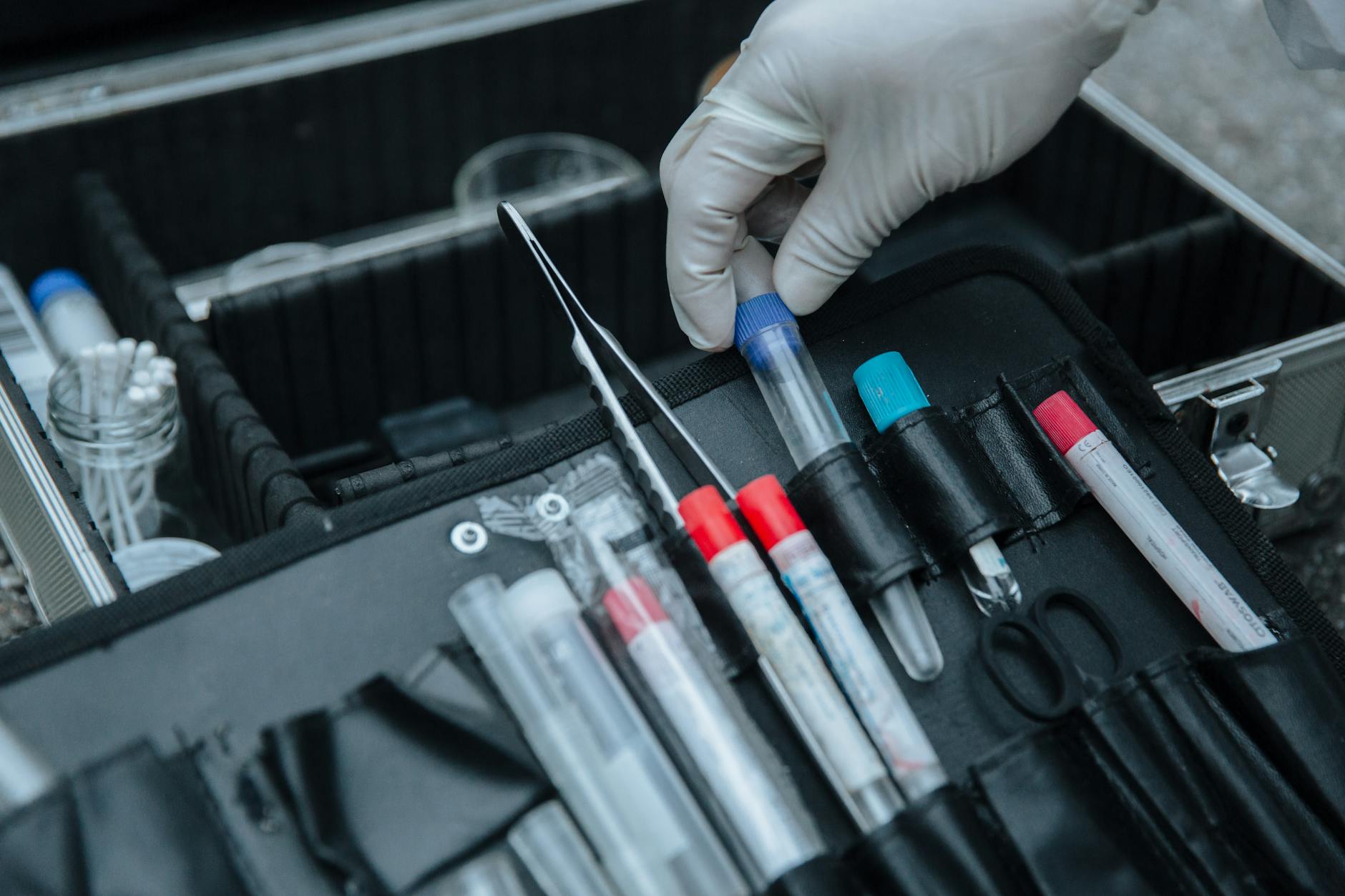
The hematocrit (HCT) is a critical parameter in veterinary medicine, reflecting the percentage of blood volume occupied by red blood cells. For ferrets, understanding the normal range and variations is essential for accurate diagnosis and treatment planning. According to standard veterinary practice, the normal HCT range for adult ferrets is 33.6-61 %. This range can vary slightly based on age and physiological conditions.
Age plays a significant role in hematocrit levels. Neonatal ferrets typically have lower HCT values due to their developing circulatory systems. As they mature, these levels gradually increase until adulthood. Young adult ferrets (6 months to 2 years) may exhibit slightly higher HCT ranges compared to older adults, potentially up to 33.6-61 %, as a result of increased hematopoiesis during growth phases.
It is important to note that coat color in ferrets does not predispose them to any documented blood-parameter abnormality. Clinical patterns are species-level and most often relate to age (insulinoma and adrenal disease are typical in ferrets >3 years). Therefore, when evaluating HCT levels, it is crucial to consider the overall health status of the animal rather than focusing on coat color.
- Normal hematocrit range: 33.6-61 %
- Action threshold (outside the reference interval): Indicates potential polycythemia or dehydration
- Critical/emergency threshold (outside the reference interval): Suggests severe anemia, requiring immediate intervention
These values are based on routine laboratory analysis and help veterinarians make informed decisions regarding patient care.
Reference intervals for the parameters discussed above, as published in the source panel for the ferret:
| Parameter | Reference interval (ferret) |
|---|---|
| HCT | 33.6-61 % |
| Platelets | 264-910 x10^3/uL |
| Reticulocytes | 1-14% |
See the full reference intervals for the ferret — every value cited to the laboratory document or paper it came from.
What Causes Low HCT in Ferrets?

The hematocrit (HCT) is a critical measure of red blood cell concentration, and a low HCT (anemia) can indicate various underlying health issues in ferrets. An HCT below the reference interval is considered abnormal for ferrets, with values less than the reference interval being critically low and potentially life-threatening.
Bone marrow suppression and chronic bleeding are two primary causes of low HCT in ferrets. Bone marrow suppression can be caused by a variety of factors including certain medications, infections (such as Aleutian disease), or exposure to toxins that interfere with the bone marrow’s ability to produce red blood cells. Chronic bleeding, on the other hand, results from continuous loss of red blood cells over time due to conditions like gastrointestinal ulcers, parasites, or neoplasia.
- Bone Marrow Suppression: This condition can be caused by a variety of factors including infections (such as Aleutian disease), certain medications that are toxic to bone marrow, and exposure to environmental toxins. These issues disrupt the normal production of red blood cells in the bone marrow.
- Chronic Bleeding: Chronic bleeding is often due to conditions such as gastrointestinal ulcers or parasites that cause continuous loss of red blood cells over time. This type of anemia can also be a sign of more serious underlying diseases like cancer, which may lead to persistent internal bleeding.
The differential diagnosis between bone marrow suppression and chronic bleeding is crucial for effective treatment. For instance, if the ferret has a history of exposure to known toxins or recent medication changes, bone marrow suppression becomes a likely cause. Conversely, signs such as black tarry stools (indicative of gastrointestinal bleeding) point towards chronic bleeding.
How Does Low HCT Compare to Other Blood Parameters?
The hematocrit (HCT) level in ferrets, which measures the percentage of blood volume occupied by red blood cells, is a critical indicator of overall health. A low HCT (outside the reference interval) can be indicative of various underlying conditions such as chronic bleeding or bone marrow suppression. However, it’s essential to consider other blood parameters alongside HCT for a comprehensive diagnosis.
For instance, hemoglobin (Hb) levels are closely related to HCT and provide additional information about the oxygen-carrying capacity of red blood cells. Normal hemoglobin levels in ferrets range from 11.9-18.5 g/dL. A low Hb level (outside the reference interval) often correlates with a low HCT, suggesting anemia or other hematological disorders.
Platelet counts are another crucial parameter to evaluate alongside HCT and Hb. Platelets play a vital role in blood clotting, and their levels can indicate the risk of bleeding complications. Platelet counts below the reference interval may be associated with increased bleeding risks, especially if accompanied by low HCT.
Reticulocytes, immature red blood cells, are also important in assessing bone marrow function and regenerative capacity. Elevated reticulocyte counts (outside the reference interval) can suggest an active response to anemia or chronic blood loss, indicating the body’s attempt to compensate for reduced red blood cell production.
| Parameter | Normal Range (Ferret) |
|---|---|
| Hematocrit (HCT) | 33.6-61 % |
| Hemoglobin (Hb) | 11.9-18.5 g/dL |
| Platelets | 264-910 x10^3/uL |
| Reticulocytes | Below the reference interval |
When evaluating a ferret with low HCT, it is crucial to consider these parameters collectively. For example, if the HCT and Hb are both low but platelet counts are normal, this may suggest chronic blood loss rather than bone marrow suppression. Conversely, if reticulocyte levels are elevated alongside low HCT and Hb, it could indicate an active response to anemia or ongoing bleeding.
Understanding these relationships helps in formulating a more accurate diagnosis and appropriate treatment plan for ferrets with hematological abnormalities. By integrating multiple blood parameters, veterinarians can better assess the underlying causes of low HCT and tailor their approach to address specific clinical needs.
How to Interpret Low HCT Results?
Interpreting low hematocrit (HCT) results in ferrets requires a systematic approach, considering both chronic bleeding and bone marrow suppression as potential causes. An HCT below the reference interval is considered abnormal for ferrets, with critical levels falling below the reference interval. Understanding the underlying mechanisms can guide further diagnostic steps.
When evaluating low HCT results, it’s crucial to correlate hematocrit values with other clinical findings and laboratory parameters. For instance, if a ferret presents with anemia alongside elevated reticulocyte counts, this may suggest chronic blood loss leading to compensatory bone marrow stimulation. Conversely, if the reticulocyte count is low or normal despite anemia, bone marrow suppression might be suspected.
These examples highlight the importance of a thorough clinical assessment, including detailed patient history, physical examination findings, and ancillary tests such as reticulocyte counts to differentiate between chronic bleeding and bone marrow suppression. Accurate interpretation of hematocrit results is essential for guiding appropriate diagnostic and therapeutic interventions in ferrets.
Breed Differences and Monitoring Low HCT in Ferrets?

Coat color in ferrets does not predispose to any documented blood-parameter abnormality. Clinical patterns are species-level and most often relate to age (insulinoma and adrenal disease are typical in ferrets >3 years). Hematocrit (HCT) levels, which measure the percentage of red blood cells in whole blood, can vary due to age-related changes and underlying health conditions. Understanding these variations is crucial for accurate diagnosis and timely intervention.
Normal HCT values is 33.6-61 %. Values below this range indicate anemia or other hematological issues that may require further investigation. For ins