Low Magnesium in Dairy Cows — Grass Tetany and Production Loss
Low Magnesium in Dairy Cows — Grass Tetany and Production Loss
Wondering what a full interpretation looks like? See a sample report →
Why Should Dairy Farmers Care About Low Magnesium?
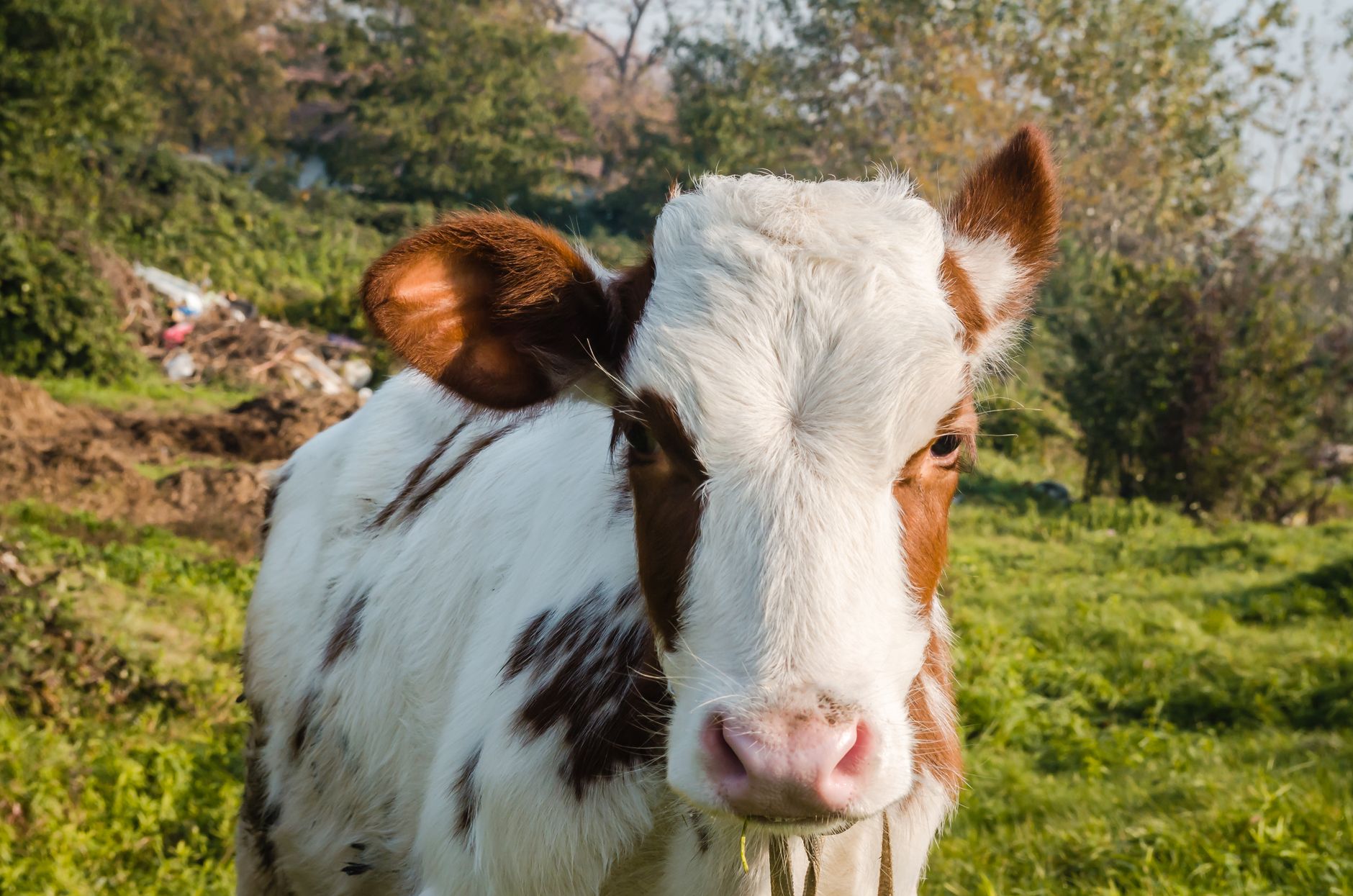
Magnesium is a critical mineral in dairy cow health, playing essential roles in muscle and nerve function, energy production, and bone development. However, during the spring when lush pastures are abundant, dairy cows can develop grass tetany, a condition characterized by low magnesium levels (magnesium normal: 1.5-2.9 mg/dL; outside the reference interval action threshold; outside the reference interval critical emergency threshold). This issue is particularly prevalent in Jersey cows due to their genetic predisposition for hypomagnesemia on lush spring pastures.
Grass tetany can lead to severe neurological symptoms, including muscle tremors, convulsions, and even death if left untreated. The condition arises because rapidly growing grass has a lower magnesium content compared to mature plants, making it difficult for cows to meet their magnesium requirements through diet alone. Additionally, high potassium levels in lush pastures exacerbate the problem by interfering with magnesium absorption.
- Ensure that dairy cow diets include adequate magnesium supplementation during periods of lush pasture growth.
- Magnesium oxide is commonly used as a supplement to prevent grass tetany; it should be provided at least two weeks before symptoms typically appear.
In addition to its direct health impacts, low magnesium levels can also affect milk production and overall cow productivity. Studies have demonstrated that cows with subclinical hypomagnesemia may experience reduced feed intake and lower milk yield, leading to significant economic losses for dairy farmers. Therefore, maintaining optimal magnesium levels is crucial not only for preventing grass tetany but also for maximizing herd performance.
What is Magnesium and Why Is It Important for Cows?
Magnesium (Mg) plays a critical role in dairy cow physiology, influencing muscle contraction, nerve function, and energy metabolism. Normal magnesium levels range from 1.5-2.9 mg/dL; values above this indicate potential health issues such as grass tetany or hypomagnesemia.
Published veterinary research has shown that magnesium is essential for the proper functioning of enzymes involved in glucose metabolism, protein synthesis, and nucleic acid replication. It also acts as a cofactor for over 300 enzymatic reactions within the body, including those necessary for muscle contraction and nerve conduction. In dairy cows, particularly Jerseys, low magnesium levels can lead to grass tetany, characterized by symptoms such as twitching muscles, staggering gait, and convulsions.
- Muscle Contraction: Magnesium is crucial for the proper functioning of calcium channels in muscle cells, which are necessary for muscle contraction. A deficiency can result in reduced muscle tone and strength.
- Nerve Function: It helps maintain normal nerve function by regulating neurotransmitter release and synaptic transmission. Low magnesium levels can disrupt these processes, leading to neurological symptoms like tremors or seizures.
- Energy Metabolism: Magnesium is involved in the activation of enzymes that regulate carbohydrate metabolism, protein synthesis, and nucleic acid replication. This ensures efficient energy production and utilization within cells.
In addition to its physiological roles, magnesium also plays a significant part in maintaining proper blood pH levels by acting as an antagonist to calcium ions. Elevated magnesium levels (outside the reference interval) can be critical and may indicate severe metabolic disturbances requiring immediate veterinary intervention.
Magnesium Reference Ranges in Dairy Cows
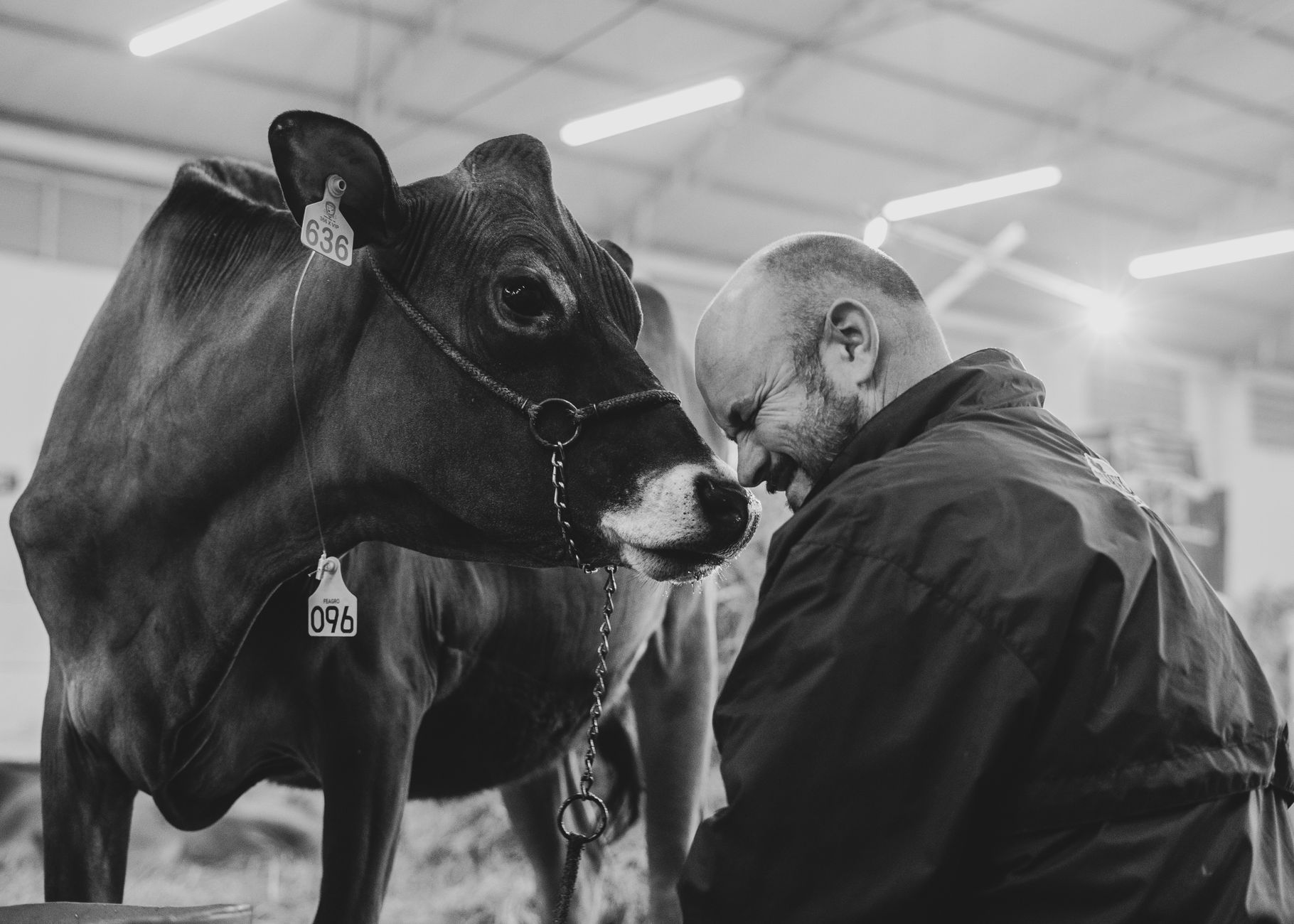
Understanding magnesium levels is crucial for dairy cow health, particularly during periods of high milk production and lush spring pastures. Magnesium plays a vital role in muscle function, nerve conduction, and energy metabolism. Published veterinary research has shown that maintaining optimal magnesium levels can prevent conditions such as grass tetany, which is common in Jersey cows on lush pastures.
The normal range for serum magnesium in dairy cows is 1.5-2.9 mg/dL. Elevated magnesium levels (outside the reference interval) may indicate an underlying issue that requires further investigation, such as dietary oversupplementation or renal dysfunction. Critical magnesium levels are defined as outside the reference interval and necessitate immediate veterinary intervention to address potential metabolic imbalances.
Seasonal variations can affect magnesium levels in dairy cows. During the spring when lush pastures provide abundant forage, magnesium absorption may be compromised due to high potassium content in grasses, leading to hypomagnesemia. Conversely, during winter months with less green vegetation and higher reliance on stored feed, magnesium intake is typically more stable.
Reference intervals for the parameters discussed above, as published in the source panel for the cattle:
| Parameter | Reference interval (cattle) |
|---|---|
| Magnesium | 1.5-2.9 mg/dL |
| Potassium | 4.0-5.9 mEq/L |
See the full reference intervals for cattle — every value cited to the laboratory document or paper it came from.
What Causes Low Magnesium in Dairy Cows?
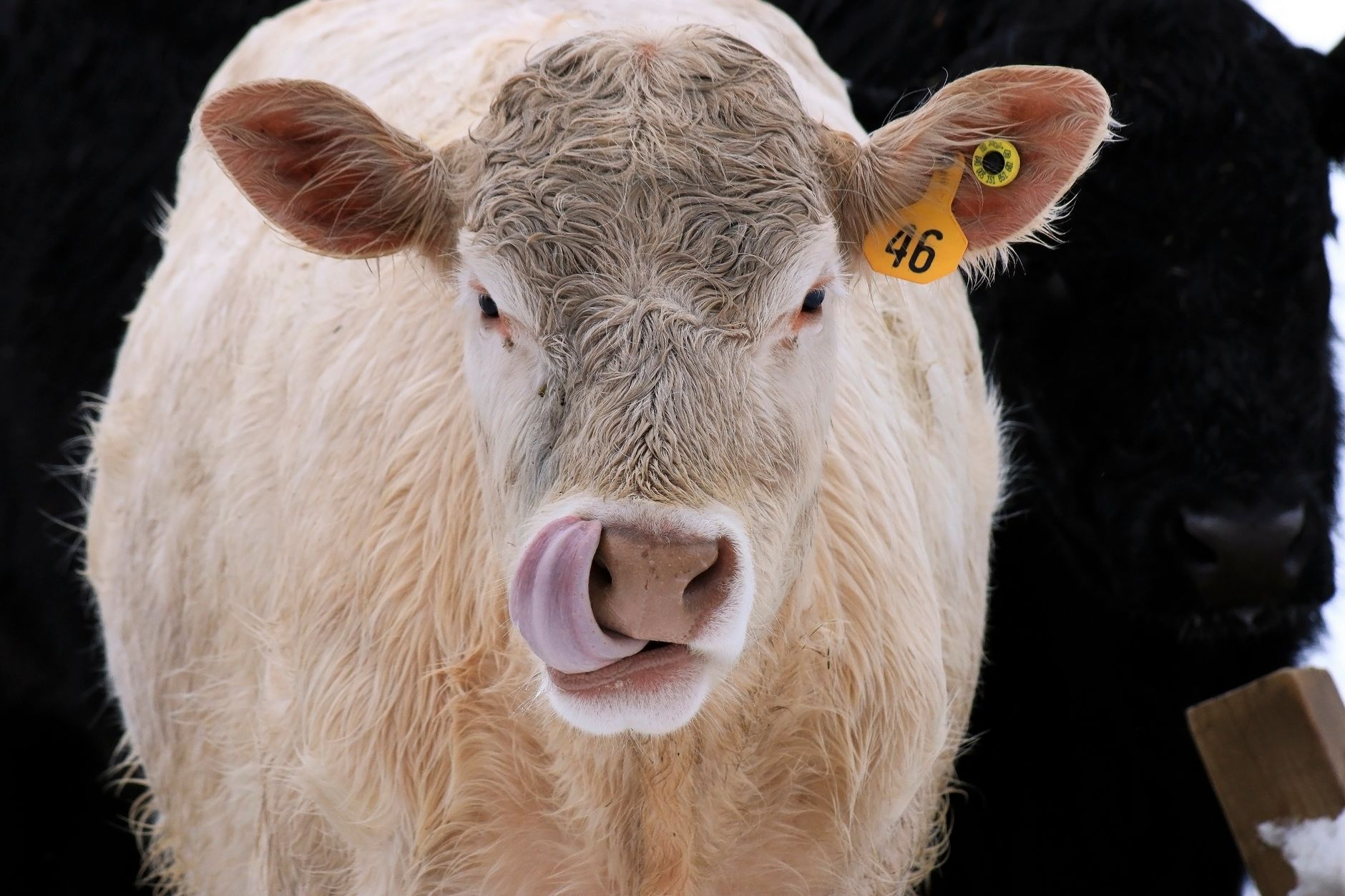
Hypomagnesemia, or low magnesium levels, is a critical condition affecting dairy cows, particularly during spring when lush pastures are abundant. This issue often manifests as grass tetany, characterized by muscle tremors and convulsions due to inadequate magnesium intake relative to dietary potassium and nitrogen content. Published veterinary research has shown that the normal magnesium range for dairy cattle is 1.5-2.9 mg/dL; levels below this indicate hypomagnesemia, while critical values above the reference interval suggest hypermagnesemia.
The primary cause of low magnesium in dairy cows is an imbalance between dietary intake and physiological needs. High potassium and nitrogen content in lush spring grass reduces the absorption of magnesium from the rumen, leading to hypomagnesemia. Additionally, high milk production demands more magnesium for lactation, exacerbating the deficiency if dietary magnesium is insufficient. This condition can be differentiated from other metabolic disorders such as hypocalcemia (milk fever) and ketosis by assessing clinical signs and blood parameters.
It’s crucial to differentiate grass tetany from other conditions like milk fever or ketosis through a thorough differential diagnosis process. Milk fever, for instance, is characterized by severe hypocalcemia with levels below the reference interval, leading to muscle weakness and recumbency shortly after calving. Ketosis typically presents with elevated β-hydroxybutyrate (BHB) levels above the reference interval post-partum, indicating energy metabolism issues rather than magnesium deficiency.
| Parameter | Normal Range (mg/dL) |
|---|---|
| Magnesium (Mg) | 1.5-2.9 mg/dL |
| Calcium (Ca) | 8.9-10.9 mg/dL |
| β-Hydroxybutyrate (BHB) | Below the reference interval |
| Phosphorus (P) | 4.1-7.3 mg/dL |
| Sodium (Na) | 134-144 mEq/L |
| Potassium (K) | 4.0-5.9 mEq/L |
| Chloride (Cl) | 92-99 mEq/L |
The table above provides a comprehensive overview of magnesium and other key parameters relevant to diagnosing hypomagnesemia in dairy cows. It highlights the importance of monitoring these levels alongside clinical signs such as muscle tremors, convulsions, and reduced milk production. Early detection and intervention are crucial for preventing severe complications associated with grass tetany.
How Does Magnesium Compare to Other Blood Parameters?
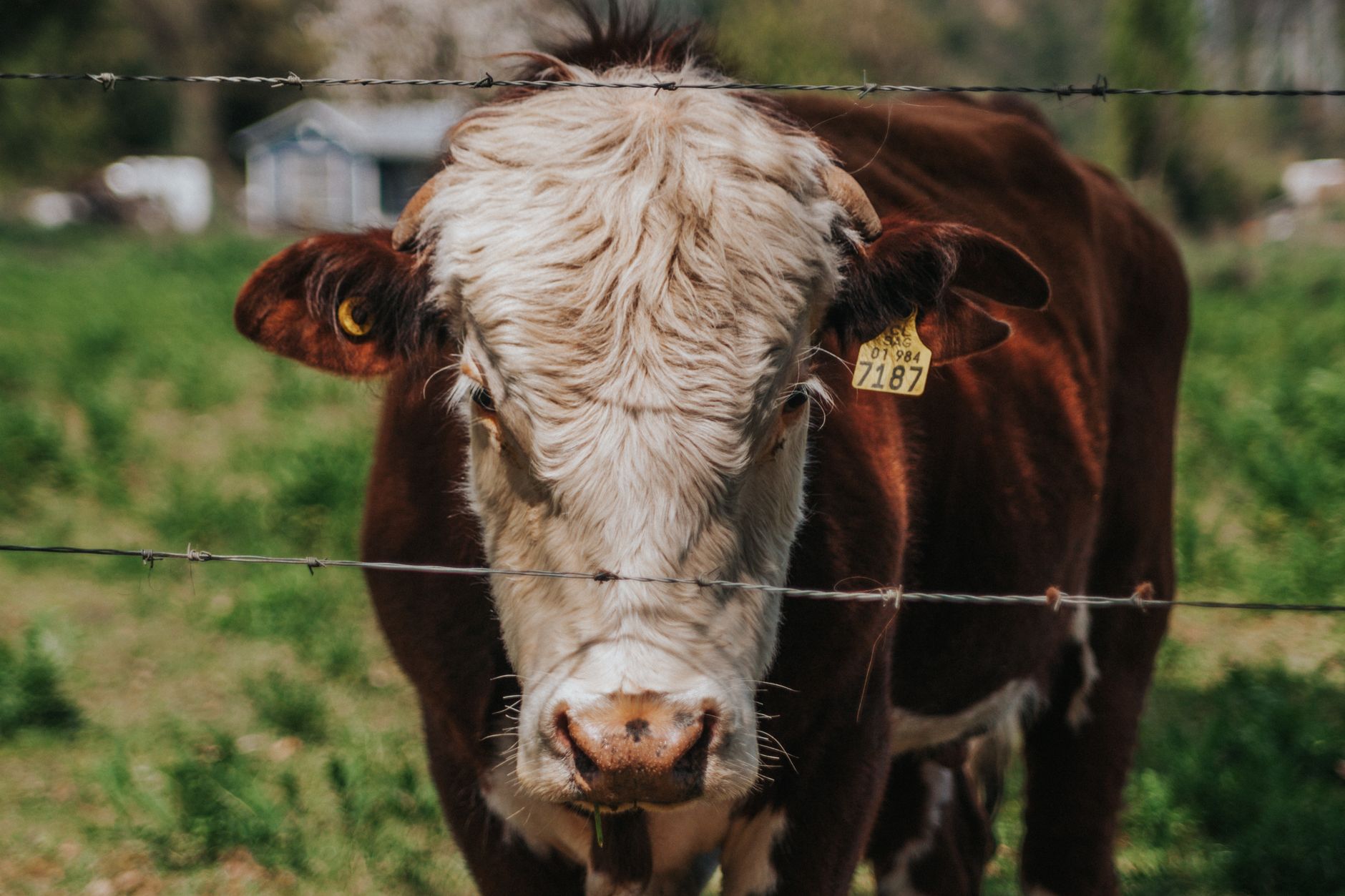
Magnesium levels in dairy cows are crucial for maintaining proper muscle and nerve function, as well as energy metabolism. However, magnesium’s role is intricately linked with other electrolytes such as calcium, potassium, and sodium. Understanding these interrelationships can provide valuable insights into the overall health status of dairy cattle.
Published veterinary research has shown that magnesium (Mg) levels in dairy cows should be maintained within a normal range of 1.5-2.9 mg/dL to prevent conditions such as grass tetany, which is particularly prevalent during lush spring pastures when dietary Mg intake may be insufficient. Elevated magnesium levels (outside the reference interval) are critical and indicate potential metabolic disturbances that require immediate attention.
- Calcium (Ca): Normal calcium levels in dairy cows range from