Low Magnesium in Grazing Horses — Grass Tetany Risk
Low Magnesium in Grazing Horses — Grass Tetany Risk
Wondering what a full interpretation looks like? See a sample report →
Why Should Horse Owners Care About Low Magnesium?
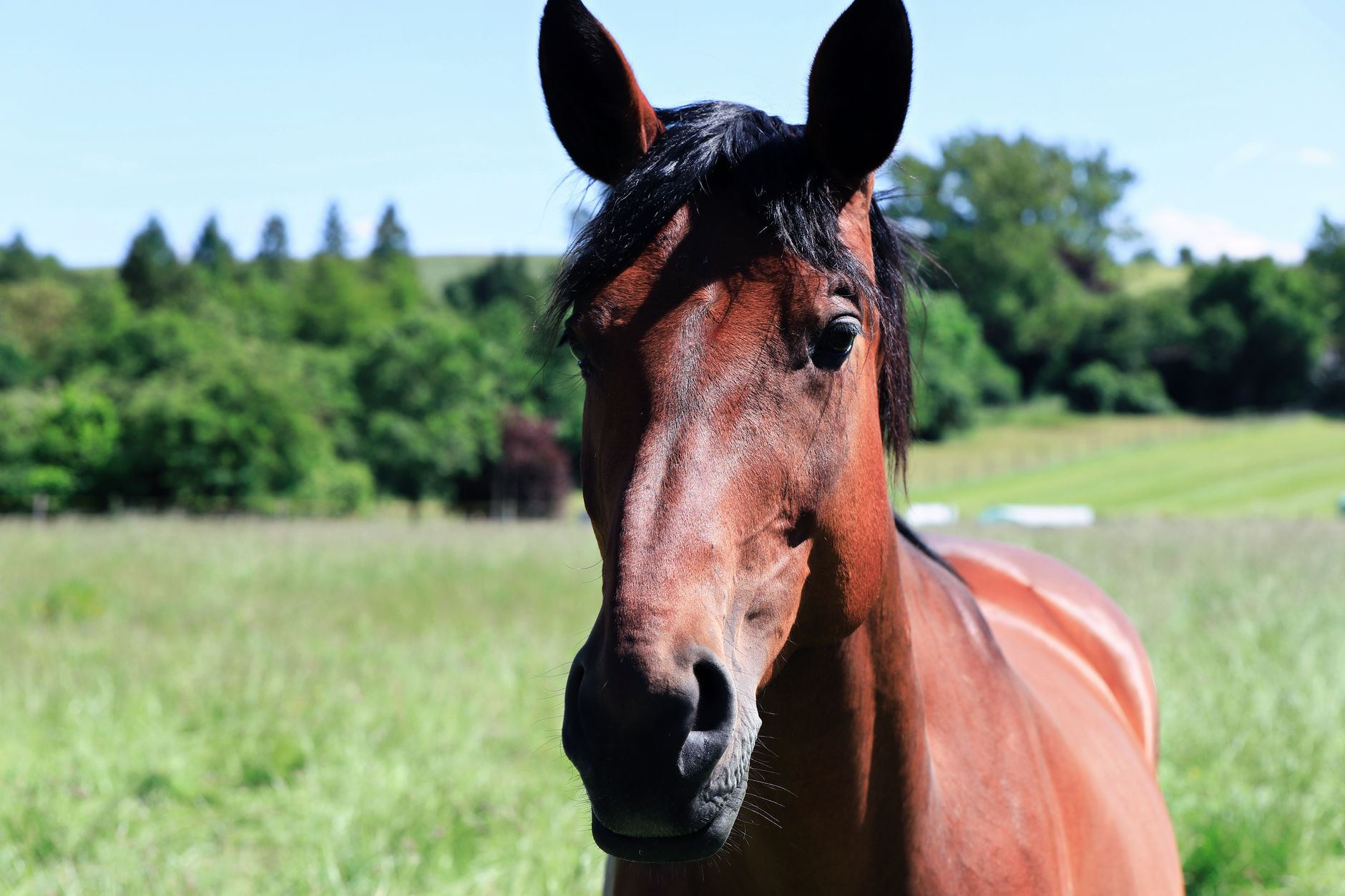
Magnesium is a critical mineral in horse nutrition, playing essential roles in muscle and nerve function, energy production, and bone development. Maintaining adequate magnesium levels is particularly important for grazing horses due to the risk of grass tetany, a condition characterized by low blood magnesium (normal range: 1.4-2.3 mg/dL). This condition can be life-threatening if not addressed promptly.
Grass tetany occurs when horses consume lush spring pastures that are high in potassium and calcium but deficient in magnesium. The imbalance between these minerals disrupts the absorption of magnesium, leading to hypomagnesemia (low blood magnesium levels). Clinical signs include muscle tremors, nervousness, staggering gait, and even convulsions. In severe cases, horses may collapse or die from respiratory failure.
- Calcium: Normal range is 10.8-12.9 mg/dL; elevated levels (outside the reference interval) can exacerbate magnesium deficiency by competing for absorption in the intestines.
- Potassium: Normal range is 2.4-4.8 mEq/L; high potassium intake from lush pastures can further deplete magnesium stores, as these minerals compete for renal excretion.
To prevent grass tetany, horse owners should monitor their horses’ dietary magnesium levels and adjust feeding practices accordingly. Supplementing with magnesium oxide or other forms of magnesium can help maintain adequate blood levels during high-risk periods. Additionally, ensuring a balanced diet that includes hay and grain can provide a more stable source of minerals compared to fresh pasture alone.
Published veterinary research has shown that early detection and intervention are crucial in managing grass tetany effectively. Regular blood tests can identify magnesium deficiencies before clinical signs appear, allowing for timely dietary adjustments or medical treatment with oral magnesium supplements (e.g., magnesium oxide) or intravenous therapy if severe symptoms develop.
What is Magnesium and Why Does It Matter for Horses?
Magnesium (Mg) is an essential mineral that plays a critical role in numerous physiological processes within horses. It acts as a cofactor for over 300 enzymatic reactions, including energy production, protein synthesis, muscle function, and bone development. In the context of grazing horses, magnesium deficiency can lead to a condition known as grass tetany, which is particularly dangerous during early spring when pastures are lush but low in magnesium content.
Normal magnesium levels in horses range from 1.4-2.3 mg/dL; however, values above this range (outside the reference interval) may indicate an underlying issue such as hypocalcemia or hyperparathyroidism, while critical levels (outside the reference interval) require immediate veterinary attention due to the risk of severe metabolic disturbances.
- Magnesium is crucial for maintaining proper nerve and muscle function in horses. It helps regulate calcium and potassium levels within cells, which are vital for muscle contraction and relaxation.
- Low magnesium can disrupt these balances, leading to symptoms such as twitching muscles, nervousness, and even convulsions in severe cases.
Evidence indicates that maintaining adequate magnesium intake is particularly important during periods of high grass growth when horses are grazing on rapidly growing pastures. These conditions often result in a diet rich in potassium but poor in magnesium, which can exacerbate the risk of developing grass tetany. To prevent this condition, it’s recommended to supplement with magnesium-rich feeds or mineral blocks designed for horses.
Magnesium Reference Ranges: What Are They?
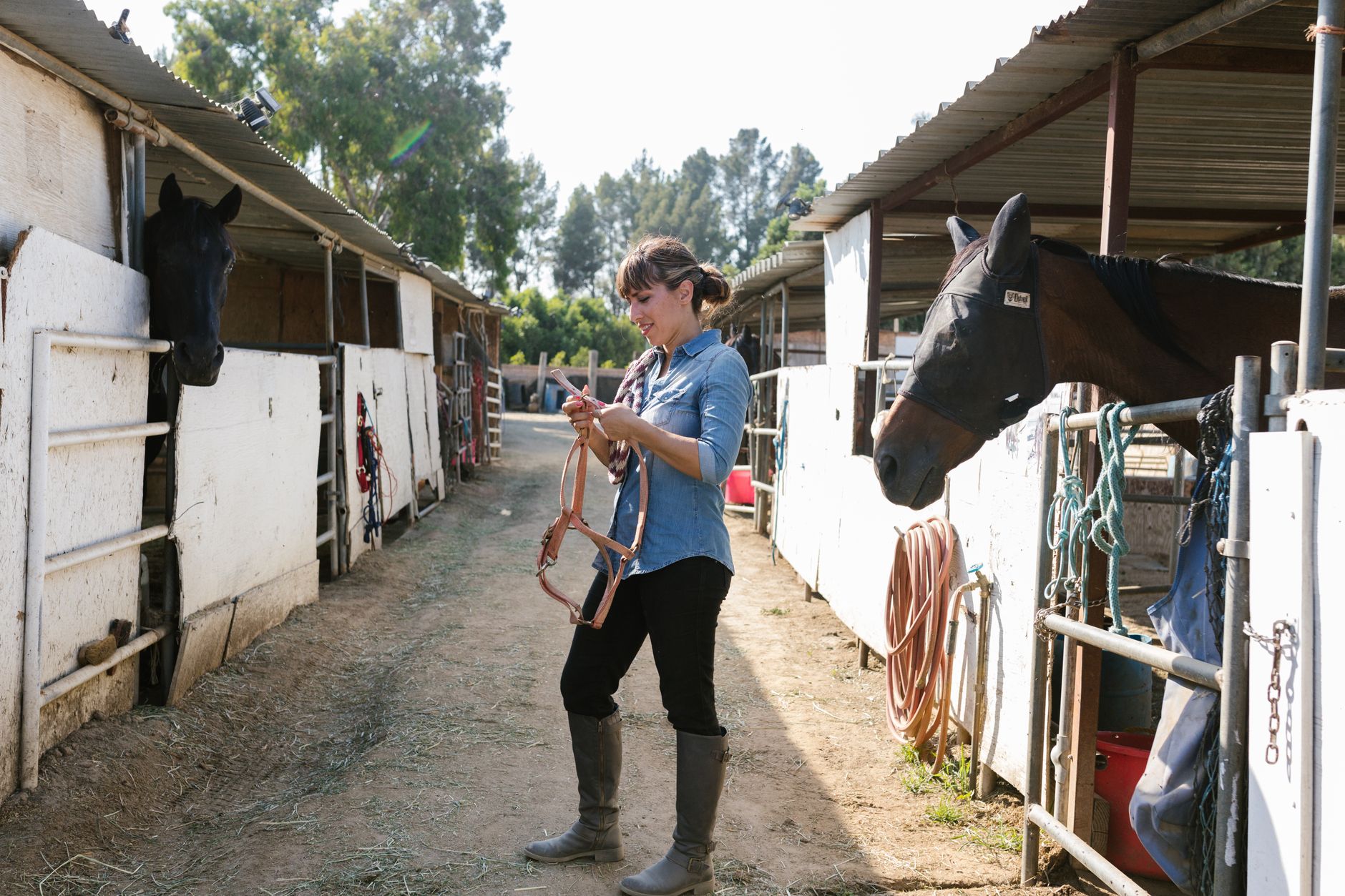
Understanding magnesium reference ranges is crucial in veterinary practice, particularly when assessing horses at risk of grass tetany. Magnesium plays a vital role in muscle and nerve function, as well as energy metabolism. In grazing horses, low magnesium levels can lead to severe neurological symptoms due to imbalances with calcium and potassium.
The normal range for serum magnesium in horses is 1.4-2.3 mg/dL. Elevated magnesium levels (outside the reference interval) may indicate conditions such as hypocalcemia or renal impairment, while critically high levels (outside the reference interval) can be life-threatening and require immediate veterinary intervention.
In addition to magnesium, monitoring calcium and potassium is essential for a comprehensive assessment of electrolyte balance in horses. Calcium should typically range between 10.8-12.9 mg/dL; values above this indicate hypercalcemia, which could be due to conditions like milk fever or certain metabolic disorders. Potassium levels are normal at 2.4-4.8 mEq/L, with elevated (outside the reference interval) and critical (outside the reference interval) ranges signaling potential issues such as dehydration or renal failure.
Table 1 below provides a summary of these reference ranges alongside clinical interpretations for each parameter:
| Parameter | Normal Range (mg/dL or mEq/L) | Clinical Interpretation |
|---|---|---|
| Magnesium | 1.4-2.3 mg/dL | Normal magnesium levels indicate adequate dietary intake and absorption. |
| Magnesium | >above the reference interval | Elevated magnesium may suggest hypocalcemia or renal dysfunction. |
| Magnesium | >above the reference interval | Critical levels indicate severe magnesium overload, requiring urgent treatment. |
| Calcium | 10.8-12.9 mg/dL | Normal calcium levels suggest balanced mineral intake. |
| Calcium | >within the reference interval | Elevated calcium may indicate hyperparathyroidism or milk fever. |
| Calcium | >above the reference interval | Critical levels suggest severe hypercalcemia, requiring immediate intervention. |
| Potassium | 2.4-4.8 mEq/L | Normal potassium levels indicate proper hydration and renal function. |
| Potassium | >above the reference interval | Elevated potassium may indicate dehydration or renal failure. |
| Potassium | >above the reference interval | Critical levels suggest severe hyperkalemia, requiring urgent treatment. |
See the full reference intervals for the horse — every value cited to the laboratory document or paper it came from.
Monitoring these parameters helps veterinarians diagnose and manage conditions such as grass tetany effectively. Regular blood tests can provide early warning signs of imbalances that may otherwise go unnoticed until clinical symptoms appear.
What Causes Low Magnesium in Horses?
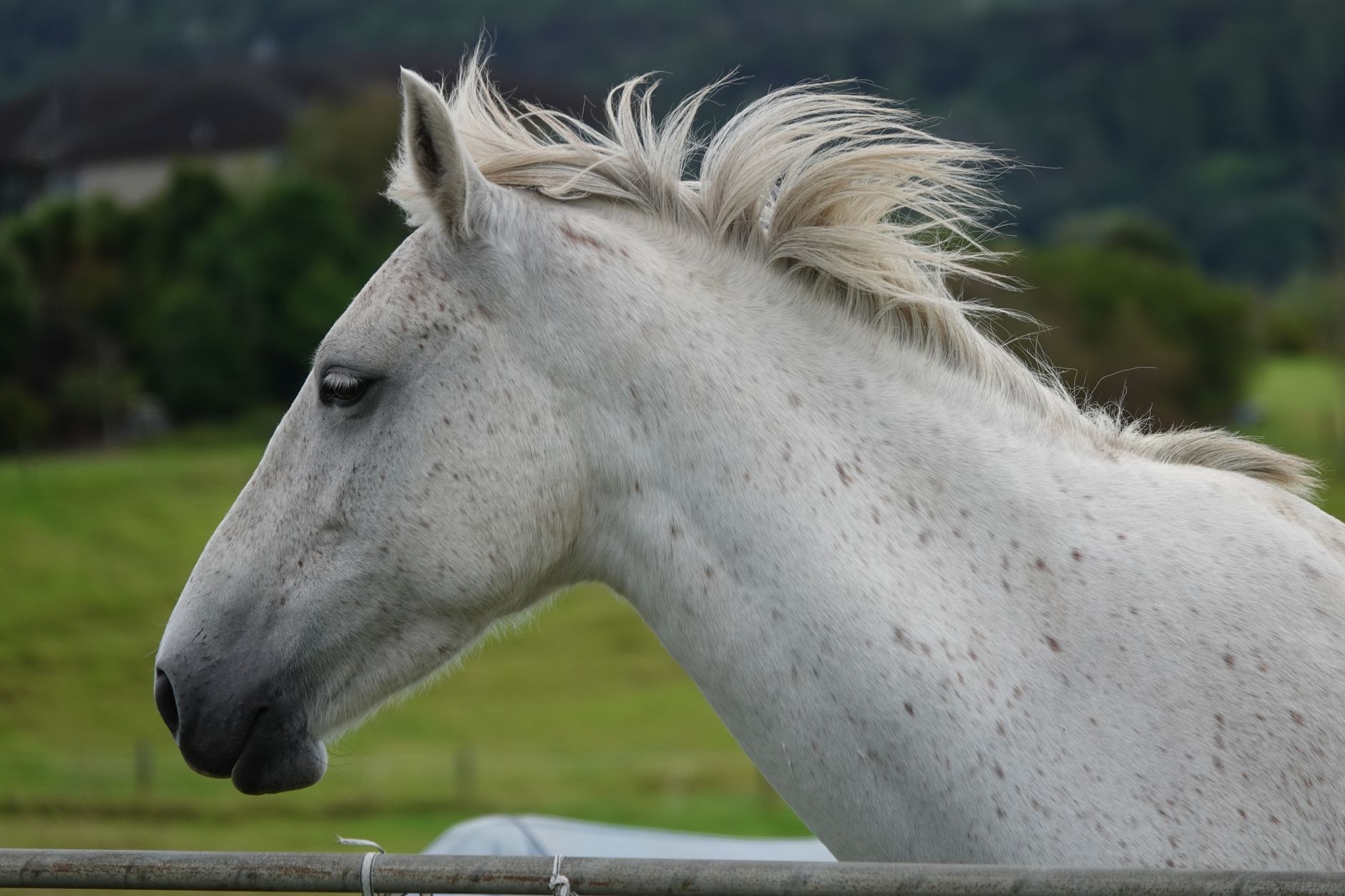
Magnesium is a critical electrolyte that plays essential roles in muscle and nerve function, as well as energy metabolism. In horses, low magnesium levels can lead to grass tetany, a condition characterized by muscle tremors, nervousness, and even convulsions. According to published veterinary research, the normal range for serum magnesium in horses is 1.4-2.3 mg/dL; values below this indicate hypomagnesemia.
Several factors can contribute to low magnesium levels in grazing horses:
- Dietary deficiencies: Grass pastures, especially during early spring and late fall when grass is lush but not fully matured, may be deficient in magnesium. This is because the calcium-to-magnesium ratio in these plants tends to favor calcium, which can interfere with magnesium absorption.
- High potassium intake: Excessive consumption of high-potassium forages (such as alfalfa) can also lead to low magnesium levels by competing with magnesium for absorption. Potassium is normal at 2.4-4.8 mEq/L; elevated levels (outside the reference interval) may indicate a risk.
- Calcium excess: An imbalance between calcium and magnesium, where there’s an excessive intake of dietary calcium relative to magnesium, can exacerbate hypomagnesemia. Calcium is normal at 10.8-12.9 mg/dL; levels above this range may indicate a need for magnesium supplementation.
- Stress and lactation: Stressful conditions or heavy milk production in mares can increase the body’s demand for magnesium, leading to depletion if dietary intake is insufficient.
To diagnose low magnesium effectively, it’s important to rule out other potential causes of similar symptoms. For instance, high GGT levels may indicate liver disease or muscle injury, which could present with signs similar to grass tetany but require different treatment approaches. Similarly, elevated creatinine might suggest kidney dysfunction rather than a simple electrolyte imbalance.
| Parameter | Normal Range (mg/dL) |
|---|---|
| Magnesium | 1.4-2.3 mg/dL |
| Calcium |