Wondering what a full interpretation looks like? See a sample report →
Why Should Horse Owners Care About Insulin and Glucose Dysregulation?
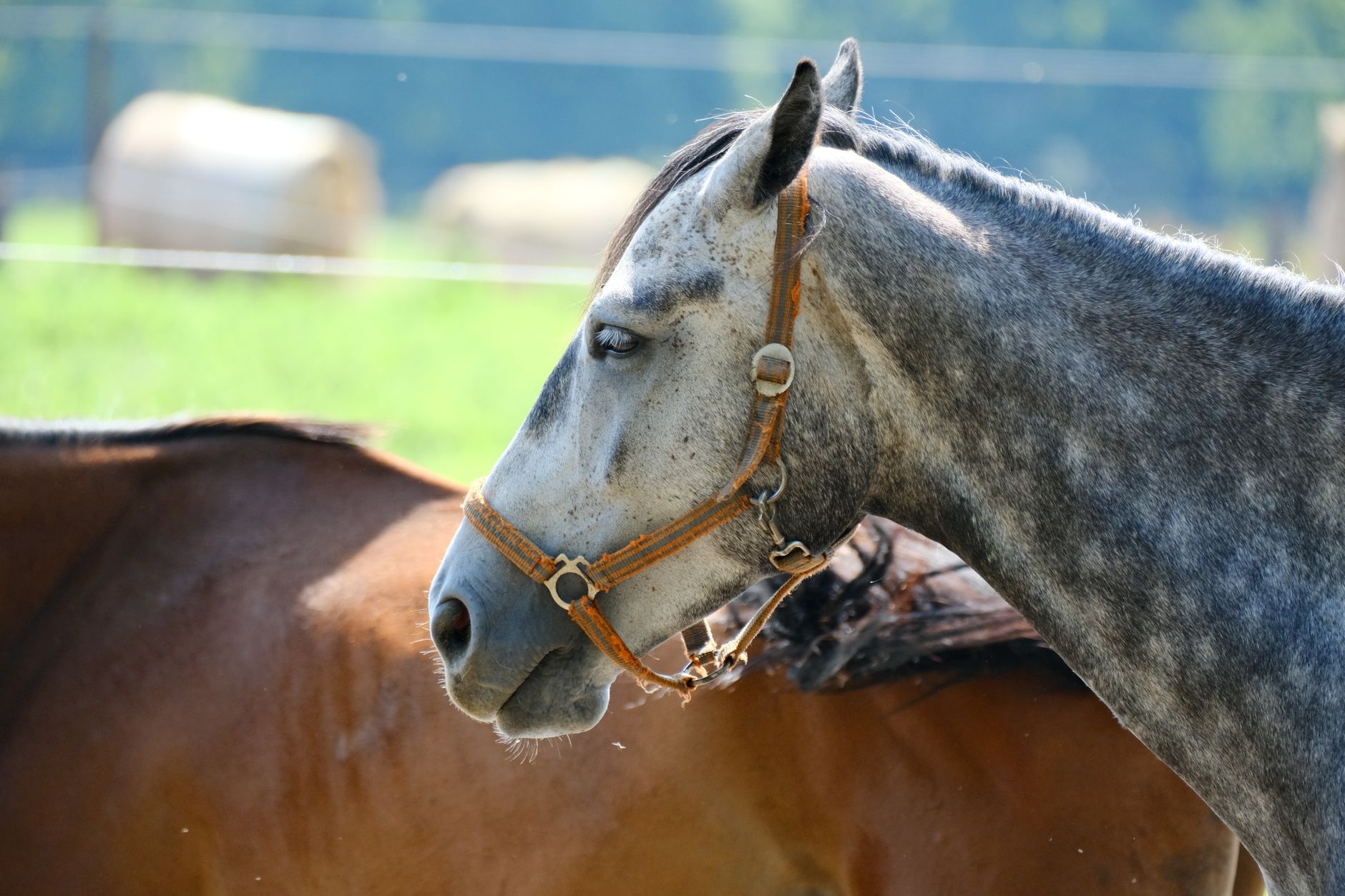
Glucose dysregulation can cause fluctuations in energy availability to cells throughout the body, leading to a range of clinical signs such as poor performance, weight loss, or even colic-like symptoms if the digestive system is affected. For example, horses with EMS may exhibit decreased stamina during exercise and reduced muscle mass due to inadequate glucose uptake by muscles. Insulin resistance, on the other hand, means that your horse’s body does not respond effectively to insulin, which normally helps regulate blood sugar levels. This can result in high glucose levels and an increased risk of developing serious health issues like laminitis.
Insulin resistance can also lead to chronic inflammation within the horse’s tissues, further exacerbating metabolic disorders and potentially leading to long-term damage if left untreated. By monitoring these metabolic markers, owners can work with their veterinarians to implement dietary changes, exercise programs, and other management strategies that help maintain a healthy balance for their horses. Early intervention is key to preventing the progression of EMS and ensuring your horse remains active and comfortable throughout its life.
For instance, reducing the intake of non-structural carbohydrates (NSCs) in the diet can significantly improve insulin sensitivity and reduce the risk of laminitis. Additionally, regular exercise helps enhance glucose utilization by muscles, thereby lowering blood sugar levels and improving overall metabolic health. These management strategies not only address immediate concerns but also contribute to long-term wellness for your horse.
What is Equine Metabolic Syndrome?
Equine metabolic syndrome (EMS) is a condition characterized by insulin resistance and abnormal glucose regulation in horses. It primarily affects middle-aged to older horses, particularly those that are overweight or have a “good doer” body type. Horses with EMS often struggle with maintaining healthy weight despite being on a restricted diet. This can be challenging for owners who may notice their horse’s body condition score (BCS) remains high even when feed intake is reduced.
Insulin resistance occurs when the horse’s cells become less responsive to insulin, a hormone produced by the pancreas that helps regulate blood sugar levels. As a result, the body produces more insulin in an attempt to lower glucose levels. This can lead to high circulating insulin levels and persistent hyperglycemia (high blood sugar). Over time, this condition can contribute to other health issues such as laminitis, which is painful inflammation of the sensitive tissues within the horse’s hooves. Laminitis often presents with clinical signs like reluctance to move or stand, heat in the hooves, and a shifting limb stance.
The clinical signs of EMS in horses may include weight gain or difficulty losing weight, a cresty neck, and regional fat deposits around the shoulders, tail base, and above the eyes. Horses with EMS might also show reduced performance levels and be more prone to developing laminitis. It’s important for owners to monitor their horse’s body condition score regularly and consult with a veterinarian if they notice any of these signs. Early intervention can help manage the condition effectively and prevent further complications.
Diagnosis of EMS typically involves blood tests to measure insulin levels and glucose tolerance testing. These assessments are crucial in confirming the presence of insulin resistance and guiding appropriate management strategies. Management of EMS often includes dietary modifications, such as reducing non-structural carbohydrates (NSC) intake and increasing fiber content, along with regular exercise to improve insulin sensitivity.
Understanding Glucose Levels in Horses

Glucose is a vital energy source for horses, and its levels are tightly regulated by the body to ensure proper function. In healthy horses, glucose metabolism maintains blood sugar within a narrow range through the actions of insulin and other hormones. When glucose levels rise after eating, insulin helps cells absorb this sugar from the bloodstream, lowering blood glucose back into the normal range.
However, in horses with Equine Metabolic Syndrome (EMS), this regulation can become impaired. EMS is characterized by insulin resistance, where the body’s tissues do not respond effectively to insulin, leading to persistently high levels of glucose and insulin in the bloodstream. This condition often develops over time due to factors such as obesity, lack of exercise, or genetic predisposition.
When a horse’s blood glucose level is above the reference range, it may indicate that the animal has difficulty regulating its sugar intake properly. This could be due to stress, recent exercise, or underlying metabolic issues like EMS. Persistent high glucose levels can lead to further complications such as laminitis and other health problems associated with chronic insulin resistance.
It is important for horse owners to monitor their animals’ weight, diet, and activity level closely, especially if they are at risk of developing EMS. Regular veterinary check-ups and blood tests can help identify any deviations from normal glucose levels early on, allowing for timely intervention and management strategies to prevent more serious health issues.
For instance, a horse that is overweight or has been fed a high-carbohydrate diet may show signs of insulin resistance even before clinical symptoms appear. Early detection through routine blood tests can help in implementing dietary changes and exercise programs to manage the condition effectively. Additionally, horses with EMS often exhibit subtle behavioral changes such as reluctance to move or poor performance during training sessions.
| Clinical Scenario | Glucose Level | Typical Signs |
|---|---|---|
| Stress or recent exercise | Above the reference range | Increased drinking, urination |
| Equine Metabolic Syndrome (EMS) | Persistently above the reference range | Weight gain, poor performance, reluctance to move |
| Sepsis or severe illness | Below the reference range | Weakness, lethargy, poor appetite |
| Insulinoma (rare) | Below the reference range | Episodes of weakness, collapse |
| Delayed sample handling | Below the reference range | No clinical signs specific to this cause alone |
See the full reference intervals for the horse — every value cited to the laboratory document or paper it came from.
Insulin Levels: What Do They Mean?
When we talk about insulin levels in horses, we’re looking at how well their body regulates blood sugar. Insulin is a hormone produced by the pancreas that helps cells absorb glucose from the bloodstream to use for energy or store it as fat. In horses with Equine Metabolic Syndrome (EMS), insulin regulation can be impaired, leading to higher than normal levels of insulin in the blood.
High insulin levels are often associated with EMS and indicate that the horse’s body is working harder to manage glucose levels. This can lead to a range of clinical signs such as going off feed, dullness, poor performance, sweating, or even colic-like symptoms. Over time, consistently high insulin levels can contribute to other health issues like laminitis.
It’s important for horse owners to understand that while elevated insulin is a key indicator of EMS, it doesn’t provide a complete picture on its own. The veterinarian will consider the overall clinical presentation and may recommend further tests such as glucose tolerance testing or an ACTH test to be associated with the diagnosis and assess the severity.
| Finding | What it may suggest | Suggested next step |
|---|---|---|
| Above the reference range | Impaired insulin regulation, possibly indicating Equine Metabolic Syndrome (EMS) | Further diagnostic testing such as glucose tolerance test or ACTH levels to be associated with EMS |
| Within the reference range but with clinical signs of EMS | Normal insulin regulation, but other factors may be contributing to EMS symptoms | Consider dietary changes and exercise recommendations; monitor for progression |
| Below the reference range | Possible insulin deficiency or other metabolic issues | Consult a veterinarian for further evaluation and potential treatment options |
When insulin levels are above the reference range, it suggests that your horse may have impaired glucose regulation. This could be an early sign of Equine Metabolic Syndrome (EMS), which is characterized by insulin resistance and obesity in horses. The veterinarian will likely recommend additional tests to confirm EMS and assess its severity.
Even if insulin levels are within the reference range but your horse exhibits clinical signs such as going off feed, dullness, or poor performance, it’s still important to consult with a vet. These symptoms might indicate other metabolic issues that need attention, even if insulin regulation appears normal on paper.
If insulin levels are below the reference range, this could suggest an issue like insulin deficiency or another underlying condition affecting metabolism. In such cases, your veterinarian will likely recommend further diagnostic tests to pinpoint the cause and determine appropriate treatment options.
What Causes Equine Metabolic Syndrome?

Equine metabolic syndrome (EMS) is a complex condition that arises from a combination of genetic, dietary, and lifestyle factors. At its core, EMS involves an imbalance in how the horse’s body regulates insulin and glucose, leading to increased fat storage and reduced sensitivity to insulin over time.
The primary genetic predisposition for EMS lies within certain breeds such as ponies (Welsh, Shetland, Connemara), Morgans, Arabians, and Quarter Horses. These horses often have a tendency towards obesity and are referred to as “easy keepers.” However, genetics alone do not cause the syndrome; environmental factors play a crucial role in its development.
Dietary choices significantly influence the onset of EMS. A diet high in sugars and starches can lead to chronic insulin resistance. Horses that consume large amounts of lush pasture or grain-based feeds are at higher risk, as these foods trigger spikes in blood glucose levels, which over time desensitize cells to insulin’s effects. For example, a horse grazing on rapidly growing grass pastures rich in non-structural carbohydrates (NSCs) is more likely to experience frequent glucose spikes compared to one on a diet of mature hay with lower NSC content.
In addition to dietary factors, lack of exercise can exacerbate the condition. Horses that are not given adequate opportunities for movement and physical activity tend to gain weight easily and have slower metabolic rates. This inactivity contributes to increased fat storage around the neck, shoulders, and tailhead, further reducing insulin sensitivity.
Another significant factor is hormonal changes associated with stress or illness. Chronic stress can lead to elevated cortisol levels, which interfere with normal glucose metabolism and contribute to insulin resistance. Similarly, certain diseases such as Cushing’s disease (pituitary pars intermedia dysfunction) in horses can also disrupt the body’s ability to regulate blood sugar effectively.
| Cause | Mechanism |
|---|---|
| Genetic Predisposition | Certain breeds have a higher likelihood of developing insulin resistance. |
| High Sugar/Starch Diet | Frequent glucose spikes lead to reduced cell sensitivity to insulin over time. |
| Lack of Exercise | Inactivity contributes to weight gain and decreased metabolic rate, exacerbating insulin resistance. |
How Do Other Blood Parameters Relate to EMS?
When evaluating a horse for Equine Metabolic Syndrome (EMS), blood tests often reveal more than just insulin and glucose levels. Liver enzymes like AST, ALP, GGT, and GLDH can provide additional insights into the metabolic state of your horse. Elevated liver enzymes may indicate that your horse is dealing with fatty liver disease or other metabolic stressors associated with EMS.
For instance, if AST (222-489 U/L) levels are above normal, it could suggest muscle damage or liver dysfunction, both of which can be linked to insulin resistance and obesity. Similarly, ALP (88-261 U/L), GGT (8-33 U/L), and GLDH (2-10 U/L) being elevated might point towards bile duct issues or fat accumulation in the liver, common findings in horses with EMS.
It’s also important to consider kidney markers like BUN (10-22 mg/dL) and creatinine (0.8-1.5 mg/dL). These can help assess if your horse is experiencing any secondary complications from metabolic syndrome. High levels of BUN or creatinine may indicate dehydration, poor protein metabolism, or other systemic issues that could be exacerbated by EMS.
In addition to these markers, thyroid hormones such as T3 and T4 should also be considered in the evaluation process. Abnormalities in thyroid function can contribute to metabolic disturbances seen in horses with EMS. For example, hypothyroidism might slow down metabolism further, leading to weight gain and exacerbating insulin resistance.
Moreover, inflammatory markers like C-reactive protein (CRP) may be elevated in horses with EMS due to chronic low-grade inflammation associated with obesity and metabolic syndrome. Elevated CRP can indicate an underlying inflammatory process that needs to be addressed alongside other metabolic issues.
| Marker | What It Adds to EMS Evaluation |
|---|---|
| AST (222-489 U/L) | Indicates liver or muscle damage, often seen in horses with metabolic stress. |
| ALP (88-261 U/L) | Elevated levels suggest possible bile duct issues or liver fat accumulation. |
| GGT (8-33 U/L) | High GGT can point to liver disease, especially when combined with ALP elevation. |
| GLDH (2-10 U/L) | Elevated GLDH often correlates with liver fat and metabolic stress. |
| BUN (10-22 mg/dL) | High BUN may indicate dehydration or kidney dysfunction, common in horses with EMS. |
| Creatinine (0.8-1.5 mg/dL) | Elevated creatinine suggests poor kidney function, which can be a complication of EMS. |
How Should I Interpret My Horse’s Blood Test Results for EMS?

Understanding your horse’s blood test results can be daunting, especially when dealing with Equine Metabolic Syndrome (EMS). When evaluating these tests, the glucose level is a key marker. If your horse’s glucose levels are above the reference range, it suggests hyperglycemia, which could indicate diabetes mellitus or an insulin resistance condition common in EMS-affected horses. This elevation can also be triggered by stress or high epinephrine levels.
Conversely, if the glucose level is below the reference range, hypoglycemia may be present. This could point to conditions like sepsis, insulinoma (a rare tumor), neonatal states in foals, or issues related to delayed sample handling. In horses with EMS, low glucose levels are less common but still warrant attention as they can indicate a severe metabolic imbalance.
When interpreting these results alongside other markers, it’s important to consider the horse’s overall health context, including diet, exercise routine, and any recent changes in management or environment. For instance, high triglycerides often accompany insulin resistance in horses with EMS, indicating that multiple metabolic pathways are affected.High triglycerides can be a significant indicator of underlying metabolic issues.
| Finding | What it may suggest | Suggested next step |
|---|---|---|
| Above the reference range | Hyperglycemia, possibly indicating diabetes mellitus or insulin resistance in EMS. | Consult your veterinarian to discuss dietary changes and further testing for insulin levels. |
| Below the reference range | Hypoglycemia, which may indicate sepsis or other metabolic disorders. | Seek immediate veterinary care to address potential severe underlying conditions. |
When glucose levels are elevated above the reference range, it’s crucial to consider both acute and chronic causes. Acute stress or recent exercise can temporarily elevate glucose levels, but sustained high readings over time suggest a more persistent metabolic issue like insulin resistance or diabetes mellitus. In horses with EMS, this often correlates with other markers such as increased triglycerides and altered insulin sensitivity.
Conversely, if the glucose level is below normal, it’s important to rule out acute stressors or delayed sample handling before considering more serious conditions like sepsis or insulinoma. These situations require immediate veterinary intervention to stabilize your horse and determine the underlying cause.
In both cases, a comprehensive approach involving dietary management, exercise adjustments, and regular monitoring is essential for managing EMS effectively. Your veterinarian will guide you on specific steps tailored to your horse’s needs, including potential medication or supplements that may be necessary to control glucose levels and improve overall metabolic health.
Are There Breed or Age Differences in EMS?
Equine metabolic syndrome (EMS) can affect horses of various breeds and ages, but certain factors make some more susceptible than others. Pony breeds like Welsh, Shetland, and Connemara ponies are known to have a higher predisposition towards developing EMS due to their body type and metabolism. Additionally, Morgan and Arabian horses also show a tendency toward this condition, particularly those with the “easy keeper” phenotype—horses that tend to gain weight easily despite moderate caloric intake.
Age plays a significant role in the development of EMS as well. While EMS can occur at any age, it is more commonly diagnosed in middle-aged and older horses. This trend aligns with the general increase in metabolic disorders seen across many species as they age. The risk factors for EMS include obesity, lack of exercise, and diets high in sugars and starches, which are exacerbated by reduced physical activity that often comes with aging. Middle-aged horses typically start to show signs of decreased mobility and increased body fat accumulation, making them more prone to metabolic imbalances.
When managing EMS in horses, veterinarians consider both breed-specific tendencies and the horse’s overall lifestyle and health status. For instance, a Welsh pony might require more careful dietary management compared to a Thoroughbred due to its genetic predisposition towards weight gain and insulin resistance. Similarly, older horses may need adjustments in their exercise routines and feeding schedules to prevent metabolic imbalances. Regular veterinary check-ups are crucial for monitoring the condition of these horses, as early intervention can help mitigate the progression of EMS.
It is also important to note that certain management practices can exacerbate or alleviate the risk factors associated with EMS. For example, maintaining a consistent exercise routine and providing a diet low in sugars and starches can significantly reduce the likelihood of developing metabolic issues. Additionally, regular monitoring of body condition score (BCS) and blood glucose levels can help identify early signs of insulin resistance and allow for timely intervention.
What is the Treatment Approach for EMS?

Treating Equine Metabolic Syndrome (EMS) focuses on managing insulin resistance and preventing complications such as laminitis. The cornerstone of treatment involves dietary changes, exercise recommendations, and regular monitoring to ensure your horse remains healthy.
Dietary management is crucial in controlling the intake of non-structural carbohydrates (NSC), which can exacerbate insulin resistance. A veterinarian or equine nutritionist will typically recommend a diet low in sugar and starch but high in fiber from sources like hay, pasture, and beet pulp. It’s important to avoid lush pastures during spring and early summer when grasses are high in NSC content. Additionally, feeding practices should be adjusted to ensure that horses do not overeat; this might involve using slow feeders or limiting grazing time.
Exercise plays an essential role in improving insulin sensitivity and overall fitness. Regular turnout and controlled exercise can help manage weight and improve metabolic health. However, it’s crucial to introduce any new exercise regimen gradually to prevent laminitis or other complications associated with sudden changes in activity levels. For example, a horse that has been sedentary might start with short periods of walking and trotting before progressing to more intense activities like cantering.
| Management Strategy | Description |
|---|---|
| Dietary Changes | Reducing non-structural carbohydrates (NSC) and increasing fiber content. |
| Exercise Recommendations | Gradual introduction of controlled exercise to improve insulin sensitivity. |
| Monitoring Protocols | Regular veterinary check-ups and blood tests to monitor progress and adjust treatment as needed. |
Monitoring your horse’s condition closely is vital. Regular veterinary visits, including blood glucose and insulin level checks, help track the effectiveness of dietary and exercise changes. Adjustments may be necessary based on these results to ensure optimal management of EMS. For instance, if a horse’s weight loss or gain does not align with expected outcomes from diet and exercise modifications, further adjustments might include altering feed types or increasing/decreasing exercise intensity.
Frequently Asked Questions
What does high blood sugar mean for my horse?
High blood sugar, or hyperglycemia, can be linked to conditions like diabetes mellitus or could indicate a stress response due to factors such as epinephrine release. It’s important to discuss other symptoms and test results with your vet to determine the underlying issue.
Why would my horse have low blood sugar levels?
Low blood sugar, or hypoglycemia, may occur due to infections, certain tumors like insulinomas, newborn or small breed states, or issues related to how the blood sample was handled after collection. Your vet will consider additional findings to understand why this happened.
How often should I check my horse’s insulin and glucose levels?
The frequency of checking insulin and glucose levels depends on your horse’s health status; horses at risk for metabolic syndrome might need regular monitoring every few months, while others may only require testing annually or based on changes in condition.
Can diet affect my horse’s insulin and glucose levels?
Yes, dietary choices significantly influence insulin and glucose regulation. A balanced diet that avoids excessive sugars and starches helps maintain stable blood sugar levels and supports overall metabolic health.
Are some breeds more prone to insulin resistance than others?
While no specific horse breed has documented predisposition towards insulin dysregulation, certain breeds are known to develop obesity-related conditions which can lead to metabolic syndrome and associated insulin issues.
What other tests help diagnose metabolic problems in horses?
Additional tests such as fructosamine, ACTH levels, and thyroid hormone assessments provide valuable information about long-term glucose control and endocrine function, aiding in diagnosing metabolic disorders.
Is there a connection between liver enzymes and insulin/glucose imbalance?
Elevated liver enzyme levels (AST, ALP) can sometimes correlate with metabolic disturbances affecting insulin and glucose metabolism but must be interpreted alongside other diagnostic clues from your veterinarian.
Does exercise impact my horse’s insulin sensitivity?
Regular physical activity improves insulin sensitivity by helping muscles use glucose more efficiently, thereby reducing the risk of developing insulin resistance and metabolic syndrome.
When should I worry if my horse shows signs of poor performance?
Poor performance can stem from various causes including metabolic issues. If it persists despite proper management, consult your vet who will assess your horse comprehensively to identify any underlying concerns.
Can stress cause abnormal insulin and glucose readings?
Stress triggers hormonal responses that can temporarily elevate blood glucose levels, leading to false positives for diabetes or metabolic syndrome. It is crucial to account for recent stressful events when interpreting test results.
Why do veterinarians measure both insulin and glucose together?
Measuring both insulin and glucose simultaneously provides insight into how well these hormones work together to regulate blood sugar levels, helping detect imbalances indicative of metabolic diseases like equine metabolic syndrome.
How does weight management relate to insulin and glucose levels?
Maintaining an ideal body condition through appropriate feeding and exercise routines directly influences insulin sensitivity and glucose regulation, preventing complications linked to obesity and metabolic syndrome.
Should I be concerned if my horse’s urine tests show high sugar content?
High sugar in urine may indicate uncontrolled diabetes or hyperglycemia; however, it requires confirmation via blood tests and evaluation of clinical symptoms under veterinary guidance.
Are there specific supplements recommended for managing insulin and glucose?
Supplements aimed at supporting metabolic health include chromium, magnesium, and omega-3 fatty acids, which might aid in maintaining stable glucose levels, though their efficacy varies among individual horses.
What are the emergency signs related to severe insulin dysregulation?
Severe insulin dysregulation can lead to acute conditions such as hypoglycemic seizures or diabetic ketoacidosis, characterized by extreme lethargy, confusion, rapid breathing, and dehydration requiring immediate veterinary care.
Is there a seasonal variation in insulin/glucose levels?
Seasonal changes affecting diet and exercise patterns can influence insulin and glucose levels; monitoring during transitions between seasons helps manage fluctuations effectively.
Sources & Further Reading
This article draws on the following authoritative veterinary references. For your pet’s individual case, consult a licensed veterinarian.
- Merck Veterinary Manual — comprehensive clinical reference for veterinary practice
- ACVIM Consensus Statements — American College of Veterinary Internal Medicine