High Fibrinogen in Senior Dogs – What It Means
Wondering what a full interpretation looks like? See a sample report →
Why Should Senior Dog Owners Care About Fibrinogen Levels?

As dogs age, they become more susceptible to chronic diseases that may not show obvious symptoms in their early stages. Fibrinogen levels can rise before other clinical signs appear, making it a useful marker for early detection and intervention. For example, an increase in fibrinogen might be one of the first indicators of arthritis or dental disease, conditions that are common in senior dogs but often go unnoticed until more severe symptoms develop. By keeping an eye on fibrinogen, owners can work with their veterinarians to address potential health issues promptly, potentially improving the quality of life for senior dogs.
It’s important to note that while elevated fibrinogen levels are often associated with inflammation or infection, they do not confirm a specific diagnosis. Instead, they serve as an indicator that further investigation is needed. This might involve additional blood tests, imaging studies, or consultations with specialists to pinpoint the exact cause and develop an appropriate treatment plan. For instance, if a senior dog’s fibrinogen levels are consistently high, your veterinarian may recommend X-rays to check for signs of arthritis or ultrasounds to assess heart function.
Monitoring fibrinogen can also help in managing chronic conditions that affect quality of life. In cases where dogs have been diagnosed with chronic kidney disease (CKD) or liver disorders, tracking fibrinogen levels alongside other markers like BUN and ALT can provide a more comprehensive view of the dog’s health status. This holistic approach allows for timely adjustments to treatment plans based on changes in biomarker profiles.
What is Fibrinogen and How Does It Work?
Fibrinogen is a protein produced by the liver that plays a crucial role in blood clotting. When an injury occurs, fibrinogen converts into fibrin through the action of thrombin, forming a mesh-like structure to stop bleeding. This process is part of the body’s natural response to inflammation and tissue damage. Fibrinogen acts as a precursor for fibrin, which is essential for sealing wounds and preventing excessive blood loss.
In addition to its role in coagulation, fibrinogen also serves as an acute-phase reactant. During inflammation or infection, the liver increases production of fibrinogen to help manage the inflammatory response. Elevated levels can indicate ongoing inflammation or immune system activation within the body. For example, chronic conditions such as arthritis or kidney disease may lead to persistent elevation in fibrinogen levels.
When interpreting a senior dog’s blood test results, it is important to consider that increased fibrinogen may signal underlying health issues such as chronic inflammation, infection, or certain diseases like arthritis or cancer. However, elevated fibrinogen alone does not diagnose any specific condition; further diagnostic tests are needed to pinpoint the cause. For instance, a veterinarian might recommend additional imaging studies or more detailed blood work to determine if there is an underlying inflammatory process or neoplastic disease contributing to high fibrinogen levels.
It’s also worth noting that while elevated fibrinogen can be indicative of various health issues in senior dogs, it does not necessarily mean the dog has a serious condition. Sometimes, mild elevations may occur due to minor injuries or infections that resolve on their own without causing significant clinical signs. Nonetheless, monitoring fibrinogen levels over time and correlating them with other clinical findings is crucial for assessing overall health status.
Laboratory Reference Ranges for Fibrinogen
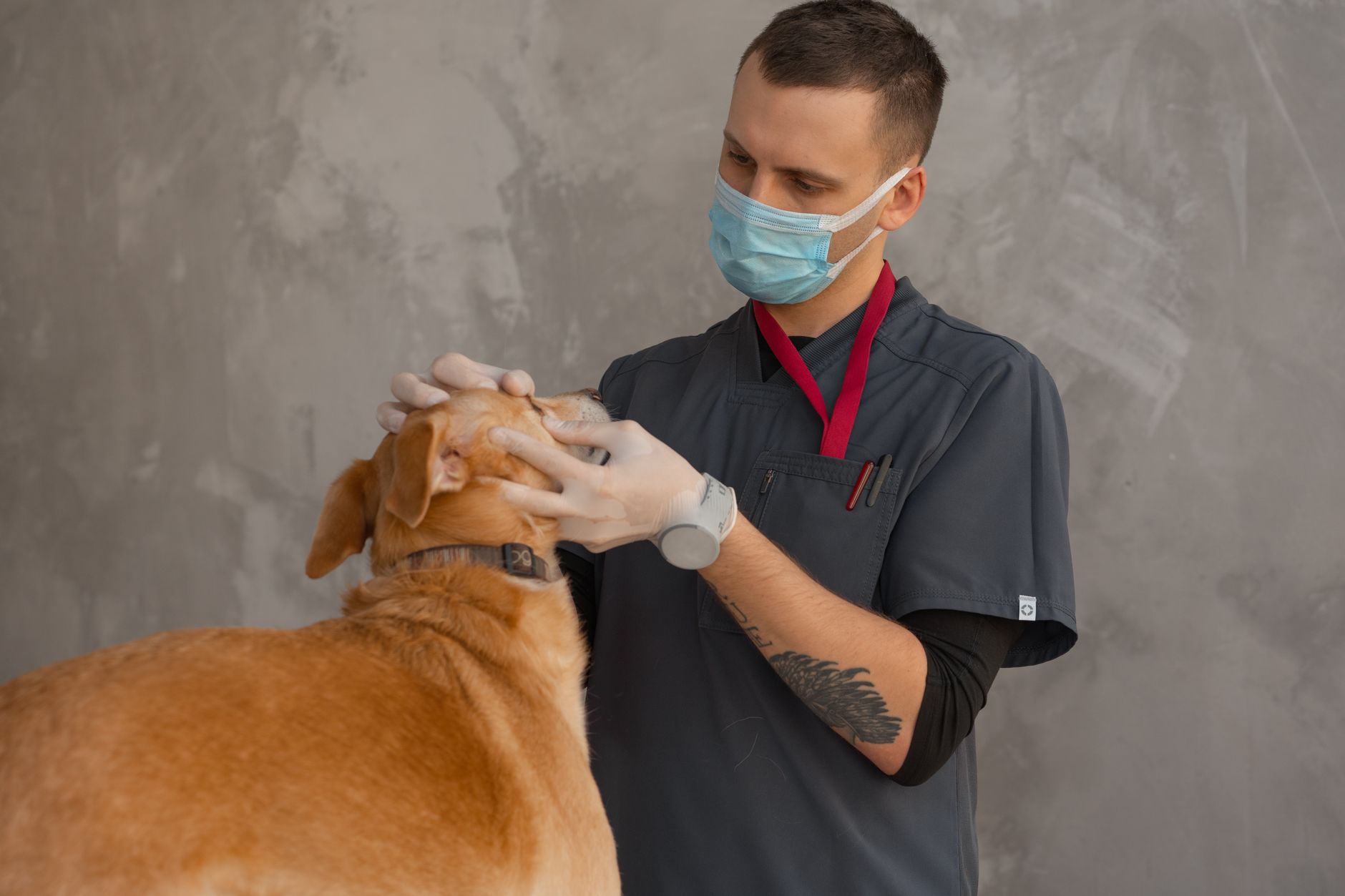
Fibrinogen is a protein that plays a crucial role in blood clotting and inflammation. In senior dogs, monitoring fibrinogen levels can provide insights into the presence of chronic inflammatory conditions or other health issues. The normal reference range for fibrinogen in senior dogs is 150-300 mg/dL.
When interpreting fibrinogen results, it’s important to understand that an increase above this range typically indicates inflammation or a state of acute-phase response. This could be due to various conditions such as chronic kidney disease, liver disorders, or inflammatory diseases like arthritis. Conversely, if the level is below the reference range, it might suggest consumption (such as in disseminated intravascular coagulation) or decreased hepatic production.
It’s crucial to interpret fibrinogen levels alongside other clinical parameters and symptoms. For instance, elevated C-reactive protein (C-reactive protein (CRP), another marker of inflammation, can support the interpretation of high fibrinogen levels. Additionally, assessing white blood cell count (WBC) and platelet count can provide further context regarding ongoing inflammatory or infectious processes.
For a more comprehensive evaluation, it is also beneficial to consider other biochemical markers that may be elevated in conjunction with fibrinogen. For example, an increase in serum amyloid A (serum amyloid A (SAA), another acute-phase protein, often correlates with high fibrinogen levels and can indicate the presence of systemic inflammation or infection.
Moreover, liver enzymes such as alanine aminotransferase (alanine aminotransferase (ALT)) and alkaline phosphatase (ALP) should be evaluated in conjunction with fibrinogen. Elevated ALT levels may suggest hepatocellular damage, while increased ALP can indicate biliary obstruction or hepatic disease.
It is important to note that the interpretation of these laboratory results must always take into account the clinical context and history of the individual dog. For example, a senior dog with chronic kidney disease might show elevated fibrinogen levels due to ongoing inflammation associated with the condition. Similarly, a dog with liver dysfunction may exhibit both high fibrinogen and abnormal liver enzyme levels.
| Parameter | Normal Range |
|---|---|
| Fibrinogen | 150-300 mg/dL |
| C-reactive protein (CRP) | within the reference range |
| White Blood Cell Count (WBC) | normal or elevated |
| Platelet Count | within the reference range or slightly elevated |
| Alanine Aminotransferase (ALT) | 17-95 U/L |
| Alkaline Phosphatase (ALP) | 7-115 U/L |
See the full reference intervals for the dog — every value cited to the laboratory document or paper it came from.
What Causes Elevated Fibrinogen Levels?
Elevated fibrinogen levels in senior dogs can be indicative of several underlying conditions, primarily those involving inflammation or infection. When the body is fighting an illness or injury, it often triggers an acute-phase response, which includes increased production of proteins like fibrinogen to help manage and repair tissue damage. This process is crucial for maintaining homeostasis during times of stress or disease.
Inflammation is one of the most common reasons for elevated fibrinogen levels in senior dogs. Chronic conditions such as arthritis, inflammatory bowel disease (IBD), or dental issues can cause persistent low-grade inflammation throughout the body. For example, chronic periodontal disease may lead to systemic inflammation due to bacterial toxins entering the bloodstream from infected gums. This sustained inflammation drives up fibrinogen production as part of a broader immune response aimed at combating infection and repairing damaged tissues.
Infections, whether bacterial, viral, or fungal, also stimulate an acute-phase response leading to higher fibrinogen production. For instance, a dog with pneumonia caused by a bacterial infection would exhibit elevated fibrinogen levels due to the body’s attempt to fight off the invading pathogens. The immune system releases cytokines that signal liver cells to produce more fibrinogen and other acute-phase proteins.
Chronic diseases like heart failure, liver disease, and certain types of cancer can also contribute to elevated fibrinogen levels. These conditions often cause systemic inflammation that persists over time, driving up the body’s need for clotting factors and other proteins involved in tissue repair. For example, chronic kidney disease may lead to increased fibrinogen as part of a broader inflammatory response aimed at managing ongoing damage to renal tissues.
| Cause | Mechanism | Typical Signs |
|---|---|---|
| Inflammation | Acute-phase response increases fibrinogen production. | Lethargy, fever, joint pain, weight loss. |
| Infection | Bacterial or viral infection triggers acute-phase response. | Fever, coughing, vomiting, diarrhea. |
| Chronic Disease | Persistent inflammation leads to sustained elevation of fibrinogen. | Weight loss, poor appetite, lethargy, enlarged abdomen. |
How Does High Fibrinogen Compare to Other Blood Parameters?

When fibrinogen is elevated in senior dogs, it often signals an underlying inflammatory process. This marker’s elevation can be compared to other blood parameters like C-reactive protein (CRP) and white blood cell count (WBC). Both CRP and WBC are commonly used as indicators of inflammation or infection, similar to fibrinogen.
For instance, a high fibrinogen level may correlate with an elevated CRP. CRP is another acute-phase reactant that rises in response to systemic inflammation or infection. When both markers are above their reference ranges, it strongly suggests ongoing inflammatory activity within the body. Similarly, if WBC count is increased alongside elevated fibrinogen, this combination points towards a significant immune response, possibly due to an active infection or chronic inflammatory condition.
However, while these parameters often move in tandem, they are not interchangeable. Each marker provides unique insights into different aspects of the body’s response to disease. For example, CRP is more specific for systemic inflammation than local tissue damage, whereas fibrinogen can also be elevated due to coagulation activation or liver dysfunction. WBC count, on the other hand, offers a broader picture of immune activity and can indicate conditions like leukemia or severe infection.
Understanding these differences is crucial in clinical practice. For example, if a senior dog presents with high fibrinogen levels, it might be prudent to also measure CRP and WBC to gain a more comprehensive view of the underlying condition. If both CRP and WBC are elevated alongside fibrinogen, this triad strongly suggests an active inflammatory or infectious process.
Moreover, each marker has its own clinical utility based on specific scenarios:
| Marker | What it Adds | When Preferred |
|---|---|---|
| Fibrinogen | Indicates coagulation activation and liver function in addition to inflammation. | When suspecting both systemic inflammation and potential liver issues. |
| CRP | Specifically highlights systemic inflammatory response without indicating local tissue damage. | When differentiating between systemic and localized inflammation. |
| WBC | Provides a broad overview of immune activity, including potential infections or leukemia. | When assessing overall immune status and ruling out severe infections. |
How Should Elevated Fibrinogen Levels Be Interpreted?
Elevated fibrinogen levels in senior dogs can be a sign of underlying inflammation or an acute-phase response. This marker is often elevated when the body is fighting off infections, dealing with chronic inflammatory conditions, such as arthritis, dental disease, or even certain cancers can also cause persistent elevations in this marker. Additionally, liver dysfunction may lead to decreased production of fibrinogen, but if there is no evidence of liver issues, the elevation is more likely due to inflammation.
It’s crucial to interpret elevated fibrinogen levels alongside other blood parameters and clinical signs. For instance, a high white blood cell count (WBC) might suggest an active infection or inflammatory process. Similarly, increased C-reactive protein (CRP) can indicate ongoing inflammation. These markers together provide a more comprehensive picture of the dog’s health status.
| Finding | What it may suggest | Suggested next step |
|---|---|---|
| Above the reference range | Inflammation or acute-phase response | Further diagnostic tests to identify underlying cause, such as blood cultures, imaging studies, and a thorough physical exam. |
| Markedly elevated | Severe inflammation or infection | Immediate veterinary consultation and possibly hospitalization for supportive care. |
| Persistent elevation over time | Chronic inflammatory condition or ongoing infection | Regular monitoring and follow-up with the veterinarian to adjust treatment as needed. |
| Elevated alongside other inflammatory markers | Supports diagnosis of systemic inflammation or infection | Comprehensive evaluation including blood tests, imaging, and possibly a biopsy if indicated. |
| Elevated with normal liver enzymes | Inflammation rather than hepatic dysfunction | Focus on identifying and treating the inflammatory cause. |
When fibrinogen levels are elevated, it’s important to consider a range of potential causes. Inflammation is often at the forefront, but other factors such as infection or tissue damage can also play a role. The veterinarian will likely order additional tests to pinpoint the exact cause. For example, blood cultures might be taken if an infection is suspected, while imaging studies like X-rays or ultrasounds could help identify any structural issues contributing to inflammation.
It’s crucial for owners to understand that elevated fibrinogen alone does not provide a definitive diagnosis but rather points towards the need for further investigation. The veterinarian will use this information alongside other clinical signs and test results to develop an appropriate treatment plan tailored to the individual dog’s needs. Regular monitoring of fibrinogen levels can also help track progress and adjust treatments as necessary.
Are There Breed or Age Differences in Fibrinogen Levels?

Fibrinogen levels can vary based on several factors, including age and underlying health conditions. In senior dogs, the body’s inflammatory response may be more pronounced due to chronic diseases such as arthritis, dental disease, or cancer. This increased inflammation often leads to higher fibrinogen levels compared to younger dogs who typically have lower baseline levels of this acute-phase protein. As dogs age, their immune systems can become less efficient at managing chronic inflammation, leading to sustained elevations in fibrinogen that may not be present in younger animals.
When it comes to breed differences, no significant variations in fibrinogen levels have been documented across different dog breeds. However, certain conditions that are more prevalent in specific breeds can indirectly affect fibrinogen levels. For example, Cocker Spaniels and other breeds prone to chronic inflammatory diseases might show higher fibrinogen levels due to the persistent inflammation associated with these conditions. Similarly, breeds like the Doberman Pinscher, which have a predisposition for chronic active hepatitis, may exhibit elevated fibrinogen as part of their systemic inflammatory response.
It’s important for veterinarians to consider a dog’s overall health history when interpreting elevated fibrinogen levels. If a senior dog has a breed-specific condition that causes chronic inflammation, such as Cocker Spaniel copper hepatopathy or Doberman chronic active hepatitis, higher fibrinogen levels may be expected and should be evaluated in the context of these conditions. Understanding the specific health challenges associated with certain breeds can help veterinarians better interpret test results and tailor treatment plan