High calcium in dogs (hypercalcemia) — paraneoplastic vs primary causes
High calcium in dogs (hypercalcemia) — paraneoplastic vs primary causes
Wondering what a full interpretation looks like? See a sample report →
Why Should Pet Owners Care About High Calcium in Dogs?

High calcium levels in dogs, known as hypercalcemia, can be a significant health concern. When calcium levels exceed the reference interval, it indicates an elevation that requires attention, and levels above the reference interval are considered critical. Hypercalcemia can be a symptom of underlying health issues, including paraneoplastic syndromes (conditions associated with cancer) or primary causes such as hyperparathyroidism. Recognizing and addressing hypercalcemia early is crucial for maintaining your dog’s health and preventing severe complications.
Hypercalcemia can lead to a range of health problems in dogs. Elevated calcium levels can cause kidney damage, as the kidneys struggle to filter excess calcium, potentially leading to elevated creatinine levels above the reference interval, which is a marker of kidney stress. In severe cases, this can progress to acute kidney injury, where creatinine levels may exceed the reference interval, necessitating immediate veterinary intervention. Additionally, hypercalcemia can result in gastrointestinal issues, such as vomiting and constipation, as well as neurological symptoms like lethargy and muscle weakness.
Early detection of hypercalcemia is vital for effective management and treatment. Routine laboratory analysis often reveals elevated calcium levels before clinical signs become apparent. Regular blood tests, especially in senior dogs, can help identify hypercalcemia early. Senior Dog Blood Tests — Common Abnormalities Decoded provides insights into essential tests for older dogs. By catching hypercalcemia early, veterinarians can investigate the underlying cause and initiate appropriate treatment, which may include medications like prednisolone to reduce calcium levels or surgical intervention in cases of parathyroid tumors.
Pet owners should be aware that certain breeds may have predispositions to conditions associated with hypercalcemia. However, no strong breed predilection has been documented for hypercalcemia itself; most cases occur in mixed-breed dogs without specific genetic predisposition. Therefore, it is essential for all dog owners to monitor their pets for signs of illness and seek veterinary care if they suspect any abnormalities. Timely intervention can significantly improve outcomes, reducing the risk of long-term complications and enhancing the quality of life for affected dogs.
What Is Hypercalcemia in Dogs?
Hypercalcemia in dogs refers to an elevated level of calcium in the blood, specifically above the reference interval, with critical levels exceeding the reference interval. Calcium plays a crucial role in canine physiology, contributing to bone health, nerve function, and muscle contraction. However, when calcium levels rise excessively, it can lead to serious health issues, including kidney damage and cardiac problems.
In dogs, hypercalcemia can arise from various causes, broadly categorized into paraneoplastic and primary causes. Paraneoplastic hypercalcemia is often associated with cancer, where tumors produce substances that increase calcium levels. Common cancers linked to this condition include lymphoma and anal sac adenocarcinoma. On the other hand, primary hypercalcemia is typically due to disorders of the parathyroid glands, such as primary hyperparathyroidism, where the glands secrete excessive parathyroid hormone (PTH), leading to increased calcium release from bones.
Differentiating between these causes is essential for effective treatment. Diagnostic protocols typically suggest measuring PTH levels and imaging studies to identify potential tumors. In dogs, treatment may involve addressing the underlying cause, such as surgical removal of a parathyroid tumor or chemotherapy for cancer. Medications like prednisolone may be used to manage symptoms by reducing calcium absorption and promoting renal excretion.
Early detection and intervention are crucial in managing hypercalcemia in dogs. Regular blood tests, especially in breeds predisposed to certain cancers, can help in early identification and improve outcomes. For more information on related conditions, you may explore elevated BUN and creatinine in dogs and their implications.
What Are the Normal Calcium Levels in Dogs?

Calcium is a vital mineral in dogs, playing a crucial role in bone health, muscle function, and nerve signaling. Normal calcium levels in dogs typically range from 9.4-11.1 mg/dL. When calcium levels exceed the reference interval, they are considered elevated, and levels above the reference interval are deemed critical, requiring immediate veterinary attention. Understanding these thresholds is essential for diagnosing and managing conditions like hypercalcemia, which can arise from various causes.
Routine laboratory analysis often reveals calcium levels within the normal range for most dogs. However, when levels are elevated, it is crucial to determine the underlying cause. Hypercalcemia can result from primary conditions such as hyperparathyroidism or secondary causes like paraneoplastic syndromes, where tumors produce substances that increase calcium levels. Identifying the cause is vital for effective treatment and management.
Monitoring calcium levels is a standard part of blood tests in dogs, especially when symptoms such as increased thirst, frequent urination, or lethargy are present. These symptoms can indicate elevated calcium levels, prompting further investigation. In cases where hypercalcemia is suspected, additional tests may be conducted to assess related parameters, such as phosphorus and creatinine levels, to provide a comprehensive view of the dog’s health.
| Calcium Level (mg/dL) | Interpretation |
|---|---|
| 9.0 – 11.5 | Normal |
| Above the reference interval | Elevated – Investigate underlying causes |
| Above the reference interval | Critical – Immediate veterinary intervention required |
See the full reference intervals for the dog — every value cited to the laboratory document or paper it came from.
When hypercalcemia is detected, a thorough diagnostic workup is necessary. This may include imaging studies, hormone level assessments, and possibly a biopsy if a tumor is suspected. In dogs, treatment options vary depending on the cause and may involve medications such as prednisolone to reduce inflammation or bisphosphonates to lower calcium levels. In some cases, surgical intervention may be required to remove a tumor or affected gland.
What Causes High Calcium in Dogs?

High calcium levels in dogs, known as hypercalcemia, can arise from various underlying conditions. When calcium levels exceed the reference interval, it is considered elevated, and levels above the reference interval are critical. Paraneoplastic syndromes and primary causes are the two main categories of hypercalcemia. Understanding these differential diagnoses is crucial for effective management.
Paraneoplastic hypercalcemia is often associated with cancer. Lymphoma and anal sac adenocarcinoma are the most common neoplasms linked to elevated calcium levels. These cancers produce parathyroid hormone-related peptide (PTHrP), which mimics the action of parathyroid hormone, leading to increased calcium release from bones and reduced renal excretion. Clinical experience shows that dogs with paraneoplastic hypercalcemia may present with lethargy, anorexia, and polyuria/polydipsia (increased urination and thirst).
Primary hypercalcemia, on the other hand, is often due to primary hyperparathyroidism, where a benign tumor in the parathyroid gland causes excessive hormone production. This condition leads to increased calcium absorption from the intestines and kidneys. Veterinary internal medicine specialists recognize that primary hyperparathyroidism is less common than paraneoplastic causes but should be considered, especially in older dogs.
Other causes of hypercalcemia include chronic kidney disease (CKD) and hypoadrenocorticism (Addison’s disease). CKD can lead to secondary hyperparathyroidism, where phosphorus retention and decreased renal function contribute to elevated calcium levels. In dogs, elevated creatinine levels above the reference interval often accompany CKD. Addison’s disease, characterized by low cortisol production, can also cause hypercalcemia due to decreased renal excretion of calcium.
| Condition | Calcium Level (mg/dL) | Clinical Interpretation |
|---|---|---|
| Lymphoma | 13.5 | Paraneoplastic hypercalcemia |
| Anal Sac Adenocarcinoma | 14.2 | Critical hypercalcemia |
| Primary Hyperparathyroidism | 12.8 | Primary cause |
| Chronic Kidney Disease | 12.3 | Secondary hyperparathyroidism |
| Addison’s Disease | 12.1 | Decreased renal excretion |
How Does Calcium Compare with Other Blood Parameters?
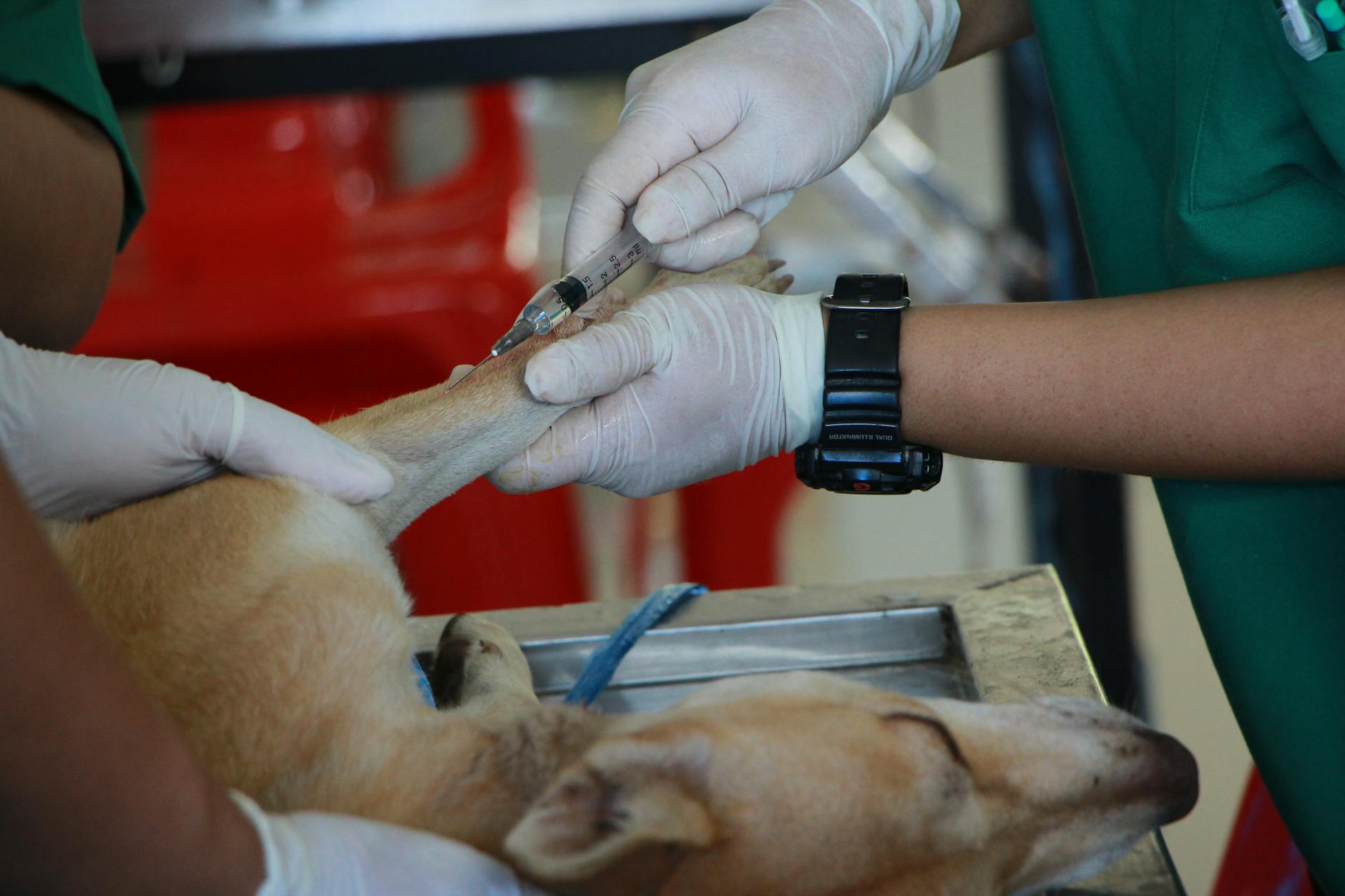
In dogs, evaluating calcium levels alongside other blood parameters such as phosphorus and kidney markers like creatinine is crucial for a comprehensive understanding of their health status. Calcium levels are considered normal between 9.4-11.1 mg/dL, with values above the reference interval indicating elevation and those exceeding the reference interval being critical. These thresholds help veterinarians determine the severity of hypercalcemia and its potential causes.
Phosphorus, another essential mineral, typically ranges from 2.7-5.4 mg/dL in dogs. Elevated phosphorus levels above the reference interval can indicate renal dysfunction or dietary imbalances, while critical levels above the reference interval may necessitate immediate intervention. Clinical pathology data suggests that when both calcium and phosphorus are elevated, it may point towards renal failure or certain types of cancer, such as lymphoma, which can cause paraneoplastic hypercalcemia.
Creatinine, a key marker of kidney function, normally falls between 0.6-1.4 mg/dL. Levels above the reference interval suggest renal impairment, and those exceeding the reference interval are critical, often indicating severe kidney damage. Elevated creatinine levels, when observed alongside high calcium, can complicate the clinical picture, as both parameters are interrelated in conditions like chronic kidney disease (CKD).
| Parameter | Normal Range | Clinical Interpretation |
|---|---|---|
| Calcium |