Anemia in Goats — Barber Pole Worm or Copper Deficiency?
Wondering what a full interpretation looks like? See a sample report →
Why Should Goat Owners Care About Anemia?
Anemia in goats is a critical health issue that can significantly impact their well-being and productivity. Understanding the causes, such as the barber pole worm (Haemonchus contortus) and copper deficiency, is essential for effective management. The barber pole worm is a parasitic nematode that feeds on blood, leading to a decrease in hemoglobin levels, which can take haemoglobin below the reference interval of 8.9-13.8 g/dL. This can result in severe anemia, characterized by weakness, pale mucous membranes, and reduced growth rates.
Copper deficiency, on the other hand, affects the production of red blood cells, leading to anemia. Copper status is judged against the interval your laboratory reports for the method it uses, because the figure depends on whether serum or liver tissue was tested. A result under that interval fits copper deficiency and can come with a poor, faded coat, diarrhoea and reduced fertility. Boer goats are occasionally more susceptible to copper deficiency, especially when grazing on copper-deficient pastures.
Regular monitoring of hematocrit and hemoglobin levels is vital for early detection of anemia. Hematocrit levels below the reference interval are critical and require immediate intervention. Routine faecal egg counts show how heavy the parasite burden is; the laboratory reports the count against its own guidance, and a high count in an anaemic goat points at Haemonchus as the cause. By understanding these parameters, goat owners can implement timely interventions, such as deworming and dietary adjustments, to prevent the progression of anemia and maintain herd health.
Anemia can lead to significant economic losses due to decreased milk production and growth rates. Therefore, proactive management and regular health checks are crucial. By addressing the underlying causes of anemia, goat owners can ensure their animals remain healthy and productive, ultimately safeguarding their investment and livelihood.
What is Anemia in Goats?
Anemia in goats is a condition characterized by a deficiency of red blood cells or hemoglobin, which impairs the blood’s ability to carry oxygen. This can lead to symptoms such as lethargy, pale mucous membranes, and reduced growth rates. In goats, normal hemoglobin levels range from 8.9-13.8 g/dL, while critical levels fall below the reference interval. The haematocrit, which is the proportion of blood volume made up of red cells, sits at 28-44% in a healthy goat, and a value below that interval carries the same meaning as a low haemoglobin.
The physiology of anemia involves a decrease in the number of red blood cells or a reduction in hemoglobin concentration. This can result from various factors, including nutritional deficiencies, parasitic infections, or chronic diseases. In goats, anemia often arises from parasitic infestations, such as the Barber Pole Worm (Haemonchus contortus), which can cause significant blood loss. A high faecal egg count in an anaemic goat indicates a heavy parasitic burden.
Anemia affects the overall health of goats by reducing their ability to transport oxygen efficiently. This can lead to fatigue, decreased appetite, and poor growth. In severe cases, anemia can compromise the immune system, making goats more susceptible to infections. Addressing the underlying cause of anemia, whether it be parasitic or nutritional, is crucial for effective management and recovery.
Goats show minimal breed-level predisposition for most blood parameters. Diet, especially copper status, and parasite burden are the primary drivers of clinical patterns. Copper deficiency can likewise cause anaemia, because copper is needed to build haemoglobin. Maintaining adequate copper levels and managing parasitic loads are essential strategies in preventing anemia in goats.
What Are the Laboratory Reference Ranges for Goats?
Understanding the laboratory reference ranges for goats is crucial for diagnosing conditions such as anemia. Hemoglobin levels in goats typically range from 8.9-13.8 g/dL. Values exceeding the reference interval are considered elevated, while levels below the reference interval are critical and may indicate severe anemia. Similarly, the hematocrit range is 28-44%, with levels above the reference interval being elevated and those below the reference interval considered critical.
For assessing mineral status, copper levels are vital. Copper is read against the interval printed by the laboratory that ran it, because the figure depends on the method and on whether serum or liver tissue was tested. A result under that interval supports deficiency; a result above it raises the opposite concern, copper accumulation, to which goats are particularly prone. Fecal egg count is another important parameter. The laboratory reports the count with its own interpretation, and a high count in an anaemic goat points at a heavy Haemonchus burden.
Goats show minimal breed-level predisposition for most blood parameters. Instead, diet, parasite burden, and reproductive stage are the primary drivers of clinical patterns. Copper deficiency tracks the mineral content of the pasture and the supplementation the herd receives, which is an environmental matter rather than an inherited one.
| Parameter | Normal Range | Clinical Interpretation |
|---|---|---|
| Hemoglobin | 8.9-13.8 g/dL | Anemia or polycythemia |
| Hematocrit | 28-44% | Dehydration or anemia |
| RBC (red cell count) | 13.6-23.7 x10^6/uL | Falls with the haemoglobin in anaemia |
| MCV (cell size) | 16-22 fL | Smaller cells fit long-standing blood loss |
See the full reference intervals for the goat — every value cited to the laboratory document or paper it came from.
Routine laboratory analysis often reveals these parameters, aiding in the differential diagnosis of anemia in goats. By understanding these reference ranges, veterinarians can better identify and manage conditions like barber pole worm infestations or copper deficiency, ensuring optimal health for goat herds.
What Causes Anemia in Goats?
Anemia in goats can arise from various causes, with barber pole worm (Haemonchus contortus) infestation and copper deficiency being two primary culprits. Understanding the differential diagnosis is crucial for effective management. Barber pole worm is a parasitic nematode that feeds on the blood of the host, leading to significant blood loss. It is diagnosed with a faecal egg count read against the laboratory’s own guidance, together with the clinical picture. Copper deficiency, in contrast, follows inadequate intake or poor absorption, and reduces haemoglobin synthesis; it is confirmed when the copper result falls under the interval the laboratory reports.
A comprehensive diagnostic approach is essential. This includes evaluating hemoglobin and hematocrit levels. Hemoglobin levels below the reference interval and hematocrit levels under the reference interval are critical indicators of anemia. In cases of barber pole worm infestation, goats often present with pale mucous membranes and bottle jaw (submandibular edema) due to hypoproteinemia. Conversely, copper deficiency may manifest as poor coat condition and reduced growth rates.
Treatment strategies differ based on the underlying cause. For barber pole worm, anthelmintics are commonly used, although resistance is a growing concern. In goats, copper supplementation can be given by mouth or by injection, but the dose must be directed by a veterinarian, because goats sit close to the line between deficiency and copper toxicity.
| Parameter | Reference interval (goat) | What a low value points to |
|---|---|---|
| Haemoglobin | 8.9-13.8 g/dL | Anaemia; the lower it goes, the less oxygen reaches the tissues |
| Haematocrit | 28-44% | Anaemia, once dehydration has been ruled out |
| RBC (red cell count) | 13.6-23.7 x10^6/uL | Falls together with the haemoglobin in anaemia |
| MCV (cell size) | 16-22 fL | Smaller cells fit iron loss from long-standing bleeding |
How Do Related Parameters Compare?
When diagnosing anemia in goats, it is crucial to differentiate between barber pole worm infection and copper deficiency. Both conditions can lead to anemia, but they present distinct patterns in laboratory parameters. Understanding these differences can guide effective treatment strategies.
Hemoglobin and hematocrit levels are key indicators. In cases of barber pole worm infection, goats often exhibit critical hemoglobin levels below the reference interval and hematocrit levels under the reference interval. This is due to the parasite’s blood-sucking nature, leading to significant blood loss. In contrast, copper deficiency typically results in less severe anemia, with hemoglobin levels hovering around the lower end of the normal range (8.9-13.8 g/dL) and hematocrit levels slightly reduced but not critical.
Fecal egg count is another vital parameter. A high egg count strongly supports barber pole worm. Copper works the other way round: it falls under the laboratory interval in deficiency, while a barber pole worm burden leaves copper untouched. These parameters, when evaluated together, can effectively distinguish between the two conditions.
| What you see | Barber pole worm | Copper deficiency |
|---|---|---|
| How the anaemia arrives | Fast, because the worm feeds on blood; a goat can crash within days of a heavy burden. | Slowly, over weeks to months, as haemoglobin synthesis falls behind. |
| Typical accompanying signs | Pale membranes with bottle jaw, the soft swelling under the jaw that follows protein loss. | Faded, rough coat, poor growth and reduced fertility; no bottle jaw. |
| Faecal egg count | High, read against the laboratory’s interpretation. | Unaffected by the deficiency. |
| Copper result | Sits within the laboratory interval. | Falls under the laboratory interval. |
| What resolves it | Anthelmintic treatment chosen with resistance in mind, plus pasture management. | Supplementation directed by a veterinarian, because the margin to copper toxicity in goats is narrow. |
Combining these parameters provides a comprehensive diagnostic approach. By evaluating hemoglobin, hematocrit, copper levels, and fecal egg counts, veterinarians can more accurately determine the underlying cause of anemia in goats, ensuring targeted and effective treatment.
How to Interpret Blood Work Results in Goats?
Interpreting blood work results in goats is crucial for diagnosing anemia, whether due to Barber Pole Worm infestation or copper deficiency. Understanding the nuances of blood parameters can guide effective treatment.
- Evaluate Hemoglobin and Hematocrit Levels: Begin by assessing the hemoglobin and hematocrit values. Normal hemoglobin levels range from 8.9-13.8 g/dL, while hematocrit should be between 28-44%. Values below these ranges indicate anemia, with critical levels being hemoglobin outside the reference interval and hematocrit outside the reference interval.
- Assess Copper Levels: copper deficiency is a common cause of anaemia in goats. Read the result against the interval on the laboratory report; a value under it suggests deficiency that may need supplementation under veterinary direction.
- Check Fecal Egg Count: A faecal egg count shows the parasitic load. The laboratory reports it with its own interpretation, and a high count in an anaemic goat points at Barber Pole Worm and calls for prompt treatment.
Combining these parameters provides a comprehensive view of the goat’s health status.
Timely intervention based on blood work results can significantly improve outcomes.
When a Pale Goat Cannot Wait
The value on the report matters less than how fast it arrived and how the goat is coping. A doe carrying a heavy Haemonchus burden can lose ground within days, so the signs below are read as urgent regardless of what the last blood test showed.
| What you see in the herd | Why it is urgent |
|---|---|
| White or porcelain-pale membranes around the eye or gum | The red-cell mass has fallen far enough to show at the surface; confirm with a blood test rather than by eye alone. |
| Bottle jaw – soft swelling under the jaw | Protein has been lost along with blood, which in goats usually means a heavy parasite burden. |
| Standing apart, lagging behind the herd, unwilling to move | Weakness from poor oxygen delivery; goats hide illness until it is advanced. |
| Rapid breathing at rest | The body is compensating for a red-cell mass that can no longer keep up. |
| A doe in late pregnancy or early lactation with any of the above | Demand is highest exactly when reserves are lowest, so deterioration is faster. |
Are There Breed or Age Differences in Anemia?
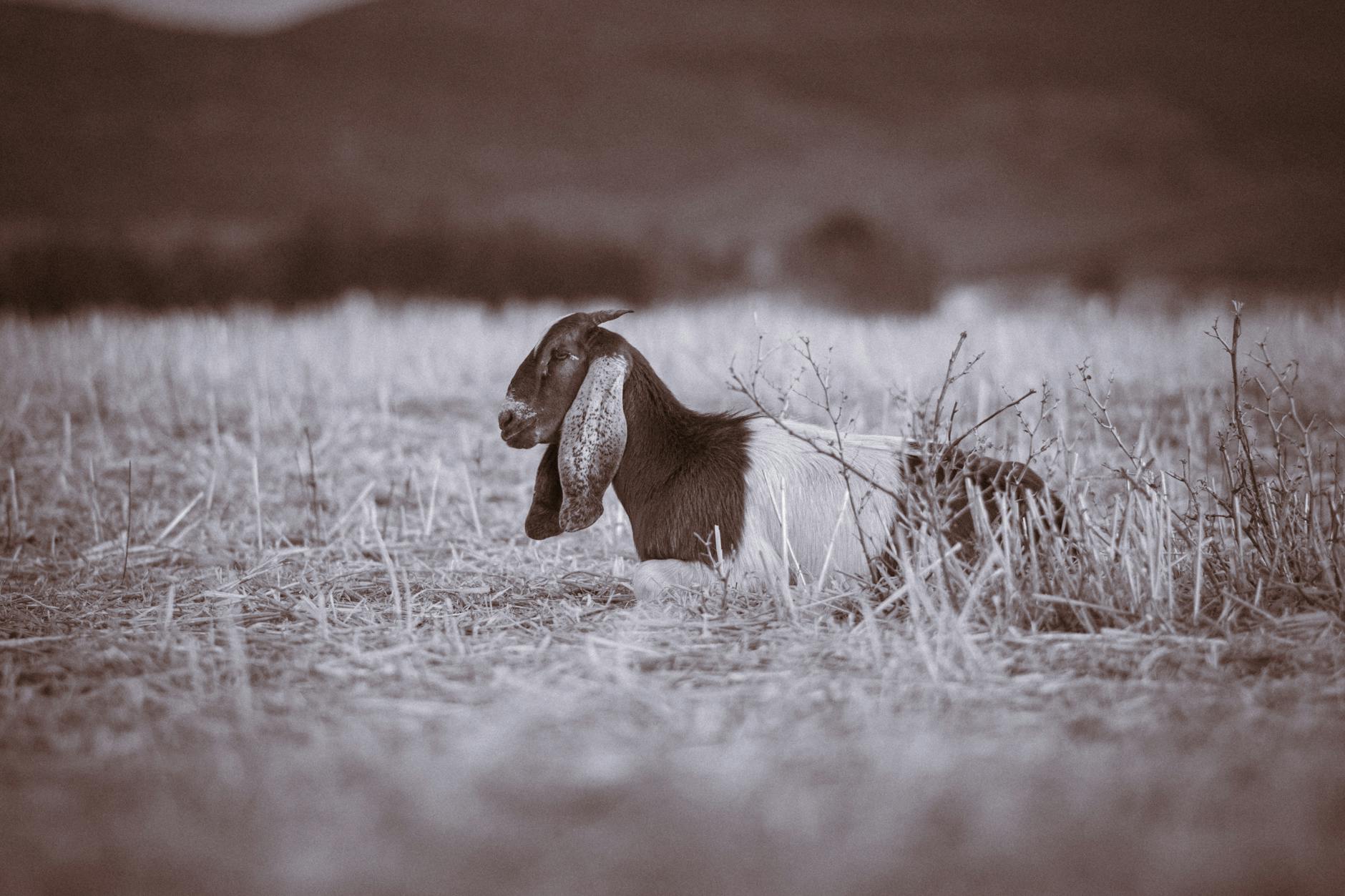
In goats, anemia can present differently based on both breed and age, although breed-level predispositions are minimal for most blood parameters. Diet, parasite burden, and reproductive stage are the primary drivers of clinical patterns. However, certain breeds may exhibit specific vulnerabilities. For instance, Herds grazing copper-poor pasture without supplementation are the ones that develop copper-related anaemia. The copper result then falls under the laboratory interval, haemoglobin synthesis suffers and anaemia follows.
Age is another critical factor influencing anemia in goats. Young kids are particularly susceptible to parasitic infections, such as the Barber Pole Worm (Haemonchus contortus), which can cause severe anemia. This parasite leads to blood loss and a fall in haematocrit below the reference interval of 28-44%. In older goats, chronic conditions or nutritional deficiencies, such as copper deficiency, are more common causes of anemia. Clinical experience shows that older goats may also suffer from anemia due to chronic diseases that affect nutrient absorption or blood production.
Recognizing the signs of anemia early is crucial for effective management. Goats with anemia may exhibit symptoms such as pale mucous membranes, lethargy, and reduced appetite. If a goat’s hemoglobin level falls below the reference interval or hematocrit drops below the reference interval, it is critical to consult a veterinarian. Veterinary internal medicine specialists recognize that timely intervention can prevent severe complications. In goats, treatments may include deworming for parasitic causes or copper supplementation for nutritional deficiencies. However, these interventions should be guided by a veterinarian to avoid toxicity or other adverse effects.
In summary, while breed-specific predispositions to anemia are limited, age and environmental factors play significant roles in its presentation. Monitoring for signs of anemia and consulting a veterinarian when critical thresholds are reached can ensure timely and effective treatment, safeguarding the health and productivity of the herd.
Frequently Asked Questions
What are the common causes of anemia in goats?
Anemia in goats is often caused by parasitic infections, particularly the barber pole worm (Haemonchus contortus), or nutritional deficiencies such as copper deficiency. A high faecal egg count indicates a significant parasitic burden, and copper deficiency is diagnosed when the copper result falls under the interval reported by the laboratory. Both conditions can lead to reduced hemoglobin levels, with critical anemia defined as hemoglobin levels below the reference interval.
How can I differentiate between barber pole worm infection and copper deficiency in my goat?
To differentiate between barber pole worm infection and copper deficiency, a combination of blood tests and fecal egg counts is recommended. A high faecal egg count indicates a likely parasitic infection, and copper deficiency is confirmed when the blood copper result falls under the laboratory interval. Hematocrit levels below the reference interval are critical and require immediate attention regardless of the underlying cause.
What are the emergency signs of anemia in goats that require immediate veterinary attention?
Emergency signs of anemia in goats include severe lethargy, pale mucous membranes, and rapid breathing. Widely accepted clinical guidelines recommend seeking immediate veterinary care if hemoglobin levels drop below the reference interval or hematocrit falls below the reference interval. These critical levels indicate severe anemia that can be life-threatening if not addressed promptly.
Are certain goat breeds more susceptible to anemia?
Goats show minimal breed-level predisposition to anaemia. What drives it is the ground they graze, the parasite burden they carry, the mineral supplementation they receive and their reproductive stage – a doe in late pregnancy or early lactation is under far more strain than a dry yearling on the same pasture.
What dietary changes can help prevent anemia in goats?
To prevent anemia, ensure your goats have a balanced diet rich in essential minerals, including copper. Copper supplementation may be necessary in areas with copper-deficient soils. Regularly monitor and manage parasite loads through strategic deworming and pasture management. Providing mineral blocks specifically formulated for goats can also help maintain adequate nutrient levels.
How often should I recheck my goat’s blood parameters if they have been diagnosed with anemia?
Rechecking blood parameters should be done based on the severity of the anemia and the treatment plan. Follow-up testing every 2-4 weeks is recommended until blood values stabilize within normal ranges. Hemoglobin levels should be between 8.9-13.8 g/dL, and hematocrit should be 28-44%. Regular monitoring helps ensure the effectiveness of treatment and allows for timely adjustments.
What medications are commonly used to treat anemia in goats?
In goats, treatment for anemia depends on the underlying cause. For barber pole worm infections, anthelmintics may be used. If copper deficiency is diagnosed, copper supplementation is necessary. Always consult with a veterinarian to determine the appropriate treatment and dosage for your specific situation.
Can lifestyle changes help manage anemia in goats?
Lifestyle changes can significantly impact the management of anemia in goats. Ensuring access to high-quality forage and clean water is essential. Implementing rotational grazing can help reduce parasite loads. Widely accepted clinical guidelines recommend regular health checks and fecal egg counts to monitor and manage parasite burdens effectively.
How can I monitor my goat’s health at home for signs of anemia?
At home, monitor your goat for signs of anemia such as pale gums, lethargy, and poor coat condition. Regularly check their mucous membranes for color changes. Keep track of their appetite and weight. If you notice any concerning symptoms, consult a veterinarian for further evaluation and testing.
What is the prognosis for goats diagnosed with anemia?
The prognosis for goats with anemia depends on the underlying cause and the timeliness of treatment. With appropriate management, goats with mild to moderate anemia often recover well. Severe cases, especially those with hemoglobin levels below the reference interval, require immediate intervention. Early diagnosis and treatment improve the chances of a full recovery.
Sources & Further Reading
This article draws on the following authoritative veterinary references. For your pet’s individual case, consult a licensed veterinarian.
- Merck Veterinary Manual — comprehensive clinical reference for veterinary practice
- ACVIM Consensus Statements — American College of Veterinary Internal Medicine
- Veterinary Clinical Pathology — clinical pathology research and case studies