Anemia in Guinea Pigs — Nutritional Deficiency?
Anemia in Guinea Pigs — Nutritional Deficiency?
Wondering what a full interpretation looks like? See a sample report →
Why Should Guinea Pig Owners Care About Anemia?

Anemia in guinea pigs is a condition that can significantly impact their overall health and well-being. Understanding this condition is crucial for pet owners, as it can be indicative of underlying nutritional deficiencies or chronic diseases. Anemia occurs when there is a decrease in the number of red blood cells (RBCs), hemoglobin (HGB), or hematocrit (HCT) levels, which are essential for transporting oxygen throughout the body. In guinea pigs, critical RBC levels are below 5.0 x10⁶/µL, HGB levels below the reference interval, and HCT levels below the reference interval. These thresholds highlight the urgency of addressing anemia promptly to prevent severe health consequences.
Clinical experience shows that anemia in guinea pigs can lead to symptoms such as lethargy, pale gums, and reduced appetite. These signs may be subtle, making it essential for owners to be vigilant and seek veterinary care if they suspect anemia. Timely diagnosis and intervention can prevent the progression of the condition and improve the prognosis for affected guinea pigs. In some cases, anemia may be linked to vitamin C deficiency, a common issue in guinea pigs due to their inability to synthesize this essential nutrient. Ensuring a diet rich in vitamin C can help mitigate this risk.
Moreover, anemia can also be a symptom of more serious underlying conditions, such as chronic kidney disease or liver dysfunction. For instance, elevated blood urea nitrogen (BUN) levels above the reference interval may indicate kidney issues, while high alanine aminotransferase (ALT) levels above the reference interval could suggest liver problems. These conditions require comprehensive diagnostic workups and targeted treatments to manage effectively. Elevated BUN and high ALT levels in other species can provide insights into similar pathophysiological processes in guinea pigs.
What is Anemia in Guinea Pigs?
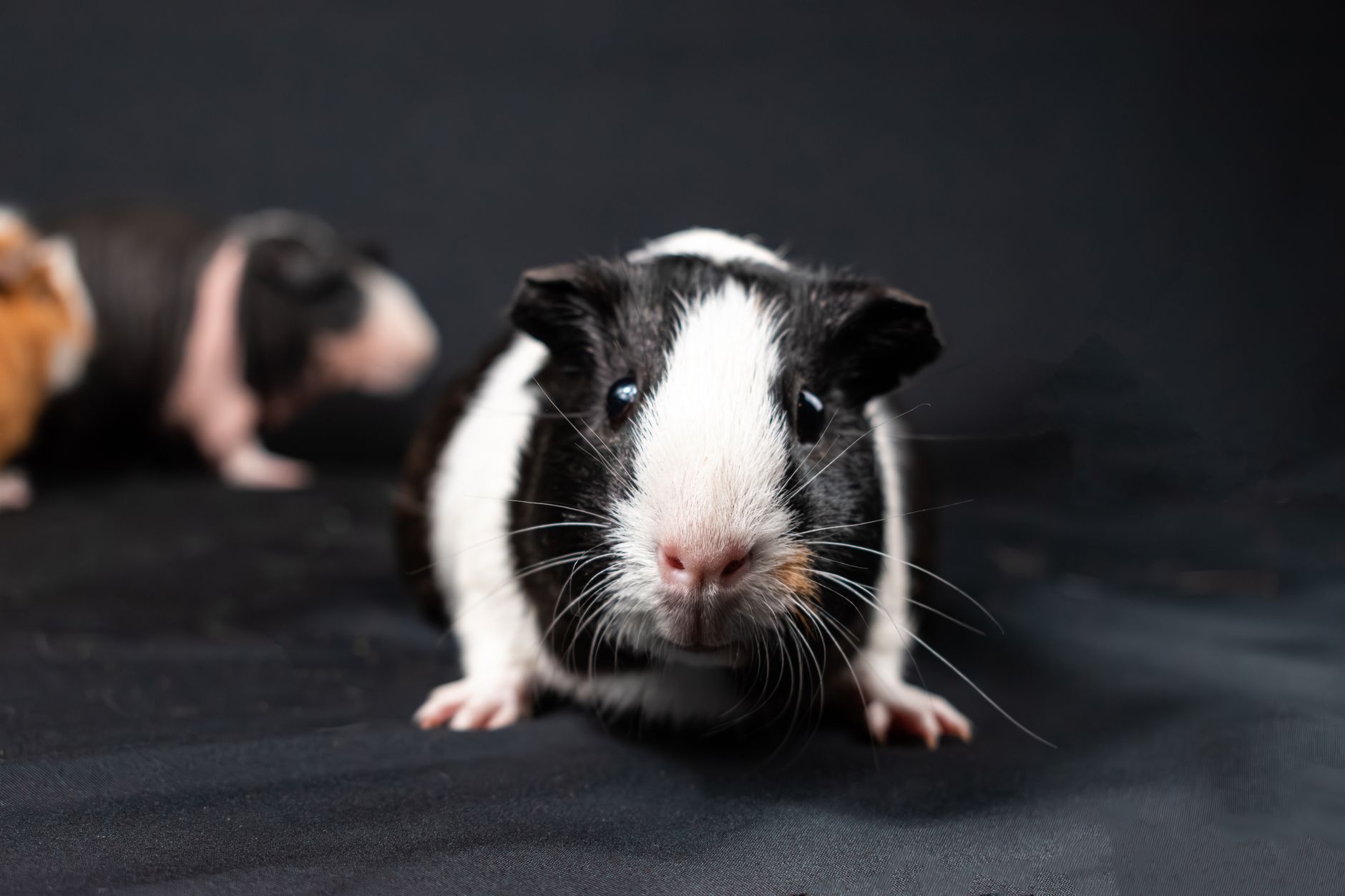
Anemia in guinea pigs is a condition characterized by a deficiency in the number of red blood cells (RBCs), hemoglobin (HGB), or hematocrit (HCT) levels, which are crucial for transporting oxygen throughout the body. In guinea pigs, normal RBC counts range from 6.5 to 8.0 x10⁶/µL, with critical levels falling below 5.0 x10⁶/µL. Hemoglobin levels should be between 11 and 11-17 g/dL, with critical levels below the reference interval, while hematocrit levels should range from 35-45 % to 35-45 %, with critical levels below the reference interval.
When these parameters fall below their critical thresholds, guinea pigs may experience symptoms such as lethargy, pale mucous membranes, and reduced appetite. Anemia can significantly impact their overall health and well-being, as the reduced oxygen-carrying capacity of the blood affects cellular metabolism and organ function. Clinical experience shows that anemia in guinea pigs can result from nutritional deficiencies, particularly vitamin C deficiency, or chronic diseases such as renal failure or parasitic infections.
Guinea pigs are unique in that they cannot synthesize vitamin C due to the lack of the enzyme L-gulonolactone oxidase, making them prone to scurvy if their diet is deficient in this essential nutrient. This deficiency can lead to anemia as vitamin C is vital for iron absorption and collagen synthesis, which are crucial for maintaining healthy blood vessels and bone marrow function. Additionally, chronic diseases such as kidney disease can lead to anemia by reducing erythropoietin production, a hormone necessary for RBC production. Elevated BUN levels, which are above the reference interval, may indicate renal issues contributing to anemia.
Recognized clinical patterns suggest that addressing the underlying cause of anemia, whether through dietary supplementation or managing chronic conditions, is essential for improving the health outcomes of affected guinea pigs. Regular veterinary check-ups and blood tests are recommended to monitor these critical parameters and ensure timely intervention.
What Are the Laboratory Reference Ranges for Guinea Pigs?
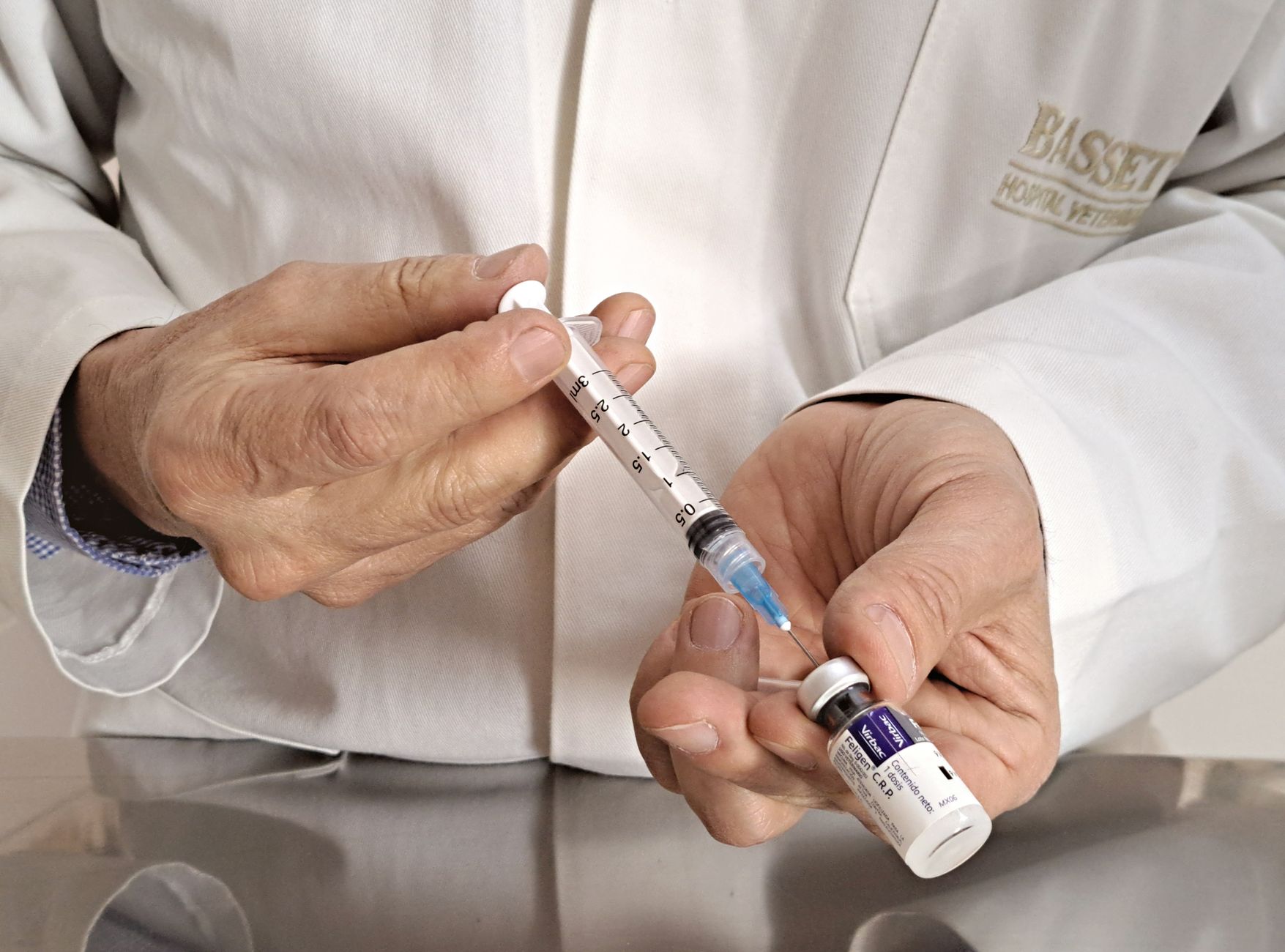
Understanding the laboratory reference ranges for guinea pigs is crucial for diagnosing conditions such as anemia, which can stem from nutritional deficiencies or chronic diseases. Routine laboratory analysis often reveals key insights into a guinea pig's health status. Below is a table outlining the normal blood parameters for guinea pigs, including complete blood count (CBC), liver enzymes, and kidney markers.
| Parameter | Normal Range |
|---|---|
| RBC | 4-7 x10^6/uL |
| HGB | 11-17 g/dL |
| HCT | 35-45 % |
| ALT | 10-25 U/L |
| BUN | 9-32 mg/dL |
See the full reference intervals for the guinea pig — every value cited to the laboratory document or paper it came from.
These reference ranges are essential for interpreting blood tests in guinea pigs. For instance, a low RBC count below 5.0 x10⁶/µL is critical and may indicate severe anemia, necessitating immediate veterinary intervention. Similarly, an elevated ALT level above the reference interval could suggest liver dysfunction, which is a common concern in many species. For more information on liver enzyme elevations, you might find it useful to explore related conditions in other animals, such as high ALT in dogs.
Current clinical consensus suggests that these parameters should be regularly monitored, especially in guinea pigs with known health issues or those exhibiting symptoms such as lethargy or weight loss. Coat-type breed in guinea pigs does not predispose to any documented blood-test abnormality. Clinical patterns are species-level — vitamin C dependency, urolithiasis from dietary calcium, and pregnancy-related issues are diet- and husbandry-driven, not breed-driven. By maintaining a vigilant approach to these laboratory values, veterinarians can better manage and treat potential health issues in guinea pigs.
What Causes Anemia in Guinea Pigs?
Anemia in guinea pigs can arise from a variety of causes, broadly categorized into nutritional deficiencies and chronic diseases. Understanding these causes is crucial for effective diagnosis and treatment. Nutritional deficiencies, particularly a lack of vitamin C, are common due to guinea pigs' inability to synthesize this essential nutrient. Chronic diseases, on the other hand, may include conditions such as renal disease or chronic infections, which can lead to anemia through different mechanisms.
Current clinical consensus suggests that nutritional deficiencies often result in anemia due to inadequate red blood cell (RBC) production. For instance, vitamin C deficiency can lead to scurvy, characterized by weakness and bleeding, which in turn causes a drop in RBC count. In contrast, chronic diseases may cause anemia through mechanisms such as chronic inflammation or organ dysfunction, which can affect the bone marrow's ability to produce RBCs or lead to increased RBC destruction.
To aid in differential diagnosis, the following table outlines potential causes of anemia in guinea pigs, along with their typical laboratory findings:
| Cause | RBC Count (x10^6/µL) | HGB (g/dL) | HCT (%) | Clinical Interpretation |
|---|---|---|---|---|
| Vitamin C Deficiency | 5.0-6.0 | 8-10 | 30-35 | Indicative of scurvy; supplement vitamin C |
| Chronic Kidney Disease | Below the reference interval | Below the reference interval | Below the reference interval | Requires renal support; monitor BUN |
| Chronic Infection | 5.5-6.5 | 9-11 | 35-37 | Treat underlying infection |
| Liver Disease | 5.0-6.0 | 8-10 | 30-35 | Monitor ALT levels; consider liver support |
| Parasitic Infection | 5.5-6.5 | 9-11 | 35-37 | Antiparasitic treatment required |
Veterinary literature consistently reports that addressing the underlying cause of anemia is essential for effective treatment. For nutritional deficiencies, dietary adjustments and supplementation are key. In cases of chronic disease, managing the primary condition often alleviates anemia. Regular monitoring of blood parameters such as RBC, hemoglobin (HGB), and hematocrit (HCT) is crucial for assessing treatment efficacy and adjusting care plans accordingly.
How Do Related Parameters Compare?
Understanding the differences in anemia-related parameters can help differentiate between nutritional deficiencies and chronic diseases in guinea pigs. Red blood cell (RBC) count, hemoglobin (HGB), and hematocrit (HCT) are key indicators of anemia. When these values fall below critical thresholds, it often suggests a nutritional deficiency, such as vitamin C deficiency, which is common in guinea pigs due to their inability to synthesize this vitamin. Conversely, chronic diseases may present with less severe reductions in these parameters but are often accompanied by other abnormal blood values.
Current clinical consensus suggests that evaluating liver and kidney function tests alongside anemia parameters can provide further insights. For instance, elevated alanine aminotransferase (ALT) levels may indicate liver involvement, which could be secondary to chronic disease. Similarly, elevated blood urea nitrogen (BUN) levels can suggest kidney dysfunction, often associated with chronic conditions. These additional parameters help in forming a comprehensive picture of the guinea pig's health status.
By following these steps, you can effectively interpret blood work results in guinea pigs. This process helps identify potential health issues early, allowing for timely intervention and improved outcomes. Remember, coat-type breed in guinea pigs does not predispose them to any documented blood-test abnormalities. Clinical patterns are species-level, driven by diet and husbandry.
Are There Breed or Age Differences in Anemia?
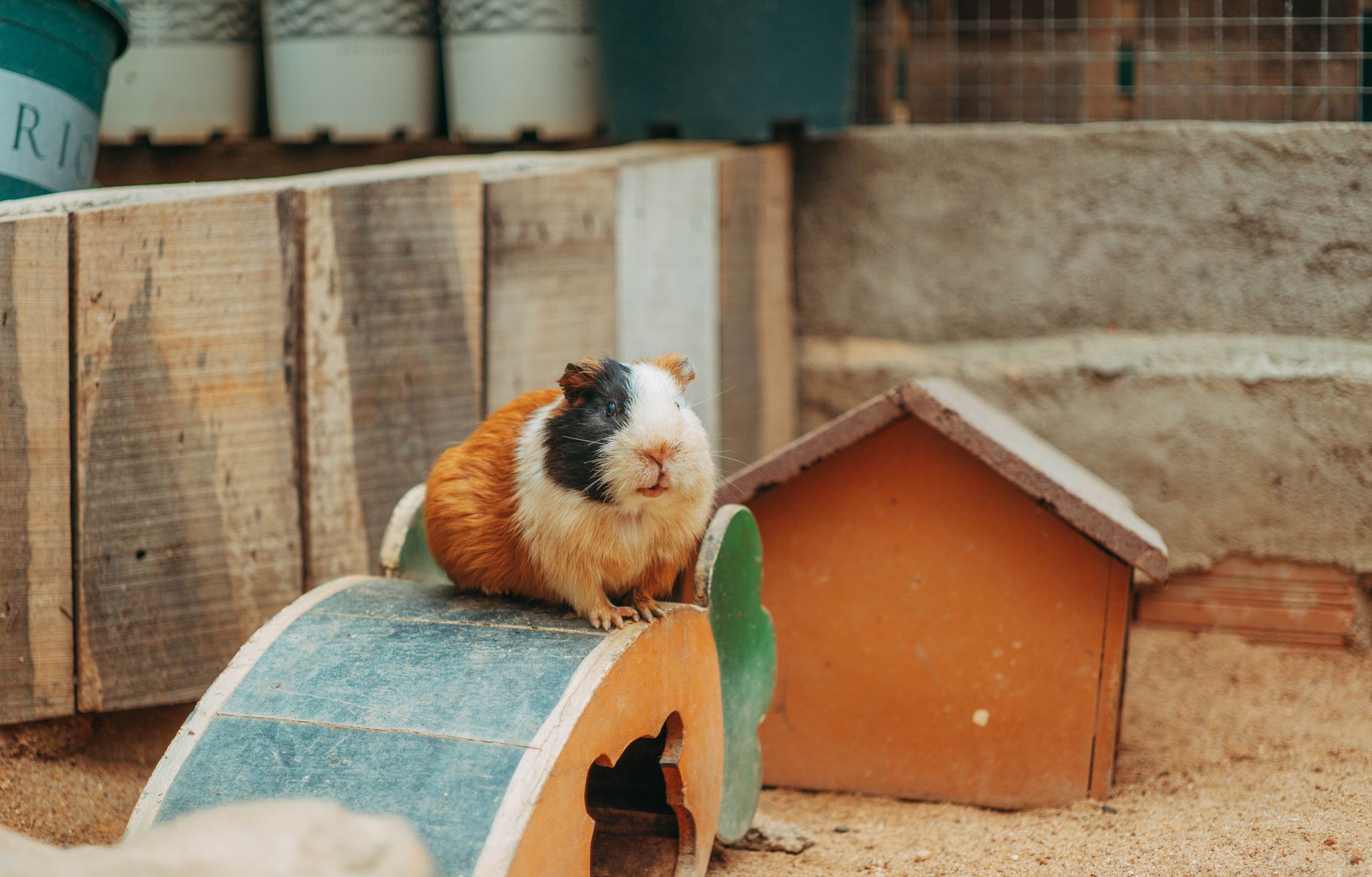
In guinea pigs, anemia can manifest differently depending on the age of the animal, but not the breed. Coat-type breeds in guinea pigs do not predispose them to any documented blood-test abnormalities. Clinical patterns are species-level, with issues such as vitamin C dependency and dietary-related conditions affecting all breeds equally. However, age can play a significant role in how anemia presents and progresses.
Young guinea pigs are particularly susceptible to anemia due to nutritional deficiencies, especially if their diet lacks adequate vitamin C. This deficiency can lead to scurvy, which impairs collagen synthesis and results in bleeding and anemia. In older guinea pigs, anemia is more often associated with chronic diseases such as renal failure or neoplasia. Clinical experience shows that older guinea pigs may exhibit more severe symptoms due to the cumulative effects of chronic conditions.
When evaluating anemia in guinea pigs, it is crucial to monitor specific blood parameters. A red blood cell (RBC) count below 5.0 x10⁶/µL, hemoglobin (HGB) levels under the reference interval, or a hematocrit (HCT) below the reference interval are critical indicators that require immediate veterinary attention. Veterinary internal medicine specialists recognize that these thresholds are vital for determining the severity of anemia and guiding treatment decisions.
Owners should consult a veterinarian if they notice signs of anemia, such as lethargy, pale gums, or decreased appetite, especially in older guinea pigs. Early intervention can significantly improve outcomes, particularly when anemia is due to nutritional deficiencies. In cases of chronic disease, a veterinarian may recommend further diagnostic tests to identify underlying conditions and tailor a treatment plan. In guinea pigs, supportive care often includes dietary adjustments and supplementation, such as vitamin C, to address specific deficiencies.
Frequently Asked Questions
What are the common causes of anemia in guinea pigs?
Anemia in guinea pigs can be caused by nutritional deficiencies, particularly a lack of vitamin C, which is essential for their health. Chronic diseases, such as kidney or liver disease, can also lead to anemia. Per standard veterinary practice, it is important to conduct a thorough examination to determine the underlying cause. Blood tests measuring red blood cell (RBC) count, hemoglobin (HGB), and hematocrit (HCT) levels are crucial for diagnosis.
How is anemia diagnosed in guinea pigs?
Diagnosis of anemia in guinea pigs involves a complete blood count (CBC) to assess RBC, HGB, and HCT levels. Normal RBC levels range from 4-7 x10^6/uL, while critical levels are below the reference interval. HGB should be between 11-17 g/dL, with critical levels below the reference interval. Widely accepted clinical guidelines recommend these tests to identify anemia and its severity.
What dietary changes can help manage anemia in guinea pigs?
Ensuring a diet rich in vitamin C is crucial for guinea pigs, as they cannot synthesize this vitamin on their own. Fresh vegetables like bell peppers and leafy greens are excellent sources. Current clinical consensus suggests supplementing with vitamin C tablets if dietary intake is insufficient. Always consult a veterinarian before making significant dietary changes.
Are there specific medications used to treat anemia in guinea pigs?
In guinea pigs, treatment for anemia may include vitamin C supplementation and addressing any underlying conditions. If anemia is due to a chronic disease, pain relief and treatment of the underlying infection may be considered. Per standard veterinary practice, treatment should be tailored to the individual guinea pig's needs and underlying causes.
How often should a guinea pig with anemia be rechecked by a veterinarian?
Recheck intervals for a guinea pig with anemia depend on the severity and underlying cause. Initially, more frequent visits may be necessary to monitor response to treatment. Published veterinary research has shown that regular follow-ups every few weeks can help ensure effective management. Your veterinarian will provide a specific schedule based on your pet's condition.
What are the emergency signs of anemia in guinea pigs?
Emergency signs of anemia in guinea pigs include severe lethargy, pale gums, and difficulty breathing. If you notice these symptoms, seek veterinary care immediately. Critical levels of RBC (outside the reference interval), HGB (outside the reference interval), or HCT (outside the reference interval) require urgent attention. Widely accepted clinical guidelines recommend prompt intervention to prevent life-threatening complications.
Do certain breeds of guinea pigs have a higher risk of anemia?
Guinea pig coat-type breeds do not have a predisposition to anemia or any specific blood parameter issues. Anemia is more related to dietary factors, such as vitamin C deficiency, and chronic diseases. It is important for all guinea pig owners to provide a balanced diet and regular veterinary check-ups to prevent anemia.
How can I monitor my guinea pig's health at home for signs of anemia?
At-home monitoring involves observing your guinea pig for signs of lethargy, weight loss, and changes in appetite. Check their gums for paleness, which can indicate anemia. Per standard veterinary practice, maintaining a consistent diet rich in vitamin C and regular weight checks can help detect early signs of health issues.
Can chronic diseases in guinea pigs lead to anemia?
Yes, chronic diseases such as kidney or liver disease can lead to anemia in guinea pigs. Elevated blood urea nitrogen (BUN) levels, above the reference interval, may indicate kidney issues. For more information on liver-related blood parameters, you can refer to articles on elevated ALT levels in other species, such as [High ALT in Cats — Liver Disease, Hyperthyroidism, or Something Else?](https://vetblood.io/blog/high-alt-in-cats-liver-disease-hyperthyroidism-or-something-else/).
What is the prognosis for guinea pigs diagnosed with anemia?
The prognosis for guinea pigs with anemia depends on the underlying cause and the timeliness of treatment. Nutritional deficiencies often have a good prognosis with dietary adjustments. Chronic diseases may require ongoing management. Current clinical consensus suggests that early detection and treatment improve outcomes significantly.
Reference intervals — chemistry
Values below come from the guinea pig chemistry reference panel; each figure links to the source it was taken from.
| Parameter | Reference interval (guinea pig) |
|---|---|
| ALT | 10-25 U/L |
| BUN | 9-32 mg/dL |
| Calcium | 7.8-10.5 mg/dL |
Reference intervals — hematology
Values below come from the guinea pig hematology reference panel; each figure links to the source it was taken from.
| Parameter | Reference interval (guinea pig) |
|---|---|
| RBC | 4-7 x10^6/uL |
| HGB | 11-17 g/dL |
| HCT | 35-45 % |
Sources & Further Reading
This article draws on the following authoritative veterinary references. For your pet's individual case, consult a licensed veterinarian.
- Merck Veterinary Manual — comprehensive clinical reference for veterinary practice
- Veterinary Clinical Pathology — clinical pathology research and case studies
- ACVIM Consensus Statements — American College of Veterinary Internal Medicine