ALT Levels in Cats: What a High Result Means
ALT Levels in Cats: What a High Result Means
High ALT in Cats — Liver or Something Else?body{max-width:780px;margin:40px auto;padding:0 20px;font-family:-apple-system,Segoe UI,Helvetica,Arial,sans-serif;line-height:1.65;color:#222}h1{margin-bottom:30px}h2{margin-top:40px}img{max-width:100%;height:auto}table{width:100%;border-collapse:collapse;margin:20px 0}th,td{border:1px solid #ddd;padding:10px;text-align:left}thead{background:#f8f8f8}
Wondering what a full interpretation looks like? See a sample report →
Why Should Pet Owners Care About High ALT in Cats?

High ALT (alanine aminotransferase) levels in cats can indicate liver damage or disease. ALT is an enzyme found primarily in the liver, and elevated levels often suggest liver cell injury. In cats, ALT levels above the reference interval warrant further investigation, while levels exceeding the reference interval may indicate severe liver damage requiring urgent attention. Monitoring these levels is crucial because the liver plays a vital role in detoxifying the blood, producing essential proteins, and storing nutrients.
Elevated ALT levels can also be a sign of other health issues, such as hyperthyroidism or pancreatitis. Therefore, understanding the underlying cause of high ALT is essential for effective treatment. Diagnostic protocols typically suggest a comprehensive approach, including blood tests, imaging, and possibly a liver biopsy, to determine the exact cause of the elevation.
Veterinary internal medicine specialists recognize the importance of early detection and intervention. If liver disease is confirmed, treatment options may include dietary changes, medications like prednisolone or maropitant, and in some cases, advanced therapies such as stem cell treatment. The prognosis varies depending on the underlying condition, with some cats responding well to treatment and others requiring long-term management.
- Normal ALT range: 28-109 U/L
- Action threshold: outside the reference interval
- Critical/emergency threshold: outside the reference interval
Empirical observation in clinical settings confirms that regular monitoring of ALT levels can help in the early detection of liver issues, potentially improving outcomes for affected cats. Pet owners should work closely with their veterinarians to ensure their cats receive appropriate care and monitoring, especially if they belong to breeds predisposed to liver conditions, such as Siamese or Abyssinian cats.
What is ALT in Cats?
ALT, or alanine aminotransferase, is an enzyme primarily found in the liver cells of cats. It plays a crucial role in the metabolism of amino acids, which are the building blocks of proteins. When liver cells are damaged, ALT is released into the bloodstream, making it a valuable marker for assessing liver health. In cats, normal ALT levels typically range from 28-109 U/L. Levels exceeding the reference interval warrant further investigation, while values above the reference interval may indicate a critical condition requiring immediate veterinary attention.
ALT is a sensitive indicator of liver injury in cats. However, elevated ALT levels do not specify the cause of liver damage. This enzyme can increase due to various factors, including hepatic lipidosis (fatty liver disease), infections, toxins, or even certain medications like prednisolone. Therefore, while ALT is a key marker, it must be interpreted alongside other diagnostic tests to determine the underlying cause of liver dysfunction.
ALT is not exclusively linked to liver issues. Other conditions, such as hyperthyroidism or muscle injury, can also lead to elevated ALT levels. Therefore, a comprehensive diagnostic approach is essential. This often includes additional blood tests, imaging studies, and sometimes liver biopsies to accurately diagnose the condition affecting the cat.
Practitioners commonly observe that certain breeds, such as Siamese and Abyssinians, may have a predisposition to liver-related issues, which can influence ALT levels. Age and sex can also play a role, with older cats and males being more susceptible to liver diseases. Understanding these factors helps veterinarians tailor their diagnostic and treatment strategies effectively.
- Monitor ALT levels regularly in cats with known liver conditions.
- Consider potential non-liver causes of elevated ALT, such as muscle injury or hyperthyroidism.
- Use ALT levels in conjunction with other diagnostic tools for a comprehensive assessment.
In summary, while ALT is a vital enzyme for assessing liver health in cats, it is not a standalone diagnostic tool. A multifaceted approach, considering breed, age, and concurrent conditions, is essential for accurate diagnosis and effective management of feline liver health.
What Are the Normal ALT Levels in Cats?

The alanine aminotransferase (ALT) enzyme is a key indicator of liver health in cats. Normal ALT levels in cats typically range from 28-109 U/L (units per liter). Levels above this range may indicate liver damage or other health issues. Current clinical consensus suggests that ALT levels exceeding the reference interval warrant further investigation, while levels above the reference interval are considered critical and require immediate veterinary attention.
ALT is primarily found in the liver, and its elevation often signals liver cell damage. However, it is important to note that elevated ALT is not exclusively indicative of liver disease. Veterinary literature consistently reports that other conditions, such as hyperthyroidism or muscle injury, can also cause increased ALT levels. Therefore, a comprehensive diagnostic approach is essential to determine the underlying cause of elevated ALT in cats.
To better understand the significance of ALT levels, consider the following reference table:
| ALT Level (U/L) | Clinical Interpretation |
|---|---|
| 10-100 | Normal range |
| 101-150 | Mild elevation; monitor and recheck |
| 151-300 | Moderate elevation; investigate liver function |
| 301-500 | Severe elevation; urgent diagnostic imaging recommended |
| Above the reference interval | Critical; immediate intervention required |
See the full reference intervals for the cat — every value cited to the laboratory document or paper it came from.
When interpreting ALT levels, it is crucial to consider the cat’s overall health, age, and breed. For instance, practitioners commonly observe that older cats or those with pre-existing conditions may have naturally higher ALT levels. Additionally, certain breeds, such as the Siamese, may be predisposed to liver conditions, necessitating more frequent monitoring.
In summary, while ALT is a valuable marker for liver health, it should not be used in isolation. A thorough examination, including additional blood tests and imaging, is often necessary to accurately diagnose the cause of elevated ALT levels in cats. This comprehensive approach ensures that any underlying conditions are promptly identified and treated, safeguarding the health and well-being of feline patients.
What Causes High ALT in Cats?
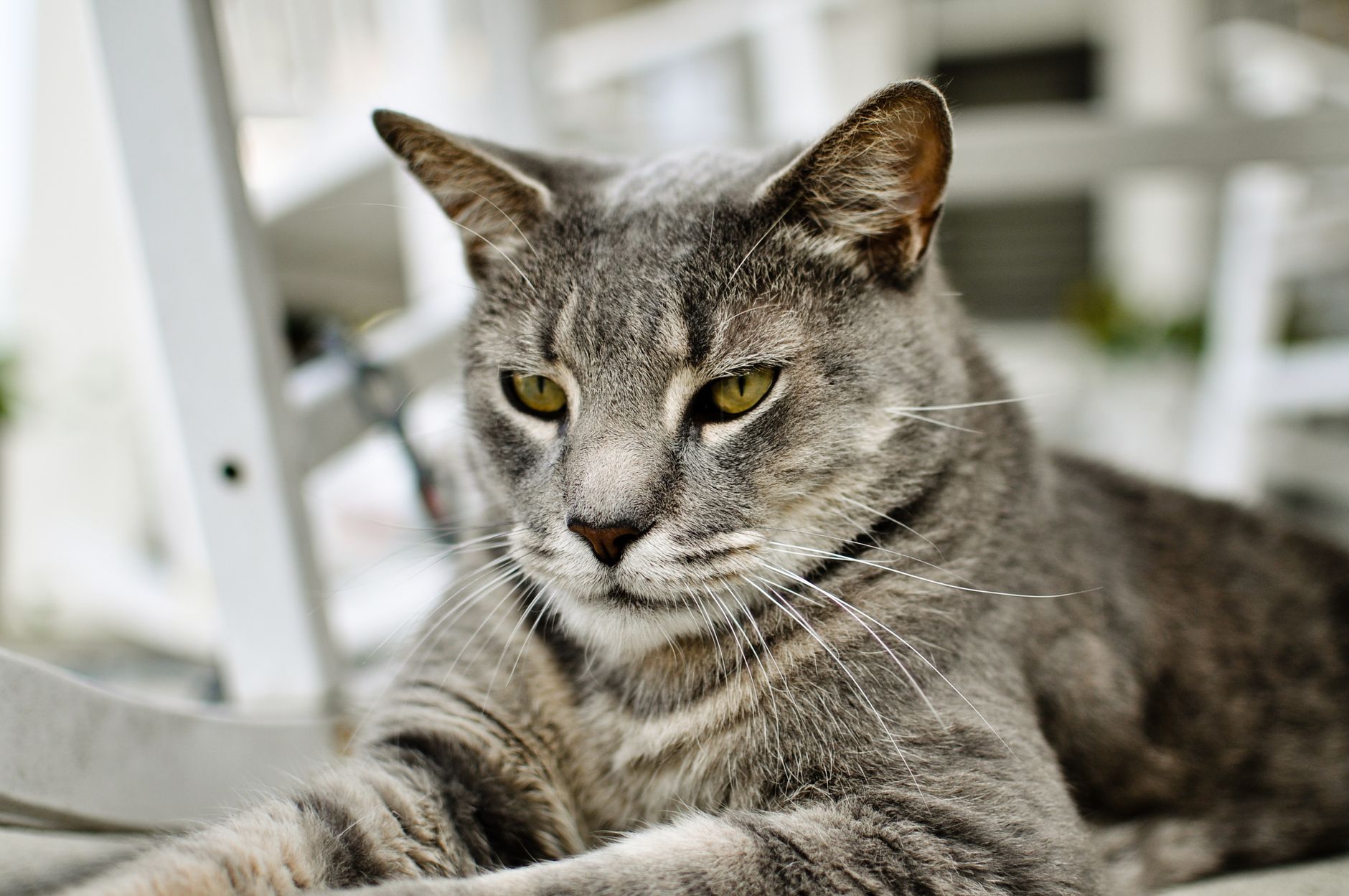
High alanine aminotransferase (ALT) levels in cats can indicate liver damage, but they may also arise from other conditions. ALT is an enzyme primarily found in the liver, and its elevation often signals hepatocellular injury. However, it’s crucial to consider a range of potential causes to ensure accurate diagnosis and treatment.
Liver disease is a common cause of elevated ALT. Conditions such as hepatic lipidosis (fatty liver disease), cholangitis (inflammation of the bile ducts), and neoplasia (tumors) can lead to increased ALT levels. ALT levels above the reference interval warrant further investigation into liver function. In severe cases, levels may exceed the reference interval, necessitating urgent intervention.
Beyond liver disease, other factors can contribute to high ALT. Muscle damage from trauma or strenuous exercise can release ALT into the bloodstream. Additionally, hyperthyroidism (overactive thyroid) and diabetes mellitus can also elevate ALT levels. These conditions may mimic liver disease, complicating diagnosis.
To aid in differential diagnosis, consider the following table of potential causes and their clinical interpretations:
| Condition | ALT Level (U/L) | Clinical Interpretation |
|---|---|---|
| Hepatic Lipidosis | Above the reference interval | Consider nutritional support and fluid therapy |
| Cholangitis | 150-500 | Antibiotics and anti-inflammatory treatment |
| Neoplasia | Variable | Imaging and biopsy recommended |
| Muscle Damage | 50-150 | Assess for trauma or exertion |
| Hyperthyroidism | 50-200 | Thyroid function tests advised |
| Diabetes Mellitus | 50-150 | Blood glucose monitoring required |
A comprehensive diagnostic approach, including blood tests, imaging, and possibly biopsy, is essential for determining the underlying cause of high ALT in cats. By considering both hepatic and non-hepatic factors, veterinarians can develop a targeted treatment plan to address the specific needs of each feline patient.
How Does ALT Compare to Other Liver Enzymes?
In feline medicine, understanding the role of ALT (alanine aminotransferase) is crucial for diagnosing liver conditions. ALT is primarily found in the liver, and its elevation often indicates liver cell damage. However, it is not the only enzyme used to assess liver health. AST (aspartate aminotransferase) and ALP (alkaline phosphatase) are also important markers. While ALT is more liver-specific, AST is found in both liver and muscle tissues, making it less specific but useful in conjunction with ALT. ALP, on the other hand, is associated with bile duct obstruction and bone metabolism, providing insights into different aspects of liver function.
Evaluating these enzymes together offers a more comprehensive picture of a cat’s liver health. For instance, an elevated ALT with normal AST might suggest mild liver damage, whereas high levels of both could indicate more severe liver injury or muscle damage. ALP levels can further differentiate between liver and bone issues. Elevated ALP with high ALT and AST often points to cholestasis (bile flow obstruction), while isolated ALP elevation might suggest bone disease.
| Enzyme | Normal Range (U/L) | Clinical Interpretation |
|---|---|---|
| ALT | 28-109 U/L | Investigate liver damage |
| AST | 17-48 U/L | Consider liver or muscle damage |
| ALP | 11-49 U/L | Assess for cholestasis or bone disease |
Combining these enzyme tests with other diagnostics, such as imaging or biopsy, enhances diagnostic accuracy. This multi-faceted approach helps differentiate between primary liver disease and other con