Dehydration and Glucose Levels in Dogs
Why Is Dehydration and Glucose Levels Important for Dogs?

Stress does cause transient stress hyperglycemia via catecholamines, particularly in cats — but this is not diabetes. Similarly, dehydration alone does not directly change glucose levels; however, it can indirectly affect other markers that help diagnose underlying conditions. For example, severe dehydration may lead to elevated blood urea nitrogen (BUN) and creatinine levels due to reduced renal perfusion, which can complicate the interpretation of glucose results.
Glucose (68-104 mg/dL) levels are crucial for diagnosing and monitoring diabetes mellitus, a common endocrine disorder in dogs characterized by insulin deficiency or resistance. Hyperglycemia is also associated with hyperadrenocorticism, where excessive cortisol production can lead to elevated blood sugar levels. In contrast, hypoglycemia may indicate conditions such as sepsis, insulinoma, or neonatal/toy-breed states. For instance, a dog suffering from severe pancreatitis might experience significant fluctuations in glucose levels due to the inflammatory response and potential damage to pancreatic tissue.
When evaluating glucose levels alongside other markers, it’s important to consider the dog’s overall clinical picture. For instance, a high glucose level should be interpreted in conjunction with fructosamine (reflecting long-term glycemic control) and urine glucose testing. These additional tests help confirm diabetes mellitus or differentiate between transient stress hyperglycemia and chronic metabolic disorders. Additionally, monitoring changes over time can provide valuable insights into the effectiveness of treatment strategies for managing conditions like diabetes.
What Is Dehydration in Dogs?
Dehydration in dogs occurs when a dog loses more fluids than they take in, leading to an imbalance of electrolytes and water within their body. This condition can be caused by various factors such as inadequate fluid intake, excessive heat exposure, vomiting, diarrhea, or fever. The severity of dehydration ranges from mild to severe, with symptoms including lethargy, dry gums, sunken eyes, loss of skin elasticity, and reduced urine output.
One key indicator of dehydration is an elevated blood urea nitrogen (BUN) level. BUN (9-26 mg/dL) measures the amount of waste products in the bloodstream that are normally filtered out by the kidneys. In dehydrated dogs, BUN often rises because there is less water available to dilute these waste products. This elevation should be interpreted alongside other markers like creatinine and packed cell volume (PCV).
Further tests a veterinarian may consider include a complete blood count (CBC) to assess red blood cells and white blood cells for signs of infection or anemia, as well as electrolyte levels such as sodium (143-150 mEq/L), potassium (4.1-5.4 mEq/L), chloride (106-114 mEq/L), calcium (9.4-11.1 mg/dL), phosphorus (2.7-5.4 mg/dL), and magnesium (1.6-2.4 mg/dL). These tests help determine the extent of dehydration and guide appropriate treatment.
Treatment for dehydration typically involves administering intravenous or subcutaneous fluids to restore fluid balance. The veterinarian may also prescribe electrolyte supplements if imbalances are detected. It is crucial that any underlying cause, such as gastrointestinal upset or heat stress, be addressed concurrently to prevent recurrence of dehydration.
Understanding Blood Glucose Levels in Canines
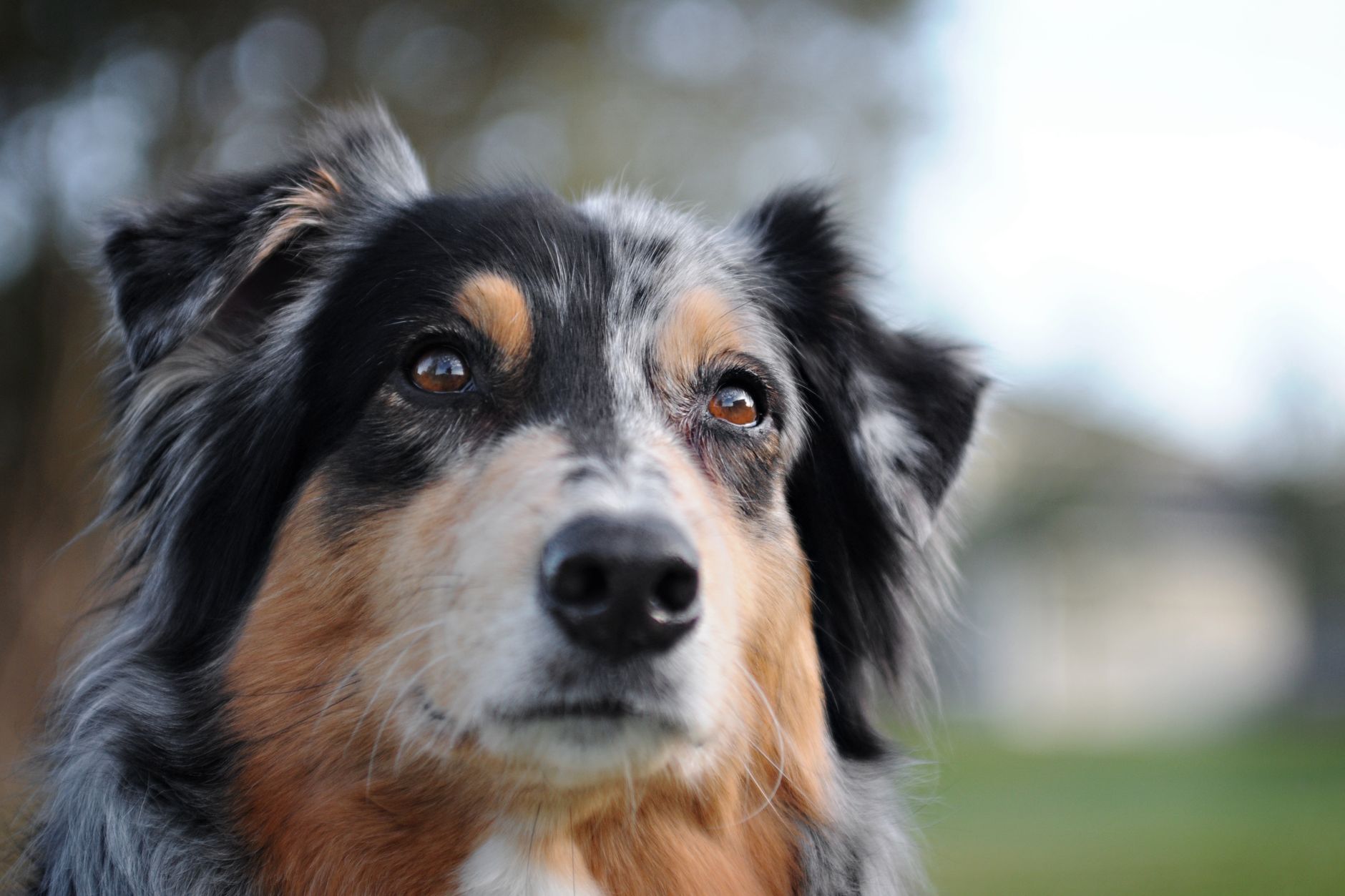
Blood glucose, also known as blood sugar, is a critical indicator of metabolic health in dogs. It reflects the body’s ability to regulate energy and maintain proper functioning of organs such as the brain, muscles, and liver. The normal reference range for blood glucose in dogs is 68-104 mg/dL.
Abnormalities in blood glucose levels can be associated with various conditions, including diabetes mellitus, insulinoma (a pancreatic tumor that secretes excessive amounts of insulin), and stress-induced hyperglycemia. Diabetes mellitus is a common endocrine disorder characterized by high blood sugar due to insufficient insulin production or ineffective use of insulin. Stress-induced hyperglycemia can occur in response to physical or emotional stress, leading to transient elevations in glucose levels.
It’s important to note that blood glucose alone does not confirm any specific condition; it should be interpreted alongside other clinical findings and laboratory tests such as fructosamine, which measures average blood sugar control over a longer period. Fructosamine is particularly useful for monitoring diabetic dogs because it provides an indication of glycemic control over the past two to three weeks.
Further diagnostic steps may include measuring serum insulin levels, performing a glucose tolerance test, and assessing other metabolic markers such as ketones or liver enzymes. These tests help differentiate between various causes of abnormal blood glucose levels and guide appropriate treatment strategies.
Laboratory Reference Ranges for Dehydration and Glucose Levels
Dehydration in dogs shows up across the panel – in the packed cell volume, the total protein and the kidney markers – while glucose is read for what the illness behind the dehydration is doing rather than for the water loss itself. Monitoring these markers together helps assess the severity of the fluid deficit and guides appropriate treatment. For instance, a severely dehydrated dog may show a raised glucose, but the link is indirect: the stress response that accompanies serious illness raises glucose, while the water loss itself does not.
- Glucose: Normal range is 68-104 mg/dL. In dehydrated animals, glucose levels may be elevated due to stress or as a compensatory mechanism for fluid loss. This elevation can serve as an early indicator of dehydration and should prompt further investigation into the underlying cause.
Dehydration can cause an imbalance in electrolytes and affect kidney function, leading to changes in blood urea nitrogen (BUN) and creatinine levels. However, these markers are not specific to dehydration alone and should be interpreted alongside other clinical signs and laboratory findings. For example, a dog with prerenal azotemia due to dehydration might show elevated BUN levels but normal or slightly increased creatinine levels.
| Marker | Normal Range | Typical Causes in Dehydration |
|---|---|---|
| Glucose | 68-104 mg/dL | Stress, fluid loss |
| BUN (Blood Urea Nitrogen) | 9-26 mg/dL | Prerenal azotemia, dehydration |
| Creatinine | 0.6-1.4 mg/dL | Prerenal azotemia, dehydration |
| Phosphorus | 2.7-5.4 mg/dL | Electrolyte imbalance, dehydration |
| Sodium | 143-150 mEq/L | Electrolyte imbalance, dehydration |
| Potassium | 4.1-5.4 mEq/L | Electrolyte imbalance, dehydration |
See the full reference intervals for the dog — every value cited to the laboratory document or paper it came from.
Further tests such as a complete blood count (CBC) and electrolyte panel may be necessary to assess the extent of dehydration and guide appropriate treatment. The veterinarian will determine the exact course of action based on clinical signs and laboratory results. For example, if a CBC reveals an elevated white blood cell count alongside high glucose levels, it might indicate an underlying infection contributing to the dog’s dehydration.
Causes of Dehydration and Abnormal Glucose Levels in Dogs

Dehydration and an abnormal glucose often appear on the same report because the illness that caused one commonly causes the other, not because water loss moves the sugar itself. Glucose is distributed through body water and is regulated minute by minute by insulin and the counter-regulatory hormones, so it does not concentrate the way red cells and plasma proteins do. What does raise it in a dehydrated, unwell dog is the stress response that accompanies the illness.
- Dehydration: This condition occurs when a dog loses body fluids faster than they are replenished. Common causes include vomiting, diarrhea, excessive panting due to heat exposure, and inadequate water intake.
- Dietary Factors: Feeding a diet high in simple sugars or carbohydrates can lead to elevated glucose levels. This is particularly relevant if the dog has an underlying condition such as diabetes mellitus.
- Diabetes Mellitus: A metabolic disorder characterized by insufficient insulin production or ineffective use of insulin, leading to hyperglycemia (high blood sugar).
The normal reference range for glucose in dogs is 68-104 mg/dL. Abnormal glucose levels should be interpreted alongside other markers such as fructosamine and fructosamine, which provide a longer-term picture of glycemic control.
| Marker | Normal Range | Typical Causes |
|---|---|---|
| Glucose | 68-104 mg/dL | Dehydration, dietary factors, diabetes mellitus |
| Fructosamine | Laboratory-specific | Long-term glycemic control assessment in diabetes mellitus |
| fructosamine | Laboratory-specific | Long-term glycemic control assessment in diabetes mellitus |
| Phosphorus | 2.7-5.4 mg/dL | Kidney dysfunction, dehydration |
| Sodium | 143-150 mEq/L | Dehydration, vomiting, diarrhea |
Further tests a veterinarian may consider include urinalysis to check for glucose and ketones, as well as blood electrolyte levels. Treatment is determined by the underlying cause but often involves fluid therapy and dietary management.
How Do Dehydration Markers Compare to Other Blood Parameters?
Dehydration in dogs can be detected through several blood parameters, each providing unique insights into the animal’s physiological state. Common markers include BUN (Blood Urea Nitrogen), creatinine, and electrolytes such as sodium and potassium. These markers help veterinarians assess not only hydration status but also kidney function and overall metabolic health.
- BUN: Reflects kidney function and protein metabolism. In dehydration, BUN often rises before creatinine due to reduced blood flow to the kidneys, which impairs their ability to filter waste products effectively.
- Creatinine: Indicates overall muscle mass breakdown and renal filtration capacity. Elevated levels suggest impaired kidney function or severe dehydration, as the kidneys struggle to excrete metabolic byproducts efficiently.
- Sodium (143-150 mEq/L): Essential for maintaining fluid balance. Dehydration typically causes sodium levels to rise as the body retains water in an attempt to conserve fluids.
- Potassium (4.1-5.4 mEq/L): Crucial for nerve and muscle function. Potassium levels may decrease due to vomiting or diarrhea, but increase in conditions like obstruction or uremia.
Interpreting these markers alongside each other helps determine the severity of dehydration and guides appropriate treatment. For instance, a markedly elevated BUN with normal creatinine suggests prerenal azotemia due to reduced blood flow rather than intrinsic kidney damage. This distinction is critical for tailoring therapeutic interventions.
| Marker | Normal Range | Clinical Significance in Dehydration |
|---|---|---|
| BUN (Blood Urea Nitrogen) | 9-26 mg/dL | Rises before creatinine in prerenal azotemia. |
| Creatinine | 0.6-1.4 mg/dL | Elevated in severe dehydration or intrinsic kidney damage. |
| Sodium | 143-150 mEq/L | Increases due to water retention. |
| Potassium | 4.1-5.4 mEq/L | May decrease due to vomiting or diarrhea, increase in obstruction or uremia. |
Understanding these parameters is crucial for veterinarians to accurately diagnose and treat dehydration effectively. For example, if a dog presents with lethargy and decreased urine output, evaluating BUN and creatinine levels can help differentiate between prerenal causes (such as dehydration) and intrinsic renal disease.
What Does an Elevated Glucose Level Suggest in Dogs?

Elevated glucose levels in dogs indicate a potential issue with blood sugar regulation. A value above the normal reference range — especially alongside fructosamine — points toward diabetes mellitus and warrants veterinary evaluation.
Glucose (68-104 mg/dL) is a critical marker for assessing blood sugar levels in dogs. An elevated glucose level can be associated with several conditions, including diabetes mellitus, stress-induced hyperglycemia, or other metabolic disorders. In the context of diabetes, persistent high glucose levels indicate poor glycemic control and may necessitate further diagnostic testing to confirm the diagnosis.
When interpreting an elevated glucose level in dogs, it is important to consider additional markers such as fructosamine (274-412 µmol/L) . These tests provide a longer-term assessment of blood sugar control and can help differentiate between transient hyperglycemia due to stress and chronic hyperglycemia indicative of diabetes mellitus.
| Finding | What it may suggest | Suggested next step |
|---|---|---|
| Above the reference range | Potential diabetes mellitus or stress-induced hyperglycemia | Further diagnostic testing, including fructosamine and fructosamine levels |
| Markedly elevated | Chronic hyperglycemia indicative of diabetes mellitus | Consultation with a veterinarian for insulin therapy and dietary management |
| Persistent high levels despite treatment | Poor glycemic control or secondary complications | Adjustment of insulin regimen and monitoring for complications such as ketoacidosis |
An elevated glucose level in dogs can be a sign of diabetes mellitus, which is characterized by persistent high blood sugar levels. This condition often requires long-term management with insulin therapy and dietary adjustments to maintain proper glycemic control. Additionally, stress-induced hyperglycemia may occur due to acute stressors such as hospitalization or trauma.
When glucose levels are markedly elevated, it suggests chronic hyperglycemia indicative of diabetes mellitus. In these cases, further diagnostic testing is necessary to confirm the diagnosis and determine the appropriate treatment plan. The veterinarian will likely prescribe insulin therapy and recommend dietary changes to manage blood sugar levels effectively.
Persistent high glucose levels despite treatment may indicate poor glycemic control or secondary complications such as diabetic ketoacidosis (DKA). In these situations, the veterinarian will adjust the insulin regimen and closely monitor for signs of DKA. Early intervention is crucial to prevent severe complications associated with uncontrolled diabetes mellitus.
Are There Breed or Age Differences in Dehydration and Glucose Levels?
Dehydration can affect dogs of any breed, but certain breeds may be more prone to conditions that lead to dehydration. For example, kidney diseases such as hereditary nephritis are seen more frequently in specific breeds like the Bull Terrier, Doberman, Bernese Mountain Dog, Cocker Spaniel, Soft-Coated Wheaten Terrier, Samoyed, and Shih Tzu/Lhasa Apso. These conditions can cause chronic dehydration due to reduced kidney function, leading to a higher risk of electrolyte imbalances such as hypophosphatemia or hypernatremia.
Age also plays a significant role in glucose levels. Puppies have higher glucose requirements for growth and development compared to adult dogs. As they mature, their glucose metabolism stabilizes within the normal reference range. However, older dogs may experience changes in glucose regulation due to age-related conditions such as diabetes mellitus or chronic kidney disease. For instance, an affected dog might show persistent hyperglycemia indicative of impaired insulin secretion.
Glucose levels can be influenced by breed-specific genetic factors and metabolic differences. For instance, breeds like Schnauzers, Keeshonds, Samoyeds, and Australian Terriers have a higher predisposition for developing diabetes mellitus, which affects their glucose regulation significantly. These dogs may require more frequent monitoring of blood glucose levels to manage the condition effectively.
| Parameter | Normal Range |
|---|---|
| Phosphorus | 2.7-5.4 mg/dL |
| Glucose | 68-104 mg/dL |
| Sodium | 143-150 mEq/L |
| Potassium | 4.1-5.4 mEq/L |
How Is Dehydration or Abnormal Blood Glucose Treated?
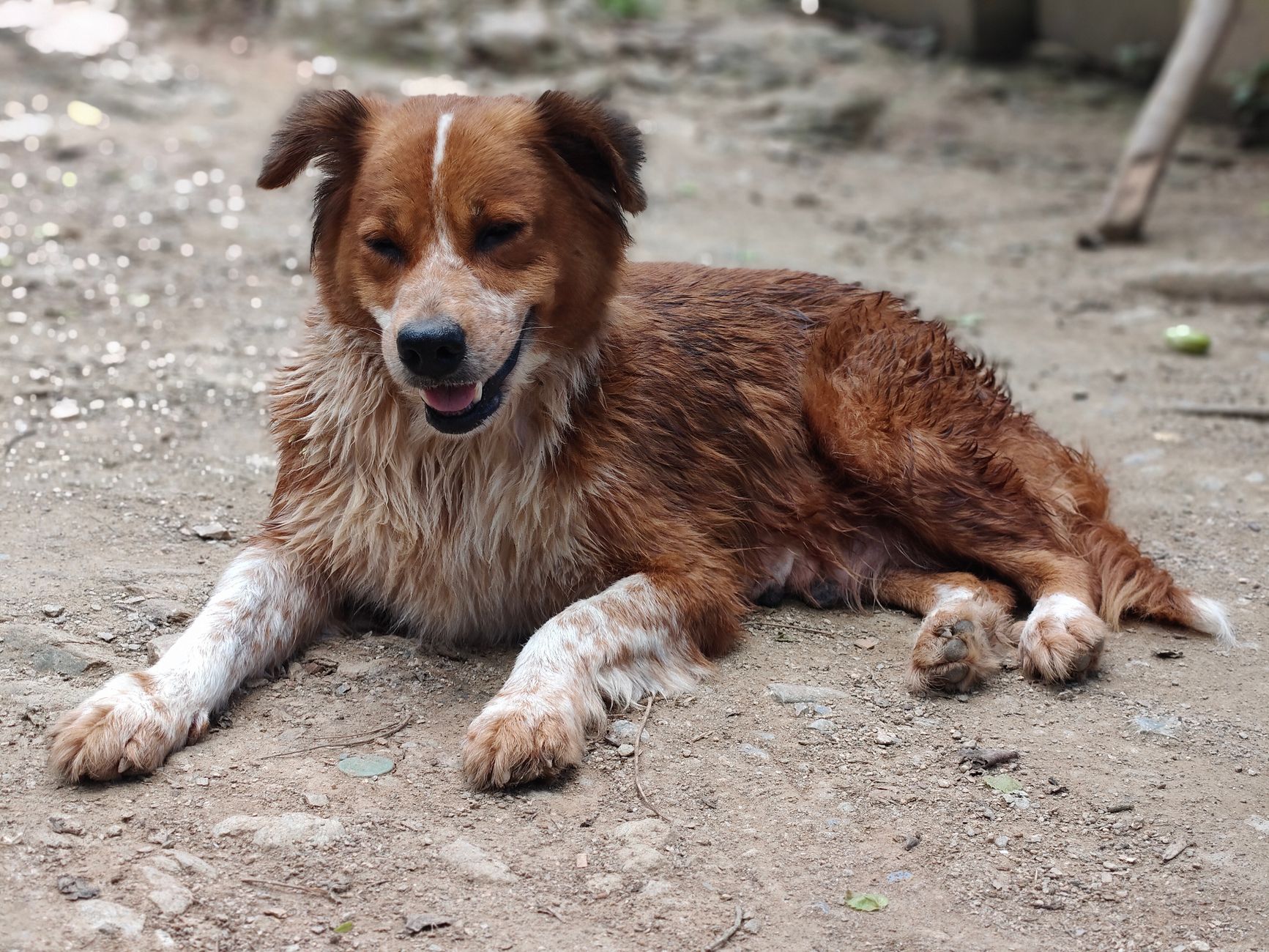
Treating dehydration in dogs often involves administering intravenous fluids to restore fluid balance and correct electrolyte imbalances. The goal is to rehydrate the animal, improve circulation, and support kidney function. In cases of mild dehydration, subcutaneous fluids may be sufficient, but severe cases require immediate veterinary intervention with IV therapy.
Abnormal blood glucose levels, whether high or low, necessitate prompt medical attention. Hyperglycemia in dogs can indicate diabetes mellitus, stress-induced hyperglycemia, or other metabolic disorders. Treatment for hyperglycemia typically involves insulin administration under the guidance of a veterinarian to regulate blood sugar levels and manage underlying conditions such as diabetes.
Conversely, hypoglycemia requires immediate intervention to raise blood glucose levels quickly. This may involve administering dextrose solutions orally or intravenously, depending on the severity and cause of the hypoglycemia. The veterinarian will determine the appropriate treatment plan based on the dog’s specific condition.
- Intravenous fluids: Rehydration and electrolyte correction for severe dehydration.
- Insulin therapy: Management of hyperglycemia in diabetic dogs.
- Dextrose administration: Rapid increase of blood glucose levels in hypoglycemic cases.
The choice and method of treatment are determined by the veterinarian based on the individual case. Early veterinary evaluation is crucial for effective management of both dehydration and abnormal blood glucose levels.
Frequently Asked Questions
Can dehydration affect my dog’s glucose levels?
Dehydration itself does not directly alter glucose levels. However, mild hemoconcentration due to dehydration might indirectly influence other markers without changing glucose.
How is hypoglycemia diagnosed in dogs?
Hypoglycemia is typically diagnosed through low glucose readings, often linked to sepsis, insulinoma, neonatal states, toy breeds, or delayed sample handling.
Why would a vet check fructosamine instead of glucose?
Fructosamine provides a longer-term average of blood sugar control over about two weeks, making it useful for monitoring diabetic management rather than just spot-checking glucose.
Does stress always lead to high glucose in dogs?
Stress can temporarily elevate glucose levels through epinephrine release, especially in cats, but it doesn’t necessarily indicate chronic issues like diabetes.
Are there breed predispositions for glucose abnormalities?
No strong breed predilection has been documented specifically for glucose-related disorders; however, certain breeds may have higher incidences of underlying metabolic diseases.
When should I be concerned if my dog’s glucose level fluctuates?
Fluctuations in glucose levels warrant concern if they persistently fall outside normal ranges or are accompanied by clinical signs such as increased thirst, urination, weight loss, or lethargy.
What additional tests help diagnose abnormal glucose levels?
Additional tests include fructosamine testing for long-term glycemic control, insulin measurement, and thyroid function tests (T4) to rule out concurrent endocrine disorders.
Is high glucose an immediate emergency for dogs?
While persistent high glucose levels suggest serious health concerns like diabetes, acute episodes alone do not usually constitute emergencies unless severe symptoms accompany them.
How often should I recheck my dog’s glucose after diagnosis?
Rechecking frequency depends on the condition—typically more frequently during initial treatment phases for diabetes, then gradually reducing checks based on stable results and response to therapy.
Can diet impact my dog’s glucose levels?
Diet plays a significant role in managing glucose levels, particularly in diabetic dogs. A balanced diet tailored to your pet’s needs helps maintain better glycemic control.
Should I worry if my dog’s glucose spikes once?
A single spike might occur due to factors like stress or recent feeding and does not necessarily indicate a problem. Consistent monitoring is key.
What other markers should I look at with glucose readings?
Co-markers like fructosamine, insulin, and T4 provide valuable insights into overall metabolic status and help confirm diagnoses related to glucose imbalances.
Why would a vet recommend checking both glucose and fructosamine?
Checking both provides a comprehensive view of blood sugar regulation over time, helping to assess short-term fluctuations and longer-term trends effectively.
Does age affect how glucose levels are interpreted?
Age can influence interpretation since older dogs may develop conditions like diabetes that alter glucose metabolism, requiring careful evaluation alongside other diagnostic findings.
Are there any home remedies for managing mild glucose abnormalities?
Home management strategies focus on dietary adjustments and regular exercise under veterinary guidance; however, professional oversight remains crucial for effective treatment.
Sources & Further Reading
This article draws on the following authoritative veterinary references. For your pet’s individual case, consult a licensed veterinarian.
- Merck Veterinary Manual — comprehensive clinical reference for veterinary practice
- ACVIM Consensus Statements — American College of Veterinary Internal Medicine