Elevated BUN in Mice – Kidney Stress or Disease?
Wondering what a full interpretation looks like? See a sample report →
Why Is Elevated BUN a Concern for Mice?

The clinical significance of elevated BUN in mice lies in its ability to signal potential kidney stress or disease. However, it’s important to note that an isolated elevation in BUN does not definitively diagnose kidney disease on its own. Other factors such as dehydration can also cause BUN levels to rise. Therefore, a comprehensive evaluation is necessary to determine the underlying cause. For example, if a mouse exhibits clinical signs of lethargy and reduced appetite alongside elevated BUN, it could suggest pre-renal causes like dehydration or more severe conditions like kidney disease.
When interpreting elevated BUN results, veterinarians consider additional laboratory tests and clinical signs observed in the mouse. Assessing creatinine levels alongside BUN helps differentiate between pre-renal causes (such as dehydration) and intrinsic renal disease. Creatinine is a waste product that comes from muscle metabolism and is filtered out by the kidneys; an increase in both BUN and creatinine may indicate kidney dysfunction rather than just dehydration. Additionally, observing clinical signs like reduced appetite, weight loss, lethargy, or changes in breathing effort can provide further clues about the overall health status of the mouse.
It’s crucial to monitor these mice over time for any progression of symptoms or worsening laboratory values. For instance, if a mouse with initially elevated BUN and creatinine levels shows no improvement after addressing dehydration concerns, it may indicate an intrinsic renal disease that requires further investigation and treatment. Regular follow-up visits and repeat blood tests can help track the effectiveness of interventions and guide ongoing care.
What Is Blood Urea Nitrogen (BUN)?
Blood urea nitrogen, often abbreviated as BUN, is a metabolic waste product that forms when proteins are broken down in the body. It reflects how well your mouse’s kidneys are filtering blood and removing this waste from the bloodstream. When protein metabolism occurs, amino groups are removed and converted into ammonia, which then combines with carbon dioxide to form urea. This urea travels through the bloodstream until it reaches the kidneys, where it is filtered out of the body in urine.
In mice, BUN levels can rise or fall based on several factors. Elevated BUN may indicate reduced kidney function, dehydration, gastrointestinal bleeding, or a recent high-protein meal. For example, if a mouse has been fed a diet rich in protein, its BUN levels might temporarily increase as the body processes this excess protein. Conversely, low BUN could suggest liver insufficiency, inadequate protein intake, or excessive diuresis. It’s important to note that changes in BUN alone do not diagnose specific conditions but rather signal the need for further investigation.
Understanding BUN is crucial because it helps veterinarians assess kidney function and overall health status. However, interpreting BUN results requires considering other clinical signs and laboratory tests. For instance, a high BUN alongside elevated creatinine might indicate renal impairment, while low BUN could be due to liver issues or dietary factors. Therefore, evaluating BUN in conjunction with other markers provides a more comprehensive picture of your mouse’s health.
It is also important to recognize that BUN levels can fluctuate based on hydration status and recent protein intake. For example, if a mouse has been experiencing dehydration due to inadequate water consumption or excessive heat exposure, its BUN levels may rise even in the absence of kidney disease. Similarly, mice with liver dysfunction might show low BUN levels because urea production is impaired.
When evaluating BUN results, it’s essential to consider the clinical context and other laboratory findings. For instance, if a mouse has signs of gastrointestinal bleeding, such as blood in the stool or dark-colored feces, an elevated BUN could be due to this condition rather than kidney disease. In cases where BUN is low, veterinarians might look for evidence of liver dysfunction through additional tests like alanine transaminase (ALT) and aspartate transaminase (AST).
In summary, while BUN provides valuable information about a mouse’s renal function and overall health status, it should be interpreted in the context of other clinical signs and laboratory results. This comprehensive approach ensures accurate diagnosis and appropriate treatment.
Laboratory Reference Ranges for Mouse BUN
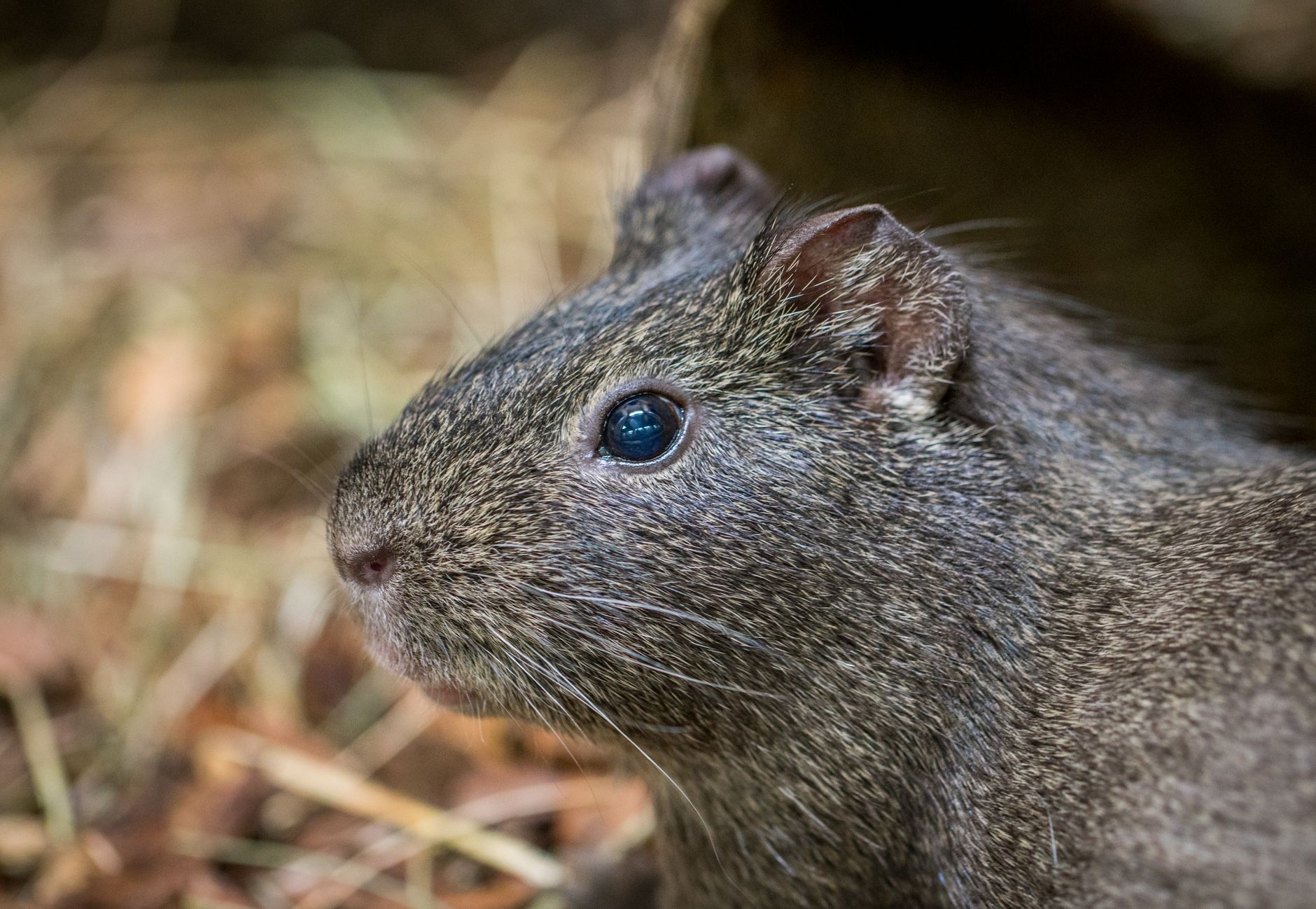
The blood urea nitrogen (BUN) test measures the amount of waste products in your mouse’s bloodstream, which can indicate how well their kidneys are functioning. The normal reference range for BUN in mice is 17-28 mg/dL. This value helps veterinarians understand if there might be issues with kidney function or other factors affecting this marker.
When interpreting a BUN result, it’s important to consider that an elevated level can indicate reduced renal excretion, dehydration, gastrointestinal bleeding, or even a high-protein meal recently consumed by your mouse. Conversely, low levels of BUN may suggest hepatic insufficiency, inadequate protein intake, or excessive diuresis.
It’s crucial to evaluate the BUN result alongside other clinical signs and laboratory tests such as creatinine (0.3-1 mg/dL) to get a comprehensive understanding of your mouse’s health status. For example, if your mouse is showing symptoms like reduced appetite, weight loss, lethargy, or changes in breathing effort, these could be indicative of underlying kidney disease or other systemic issues. In such cases, it would be wise to consult with your veterinarian for further evaluation.
Additionally, the interpretation of BUN levels should take into account the mouse’s overall health history and any recent dietary changes that might influence test results. For instance, if a mouse has been on a high-protein diet recently, this could temporarily elevate their BUN levels without indicating kidney dysfunction. Similarly, dehydration can cause an acute rise in BUN due to reduced blood volume and increased concentration of urea nitrogen.
It is also important to note that while BUN provides valuable information about renal function, it does not provide a complete picture on its own. Creatinine levels should be considered alongside BUN because creatinine clearance can give more specific insights into glomerular filtration rate (GFR), which directly reflects kidney function.
| Marker | Normal Range |
|---|---|
| BUN | 17-28 mg/dL |
| Creatinine | 0.3-1 mg/dL |
See the full reference intervals for the mouse — every value cited to the laboratory document or paper it came from.
What Causes Elevated BUN Levels in Mice?
Elevated blood urea nitrogen (BUN) levels in mice can be caused by several factors, including kidney stress or disease. However, it’s important to note that an elevated BUN does not definitively indicate kidney issues alone; other conditions such as dehydration and gastrointestinal bleeding also need to be considered.
When a mouse has an above-normal BUN level, the veterinarian will look for signs of reduced renal function alongside other clinical indicators. For instance, if the mouse shows signs of lethargy, poor coat condition, or abnormal stool, these could suggest kidney involvement. However, dehydration can also cause a marked increase in BUN levels due to decreased blood flow to the kidneys, leading to concentrated urine and potentially causing anuria (absence of urine output) in severe cases.
Additionally, gastrointestinal bleeding is another potential cause for elevated BUN levels. Blood proteins from the gut can be broken down into urea and absorbed by the body, leading to an increased BUN level without any direct kidney involvement. In such cases, the veterinarian may look for signs of blood in the stool or other indicators of internal bleeding, such as melena (black, tarry stools) or hematochezia (bright red blood in the stool).
Other less common causes include high-protein diets and liver insufficiency. A diet rich in protein can lead to increased urea production from protein metabolism, resulting in elevated BUN levels without any underlying kidney disease. Conversely, liver insufficiency can decrease urea production due to impaired liver function, leading to a lower than normal BUN level.
It is also important to consider the context of the mouse’s overall health and environment when interpreting an elevated BUN result. For example, mice that are housed in environments with high ammonia levels may experience increased stress on their kidneys, potentially leading to elevated BUN levels even without direct kidney disease. Similarly, mice that have undergone recent anesthesia or surgery might show transient increases in BUN due to temporary changes in blood flow and hydration status.
| Cause | Mechanism | Typical Signs |
|---|---|---|
| Kidney Stress or Disease | Reduced renal excretion of urea | Lethargy, poor coat condition, abnormal stool |
| Dehydration | Decreased blood flow to the kidneys | Reduced appetite, weight loss, hunched posture |
| Gastrointestinal Bleeding | Absorption of blood proteins and their breakdown into urea | Abnormal stool, lethargy, weakness |
| High-Protein Diet | Increased urea production from protein metabolism | None specific, may be asymptomatic |
| Liver Insufficiency | Decreased urea production due to impaired liver function | Reduced appetite, weight loss, poor coat condition |
| Marked Diuresis | Dilution of blood urea nitrogen due to increased urine output | Increased thirst, frequent urination |
| Low Protein Intake | Decreased urea production due to low protein intake | Reduced appetite, weight loss, poor coat condition |
How Does BUN Compare to Other Kidney Markers?
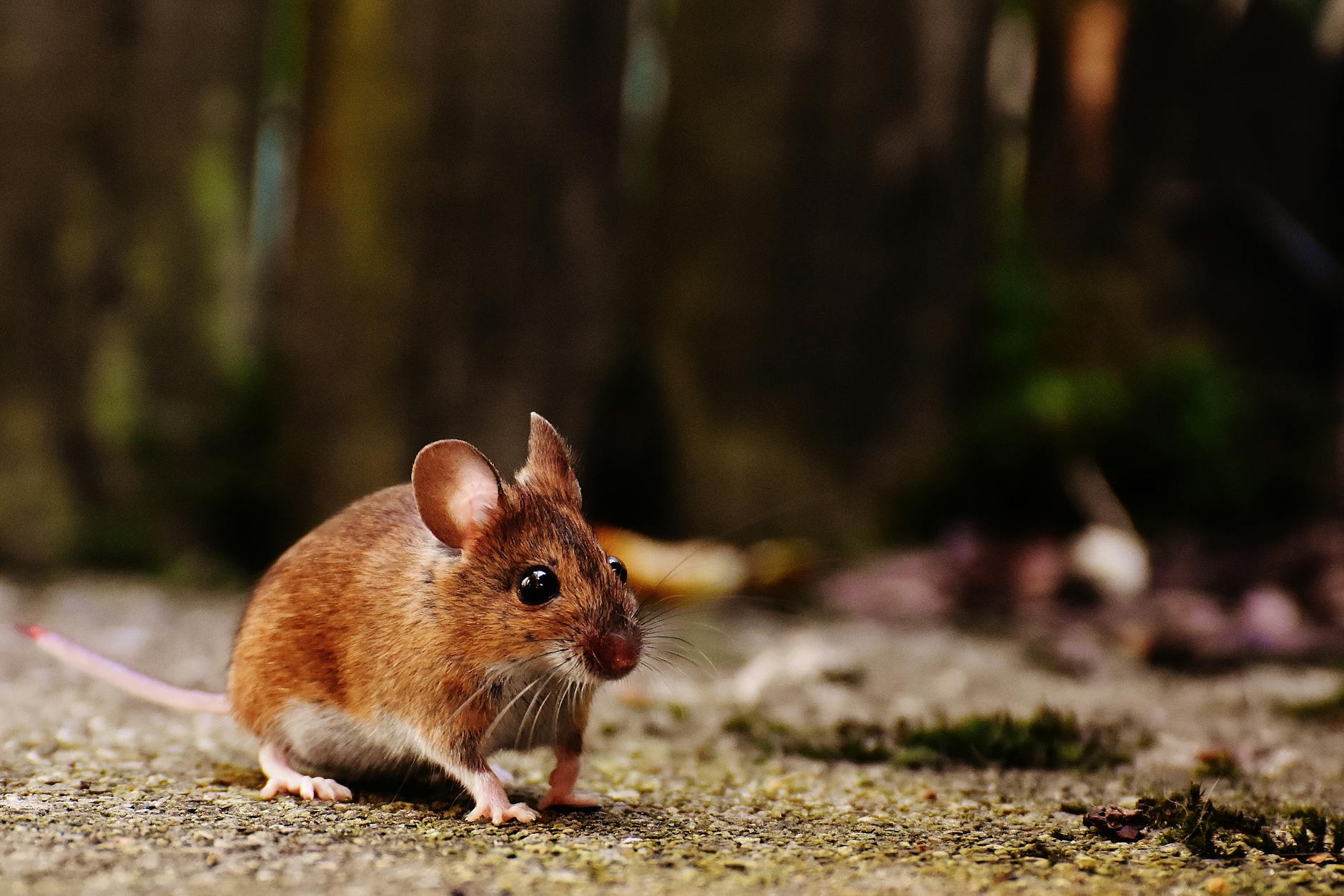
Blood urea nitrogen (BUN) is a commonly used marker of kidney function, but it’s important to understand how it compares to other markers like creatinine and symmetric dimethylarginine (SDMA). While BUN can rise due to dehydration or gastrointestinal bleeding, it doesn’t always provide the full picture of renal health. For instance, in cases where mice are experiencing acute fluid loss, BUN levels may elevate significantly even if kidney function remains intact. Creatinine, on the other hand, reflects glomerular filtration rate more directly and is less affected by changes in hydration status or muscle mass.
When evaluating kidney function in mice, creatinine levels are often considered alongside BUN because they offer complementary information. A markedly elevated BUN with a normal creatinine might suggest pre-renal issues like dehydration or gastrointestinal bleeding rather than intrinsic renal disease. Conversely, if both BUN and creatinine are above the reference range (17-28 mg/dL for BUN and 0.3-1 mg/dL for creatinine), it points more strongly to kidney dysfunction. In clinical practice, veterinarians often use these markers in conjunction with a thorough physical examination and patient history to make an accurate diagnosis.
SDMA is another marker that can be particularly useful in early detection of kidney impairment. Unlike BUN and creatinine, SDMA levels are less influenced by muscle mass or fluid balance changes. This makes SDMA a valuable tool when assessing the progression of chronic kidney disease (CKD) because it tends to rise earlier than BUN or creatinine as renal function declines. For example, in mice with early-stage CKD, SDMA may start to increase before there is any significant change in BUN or creatinine levels.
| Marker | What it Adds | When Preferred |
|---|---|---|
| BUN | Reflects overall renal function and fluid status. | When assessing acute changes or dehydration. |
| Creatinine | Indicates glomerular filtration rate and muscle mass. | When evaluating chronic kidney disease or stable conditions. |
| SDMA | Detects early renal impairment and is less affected by muscle mass. | When monitoring for the onset of kidney disease or in small animals with low muscle mass. |
How Should Elevated BUN Be Interpreted?
Elevated blood urea nitrogen (BUN) in mice can indicate several underlying issues, ranging from dehydration to kidney dysfunction. When a mouse’s BUN is above the reference range, it suggests that the body is not efficiently removing waste products through urine, which could be due to reduced renal function or other factors.
Interpreting an elevated BUN requires considering the overall clinical picture of your pet. For instance, if your mouse shows signs like lethargy, poor coat condition, and reduced appetite alongside a high BUN level, it might suggest kidney stress or disease. However, dehydration can also cause a temporary spike in BUN levels without indicating chronic kidney issues.
It’s important to note that an elevated BUN does not provide a definitive diagnosis on its own. The veterinarian will likely consider additional tests and clinical signs before making a conclusion. For example, they might check the creatinine level alongside BUN to assess overall renal function or perform imaging studies like X-rays or ultrasound to look for structural kidney changes.
| Finding | What it may suggest | Suggested next step |
|---|---|---|
| Above the reference range | Potential kidney stress or disease, dehydration, gastrointestinal bleeding, high-protein diet | Consult a veterinarian for further evaluation and testing |
| Markedly elevated | More severe kidney dysfunction or other serious conditions | Immediate veterinary care and possibly hospitalization for supportive treatment |
| Normal range | No immediate concern, but monitor for changes in clinical signs or other markers | Regular check-ups and follow-up blood tests as recommended by your vet |
| Below the reference range | Possible hepatic insufficiency, low protein intake, or marked diuresis | Discuss with your veterinarian to determine underlying causes and appropriate management |
| Stable within the reference range | Normal kidney function, no immediate concern | Continue routine care and monitoring as advised by your veterinarian |
When interpreting an elevated BUN in mice, it’s crucial to look at the whole clinical picture. An increase above the reference range (17-28 mg/dL) can indicate various conditions such as dehydration or kidney stress. However, a markedly elevated level might suggest more severe issues like advanced renal disease.
The veterinarian will likely recommend additional tests to pinpoint the cause of an elevated BUN. These could include checking creatinine levels and performing imaging studies to assess kidney structure. Understanding these results in context with your mouse’s overall health is key to determining the best course of action.
Are There Breed or Age Differences in BUN Levels?
When evaluating blood urea nitrogen (BUN) levels in mice, it’s important to understand whether breed or age plays a significant role. In the case of pet mice, there is no evidence that different coat varieties or breeds have inherent differences in their normal BUN levels. However, laboratory strains like C57BL/6 and BALB/c do show strain-specific patterns due to genetic factors, but these are not relevant for pet mice.
Age can influence BUN levels in mice. Younger mice may naturally have slightly higher BUN values compared to adults because of their rapid growth and increased protein metabolism. Conversely, older mice might experience a decline in kidney function over time, which could lead to elevated BUN levels as the kidneys become less efficient at filtering waste products from the blood. This age-related change is particularly noticeable in senior mice (>24 months), where renal function can significantly deteriorate.
It’s crucial for veterinarians to consider these factors when interpreting BUN results. For instance, if an adult mouse has a markedly elevated BUN level, it might indicate kidney stress or disease rather than being within the normal range for age-related variations. Similarly, in younger mice with above-normal BUN levels, dehydration or gastrointestinal bleeding should be considered as potential causes.
Understanding these nuances is essential because abnormal BUN levels can have various clinical implications. For example, a markedly elevated BUN level in an adult mouse could suggest acute kidney injury due to toxins or chronic conditions such as nephritis. In contrast, a consistently rising BUN level over time might indicate progressive renal disease.
| Mouse Age | BUN Level | Clinical Implications |
|---|---|---|
| Young (< 3 months) | Above the reference range | Consider dehydration or gastrointestinal bleeding. |
| Adult (3-24 months) | Markedly elevated | Suggests kidney stress or disease. |
| Senior (> 24 months) | Above the reference range | Indicates potential age-related kidney decline. |
| All Ages | Below the reference range | May suggest hepatic insufficiency or marked diuresis. |
When Should You See a Vet About Elevated BUN?

Elevated blood urea nitrogen (BUN) levels in your mouse can be concerning, but not all cases require immediate veterinary intervention. Understanding when to seek professional help is crucial for the well-being of your pet. If you notice that your mouse has reduced appetite, weight loss, a hunched posture, or shows signs of lethargy and weakness, these could indicate underlying health issues that warrant further investigation.
When BUN levels are above the reference range, it’s important to consider several factors before deciding on next steps. Dehydration is one common cause of elevated BUN; if your mouse has been exposed to a hot environment or hasn’t had enough water, this could be the reason for increased BUN levels. However, persistent elevation in BUN can also signal more serious conditions such as kidney disease or gastrointestinal bleeding.
It’s crucial to monitor your pet closely and note any changes in behavior or physical condition. If you observe abnormal stool consistency, breathing effort, poor coat quality, or signs of dehydration alongside elevated BUN levels, these are red flags that should prompt a visit to the veterinarian. The vet will perform a thorough examination and may recommend additional tests like blood work, urinalysis, or imaging studies to determine the underlying cause.
For instance, if your mouse exhibits persistent lethargy along with an elevated BUN level, it might be indicative of chronic kidney disease rather than just temporary dehydration. Chronic conditions often require ongoing management and monitoring by a veterinarian. Additionally, gastrointestinal issues such as bleeding can also lead to increased BUN levels due to the breakdown of blood proteins in the gut.
It is important to remember that while some mild elevations might not be cause for immediate concern, any significant increase or prolonged elevation should prompt further investigation. Your vet will assess your mouse’s overall health status and may recommend dietary changes, fluid therapy, or medication depending on the underlying issue identified through diagnostic testing.
Monitoring your pet’s hydration status is also key. Ensure that fresh water is always available and observe if your mouse drinks regularly. If you notice a sudden decrease in water intake, this could be an early sign of illness that needs attention before more severe symptoms develop.
In summary, while some mild elevations in BUN can be managed at home with supportive care like hydration, persistent or significant increases should prompt a visit to the vet for further evaluation and treatment. Early intervention is often key to managing conditions effectively and improving your mouse’s quality of life.
What Is the Treatment Approach for Elevated BUN?
Elevated blood urea nitrogen (BUN) in mice can indicate various underlying issues, such as dehydration or kidney dysfunction. The first step is to determine the cause of the elevated BUN by considering the mouse’s clinical signs and recent history. For instance, if a mouse shows signs of reduced appetite, weight loss, lethargy, poor coat condition, polyuria (increased urination), or polydipsia (excessive thirst), these could suggest dehydration or pre-existing renal issues.
Once the veterinarian identifies the underlying cause, they will tailor the treatment approach accordingly. If dehydration is suspected, rehydration therapy may be initiated to restore fluid balance and improve kidney function. This can involve administering fluids subcutaneously or intravenously, depending on the severity of dehydration. Additionally, dietary adjustments might be recommended to support renal health. For example, reducing protein intake can help decrease the workload on the kidneys by lowering the amount of nitrogenous waste that needs to be filtered.
Monitoring is crucial in managing elevated BUN levels. Regular blood tests and urinalysis will help track changes in BUN levels alongside other markers like creatinine or albumin. These follow-up assessments allow the veterinarian to evaluate the effectiveness of the treatment plan and make adjustments as necessary. If the mouse’s condition does not improve, further diagnostic testing may be required to identify any underlying conditions that could be contributing to kidney stress. This can include imaging studies such as ultrasound or X-rays to assess kidney structure and function.
It is also important to address any concurrent medical issues that might exacerbate renal dysfunction. For example, if the mouse has a urinary tract infection (UTI), antibiotics may be prescribed to treat the infection and alleviate associated symptoms. Additionally, pain management might be necessary if the mouse exhibits signs of discomfort or distress.
Supportive care is another critical aspect of managing elevated BUN levels in mice. This can include providing a comfortable environment with appropriate temperature and humidity levels, ensuring adequate hydration through water intake monitoring, and maintaining a clean living space to prevent secondary infections. Regular follow-up visits are essential to monitor the mouse’s progress and adjust treatment as needed.
Summary of Key Points About Elevated BUN in Mice

Elevated blood urea nitrogen (BUN) levels in mice can indicate a range of underlying issues, from dehydration to kidney dysfunction. When interpreting an elevated BUN result, it’s important to consider the context and other clinical signs present in your mouse. An above-normal BUN level may suggest that the kidneys are not functioning optimally or that there is reduced blood flow to the kidneys due to dehydration. Additionally, certain medications or toxins can also lead to increased urea levels.
It’s crucial to understand that a single high BUN reading does not definitively diagnose kidney disease; it serves as an indicator that further investigation is needed. Other factors such as gastrointestinal bleeding, which can increase protein breakdown and elevate urea levels, or recent dietary changes with higher protein intake might also cause elevated BUN without indicating kidney damage. For example, a sudden change in diet to one rich in proteins could temporarily raise BUN levels.
When a mouse has an elevated BUN level, the veterinarian will likely recommend additional tests to pinpoint the exact cause. These may include measuring creatinine (0.3-1 mg/dL), which is another marker of kidney function and can help differentiate between pre-renal issues like dehydration and intrinsic renal disease. Additionally, assessing urine specific gravity (1.034-1.058) and looking for proteinuria in a urinalysis can provide more clues about the kidneys’ health.
Alarm signs that warrant immediate veterinary attention include lethargy, reduced appetite, weight loss, hunched posture, poor coat condition, or difficulty breathing. These symptoms combined with an elevated BUN level could indicate severe kidney dysfunction requiring urgent care. For instance, if a mouse exhibits persistent lethargy and decreased food intake alongside high BUN levels, it may be indicative of advanced renal disease necessitating prompt intervention.
Frequently Asked Questions
What does elevated BUN mean for my mouse?
An elevated blood urea nitrogen (BUN) level suggests impaired kidney function or dehydration in mice, but could also indicate other issues like gastrointestinal bleeding or recent high-protein meals.
Is a high BUN always serious for mice?
While a high BUN can signal potential health problems such as kidney dysfunction, it may also be due to non-serious factors like dehydration; further tests help clarify the underlying issue.
How common is kidney disease in pet mice?
Kidney disease isn’t commonly reported in healthy pet mice, so while an elevated BUN might raise concern, it’s important to consider all possible causes before concluding kidney failure.
Can diet affect my mouse’s BUN levels?
Yes, feeding your mouse a high-protein diet temporarily raises its BUN levels, which should return to normal after several hours without protein-rich foods.
Should I worry about a slightly raised BUN?
A mildly increased BUN doesn’t necessarily indicate severe illness; however, monitoring alongside other lab results and symptoms helps determine next steps.
Does stress impact BUN readings in mice?
Stress can influence various physiological parameters including BUN levels, making it essential to assess overall health and environment when interpreting test results.
Are there specific symptoms linked with high BUN?
Symptoms associated with high BUN include reduced appetite, weight loss, lethargy, and poor coat quality, though these signs are nonspecific and require veterinary evaluation.
When should I see a vet for a high BUN result?
Consulting a veterinarian promptly is advisable if you notice persistent changes in your mouse’s behavior or physical condition along with abnormal BUN levels.
What additional tests might my vet recommend?
Your vet may suggest further testing like urinalysis, imaging studies, or blood chemistry panels to better understand the cause behind elevated BUN levels.
Could medications contribute to higher BUN values?
Certain drugs can alter kidney function leading to elevated BUN levels; discussing any medication use with your vet aids accurate diagnosis.
Is low BUN significant in mice?
Low BUN can be due to liver issues, inadequate dietary protein intake, or excessive fluid loss; understanding underlying reasons guides appropriate care.
Do different mouse breeds have varying BUN ranges?
Pet mouse breeds generally don’t show breed-specific variations in BUN levels; laboratory strains used in research exhibit patterns not applicable to pet mice.
What does normal BUN mean for my mouse’s kidneys?
Normal BUN indicates healthy renal filtration at present but regular check-ups help monitor long-term kidney health and catch early signs of potential problems.
Sources & Further Reading
This article draws on the following authoritative veterinary references. For your pet’s individual case, consult a licensed veterinarian.
- Merck Veterinary Manual — comprehensive clinical reference for veterinary practice
- IRIS Kidney Guidelines — International Renal Interest Society — kidney staging and management
- Veterinary Clinical Pathology — clinical pathology research and case studies