cPLI Test in Dogs: Reading Canine Pancreatic Lipase
cPLI Test in Dogs: Reading Canine Pancreatic Lipase
Wondering what a full interpretation looks like? See a sample report →
Why Should Pet Owners Care About Elevated Lipase in Dogs?
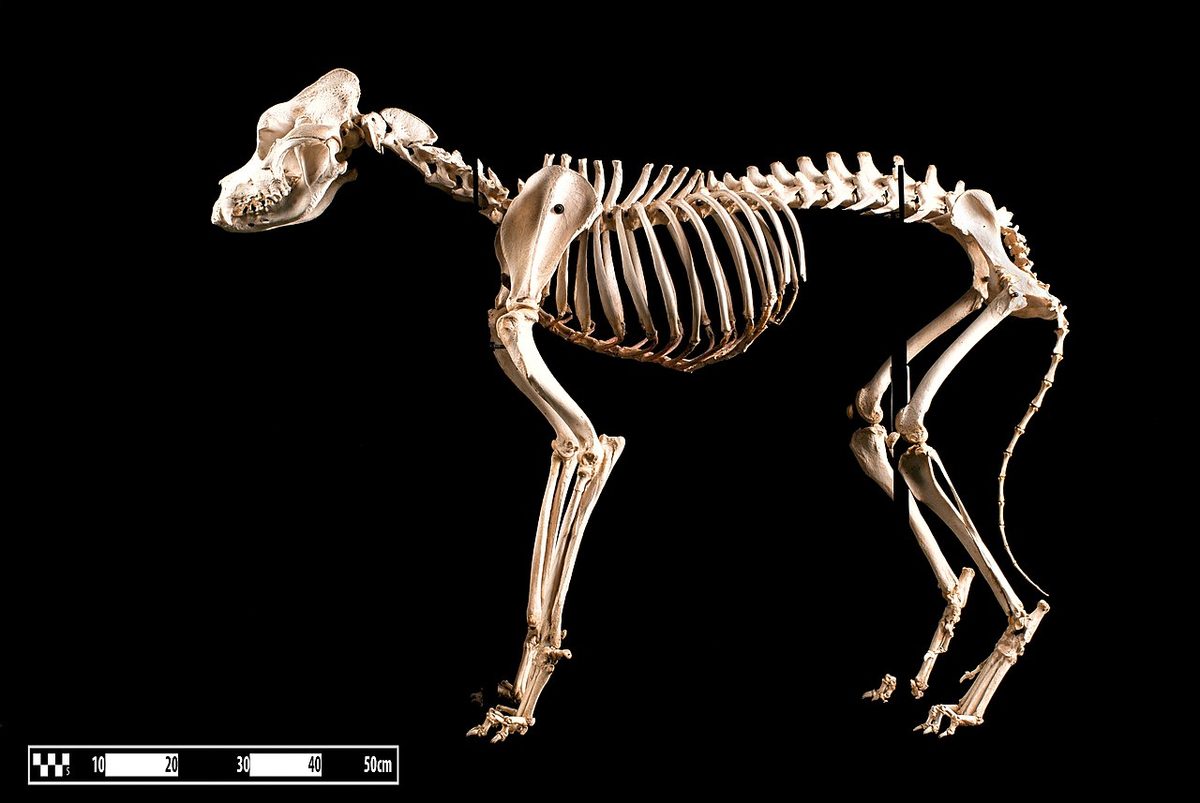
Understanding elevated lipase levels in dogs is crucial for pet owners because it directly relates to the health of the pancreas, an essential organ for digestion and metabolism. Elevated lipase, particularly canine pancreatic lipase (cPLI), can indicate pancreatitis, a condition that can lead to severe abdominal pain, vomiting, and lethargy. In dogs, a cPLI level above the reference interval is considered elevated, while levels exceeding the reference interval are critical and require immediate veterinary attention. Recognizing these thresholds helps pet owners act swiftly, potentially preventing further complications.
Early detection of elevated lipase levels can significantly improve a dog’s prognosis. Pancreatitis, if left untreated, can lead to chronic issues such as diabetes mellitus or exocrine pancreatic insufficiency, both of which require lifelong management. In dogs, medications like maropitant may be used to control nausea, while dietary modifications are often recommended to manage fat intake and reduce pancreatic stress. By understanding the implications of elevated lipase, pet owners can work closely with their veterinarians to develop a comprehensive care plan.
Moreover, certain breeds, such as the Miniature Schnauzer, are predisposed to hyperlipidemia, which can lead to recurrent pancreatitis. For these breeds, routine monitoring of lipase levels is particularly important. High ALT levels can also accompany elevated lipase, indicating concurrent liver involvement, which requires a different diagnostic approach. By staying informed about these potential health issues, pet owners can ensure their dogs receive timely and appropriate care, ultimately enhancing their quality of life.
What is Canine Pancreatic Lipase (cPLI)?

Canine Pancreatic Lipase (cPLI) is a specific enzyme produced by the pancreas in dogs, playing a crucial role in the digestive process. This enzyme is responsible for breaking down dietary fats into smaller molecules that can be absorbed by the intestines. The specificity of cPLI to pancreatic function makes it a valuable biomarker for diagnosing pancreatic disorders, particularly pancreatitis, in dogs.
Measuring cPLI levels is essential for assessing pancreatic health. In healthy dogs, cPLI levels typically range from 0 to 200 µg/L. When levels exceed the reference interval, it indicates an elevated state, often associated with pancreatic inflammation or damage. Critical levels, above the reference interval, strongly suggest severe pancreatic dysfunction, necessitating immediate veterinary intervention.
CPLI is more specific to pancreatic function than other enzymes like amylase and lipase, which can be influenced by non-pancreatic factors. This specificity makes cPLI a preferred diagnostic tool for veterinarians when evaluating dogs with suspected pancreatitis. In particular, breeds such as the Miniature Schnauzer are known to have a predisposition to pancreatitis, often linked to hyperlipidemia, making cPLI testing especially relevant for these dogs.
In summary, cPLI serves as a critical indicator of pancreatic health in dogs. Its specificity to the pancreas allows for more accurate diagnosis and management of pancreatic conditions, ensuring that affected dogs receive timely and appropriate care. For further insights into related conditions, such as elevated liver enzymes, you may refer to High ALT in Dogs.
What Are the Laboratory Reference Ranges for cPLI?
Understanding the laboratory reference ranges for canine pancreatic lipase immunoreactivity (cPLI) is crucial for diagnosing and managing pancreatitis in dogs. cPLI is reported against the reference interval printed by the laboratory that ran the assay. Levels above that interval are considered elevated, indicating potential pancreatic inflammation. When cPLI levels exceed the reference interval, it is deemed critical, often necessitating immediate veterinary intervention.
Monitoring cPLI levels is essential for early detection of pancreatitis, especially in breeds predisposed to this condition, such as the Miniature Schnauzer. Elevated cPLI levels can indicate acute or chronic pancreatitis, which may require dietary management and medications like maropitant for nausea or prednisolone for inflammation control. In dogs, these medications can help manage symptoms and improve quality of life.
To provide a clearer understanding, the following table outlines the cPLI reference ranges and their clinical implications:
| cPLI Level (µg/L) | Clinical Interpretation |
|---|---|
| Within the reference interval | Normal range; no pancreatic issues detected |
| 201–400 | Borderline; monitor for potential pancreatic stress |
| 401–1000 | Elevated; indicative of pancreatitis, further diagnostics recommended |
| Above the reference interval | Critical; urgent veterinary care required |
See the full reference intervals for the dog — every value cited to the laboratory document or paper it came from.
Elevated cPLI levels should prompt further diagnostic testing, such as abdominal ultrasound, to assess the pancreas’s condition. Additionally, practitioners commonly observe that managing underlying conditions, such as hyperlipidemia in Miniature Schnauzers, can help prevent recurrent pancreatitis episodes. For comprehensive care, it is also advisable to evaluate other related parameters, such as ALT levels, to rule out concurrent liver disease.
What Causes Elevated Lipase Levels in Dogs?

Elevated lipase levels in dogs can indicate a variety of underlying conditions, with pancreatitis being the most common. Pancreatitis occurs when the pancreas becomes inflamed, leading to the release of digestive enzymes into the abdominal cavity. This inflammation results in increased levels of canine pancreatic lipase (cPLI), with values exceeding the reference interval considered elevated and those above the reference interval deemed critical. Miniature Schnauzers are particularly predisposed to pancreatitis due to their tendency for hyperlipidemia.
However, pancreatitis is not the sole cause of elevated lipase. Other potential causes include gastrointestinal diseases, such as inflammatory bowel disease (IBD), and hepatic conditions, which can also lead to increased lipase levels. For instance, liver diseases may cause concurrent elevations in both lipase and ALT levels, with ALT values above the reference interval warranting further investigation. Additionally, renal dysfunction can contribute to elevated lipase, as impaired kidney function affects the clearance of lipase from the bloodstream.
Certain medications, such as corticosteroids, can also cause transient increases in lipase levels. Therefore, a comprehensive evaluation of the dog’s medical history, clinical signs, and concurrent laboratory findings is essential for accurate diagnosis. Practitioners commonly observe that a combination of elevated lipase and clinical signs such as vomiting, abdominal pain, and anorexia strongly suggests pancreatitis.
How Does cPLI Compare with Other Related Parameters?
In veterinary diagnostics, canine pancreatic lipase immunoreactivity (cPLI) is a critical marker for assessing pancreatic health in dogs. While cPLI is highly specific for pancreatic lipase, other enzymes such as amylase and general lipase are also measured to evaluate pancreatic function. However, these enzymes lack the specificity of cPLI, often leading to less accurate diagnoses of pancreatitis. Current clinical consensus suggests that cPLI levels above the reference interval indicate elevated pancreatic activity, with levels exceeding the reference interval considered critical.
Amylase and general lipase are enzymes involved in the digestion of carbohydrates and fats, respectively. Although elevated levels of these enzymes can suggest pancreatic inflammation, they are not exclusive to the pancreas and can be influenced by other factors such as renal function and gastrointestinal disturbances. Veterinary literature consistently reports that cPLI provides a more reliable indication of pancreatic inflammation compared to these enzymes, as it is not affected by extrapancreatic conditions.
To illustrate the differences in diagnostic utility, consider the following table comparing cPLI with other parameters:
| Parameter | Normal Range | Elevated Threshold | Critical Level | Clinical Interpretation |
|---|---|---|---|---|
| cPLI | Reported against the laboratory interval | Above the reference interval | Above the reference interval | Specific for pancreatitis |
| Amylase | Varies | Elevated | N/A | Non-specific, influenced by renal function |
| General Lipase | Varies | Elevated | N/A | Non-specific, influenced by gastrointestinal issues |
| ALT | 17-95 U/L | Above the reference interval | Above the reference interval | Indicates liver damage |
In summary, while amylase and general lipase can provide some insight into pancreatic health, cPLI remains the gold standard for diagnosing pancreatitis in dogs due to its specificity. This specificity is particularly important in breeds like the Miniature Schnauzer, which are predisposed to pancreatitis due to hyperlipidemia. For comprehensive diagnostic accuracy, cPLI should be prioritized in cases of suspected pancreatic inflammation.
How to Interpret Elevated Lipase Results in Dogs?
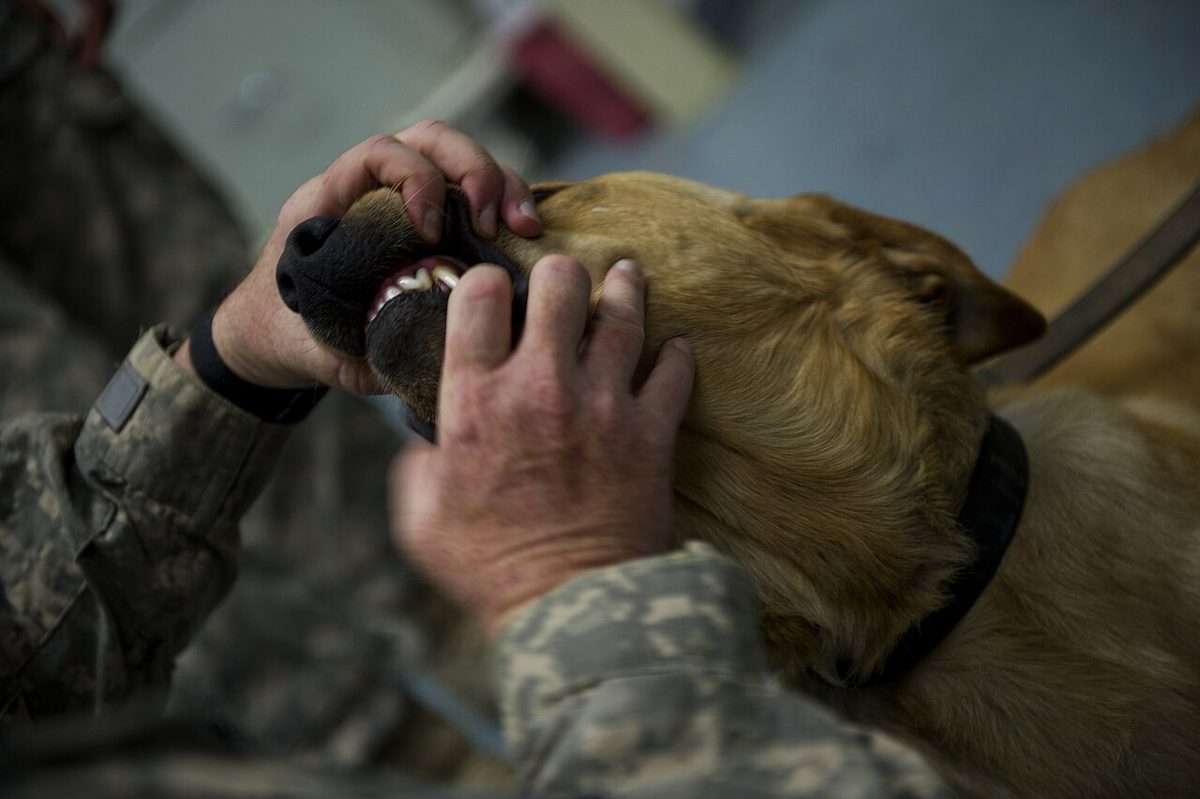
Interpreting elevated lipase levels in dogs requires a systematic approach to ensure accurate diagnosis and treatment. Canine pancreatic lipase (cPLI) is a specific marker for pancreatitis, with normal levels ranging from 0 to 200 µg/L. Levels above the reference interval are considered elevated, while values exceeding the reference interval are critical and warrant immediate attention. Elevated cPLI levels should be interpreted alongside other clinical signs and laboratory findings to confirm pancreatitis.
- Begin by reviewing the cPLI level. If the value is between 200 and 400 µg/L, consider retesting in a few weeks, especially if the dog is asymptomatic.
- For cPLI levels above the reference interval, assess the dog’s clinical signs such as vomiting, abdominal pain, and lethargy. These symptoms, combined with elevated lipase, strongly indicate pancreatitis.
- If the cPLI level exceeds the reference interval, initiate treatment for pancreatitis immediately. In dogs, supportive care may include fluid therapy, pain management with medications like gabapentin, and antiemetics such as maropitant.
- Consider additional tests to rule out other conditions. For instance, elevated ALT levels may suggest concurrent liver disease, which requires further investigation.
Interpreting cPLI levels in conjunction with clinical signs and other laboratory tests is crucial for accurate diagnosis and effective management of pancreatitis in dogs.