Wondering what a full interpretation looks like? See a sample report →
Why Should Guinea Pig Owners Care About Elevated Lymphocytes?

Guinea pig owners should be aware of changes in their pet’s blood work because it can provide valuable insights into the animal’s overall health status. Lymphocytes are a type of white blood cell that increases when the body is fighting an infection or dealing with chronic inflammation. In guinea pigs, elevated lymphocyte levels might signal issues such as stress, viral infections, bacterial infections, or other immune system challenges. Recognizing these signs early can prompt timely veterinary intervention and improve the chances of successful treatment.
When a guinea pig’s blood test shows elevated lymphocytes, it is important to consider what else is happening with your pet. Are they showing clinical signs like reduced appetite, lethargy, changes in droppings, or respiratory issues? These symptoms combined with abnormal lab results can help pinpoint the cause and guide further diagnostic steps. Your veterinarian will likely recommend additional tests such as a complete blood count (CBC), urinalysis, or imaging studies to get a clearer picture of your pet’s health status.
It is also important for owners to understand that while elevated lymphocytes are significant, they do not always indicate severe disease. For example, mild elevations might occur due to stress from environmental changes or recent travel. However, persistent high levels could be indicative of more serious conditions such as chronic respiratory infections or autoimmune disorders. Regular veterinary check-ups and monitoring can help track these changes over time.
What Are Lymphocytes in Guinea Pigs?
Lymphocytes are a type of white blood cell that plays a crucial role in the immune system of guinea pigs. These cells help protect against infections and diseases by producing antibodies, which are proteins that fight off harmful pathogens such as viruses, bacteria, and parasites. In guinea pigs, lymphocytes are part of the body’s defense mechanism against various threats, including viral infections like pneumonia or bacterial infections like Streptococcus pneumoniae.
When a guinea pig encounters an antigen—a substance that triggers an immune response—lymphocytes become activated to produce specific antibodies tailored to neutralize or destroy the threat. This process is essential for maintaining health and preventing illness. For example, if a guinea pig is exposed to Mycoplasma pulmonis, which commonly causes respiratory infections in these animals, lymphocytes will increase their activity to combat this pathogen.
Understanding how lymphocytes function in guinea pigs helps veterinarians interpret blood test results more accurately. Elevated lymphocyte levels may indicate that the immune system is actively responding to an ongoing challenge, such as a chronic infection or persistent viral presence. This can be observed when a guinea pig has been suffering from prolonged respiratory issues due to Mycoplasma pulmonis. Conversely, if lymphocyte levels are below normal, it might suggest that the animal is experiencing stress, has been exposed to steroids, or is dealing with a viral infection that suppresses these cells.
It’s important for guinea pig owners to be aware of their pet’s baseline health status through regular veterinary check-ups. This includes monitoring blood cell counts and understanding what constitutes normal ranges for lymphocytes in their specific animal. For instance, while the reference range for lymphocyte levels can vary among different laboratories, a significant deviation from an individual guinea pig’s typical values could signal underlying health issues that require further investigation.
Laboratory Reference Ranges for Lymphocyte Count in Guinea Pigs
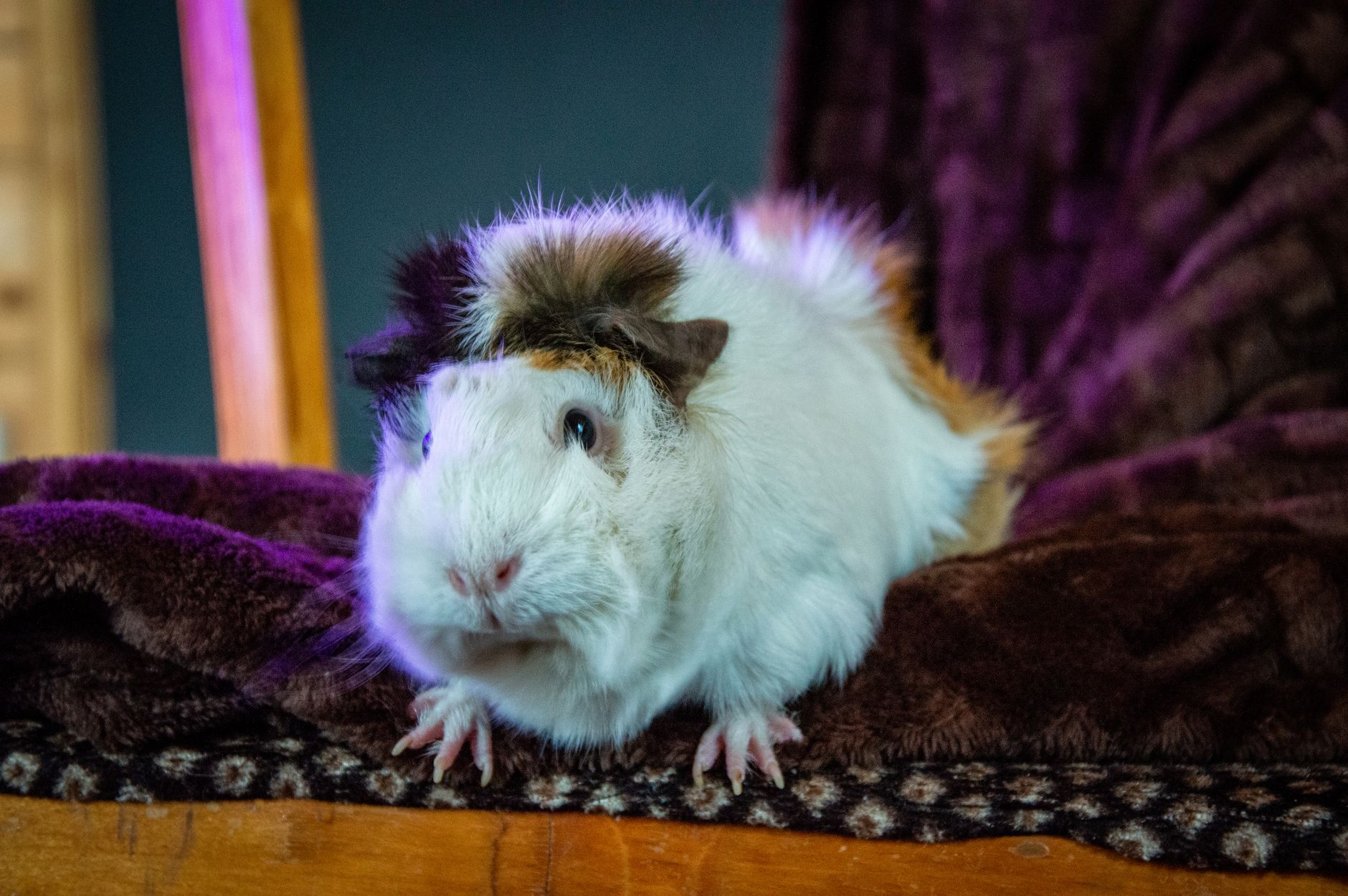
The lymphocyte count is a critical component of a complete blood count (CBC) and provides insight into the immune system’s status. In guinea pigs, an elevated or decreased lymphocyte count can indicate various underlying conditions. Understanding what constitutes a normal range is essential for interpreting test results accurately.
| Parameter | Normal Range |
|---|---|
| Lymphocytes | 30-80% |
See the full reference intervals for the guinea pig — every value cited to the laboratory document or paper it came from.
When interpreting lymphocyte counts, it’s important to consider the context of your guinea pig’s overall health and any clinical signs they may be exhibiting. Elevated lymphocytes (lymphocytosis) can indicate chronic antigenic stimulation, an epinephrine response, or conditions like lymphoid leukemia. For example, if a guinea pig is experiencing prolonged stress due to environmental factors such as overcrowding or poor diet, this could lead to elevated lymphocyte levels. Similarly, exposure to certain pathogens might cause the immune system to produce more lymphocytes in response.
Conversely, a low lymphocyte count (lymphopenia) might suggest stress, steroid use, viral infections, or other immune system disruptions. For instance, if your guinea pig is undergoing treatment with corticosteroids for an inflammatory condition, this could result in a reduced number of circulating lymphocytes. Additionally, certain viral infections can deplete the body’s supply of lymphocytes as part of their pathogenic mechanism.
It’s crucial to consult with your veterinarian if you notice any changes in your guinea pig’s behavior or physical condition alongside an abnormal lymphocyte count. They will be able to provide a comprehensive evaluation and determine the appropriate next steps for diagnosis and treatment.
Understanding these nuances can help owners better interpret their pet’s health status and work more effectively with veterinary professionals to address any potential issues early on. Regular monitoring of blood parameters, including lymphocytes, is an important aspect of preventive care in guinea pigs.
What Causes Elevated Lymphocytes in Guinea Pigs?
Elevated lymphocyte counts, also known as lymphocytosis, can indicate several underlying conditions in guinea pigs. This increase often reflects the body’s response to chronic antigenic stimulation or stress, which could be due to an ongoing infection or inflammation. For instance, a persistent bacterial or viral infection might cause lymphocytes to rise above normal levels as part of the immune system’s defense mechanism. Chronic infections can also lead to prolonged periods of lymphocyte proliferation, contributing to sustained elevations in blood tests.
Another common reason for elevated lymphocyte counts is epinephrine response, often triggered by acute stress or anxiety. Guinea pigs are sensitive creatures and can experience significant stress from changes in their environment, such as moving to a new home, loud noises, or even dietary changes. Stress-induced elevation of lymphocytes is typically temporary but may persist if the underlying cause remains unresolved. For example, prolonged exposure to stressful conditions like overcrowding or poor hygiene can lead to chronic stress and sustained high levels of lymphocytes.
Additionally, lymphocytosis could be an indicator of more serious conditions like lymphoid leukemia. In this case, the increase in lymphocyte count would be part of a broader set of clinical signs that might include weight loss, lethargy, and changes in appetite or droppings. If your guinea pig shows any combination of these symptoms alongside elevated lymphocytes, it is crucial to seek veterinary advice promptly. Lymphoid leukemia can progress rapidly if left untreated, leading to severe health complications.
It’s important for owners to monitor their guinea pigs closely and be aware of potential signs that might indicate an underlying issue causing lymphocytosis. Regular check-ups with a veterinarian are also crucial in identifying and managing these conditions early on. Early intervention can significantly improve the prognosis and quality of life for affected animals.
| Cause | Mechanism | Typical Signs |
|---|---|---|
| Chronic Infection | Antigenic stimulation leads to lymphocyte proliferation. | Reduced appetite, weight loss, lethargy. |
| Epinephrine Response | Stress triggers release of epinephrine, increasing lymphocyte count. | Hunched posture, tooth-grinding, reduced activity. |
| Lymphoid Leukemia | Cancerous proliferation of lymphocytes. | Weight loss, lethargy, respiratory effort. |
| Viral Infection | Immune response to viral antigens increases lymphocyte count. | Diarrhea, soft stool, reduced droppings. |
How Does Elevated Lymphocytes Compare with Other Blood Parameters in Guinea Pigs?

Elevated lymphocyte levels in guinea pigs can provide valuable insights into their overall health, but interpreting these results requires understanding how they relate to other blood parameters. When lymphocytes are above the reference range 30-80%, it’s important to consider what this means alongside changes in white blood cells (WBC), red blood cells (RBC), and platelets. Lymphocyte elevation can indicate chronic antigenic stimulation or stress responses, which may be due to parasitic infestations, persistent viral infections, or other immune system challenges.
For instance, if a guinea pig has elevated lymphocytes but normal WBC levels, it suggests that the increase is specifically due to an immune response rather than generalized inflammation or infection. This could indicate chronic antigenic stimulation such as parasitic infestation or persistent viral infection. On the other hand, if both lymphocytes and WBC are elevated, this points more towards a systemic inflammatory process, which might be indicative of bacterial infections, severe stress, or autoimmune diseases.
Red blood cells (RBC) and hemoglobin (HGB) levels can also offer clues about underlying conditions. If RBC counts are normal but HGB is low, it might suggest anemia unrelated to red cell production issues. In contrast, if both RBC and HGB are below the reference range, this could indicate nutritional deficiencies or chronic disease affecting bone marrow function. Additionally, a decrease in platelet count can be indicative of bleeding disorders or immune-mediated conditions.
It is crucial for veterinarians and owners to understand that each blood parameter provides unique information about the guinea pig’s health status. For example, while elevated lymphocytes might suggest an ongoing immune response, it is essential to correlate this with other parameters such as WBC, RBC, HGB, and platelets to get a comprehensive picture of the animal’s condition.
When evaluating blood work results in guinea pigs, it’s important to remember that reference ranges can vary between laboratories. Therefore, comparing values within the context of your pet’s specific laboratory report is crucial for accurate interpretation. For instance, if lymphocytes are elevated but other parameters remain stable or show no significant changes, this could indicate a localized immune response rather than systemic illness.
| Marker | What it Adds | When Preferred |
|---|---|---|
| Lymphocytes | Reflects chronic antigenic stimulation or stress response. | When suspecting immune system involvement. |
| WBC | Indicates overall inflammation or infection. | When assessing acute inflammatory processes. |
| RBC | Shows red blood cell production status. | When evaluating anemia or polycythemia. |
| Platelets | Reflects clotting ability and immune destruction. | When suspecting bleeding disorders or immune-mediated conditions. |
How Should Elevated Lymphocyte Levels Be Interpreted?
Elevated lymphocytes in guinea pigs, often referred to as lymphocytosis, can indicate several underlying conditions. When the level of lymphocytes is above the reference range, it’s important for owners to understand what this might mean and how to proceed.
Lymphocytes are a type of white blood cell that plays a crucial role in immune responses. An increase in their numbers suggests chronic antigenic stimulation, an epinephrine response, or lymphoid leukemia. Chronic antigenic stimulation can be due to persistent infections or autoimmune diseases, while an epinephrine response might indicate stress or excitement.
When interpreting elevated lymphocyte levels, it’s essential to consider the clinical signs and other blood parameters of your guinea pig. For instance, if your pet is showing lethargy, reduced appetite, or weight loss alongside high lymphocytes, these could be indicative of a chronic condition such as an infection or autoimmune disorder.
| Finding | What it may suggest | Suggested next step |
|---|---|---|
| Above the reference range | Chronic antigenic stimulation, epinephrine response, or lymphoid leukemia. | Consult your veterinarian for further evaluation and appropriate testing. |
| Markedly elevated | May indicate a more severe or acute condition such as lymphoid leukemia. | Seek immediate veterinary care for further diagnostic workup and treatment. |
It’s important to note that while elevated lymphocytes can suggest certain conditions, they do not confirm a diagnosis on their own. Your veterinarian will likely recommend additional tests such as blood smears, bone marrow analysis, or imaging studies to pinpoint the exact cause of your guinea pig’s condition.
In addition to evaluating lymphocyte levels, it’s crucial to monitor other parameters like neutrophils and monocytes for a comprehensive picture of your pet’s health. These markers can provide additional clues about underlying infections or inflammatory processes that might be contributing to elevated lymphocytes.
Ultimately, the key takeaway is that while an increase in lymphocytes may seem alarming, it’s just one piece of information among many that helps paint a clearer picture of your guinea pig’s health. Working closely with your veterinarian and following their guidance will help ensure your pet receives the best care possible.
high lymphocytes in ferrets can also indicate early signs of lymphoma, highlighting the importance of regular veterinary check-ups for all small mammals.
Are There Breed or Age Differences in Lymphocyte Levels?
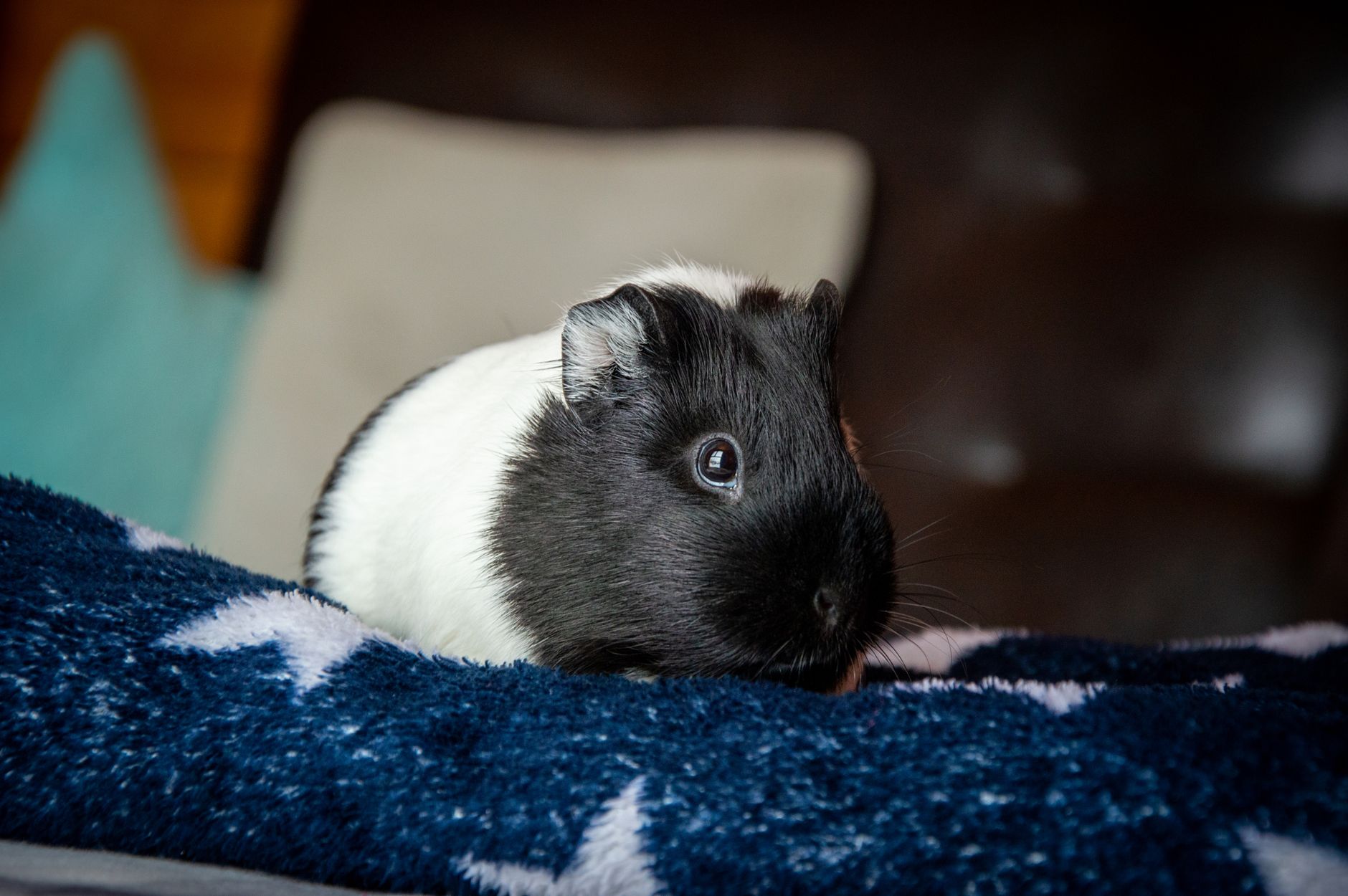
When examining lymphocyte levels in guinea pigs, it’s important to understand that coat-type breed does not predispose these animals to any documented blood-test abnormality. Clinical patterns observed are species-level phenomena rather than specific to a particular breed. This means that whether your guinea pig has short hair or long hair, the likelihood of elevated lymphocytes is influenced more by overall health and environmental factors than by its coat type.
Age-related changes in lymphocyte levels among guinea pigs can occur due to various physiological processes. For instance, younger animals may have higher lymphocyte counts as their immune systems are still developing and responding to new antigens. Conversely, older guinea pigs might experience a decrease in lymphocytes if they suffer from chronic stress or viral infections that deplete these cells over time. Additionally, age-related changes can also be influenced by the presence of underlying conditions such as dental disease, which is common in geriatric guinea pigs and can lead to systemic inflammation affecting immune cell counts.
It’s crucial for owners to monitor any changes in their pet’s health status closely, especially as the animal ages. Regular veterinary check-ups are recommended to catch potential issues early on. If you notice your guinea pig showing signs of lethargy, reduced appetite, or weight loss alongside elevated lymphocytes, it would be wise to consult a veterinarian who can provide a thorough examination and appropriate diagnostic tests. These tests may include blood work, imaging studies like X-rays or ultrasound, and in some cases, more specialized testing such as PCR for specific pathogens.
Understanding the context of your guinea pig’s environment is also key. Stressors such as changes in diet, housing conditions, or social dynamics can impact lymphocyte levels. For example, a sudden change in diet to one that lacks essential nutrients might weaken the immune system and lead to elevated lymphocytes due to an ongoing inflammatory response.
What Is the Treatment Approach for Elevated Lymphocytes?
Elevated lymphocyte counts in guinea pigs, known as lymphocytosis, can indicate several underlying conditions. The treatment approach depends on identifying and addressing the cause of the elevated levels. If your guinea pig’s blood test shows an increase in lymphocytes above the reference range, it is important to consult with a veterinarian for further evaluation.
Lymphocytes are white blood cells that play a crucial role in immune responses. They help fight infections and can be increased due to chronic antigenic stimulation, stress, or certain diseases like lymphoid leukemia. The first step in managing elevated lymphocyte counts involves determining the underlying cause through additional diagnostic tests such as further blood work, imaging studies, or even biopsies.
Once a diagnosis is made, your veterinarian will tailor a treatment plan specific to your guinea pig’s condition. For example, if the elevation is due to chronic stress or an ongoing infection, supportive care and environmental modifications may be recommended. If lymphocytosis is associated with a more serious condition like lymphoid leukemia, targeted therapies might be necessary.
Supportive care for conditions causing elevated lymphocytes can include dietary adjustments, such as providing high-quality hay and fresh vegetables to ensure proper nutrition. Environmental changes might involve reducing stressors in the guinea pig’s living space, ensuring adequate ventilation, and maintaining a clean environment free from irritants that could cause chronic antigenic stimulation.
In cases where lymphocytosis is due to an infection, your veterinarian may prescribe antibiotics or antiviral medications based on the specific pathogen identified. Regular monitoring of blood parameters will be necessary to assess the effectiveness of treatment and adjust it as needed.
For conditions like lymphoid leukemia, more aggressive treatments might be required. These could include chemotherapy or other targeted therapies aimed at reducing the proliferation of abnormal lymphocytes. Close monitoring by a veterinary oncologist is essential in these cases to manage side effects and monitor response to therapy.
| Cause | Mechanism | Typical Signs |
|---|---|---|
| Chronic antigenic stimulation | Continuous immune response to an infection or irritant | Reduced appetite, lethargy, weight loss |
| Epinephrine response | Stress-induced increase in lymphocytes | Hunched posture, tooth-grinding, diarrhea or soft stool |
| Lymphoid leukemia | Cancerous proliferation of lymphocytes | Respiratory effort, weakness, reduced droppings |
Summary of Key Points About Elevated Lymphocytes in Guinea Pigs
Elevated lymphocyte levels in guinea pigs can indicate several underlying conditions, each requiring a different approach to diagnosis and management. When lymphocytes are above the reference range, it is important for owners to understand that this finding alone does not provide a definitive diagnosis but rather points towards potential issues such as chronic antigenic stimulation or stress responses.
The clinical signs associated with elevated lymphocytes can vary widely depending on the underlying cause. For instance, if the elevation is due to chronic antigenic stimulation, you might observe reduced appetite and lethargy in your guinea pig over an extended period. On the other hand, a stress response could manifest as fewer droppings or weight loss within days of a stressful event such as moving to a new home or changes in routine. It’s crucial for owners to monitor these signs closely and report them to their veterinarian.
When interpreting elevated lymphocytes, veterinarians will consider additional blood parameters alongside this marker to build a comprehensive picture of your guinea pig’s health status. For example, assessing white blood cell counts, platelet levels, and other immune markers can help pinpoint the cause more accurately. Additionally, further diagnostic tests such as imaging studies or specialized blood work might be necessary to confirm the diagnosis.
It is also important for owners to understand that lymphocyte elevation does not always indicate a serious health issue. In some cases, it could simply reflect an immune response to minor infections or environmental stressors. However, persistent elevations should prompt further investigation as they may signal more significant underlying conditions such as chronic respiratory disease or parasitic infestations.
Owners should work closely with their veterinarians to develop a tailored management plan for their guinea pig based on the specific clinical signs and test results. This might include dietary adjustments, environmental modifications, or medication depending on the identified cause of lymphocyte elevation.
Frequently Asked Questions
What does elevated lymphocyte count mean in my guinea pig?
An elevated lymphocyte count indicates increased white blood cells involved in immune responses, suggesting ongoing inflammation or chronic illness such as infections or autoimmune conditions.
Why might my guinea pig have high lymphocytes?
High lymphocytes can result from chronic antigen exposure like persistent bacterial or parasitic infections, stress-induced hormonal changes, or less commonly, certain types of cancers affecting the lymph nodes.
Is there anything I should be worried about with high lymphocytes?
While concerning, high lymphocytes alone don’t diagnose serious illness; they indicate further investigation may be needed to determine underlying causes and appropriate treatment.
How urgent is it to see a vet after finding out my guinea pig has high lymphocytes?
The urgency depends on your pet’s overall condition; if your guinea pig shows signs like lethargy, poor appetite, or abnormal stools, prompt veterinary care is advisable.
Can diet affect lymphocyte levels in guinea pigs?
Proper nutrition supports overall health but specific dietary factors directly raising lymphocyte counts aren’t well-documented; focus on balanced diets rich in vitamin C.
Should I expect other lab results besides lymphocytes to also show abnormalities?
Yes, depending on the cause, you might observe changes in liver enzymes, kidney function tests, or inflammatory markers alongside elevated lymphocytes.
Are there any home remedies that could help lower lymphocyte levels?
Home remedies are generally not recommended for managing elevated lymphocytes; consult a veterinarian who can guide proper diagnosis and treatment tailored to your guinea pig’s needs.
Does an increase in lymphocytes always point towards infection?
No, while infections are common triggers, lymphocytosis can occur due to various reasons including stress, allergies, or chronic diseases, so additional testing helps clarify the cause.
Could high lymphocytes be related to dental issues in guinea pigs?
Dental problems can indirectly contribute by causing chronic irritation or infection leading to higher lymphocytes, making thorough oral exams important when assessing elevated counts.
What follow-up tests would a vet recommend after seeing high lymphocytes?
Your vet may suggest additional blood work, imaging studies, or specialized tests such as urinalysis or cultures to pinpoint the exact reason behind increased lymphocytes.
Is there anything breed-specific about lymphocyte levels in guinea pigs?
There are no documented breed-related differences affecting lymphocyte levels in guinea pigs; all breeds should have similar responses under normal circumstances.
Would low lymphocyte count be more concerning than high ones?
Low lymphocyte counts (lymphopenia) indicate reduced immune cell numbers which can result from viral infections, severe stress, or certain medications, requiring careful evaluation.
Can environmental factors like temperature affect lymphocyte levels?
Environmental stresses like extreme temperatures or poor housing conditions can trigger physiological responses potentially altering white blood cell profiles, including lymphocytes.
Should I worry if only one type of white blood cell is affected?
While specific changes merit attention, focusing solely on isolated markers without considering overall clinical picture might lead to misinterpretation; consult your veterinarian for comprehensive assessment.
Sources & Further Reading
This article draws on the following authoritative veterinary references. For your pet’s individual case, consult a licensed veterinarian.
- Merck Veterinary Manual — comprehensive clinical reference for veterinary practice
- Veterinary Clinical Pathology — clinical pathology research and case studies