Wondering what a full interpretation looks like? See a sample report →
Why Should Guinea Pig Owners Care About High GGT?
Guinea pig owners should be concerned about high GGT levels because they can indicate a problem in their pet’s liver or bile ducts. Elevated GGT is particularly significant as it suggests cholestasis, which means there’s an obstruction or inflammation affecting the flow of bile from the liver to the small intestine. This condition can lead to serious health issues if left untreated. High GGT levels are often associated with conditions such as hepatic lipidosis (fatty liver disease), biliary obstruction, and certain types of liver infections.
When your guinea pig has high GGT levels, it’s important to understand that this marker is non-specific and does not provide a definitive diagnosis on its own. However, it serves as an early warning sign that warrants further investigation by a veterinarian. Other liver enzymes like ALP (alkaline phosphatase) should also be evaluated alongside GGT to get a clearer picture of what’s happening in your pet’s body. For instance, if both GGT and ALP are elevated, this could indicate hepatobiliary disease or cholestasis.
High GGT levels can be associated with various clinical signs such as reduced appetite, weight loss, lethargy, and changes in stool consistency. These symptoms may indicate underlying issues like liver disease or bile duct obstruction that require prompt veterinary attention. Your veterinarian will consider these signs along with the blood test results to determine the next steps for your guinea pig’s care. Early intervention is crucial as untreated conditions can progress to more severe stages, potentially affecting other organs and leading to systemic complications.
It’s also important to note that while GGT levels are a critical indicator of liver health in guinea pigs, they should be interpreted alongside other clinical signs and laboratory tests. For example, if your pet shows persistent lethargy and weight loss along with high GGT levels, these symptoms together may suggest a more serious underlying condition requiring immediate veterinary care.
What is Gamma-Glutamyl Transferase (GGT)?
The gamma-glutamyl transferase, commonly known as GGT, is an enzyme found primarily in the liver and kidneys. In guinea pigs, like in many other animals, it plays a crucial role in metabolism and helps transport amino acids across cell membranes. Specifically, GGT is involved in the breakdown of glutathione, which is important for detoxifying harmful substances within the body. Glutathione acts as an antioxidant, protecting cells from oxidative stress caused by free radicals.
GGT is particularly significant because it serves as an indicator of cholestasis or bile duct obstruction. Cholestasis occurs when there’s a blockage in the flow of bile from the liver to the small intestine. This can be caused by various conditions such as inflammation, infection, or structural abnormalities within the biliary tract. Unlike other liver enzymes like AST and ALT, which primarily indicate hepatocellular damage, GGT is more specific to issues affecting the bile ducts. For example, in cases of cholangitis (inflammation of the bile ducts) or gallstones obstructing the bile flow, elevated GGT levels are often observed.
When interpreting GGT levels in guinea pigs, it’s important to understand that an increase above the reference range suggests a problem with bile flow rather than direct liver cell injury. This makes GGT a valuable marker for diagnosing conditions like biliary obstruction or inflammation of the bile ducts. However, if GGT is within the normal range, it does not provide any specific clinical information and is considered non-diagnostic. It’s crucial to correlate GGT levels with other diagnostic tests such as imaging studies (e.g., ultrasound) and liver function tests (e.g., ALP, bilirubin) to get a comprehensive understanding of the guinea pig’s condition.
Laboratory Reference Ranges for Guinea Pig GGT
The normal reference range for GGT in guinea pigs is 7-34 U/L. This marker, gamma-glutamyl transferase, helps indicate issues related to the biliary system and liver function. When interpreting a blood test result, it’s important to compare your pet’s GGT level against this established range.
GGT levels that are above the reference range can suggest cholestasis or bile duct involvement. Cholestasis refers to a condition where bile flow from the liver is blocked or slowed down, leading to an accumulation of substances like bilirubin and other bile components in the blood. Elevated GGT may also be associated with conditions such as hepatic lipidosis (fatty liver disease) or cholangiohepatitis.
It’s crucial to note that a single elevated GGT reading does not confirm any specific condition on its own; it should be interpreted alongside other clinical signs and laboratory findings. For instance, if your guinea pig is showing reduced appetite, lethargy, or changes in stool consistency, these symptoms combined with an elevated GGT level warrant further investigation by a veterinarian.
GGT levels can also rise due to certain medications or dietary factors that affect liver function. It’s important for owners to inform their veterinarians about any recent changes in diet or medication use when discussing test results. Additionally, chronic conditions such as obesity and diabetes mellitus may influence GGT levels, making it essential to consider the guinea pig’s overall health history.
When a veterinarian suspects liver dysfunction based on elevated GGT levels, they might recommend additional diagnostic tests like abdominal ultrasound or liver biopsy to confirm the diagnosis. These tests can provide more detailed information about the extent and nature of any liver damage or disease present in your pet.
| Marker | Normal Range |
|---|---|
| GGT | 7-34 U/L |
See the full reference intervals for the guinea pig — every value cited to the laboratory document or paper it came from.
What Causes Elevated GGT Levels in Guinea Pigs?
Elevated levels of GGT, a marker commonly associated with liver and bile duct issues, can indicate several underlying conditions in guinea pigs. When GGT is above the reference range, it often suggests cholestasis or blockages within the biliary tract. This elevation does not necessarily mean there’s damage to the liver cells themselves but rather points towards an obstruction affecting how bile flows through the body.
One of the primary causes for elevated GGT in guinea pigs is bile duct obstruction, which can be due to a variety of factors such as inflammation or blockages caused by stones. This condition disrupts normal bile flow and leads to increased levels of GGT as the liver works harder to compensate for this disruption. Additionally, certain medications that affect liver function may also cause an increase in GGT levels.
When interpreting elevated GGT results, it’s important to consider other clinical signs observed in your guinea pig. Reduced appetite, fewer droppings, weight loss, hunched posture, tooth-grinding, lethargy, diarrhea or soft stool, respiratory effort, and weakness can all be indicative of liver issues or bile duct problems. However, these symptoms are non-specific and could also point to other health concerns such as gastrointestinal distress or dental disease.
It is crucial for veterinarians to conduct a thorough clinical examination and possibly additional diagnostic tests when elevated GGT levels are detected in guinea pigs. These may include imaging studies like ultrasound to visualize the liver and bile ducts, blood work to assess overall organ function, and sometimes endoscopy or laparotomy if surgical intervention is suspected.
For instance, a guinea pig with persistent high GGT levels might undergo an abdominal ultrasound to check for any structural abnormalities in the liver or bile ducts. If inflammation or blockages are identified, further tests such as biopsies may be necessary to determine the exact cause and extent of the problem.
| Cause | Mechanism | Typical Signs |
|---|---|---|
| bile duct obstruction | Disruption of bile flow leads to increased GGT levels as the liver works harder. | Reduced appetite, weight loss, hunched posture, lethargy |
| Liver Disease | cholestasis or inflammation affecting bile flow. | Diarrhea, soft stool, respiratory effort, weakness |
| certain medications | Drugs that affect liver function can elevate GGT. | Tooth-grinding, lethargy, reduced droppings |
| Dental Disease | Impaired eating and stress can indirectly affect liver function. | Reduced appetite, hunched posture, lethargy |
| Vitamin C Deficiency (Scurvy) | Poor nutrition can lead to liver stress and elevated GGT. | Diarrhea, soft stool, lethargy |
How Does High GGT Compare with Other Liver Enzymes?
When your guinea pig’s blood test shows high GGT, understanding how it compares to other liver enzymes like AST and ALP can help clarify what might be happening in their body. Unlike ALT which primarily indicates damage or leakage from liver cells, GGT is more specific to cholestasis or bile duct issues. This means that if your guinea pig’s GGT levels are above the reference range 7-34 U/L, it suggests a problem with bile flow rather than direct liver cell injury.
AST, on the other hand, can be elevated due to both muscle and liver damage. In cases where AST is high alongside ALT but GGT remains within normal limits, this often points towards hepatocellular injury or muscle-related issues rather than cholestasis. ALP (alkaline phosphatase) also rises in conditions affecting bile flow, similar to GGT, but it can be elevated for other reasons too, such as bone growth or pregnancy.
When interpreting these results, your veterinarian will look at the pattern of enzyme elevations and consider additional factors like clinical signs (reduced appetite, lethargy), physical exam findings, and possibly imaging studies. For instance, if GGT is markedly elevated while AST and ALT are only slightly above normal, this could indicate a bile duct obstruction or another issue affecting bile flow.
It’s important to note that each liver enzyme provides unique information about the guinea pig’s health status. Elevated GGT levels specifically highlight potential issues with bile secretion and transport within the liver. In contrast, AST is more indicative of general cellular damage, which can occur in both muscle and liver tissues. ALP elevation might suggest bone-related conditions or pregnancy in addition to liver disorders.
Understanding these distinctions helps veterinarians tailor their diagnostic approach and treatment plan for your guinea pig. For example, if GGT levels are significantly elevated while AST and ALT remain within normal ranges, the focus may shift towards investigating bile duct obstruction or other hepatobiliary issues rather than direct liver cell damage.
| Marker | What it Adds | When Preferred |
|---|---|---|
| GGT | Indicates cholestasis or bile duct involvement. | When suspecting bile flow issues. |
| AST | Reflects hepatocellular or muscle injury; not liver-specific. | When suspecting both liver and muscle damage. |
| ALP | Indicates cholestasis or bone growth; can be pregnancy-related. | When suspecting bile flow issues or bone growth. |
How Should I Interpret Elevated GGT Levels?
Elevated GGT levels in guinea pigs indicate a potential issue related to bile flow or liver function. When GGT is above the reference range, it suggests cholestasis or biliary tract involvement rather than direct liver cell damage. This means that there might be an obstruction or inflammation affecting how bile moves through your pet’s system. It’s important to understand that elevated GGT levels do not provide specific information about the underlying cause but can indicate a need for further investigation.
For instance, ALP (alkaline phosphatase) levels might also be checked since both enzymes are involved in liver and biliary function but can indicate different aspects of these processes. Elevated ALP often suggests cholestasis or bone disease, while elevated GGT is more indicative of hepatocellular damage or bile duct obstruction.
When GGT is markedly elevated, it’s crucial to consider other clinical signs your guinea pig may exhibit. Reduced appetite, lethargy, changes in droppings, and jaundice could all suggest a more serious condition that requires immediate veterinary attention. In such cases, the veterinarian will likely recommend further diagnostic steps like imaging studies (ultrasound) and possibly liver function tests to pinpoint the exact cause.
It is also important to monitor GGT levels over time in guinea pigs with chronic conditions affecting bile flow or liver function. If GGT levels are rising over time, it may indicate progressive liver or biliary tract disease, which requires regular monitoring and ongoing management by a veterinarian. Stable but elevated GGT levels might suggest a chronic condition that needs to be managed on an individual basis.
| Finding | What it may suggest | Suggested next step |
|---|---|---|
| Above the reference range 7-34 U/L | Cholestasis or biliary tract involvement | Consult a veterinarian for further evaluation and possible imaging studies. |
| Markedly elevated GGT levels | Potential obstruction or inflammation in the biliary tract | Seek immediate veterinary care to assess and treat underlying conditions. |
| GGT levels rising over time | Progressive liver or biliary tract disease | Monitor regularly and follow up with your veterinarian for ongoing management. |
| GGT levels stable but above normal range | Chronic condition affecting bile flow or liver function | Discuss with your veterinarian for a tailored management plan. |
| GGT levels fluctuating widely | Possible intermittent obstruction or inflammation | Consider additional diagnostic tests to identify the cause of fluctuations. |
Are There Breed or Age Differences in GGT Levels?
When evaluating GGT levels in guinea pigs, it’s important to understand that there are no breed-specific differences that affect these values. Coat-type breeds like the American Shorthair, Abyssinian, Peruvian, Silkie, Teddy, Texel, Skinny Pig, and Hairless do not predispose to any documented blood-test abnormality. Clinical patterns in guinea pigs are species-level issues such as vitamin C deficiency (scurvy), urolithiasis from high-calcium diets, and pregnancy-related complications.
Regarding age-related changes, GGT levels typically remain stable across different life stages of the guinea pig. However, it’s crucial to consider other factors that might influence these levels, such as diet, hydration status, and overall health condition. For instance, a guinea pig with reduced appetite or dehydration may show elevated GGT levels due to liver stress rather than age-related changes. Additionally, older guinea pigs often experience more frequent dietary issues and may have less efficient digestion, which can indirectly affect liver function and thus GGT levels.
When interpreting GGT results in older guinea pigs, it’s important for veterinarians to consider the animal’s full medical history, including any chronic conditions that might affect liver function. For example, if an older guinea pig is showing signs of lethargy and reduced appetite alongside elevated GGT levels, further diagnostic tests such as imaging or a bile acid test may be necessary to determine the underlying cause. These additional tests can help differentiate between age-related changes and other potential causes like hepatic disease.
It’s also important for veterinarians to monitor guinea pigs closely during pregnancy and lactation periods, as these stages can place significant metabolic demands on the liver. Elevated GGT levels in pregnant or nursing females should prompt a thorough evaluation of dietary adequacy and overall health status to ensure that any observed changes are not indicative of underlying liver dysfunction.
What is the Treatment Approach for High GGT Levels?
Treating high GGT levels in guinea pigs involves addressing the underlying cause, which can range from liver issues to bile duct problems. Gamma-glutamyl transferase (GGT) is an enzyme primarily involved in the transport of amino acids and peptides across cell membranes, particularly in the biliary system. Elevated GGT indicates cholestasis or obstruction within the bile ducts rather than direct liver cell damage.
Once a high GGT level is identified, your veterinarian will likely recommend further diagnostic tests to pinpoint the cause. These may include imaging studies like an ultrasound to visualize the liver and bile ducts, blood work to assess other liver enzymes such as ALP (alkaline phosphatase), or even exploratory surgery in severe cases.
The treatment plan for high GGT levels will depend on what is found during these diagnostic steps. If a blockage in the bile duct is identified, surgical intervention might be necessary to relieve it and restore normal bile flow. In cases where liver disease is suspected, supportive care such as dietary changes, vitamin C supplementation, and medications that support liver function may be prescribed.
For instance, if an obstruction is detected through imaging studies, the veterinarian will likely perform a cholecystectomy or other surgical procedures to remove any blockages. Post-surgery, the guinea pig might require hospitalization for monitoring and supportive care until it recovers fully from anesthesia and surgery.
In cases of liver disease, dietary modifications are crucial. A diet rich in antioxidants and low in fat can help reduce oxidative stress on the liver. Vitamin C supplementation is also essential since guinea pigs cannot synthesize this vitamin internally and require a daily intake to maintain optimal health. The recommended dose should be determined by your veterinarian based on the severity of the condition.
Medications that support liver function, such as milk thistle or SAMe (S-adenosylmethionine), may also be prescribed. These supplements can help repair damaged liver cells and improve overall liver health. However, it is important to consult with a veterinarian before starting any new treatment regimen.
| Cause | Mechanism | Typical Signs |
|---|---|---|
| Bile duct obstruction | Cholestasis leads to elevated GGT levels. | Reduced appetite, lethargy, hunched posture. |
| Liver disease | Inflammation or damage to liver tissue can elevate GGT. | Weight loss, diarrhea, respiratory effort. |
| Vitamin C deficiency | Poor liver health due to lack of vitamin C can affect GGT levels. | Tooth grinding, weak hind legs, reduced droppings. |
Summary of Key Points About High GGT in Guinea Pigs
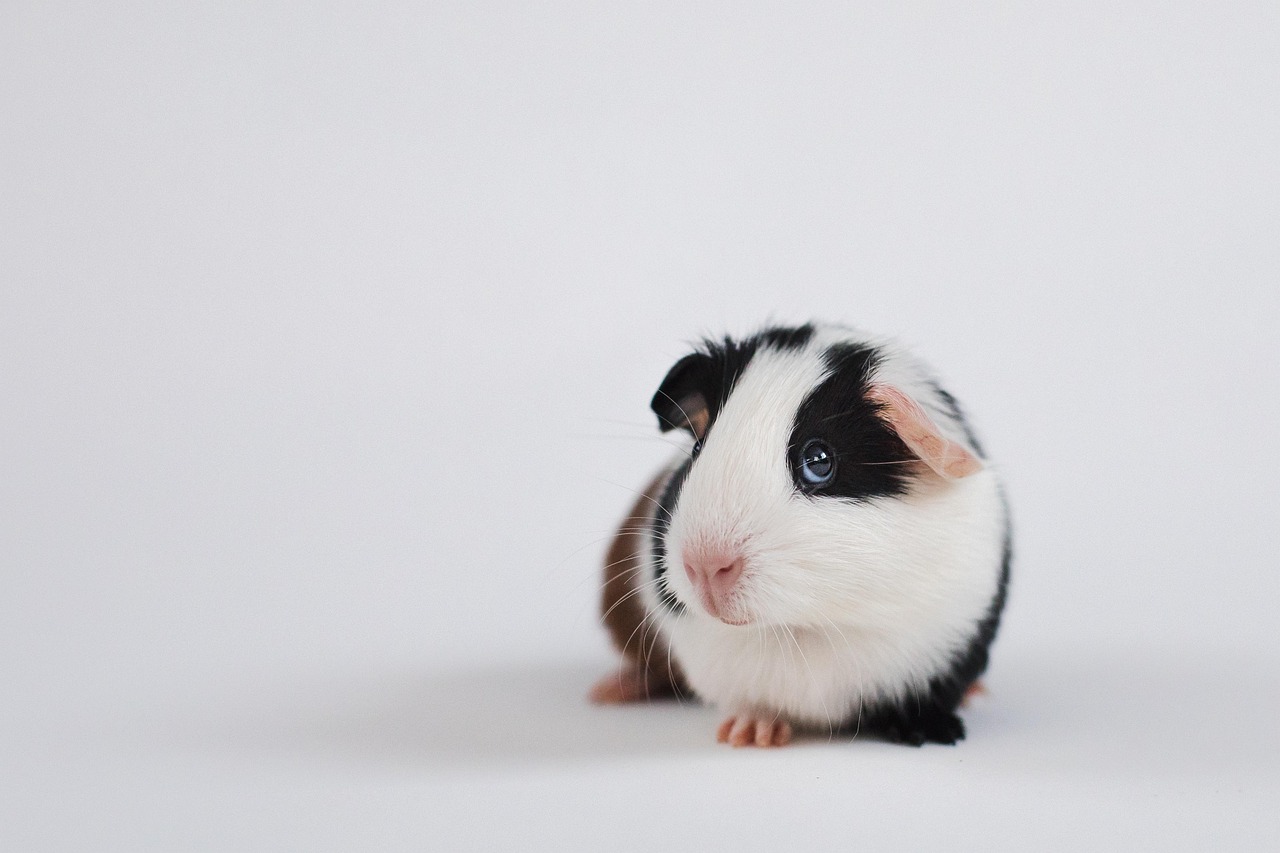
Elevated Gamma-Glutamyl Transferase (GGT) levels in guinea pigs are often indicative of liver or bile duct issues. When a guinea pig’s GGT is above the reference range, it suggests cholestasis or biliary tract involvement rather than direct liver cell damage. This marker does not provide specific information about the underlying cause but signals that further investigation is necessary. It is crucial to understand that while elevated GGT levels point towards potential problems in these areas, they do not confirm any specific disease on their own.
High GGT can be associated with various conditions such as hepatic lipidosis, bile duct obstruction, or inflammation affecting the liver and gallbladder area. For example, if a guinea pig is experiencing issues related to its diet leading to fatty deposits in the liver (hepatic lipidosis), this could elevate GGT levels. Similarly, any condition that obstructs the flow of bile from the liver can also cause an increase in GGT. Other tests like ALP (Alkaline Phosphatase) may also be elevated alongside GGT if there is significant biliary involvement.
Owners should monitor their guinea pigs for clinical signs such as reduced appetite, lethargy, or changes in stool consistency when GGT levels are above normal. These symptoms can indicate a need for immediate veterinary attention. Regular check-ups and follow-up tests help track the progression of any liver-related issues and allow for timely intervention. For instance, if a guinea pig shows persistent signs of illness alongside elevated GGT levels, it is advisable to consult with a veterinarian who may recommend additional diagnostic procedures such as imaging studies or more detailed blood work.
It’s important to note that while GGT can be an early indicator of liver and biliary issues in guinea pigs, its interpretation should always be done in conjunction with other clinical signs and laboratory results. This comprehensive approach ensures a thorough understanding of the animal’s health status and guides appropriate treatment decisions.
Frequently Asked Questions
What does high GGT mean for my guinea pig?
High GGT levels suggest issues with bile flow or the biliary tract, indicating potential liver problems like inflammation or blockages. It’s important to follow up with your vet for further evaluation.
Why would my guinea pig have low GGT levels?
Low GGT levels generally don’t signify any particular health issue; they’re considered within normal range unless other symptoms or test results point to liver concerns.
Can diet affect GGT levels in guinea pigs?
While certain diets can influence overall health, there isn’t direct evidence linking specific foods to changes in GGT levels specifically in guinea pigs.
How common is elevated GGT in guinea pigs?
Elevated GGT is less commonly seen compared to other markers but still warrants attention due to its association with liver or biliary issues.
Should I be worried about high GGT in my pet?
It’s natural to worry, but high GGT alone doesn’t confirm serious illness. Your veterinarian will assess alongside other tests and symptoms to determine next steps.
What additional tests might my vet run besides checking GGT?
Your vet may order more comprehensive liver function tests such as ALP, ALT, bilirubin, and possibly imaging studies to get a full picture of your guinea pig’s condition.
Does an increase in GGT always indicate liver disease?
An increased GGT level often suggests liver or biliary involvement, but it needs confirmation from other diagnostic tools since it could also reflect non-hepatic conditions.
Is high GGT dangerous for my guinea pig?
High GGT indicates possible underlying health issues requiring investigation, but immediate danger depends on the cause and severity detected by further testing.
When should I see a vet if my guinea pig has high GGT?
Consulting your vet promptly after noticing high GGT allows timely diagnosis and management of any potential liver or bile duct issues.
Can stress raise GGT levels in guinea pigs?
Stress can affect various physiological processes, though specific effects on GGT aren’t well-documented in guinea pigs without broader clinical signs.
Do vitamin C supplements help lower GGT in guinea pigs?
Vitamin C supports general health but hasn’t been shown to directly alter GGT levels; consult your vet for appropriate supplementation based on your pet’s overall health.
Why does my guinea pig need multiple blood tests if one shows abnormal GGT?
Multiple tests provide a clearer understanding of your pet’s health status, helping identify the exact nature of liver or biliary tract problems indicated by elevated GGT.
How soon do I need to recheck my guinea pig’s GGT levels?
Rechecking intervals depend on initial findings and treatment response; your vet will guide you on when to schedule follow-up tests.
Sources & Further Reading
This article draws on the following authoritative veterinary references. For your pet’s individual case, consult a licensed veterinarian.
- Merck Veterinary Manual — comprehensive clinical reference for veterinary practice
- Veterinary Clinical Pathology — clinical pathology research and case studies