Facial Eczema in Sheep — Blood Liver Enzyme Changes Explained
Facial Eczema in Sheep — Blood Liver Enzyme Changes Explained
Wondering what a full interpretation looks like? See a sample report →
Why Should Sheep Owners Care About Facial Eczema?

Facial eczema in sheep is a condition that can significantly impact their health and productivity. This skin disorder, characterized by redness, scaling, and sometimes hair loss around the face, is often linked to underlying liver issues such as photosensitization or plant alkaloid toxicity. Understanding facial eczema is crucial because it serves as an early warning sign for more serious internal conditions that can affect a sheep’s overall well-being.
Facial eczema in sheep is frequently associated with elevated liver enzymes, particularly GGT, which indicates bile duct obstruction or hepatocellular damage. Elevated levels of GGT (normal: 0-7 U/L; outside the reference interval requires monitoring; outside the reference interval urgent action) can signal that the sheep is suffering from conditions like liver fluke infestation, plant toxicity, or copper overload. These underlying issues not only compromise the animal’s health but also reduce its ability to produce wool and meat efficiently.
- Facial eczema often precedes more severe liver damage, making it a critical indicator for early intervention.
- Elevated GGT levels can be indicative of photosensitization due to plant alkaloids or other toxins that affect the liver’s ability to process these substances.
Sheep owners should monitor their flocks closely for signs of facial eczema, as timely diagnosis and treatment are essential. Early detection allows for prompt management of underlying causes, potentially preventing further complications such as severe weight loss or even death. By addressing the root cause early on, sheep farmers can maintain healthier herds and improve overall productivity.
What Are Liver Enzymes and Why Do They Matter?
Liver enzymes are biochemical markers that indicate liver health and function. These enzymes, such as alanine aminotransferase (ALT), aspartate aminotransferase (AST), and gamma-glutamyl transferase (GGT), play crucial roles in various metabolic processes within the liver. Elevated levels of these enzymes can signal liver damage or disease, making them essential for early detection and management.
Monitoring liver enzyme levels is a routine part of diagnosing and managing conditions like facial eczema in sheep. ALT, AST, and GGT are particularly important because they reflect different aspects of hepatic function and injury. For instance, ALT is primarily found within liver cells; when these cells are damaged or die, ALT leaks into the bloodstream, leading to elevated levels. Similarly, AST can indicate muscle damage as well as liver issues, but its presence in higher concentrations often points towards liver dysfunction.
- ALT: Normal range is 45-80 U/L; levels above the reference interval suggest potential liver injury and warrant further investigation. Critical values over the reference interval indicate severe damage requiring immediate intervention.
- AST: The normal range for AST is 60-280 U/L, with elevated readings (outside the reference interval) indicating possible liver or muscle damage. Values exceeding the reference interval are critical and necessitate urgent care.
- GGT: GGT levels typically remain below the reference interval in healthy sheep; however, elevations above the reference interval may suggest bile duct obstruction or other hepatic disorders. Critical values over the reference interval require prompt medical attention.
These enzymes provide valuable insights into the health of a sheep’s liver. For example, in cases where facial eczema is suspected due to photosensitization, elevated GGT and ALT levels can confirm liver involvement and guide treatment decisions. Understanding these markers helps veterinarians tailor therapeutic approaches effectively.
Normal Reference Ranges for Liver Enzymes in Sheep
The liver plays a crucial role in maintaining overall health by regulating metabolism, detoxifying harmful substances, and producing essential proteins. Monitoring liver function through blood tests is vital for early detection of diseases such as facial eczema. Key indicators include serum levels of alanine transaminase (ALT), aspartate transaminase (AST), and gamma-glutamyl transferase (GGT). These enzymes are released into the bloodstream when liver cells are damaged, making their measurement a reliable method to assess liver health.
Normal reference ranges for these enzymes in sheep are critical for accurate diagnosis. For ALT, the normal range is 45-80 U/L; levels above the reference interval indicate elevated activity and may require further investigation, while values over the reference interval suggest a severe liver issue necessitating urgent care. Similarly, AST typically ranges from 60-280 U/L in healthy sheep; an increase to outside the reference interval signals potential liver damage or other systemic conditions, with critical levels above the reference interval indicating serious hepatocellular injury.
GGT is another important marker for assessing liver function and bile duct obstruction. Normal GGT values in sheep are between 0-7 U/L; elevations to outside the reference interval may indicate cholestasis or other hepatic disorders, while levels exceeding the reference interval suggest severe pathology requiring immediate attention.
- ALT: normal range is 45-80 U/L; elevated at outside the reference interval; critical above the reference interval
- AST: normal range is 60-280 U/L; elevated at outside the reference interval; critical above the reference interval
- GGT: normal range is 0-7 U/L; elevated at outside the reference interval; critical above the reference interval
Understanding these reference ranges helps veterinarians interpret blood test results accurately and initiate appropriate treatment promptly. For instance, if a sheep exhibits symptoms of facial eczema, such as photosensitivity or skin lesions around the face, elevated liver enzymes can confirm hepatic involvement.
| Parameter | Normal Range (U/L) |
|---|---|
| ALT | 45-80 U/L |
| AST | 60-280 U/L |
| GGT | 0-7 U/L |
| Bilirubin (Total) | 0.1-0.5 mg/dL |
| Albumin | 2.4-3.0 g/dL |
| Alkaline Phosphatase (ALP) | 12-96 U/L |
| Bile Acids (Total) | Laboratory-specific |
See the full reference intervals for sheep — every value cited to the laboratory document or paper it came from.
The table above provides a comprehensive overview of the normal, elevated, and critical ranges for key liver enzymes in sheep. These values serve as a guide for veterinarians to assess liver health accurately and respond appropriately to any deviations from these norms.
What Causes Facial Eczema in Sheep?

The primary cause of facial eczema in sheep is exposure to fungal spores, specifically Pithomyces chartarum, which thrives under humid and warm conditions. These spores are ingested by the sheep while grazing on pasture, leading to a range of clinical signs including skin lesions around the face and ears. Environmental factors such as high humidity levels and temperatures above 15°C significantly increase the risk of facial eczema outbreaks.
Management practices also play a crucial role in the development of this condition. Overgrazing, which leads to increased exposure to spores due to reduced grass cover, is a common issue that exacerbates the problem. Additionally, poor nutrition can weaken the sheep’s immune system, making them more susceptible to fungal infections and subsequent skin damage.
- Overgrazed pastures increase Pithomyces chartarum spore density.
- Nutritional deficiencies compromise immune response.
- High humidity and temperatures above 15°C favor fungal growth.
The impact of facial eczema on liver enzymes is notable. Elevated levels of ALT (alanine aminotransferase) and AST (aspartate aminotransferase), which are markers for liver damage, can be observed in affected sheep. For instance, an ALT level above the reference interval indicates significant hepatocellular injury, while critical values over the reference interval suggest severe liver dysfunction requiring immediate intervention.
| Parameter | Normal Range (U/L) |
|---|---|
| ALT | 45-80 U/L |
| AST | 60-280 U/L |
| GGT | 0-7 U/L |
Elevated GGT levels, which are indicative of bile duct obstruction or liver disease, can also be seen in sheep suffering from facial eczema. These changes reflect the systemic impact of fungal spore ingestion and subsequent immune response.
How Do Liver Enzymes Compare to Other Blood Parameters?
In diagnosing facial eczema in sheep, liver enzymes such as ALT (alanine aminotransferase), AST (aspartate aminotransferase), and GGT (gamma-glutamyl transferase) are crucial indicators of hepatocellular damage. These enzymes provide insights into the extent of liver injury caused by this condition. However, interpreting these values alongside other blood parameters is essential for a comprehensive diagnosis.
For instance, a Complete Blood Count (CBC) can reveal anemia or leukocytosis, which might suggest secondary complications such as parasitic infections or nutritional deficiencies that exacerbate facial eczema symptoms. Additionally, kidney markers like BUN (blood urea nitrogen) and creatinine are important to monitor because liver disease can affect renal function through various mechanisms.
Elevated ALT levels above the reference interval in sheep indicate significant hepatocellular damage, often associated with facial eczema. This elevation is critical when compared to normal ranges of 45-80 U/L and should prompt further investigation into liver function. Similarly, AST levels greater than the reference interval suggest ongoing liver injury, while GGT values above the reference interval indicate bile duct obstruction or inflammation.
It’s important to note that these enzymes do not operate in isolation; they must be interpreted alongside other blood parameters for a holistic understanding of the sheep’s health status. For example, if ALT and AST are elevated but BUN and creatinine levels remain within normal limits (BUN: 8-20 mg/dL; creatinine: 1.2-1.9 mg/dL), it suggests that liver damage is primary without concurrent renal impairment.
| Parameter | Normal Range (U/L) |
|---|---|
| ALT | 45-80 U/L |
| AST | 60-280 U/L |
| GGT | 0-7 U/L |
| BUN | 8-20 mg/dL |
| Creatinine | 1.2-1.9 mg/dL |
How to Interpret Liver Enzyme Test Results?
Liver enzyme tests are crucial in diagnosing and monitoring facial eczema in sheep, as they provide insights into liver health. Understanding the significance of elevated or critical levels is essential for timely intervention. For instance, alanine aminotransferase (ALT) levels above the reference interval indicate potential liver damage, while values over the reference interval suggest severe hepatocellular injury.
Aspartate aminotransferase (AST) and gamma-glutamyl transferase (GGT) also play critical roles in assessing liver function. Elevated AST levels (outside the reference interval) often correlate with muscle damage or liver disease, whereas GGT elevation (outside the reference interval) is commonly associated with bile duct obstruction or hepatocellular injury.
- ALT: Normal range 45-80 U/L; outside the reference interval indicates potential liver damage; outside the reference interval suggests severe hepatocellular injury.
- AST: Normal range 60-280 U/L; outside the reference interval may indicate muscle or liver disease; outside the reference interval suggests significant hepatic dysfunction.
- GGT: Normal range 0-7 U/L; outside the reference interval indicates possible bile duct obstruction or hepatocellular injury; outside the reference interval is critical and requires urgent evaluation.
Reference intervals for the parameters discussed above, as published in the source panel for the sheep:
| Parameter | Reference interval (sheep) |
|---|---|
| ALT | 45-80 U/L |
| AST | 60-280 U/L |
| GGT | 0-7 U/L |
Are There Breed and Age Differences in Liver Enzyme Levels?
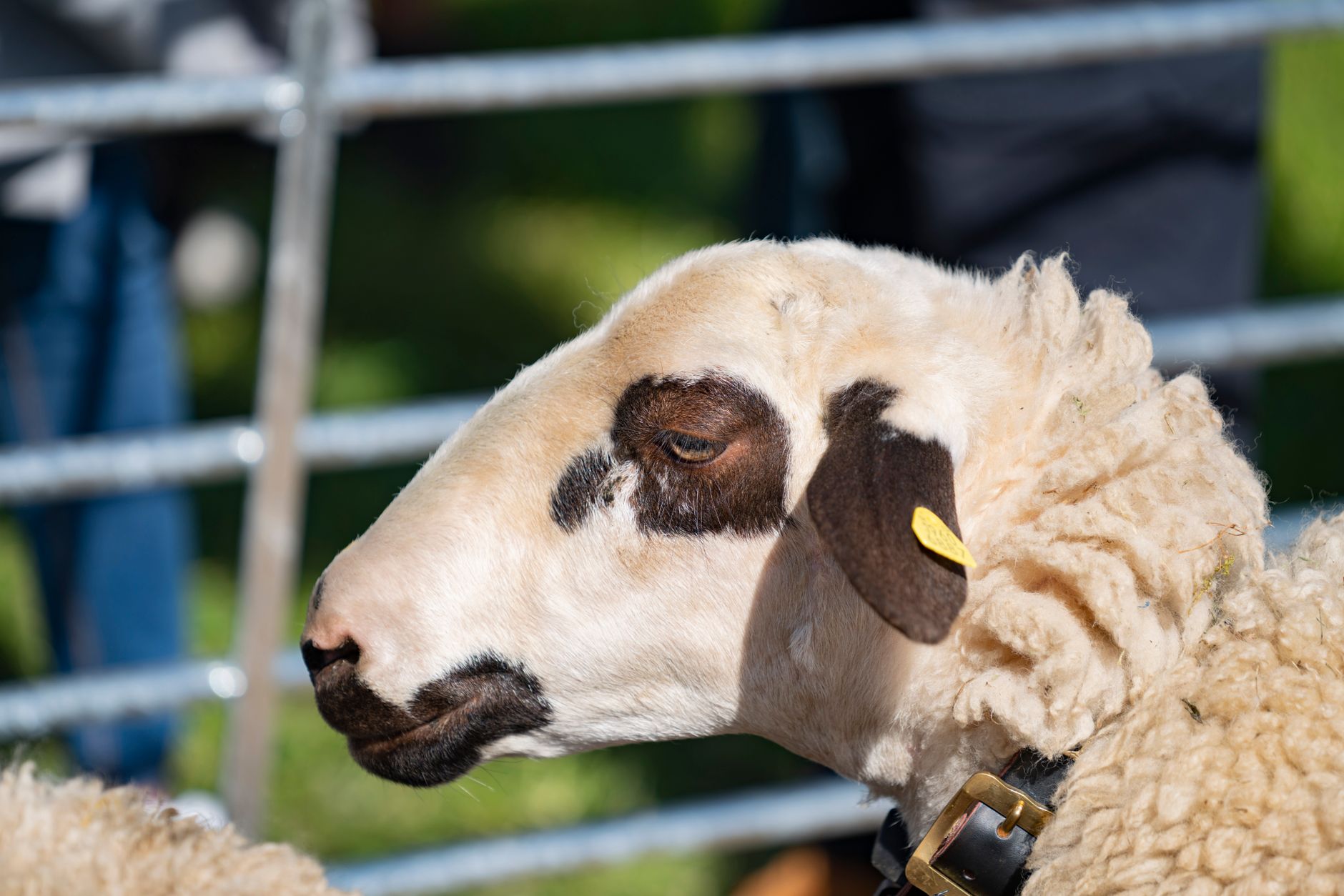
Liver enzyme levels can vary based on both breed and age in sheep, reflecting differences in genetic predispositions and physiological changes over time. For instance, Texel sheep are occasionally more sensitive to copper toxicity due to their genetic makeup, which can lead to elevated liver enzymes such as GLDH and GGT when fed with copper-supplemented feeds intended for cattle.
Age-related changes also play a significant role in liver enzyme levels. Younger lambs typically have lower baseline enzyme levels compared to adult sheep, primarily because the liver of younger animals is still developing and may not show signs of chronic stress or disease as readily as that of older sheep. In contrast, mature ewes, especially those nearing late gestation, often exhibit higher liver enzyme activity due to increased metabolic demands during pregnancy.
- Texel: May have elevated GGT and GLDH levels in response to copper toxicity.
- Suffolk and Hampshire: Show a genetic predisposition for scrapie susceptibility, which can indirectly affect liver enzyme profiles through chronic inflammation or infection.
When evaluating liver enzymes such as ALT (normal: 45-80 U/L; outside the reference interval indicates clinical action; outside the reference interval is critical), AST (normal: 60-280 U/L; outside the reference interval requires monitoring; outside the reference interval necessitates urgent care), and GGT (normal: 0-7 U/L; outside the reference interval suggests liver or biliary issues; outside the reference interval is critical for intervention), it’s crucial to consider the sheep’s age and breed. Elevated levels of these enzymes can indicate liver damage, inflammation, or metabolic stress.
For example, in late-gestation ewes carrying multiple fetuses, pregnancy toxemia can cause significant elevations in GGT and ALT due to increased oxidative stress and hepatic lipid accumulation. This condition is critical for pregnant ewes but does not affect non-pregnant animals such as rams or young lambs.
Frequently Asked Questions
What are the typical blood liver enzyme levels in sheep affected by facial eczema?
In sheep suffering from facial eczema, ALT (alanine aminotransferase) and AST (aspartate aminotransferase) levels often rise above normal ranges of 60-280 U/L for ALT and 45-80 U/L for AST. Elevated enzymes indicate liver cell damage or inflammation.
How does facial eczema affect the GGT (gamma-glutamyl transferase) levels in sheep?
Facial eczema can cause a significant increase in GGT levels, which are normally within 0-7 U/L. Elevated GGT suggests bile duct obstruction or liver disease associated with facial eczema.
What dietary changes should be made for sheep diagnosed with facial eczema?
Dietary adjustments can help manage facial eczema in sheep by reducing copper intake and ensuring adequate selenium levels, which are crucial for preventing secondary issues like copper toxicity. Providing a balanced diet rich in vitamins E and A may also support liver health.
Are there specific medications used to treat elevated liver enzymes due to facial eczema?
Treatment of elevated liver enzymes caused by facial eczema typically involves supportive care rather than medication, focusing on dietary management. In severe cases, veterinarians might prescribe antioxidants or hepatoprotective agents like silymarin to support liver function.
How often should sheep with facial eczema be rechecked after initial diagnosis?
Sheep diagnosed with facial eczema should have follow-up blood tests every 4-6 weeks to monitor ALT, AST, and GGT levels. This helps assess the effectiveness of management strategies and detect any worsening liver function.
What are the emergency signs that indicate severe liver damage in sheep?
Serious complications from facial eczema include jaundice (yellowing of skin and eyes), lethargy, anorexia, and neurological symptoms such as circling or head pressing. These signs require immediate veterinary attention.
Do certain breeds of sheep have a higher risk for developing facial eczema?
Sheep show minimal breed-level predisposition to facial eczema; however, Texel sheep exhibit slight copper sensitivity which can exacerbate the condition. Overall, pregnancy stage, parasite burden, and nutritional status are more influential factors than specific breeds.
How does facial eczema affect a sheep’s lifestyle and activity levels?
Sheep with facial eczema may experience discomfort and reduced appetite, leading to decreased mobility and social interaction. Affected animals should be provided with shade, clean water, and a stress-free environment to aid recovery.
Can owners monitor their sheep for signs of liver damage at home?
Owners can observe for visible symptoms such as changes in coat condition, weight loss, or behavioral alterations that might indicate underlying health issues. Regularly checking the sheep’s appetite and activity levels is also beneficial.
What are the long-term implications of facial eczema on a sheep’s liver function?
Persistent exposure to spores causing facial eczema can lead to chronic liver damage, potentially affecting overall health and productivity. Long-term management strategies focusing on prevention and early intervention are crucial for maintaining liver health.
Sources & Further Reading
This article draws on the following authoritative veterinary references. For your pet’s individual case, consult a licensed veterinarian.
- Merck Veterinary Manual — comprehensive clinical reference for veterinary practice
- WSAVA Global Guidelines — World Small Animal Veterinary Association
- Veterinary Clinical Pathology — clinical pathology research and case studies