Wondering what a full interpretation looks like? See a sample report →
Why Should Horse Owners Care About High ACTH Levels?
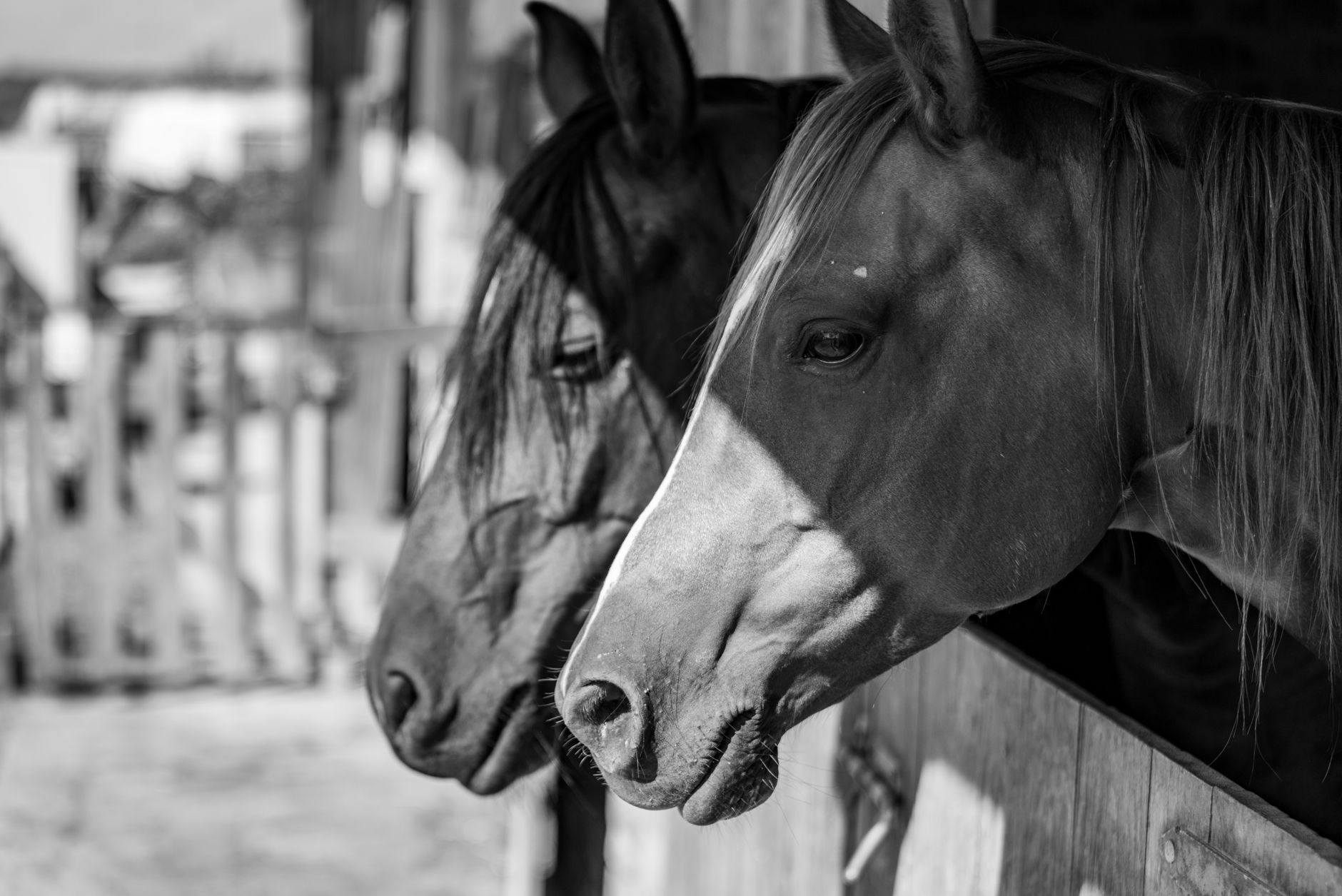
High ACTH levels are an important early indicator because they suggest that the pituitary gland is overproducing this hormone, leading to a cascade of physiological changes within the body. These changes can result in clinical signs such as weight loss, dullness, poor performance, increased drinking and urination, and reduced manure output. Identifying these symptoms early allows for timely intervention by your veterinarian.
When ACTH levels are elevated, it signals that there may be an underlying issue with the pituitary gland or adrenal glands. This can affect various bodily functions, including metabolism, immune response, and stress management. For example, horses with PPID often experience changes in their coat texture and growth of long hair even during warmer months, a condition known as hypertrichosis. Additionally, they may develop chronic infections due to compromised immunity.
By monitoring ACTH levels regularly, especially in older horses, owners can catch PPID before more severe symptoms develop. Early detection enables your veterinarian to implement appropriate management strategies, such as dietary adjustments and medication if necessary. For instance, a horse diagnosed early with PPID might benefit from a diet low in non-structural carbohydrates (NSC) to help manage weight gain and insulin resistance.
Proper management of PPID can significantly improve the quality of life for affected horses by reducing the risk of complications such as laminitis, infections, and muscle wasting. Regular veterinary check-ups and blood tests are essential in monitoring ACTH levels and adjusting treatment plans accordingly to ensure your horse remains healthy and active.
What is ACTH in Horses?
Adrenocorticotropic Hormone (ACTH) plays a crucial role in regulating cortisol production within the horse’s endocrine system. Produced by the pituitary gland, ACTH stimulates the adrenal glands to release cortisol, which helps manage stress responses and regulates metabolism. In horses with Pituitary Pars Intermedia Dysfunction (PPID), also known as Equine Cushing’s Disease, there is an imbalance in this regulatory process leading to elevated levels of ACTH.
ACTH’s primary function involves maintaining homeostasis by responding to various physiological needs such as stress and inflammation. When the body requires more cortisol, ACTH secretion increases to meet these demands. For example, during periods of high stress or physical exertion, a healthy horse will experience an increase in ACTH levels followed by a return to baseline once the stressful situation has passed. However, in horses with PPID, the pituitary gland becomes dysfunctional, leading to an overproduction of ACTH. This results in higher than normal levels of circulating ACTH, which can cause a range of clinical signs including weight loss, dullness, and poor performance.
Understanding how ACTH functions within the horse’s body is essential for diagnosing PPID early on. Elevated ACTH levels are often one of the first indicators that something may be amiss with the endocrine system. When interpreting blood test results, veterinarians look at whether ACTH levels are above what would typically be expected in a healthy horse. This qualitative assessment helps identify horses that might benefit from further diagnostic testing or treatment for PPID. For instance, if a veterinarian suspects PPID based on clinical signs such as excessive hair growth (hypertrichosis) and abnormal sweating patterns, they may order an ACTH stimulation test to confirm the diagnosis.
It is important to note that while elevated ACTH levels are indicative of potential PPID, other factors can also influence these results. For example, seasonal changes or recent stressors like travel or competition can temporarily elevate ACTH levels in otherwise healthy horses. Therefore, veterinarians often recommend multiple tests over different times of the year to ensure accurate diagnosis.
What Are Normal ACTH Levels for Horses?

The adrenocorticotropic hormone (ACTH) is a key player in regulating cortisol production within the body. In horses, normal endogenous ACTH levels are crucial for maintaining hormonal balance and overall health. The reference range for 1.90-9.00 pmol/L indicates what values fall within the typical physiological range for this marker.
Understanding these levels helps veterinarians diagnose conditions such as pituitary pars intermedia dysfunction (PPID), commonly known as Equine Cushing’s disease, early on. Elevated ACTH can signal an imbalance in the hypothalamic-pituitary-adrenal axis, leading to increased cortisol production and a range of clinical signs including poor performance, dullness, and changes in coat condition.
When interpreting ACTH levels, it’s important to consider other factors such as age, seasonality, and stress. Seasonal variations can cause fluctuations in ACTH levels that do not necessarily indicate disease. For instance, horses naturally experience higher ACTH levels during the fall months compared to spring or summer. This seasonal variation is a normal physiological response and does not typically require intervention.
It’s also crucial to note that age-related changes may influence baseline ACTH levels in horses. Older horses are more prone to developing PPID, which can lead to elevated ACTH levels even if they do not show clinical signs of the disease initially. Therefore, regular monitoring and early detection through blood tests are essential for managing this condition effectively.
Additionally, stress from various sources such as transportation, competition, or environmental changes can temporarily elevate ACTH levels in horses. These transient increases should be distinguished from persistent elevations that may indicate a pathological process like PPID. Veterinarians often recommend conducting multiple blood tests over several months to confirm sustained elevation of ACTH before diagnosing the condition.
| Marker | Normal Range |
|---|---|
| ACTH Endogenous | 1.90-9.00 pmol/L |
See the full reference intervals for the horse — every value cited to the laboratory document or paper it came from.
What Causes High ACTH Levels in Horses?
Elevated levels of adrenocorticotropic hormone (ACTH) in horses are most commonly associated with pituitary pars intermedia dysfunction (PPID), also known as equine Cushing’s disease. This condition is characterized by the overproduction of hormones from the pituitary gland, leading to a cascade of hormonal imbalances that can affect various bodily functions. PPID typically develops gradually and affects older horses more frequently, with an increased risk in horses over 15 years old.
When ACTH levels are above the reference range, it often indicates an underlying issue with the pituitary gland or adrenal glands. In PPID, the pituitary gland becomes enlarged and produces excessive amounts of hormones, including ACTH. This overproduction stimulates the adrenal glands to release cortisol, a stress hormone that can lead to a variety of clinical signs such as weight loss, poor performance, dullness, and increased drinking and urination. Additionally, horses with PPID may exhibit long hair coats that do not shed properly, recurrent infections due to compromised immune function, and laminitis.
Other conditions can also cause high ACTH levels in horses, though they are less common than PPID. For example, certain medications or iatrogenic factors might influence hormone production, leading to elevated ACTH levels. These could include corticosteroids used for treating inflammatory conditions or allergies, which can disrupt the normal feedback mechanisms that regulate ACTH and cortisol secretion.
Stress or illness can temporarily increase ACTH levels as part of the body’s response to these challenges. This acute elevation is usually transient and returns to normal once the stressor or illness has been resolved. However, chronic stress or repeated episodes of illness may contribute to long-term hormonal imbalances that mimic PPID.
| Cause | Mechanism | Typical Signs |
|---|---|---|
| Pituitary Pars Intermedia Dysfunction (PPID) | Enlarged pituitary gland overproduces ACTH, stimulating cortisol release from adrenal glands. | Weight loss, poor performance, dullness, increased drinking and urination, long hair coat that does not shed properly, recurrent infections, laminitis. |
| Iatrogenic Factors | Medication or other treatments that influence hormone production. | Variable, depending on the specific factor involved. For example, corticosteroids may cause signs similar to PPID such as poor coat condition and increased thirst. |
| Stress or Illness | Temporary increase in ACTH as part of body’s stress response. | Variable, depending on the nature and severity of the stressor or illness. Acute signs may include increased heart rate, sweating, and anxiety. |
How Does High ACTH Compare with Other Blood Markers?

When evaluating high endogenous ACTH levels in horses, it’s important to consider how these results align with other blood markers such as cortisol, insulin, and glucose. Elevated ACTH is a hallmark of pituitary pars intermedia dysfunction (PPID), also known as equine Cushing’s disease. However, interpreting this marker alongside others provides a more comprehensive understanding of the horse’s overall health status.
Cortisol levels are often elevated in horses with PPID due to increased ACTH stimulation of the adrenal glands. A high basal cortisol level can indicate stress or hyperadrenocorticism, but it’s important to note that this alone is not diagnostic for PPID. In contrast, a markedly low endogenous ACTH level might suggest adrenal-dependent or iatrogenic causes of hyperadrenocorticism rather than pituitary-driven disease.
Insulin and glucose levels are also crucial in the context of PPID because horses with this condition often develop insulin resistance over time. Insulin resistance can lead to metabolic changes that affect how the body handles sugar, potentially resulting in high glucose levels or hyperglycemia. This is particularly relevant as PPID progresses and metabolic syndrome becomes more pronounced.
It’s essential to understand that while elevated ACTH is a primary indicator of PPID, other markers provide additional insights into the horse’s condition. For instance, cortisol levels can help confirm whether increased ACTH is leading to hyperadrenocorticism. Similarly, insulin and glucose measurements offer critical information about metabolic health and insulin resistance.
When assessing these blood markers, it’s crucial to consider their clinical context. Elevated ACTH in conjunction with high basal cortisol often indicates PPID, but a low endogenous ACTH level might suggest an adrenal issue rather than pituitary dysfunction. Insulin resistance can be detected through elevated insulin levels and may correlate with higher glucose readings.
| Marker | What it Adds | When Preferred |
|---|---|---|
| ACTH ENDOGENOUS | Indicates pituitary dysfunction directly. | Primary marker for diagnosing PPID. |
| CORTISOL BASAL | Reflects overall adrenal function and stress levels. | Supports ACTH results in confirming hyperadrenocorticism. |
| GLUCOSE | Assesses metabolic status and insulin resistance. | Helps identify concurrent metabolic syndrome in PPID horses. |
| INSULIN | Measures insulin resistance and metabolic health. | Useful for monitoring progression of PPID-related metabolic changes. |
How Should I Interpret High ACTH Levels?
When your horse’s endogenous ACTH levels are above the reference range, it suggests a condition known as pituitary-dependent hyperadrenocorticism (PPID), commonly referred to as Equine Cushing’s disease. This is particularly significant in older horses over 15 years of age, where changes in hormone regulation can lead to increased ACTH production by the pituitary gland.
High endogenous ACTH levels are a key indicator that your horse may be experiencing disruptions in its hormonal balance due to PPID. The rise in ACTH is often gradual and progressive, which means early detection through regular blood tests can help manage symptoms before they become severe. Common clinical signs associated with high ACTH include going off feed, dullness, poor performance, sweating, and increased drinking or urination.
It’s important to interpret these results alongside other clinical findings and laboratory markers. For instance, an elevated total T4 level can support the diagnosis of PPID when combined with a high ACTH result. Additionally, assessing your horse’s overall health through a thorough physical examination is crucial in confirming the condition. If you notice any changes in behavior or performance that align with these signs, it’s advisable to consult your veterinarian for further evaluation.
High ACTH levels can also be indicative of other conditions such as stress or inflammation, but when seen alongside clinical symptoms and other laboratory markers like elevated total T4, the likelihood of PPID increases significantly. It is crucial to monitor horses with suspected PPID regularly, especially during seasonal changes, as fluctuations in hormone levels may occur.
For example, a horse that has been showing signs of lethargy and poor hoof health might have an ACTH level above the reference range. This finding should prompt further investigation into the horse’s overall health status, including blood tests for total T4 and other relevant markers. A veterinarian can then provide guidance on management strategies tailored to the specific needs of your horse.
| Finding | What it may suggest | Suggested next step |
|---|---|---|
| Above the reference range for ACTH endogenous | Indicates pituitary-dependent hyperadrenocorticism (PPID) | Consult a veterinarian to be associated with diagnosis and discuss management options. |
| Markedly elevated ACTH endogenous | Suggests advanced pituitary-dependent hyperadrenocorticism (PPID) | Seek veterinary advice for tailored treatment and monitoring. |
Are There Breed or Age Differences in ACTH Levels?

When evaluating a horse’s blood test results, owners often wonder if certain factors like breed or age can influence the levels of adrenocorticotropic hormone (ACTH). It’s important to understand that while these variables might play a role in overall health and behavior, they do not significantly alter the reference range for ACTH. In horses, high endogenous ACTH is typically associated with pituitary-dependent hyperadrenocorticism, commonly known as equine Cushing’s disease.
Age is a more relevant factor when considering ACTH levels in horses. As horses get older, particularly those over 15 years of age, the risk of developing pituitary pars intermedia dysfunction (PPID) increases. This condition leads to elevated ACTH levels due to changes in the pituitary gland that affect hormone regulation. For instance, a study found that approximately 20% of horses aged between 18 and 23 years show clinical signs of PPID, indicating a significant increase in risk with age.
While breed does not significantly impact ACTH levels, it can influence other aspects of a horse’s health and management needs. For example, certain breeds may be predisposed to conditions like polysaccharide storage myopathy (PSSM) in Quarter Horses or Thoroughbreds, which affects muscle metabolism differently than PPID would. Therefore, while ACTH levels are not breed-specific, understanding your horse’s breed can help tailor their care and monitor for other potential health issues.
It is also crucial to note that the physiological changes associated with aging in horses can lead to a variety of non-specific symptoms such as weight loss, poor coat condition, and increased susceptibility to infections. These symptoms might be mistaken for PPID or other conditions, highlighting the importance of accurate diagnostic testing rather than relying solely on clinical signs.
What is the Treatment Approach for PPID?
Treating Pituitary Pars Intermedia Dysfunction (PPID), also known as Equine Cushing’s disease, involves a combination of medication and management strategies aimed at reducing symptoms and improving quality of life. The primary goal is to lower elevated cortisol levels caused by excessive adrenocorticotropic hormone (ACTH) production from the pituitary gland. This can be achieved through medications such as pergolide mesylate, which helps regulate dopamine activity in the brain and subsequently reduces ACTH secretion.
Alongside medication, managing PPID also includes dietary adjustments to control weight and minimize insulin resistance. Horses with PPID often benefit from a low-starch diet rich in fiber, which can help maintain stable blood sugar levels and prevent obesity-related complications such as laminitis. Regular exercise is another important aspect of management, as it helps improve muscle tone and overall fitness while reducing the risk of developing chronic conditions like insulin resistance.
Monitoring the horse’s response to treatment is crucial for adjusting care plans effectively. This involves regular veterinary check-ups where ACTH levels may be rechecked along with other relevant blood tests such as insulin and glucose levels. Adjustments in medication dosage or dietary changes might be necessary based on these evaluations. Additionally, keeping an eye out for clinical signs like increased thirst, urination, poor coat condition, and susceptibility to infections helps gauge the effectiveness of the treatment plan.
It is important to note that PPID management often requires a long-term commitment from both the owner and veterinarian. Regular follow-up appointments are essential to monitor progress and make necessary adjustments in the care regimen. For instance, if pergolide mesylate is prescribed, it may take several weeks before significant improvements are observed. During this period, close monitoring of the horse’s behavior and physical condition can help determine whether the medication dosage needs adjustment.
| Treatment Strategy | Mechanism of Action |
|---|---|
| Pergolide Mesylate | Regulates dopamine activity in the brain, reducing ACTH secretion. |
| Low-Starch Diet | Maintains stable blood sugar levels and prevents obesity-related complications. |
| Regular Exercise | Improves muscle tone and overall fitness, reducing the risk of laminitis. |
| Veterinary Check-Ups | Evaluates response to treatment and adjusts care plans as needed. |
Summary: Early Diagnosis of High ACTH in Horses

An elevated ACTH level is a critical indicator that points towards pituitary-dependent hyperadrenocorticism, commonly known as PPID or Equine Cushing’s disease. This condition typically affects older horses and can lead to a range of clinical signs such as going off feed, dullness, poor performance, sweating, colic-like symptoms, and reduced manure output. Early detection is crucial for managing the progression of this disease because it allows for timely intervention that can mitigate the severity of these symptoms.
When ACTH levels are above the reference range (1.90-9.00 pmol/L), it suggests that the pituitary gland is overproducing hormones, leading to an imbalance in cortisol production by the adrenal glands. This hormonal imbalance can cause a variety of clinical signs and complications, including muscle wasting, increased susceptibility to infections, and changes in coat quality such as excessive hair growth or failure to shed properly. Early recognition of these signs is essential for initiating appropriate treatment strategies.
Upon identifying elevated ACTH levels, veterinarians will often recommend further diagnostic tests such as thyroid function tests, insulin resistance assessments, and a thorough physical examination to evaluate the overall health status of the horse. These additional evaluations help in confirming the diagnosis and planning an appropriate management strategy tailored to the individual needs of the animal. For example, if a horse exhibits signs of poor hoof quality along with elevated ACTH levels, further testing might be necessary to rule out concurrent conditions like laminitis or other metabolic disorders.
Early intervention can significantly improve the quality of life for horses diagnosed with PPID by addressing nutritional needs, managing stress, and implementing strategies to prevent secondary infections. Regular monitoring of ACTH levels is also important in assessing the effectiveness of treatment plans over time.
Frequently Asked Questions
What does high ACTH mean for my horse?
High levels of adrenocorticotropic hormone (ACTH) suggest pituitary-dependent hyperadrenocorticism, commonly known as Equine Cushing’s Disease, which affects how your horse’s body regulates stress hormones.
How common is PPID in horses?
PPID, also called Equine Cushing’s Syndrome, becomes more prevalent with age; many older horses develop some degree of the condition, though severity varies widely among individuals.
Can young horses get PPID?
While rare, younger horses can show signs of PPID, but typically it develops later in life after years of hormonal changes affecting the pituitary gland.
Are certain breeds at higher risk for PPID?
No specific breed predisposition exists for PPID; however, any horse may be affected regardless of breed, especially as they grow older.
What other tests should I consider along with high ACTH?
Additional blood tests like total thyroxine (T4), insulin response testing, and cortisol basal levels help be associated with diagnosis and assess overall metabolic health.
Is there a definitive test for diagnosing PPID?
There isn’t one single test that definitively diagnoses PPID; veterinarians use multiple indicators including high ACTH levels alongside clinical symptoms and other lab results.
When should I recheck my horse’s ACTH level?
Rechecking ACTH levels every six months helps monitor disease progression and adjust treatment plans accordingly, ensuring your horse receives timely care.
Does high ACTH always indicate severe PPID?
Not necessarily; while elevated ACTH suggests PPID, its severity depends on various factors such as clinical signs and additional laboratory findings.
What are early signs to look out for if my horse has PPID?
Early signs include weight loss despite good appetite, dull coat, increased thirst and urination, and occasional laminitis episodes, all requiring prompt veterinary attention.
How does stress affect ACTH levels in horses?
Stress can temporarily elevate ACTH levels, making interpretation tricky. It’s important to ensure low-stress conditions during sample collection for accurate readings.
Why is monitoring ACTH important for managing PPID?
Monitoring ACTH levels allows for better management of medication dosages and lifestyle changes needed to control the condition over time.
Are there alternative treatments besides medications?
In addition to prescribed medications, complementary therapies like acupuncture and herbal supplements may be considered but must be discussed with your vet first.
What happens if PPID goes untreated?
Untreated PPID can lead to serious complications such as recurrent infections, chronic laminitis, and reduced quality of life, underscoring the importance of proactive management.
Is it possible for a horse to recover from PPID completely?
While full recovery isn’t common, effective management through medication and lifestyle adjustments can significantly improve quality of life and reduce symptom severity.
Sources & Further Reading
This article draws on the following authoritative veterinary references. For your pet’s individual case, consult a licensed veterinarian.
- Merck Veterinary Manual — comprehensive clinical reference for veterinary practice
- ACVIM Consensus Statements — American College of Veterinary Internal Medicine