Hematocrit in Dogs – How to Read and Interpret the Result
Wondering what a full interpretation looks like? See a sample report →
Why Understanding Hematocrit is Crucial for Your Dog’s Health
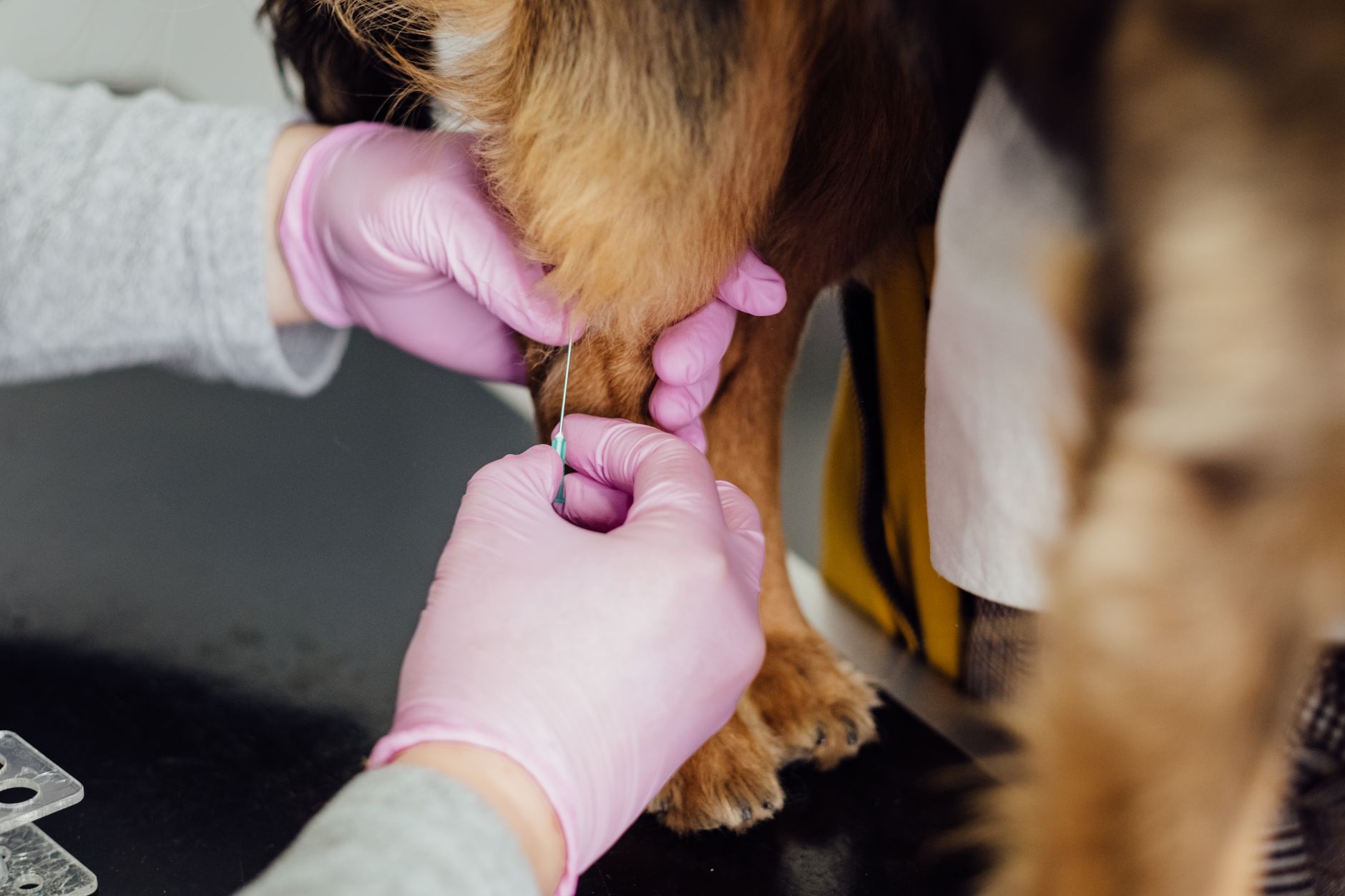
Hematocrit, often abbreviated as HCT, plays a vital role in assessing your dog’s overall health and hydration status. This marker measures the percentage of red blood cells (RBCs) in your dog’s bloodstream relative to total blood volume. When hematocrit levels are outside the normal range—whether above or below—it can indicate significant underlying issues that require attention from a veterinarian.
Understanding hematocrit is crucial because it helps identify whether your dog is suffering from dehydration, which concentrates the blood and raises HCT levels, or anemia, where low RBC counts lead to lower HCT. Both conditions are serious and can cause clinical signs such as lethargy, weakness, pale gums, and reduced appetite. In severe cases, dogs may experience collapse due to inadequate oxygen delivery to tissues.
When a hematocrit result is abnormal, your veterinarian will consider additional tests to pinpoint the exact cause. For instance, if HCT is elevated, further evaluation might include a complete blood count (CBC) and possibly a reticulocyte count to assess RBC production. If HCT is decreased, the vet may order a CBC with differential, reticulocyte count, and bone marrow examination to determine the type of anemia present. These tests help tailor treatment specifically to your dog’s needs.
For example, if your dog’s hematocrit level is significantly higher than the 41-58%, it could indicate dehydration or polycythemia (an increase in RBC mass). Polycythemia can be secondary to chronic hypoxia (low oxygen levels) due to conditions like heart disease or respiratory issues. On the other hand, if your dog’s hematocrit is lower than normal, it might suggest anemia caused by blood loss, hemolysis (destruction of RBCs), or decreased production of new RBCs.
It’s important for pet owners to understand that while a single abnormal hematocrit reading can be alarming, it often requires further investigation. Your veterinarian will use the hematocrit result in conjunction with other clinical signs and diagnostic tests to make an accurate diagnosis and develop an appropriate treatment plan. Regular monitoring of your dog’s hematocrit levels over time can also help track the effectiveness of any prescribed treatments.
What is Hematocrit?
Hematocrit, often abbreviated as HCT, is a measure of how much space red blood cells occupy in your dog’s bloodstream. It’s expressed as a percentage and gives us an idea of the concentration of these vital oxygen-carrying cells within the blood volume. A high hematocrit suggests that there are more red blood cells relative to plasma, while a low hematocrit indicates fewer red blood cells than normal.
The primary role of red blood cells is to transport oxygen from the lungs to tissues throughout the body. Hemoglobin, the protein inside these cells, binds with oxygen and delivers it where needed. When the hematocrit is outside its normal range, it can indicate issues such as dehydration or anemia that affect your dog’s ability to carry sufficient oxygen. For example, if a dog has been exposed to high altitudes or engaged in strenuous exercise without proper hydration, their hematocrit levels might temporarily increase due to fluid loss and concentration of blood cells.
Measuring hematocrit involves spinning a blood sample in a centrifuge, which separates the cells from plasma. The proportion of red blood cells relative to total blood volume then determines the hematocrit percentage. This test is quick and provides valuable information about your pet’s overall health status. In clinical settings, veterinarians use hematocrit results alongside other tests like complete blood counts (CBC) to diagnose conditions such as dehydration or anemia more accurately.
Understanding hematocrit values can help in assessing the effectiveness of treatments for these conditions. For instance, if a dog is being treated for dehydration with intravenous fluids, repeated hematocrit measurements can indicate whether fluid therapy has been effective and if the blood volume has returned to normal levels.
Normal Hematocrit Ranges Compared
The following table provides a comparison of normal hematocrit ranges between dogs and humans for reference:
| Blood Parameter | Dogs (HCT) | Humans (HCT) |
|---|---|---|
| Normal Range | 41-58% | 37% – 49% |
See the full reference intervals for the dog — every value cited to the laboratory document or paper it came from.
Normal Hematocrit Levels for Dogs

The hematocrit (HCT) is a measure of the proportion of blood volume occupied by red blood cells. It’s an important indicator of hydration status and overall blood health in dogs. Understanding what constitutes normal HCT levels can help you interpret your dog’s test results accurately. Hematocrit values are typically expressed as a percentage, reflecting the ratio of red blood cell mass to total blood volume.
It’s important to note that the hematocrit can vary based on factors such as hydration status, breed, and overall health. For example, dehydration will cause a relative increase in HCT due to blood concentration, while anemia will result in a lower than normal reading. Additionally, certain breeds may have naturally higher or lower hematocrit levels compared to others.
When evaluating your dog’s hematocrit results, it’s crucial to consider the clinical context and other test findings. For instance, if your dog is showing signs of lethargy and pale gums, a low hematocrit could indicate anemia due to blood loss or bone marrow issues. Conversely, high hematocrit levels might suggest polycythemia, which can be caused by dehydration or certain diseases that stimulate red blood cell production.
It’s also important to recognize that the normal range for hematocrit can vary between different laboratories and may differ based on your dog’s specific breed and health status. Therefore, it is essential to consult with your veterinarian who will have access to your dog’s complete medical history and laboratory results to provide a comprehensive interpretation of the findings.
If your dog’s hematocrit is outside of these ranges, it’s crucial to consult with your veterinarian for further evaluation. Elevated levels may indicate polycythemia or dehydration, whereas low levels suggest anemia and could be due to blood loss, bone marrow issues, or other underlying conditions that need professional assessment.
Understanding the nuances of hematocrit values can help in diagnosing various health conditions early on, ensuring timely intervention and better outcomes for your dog. Always seek guidance from a veterinary professional when interpreting these results to ensure accurate diagnosis and appropriate treatment.
What Causes Abnormal Hematocrit Levels?
The hematocrit (HCT) is a measure of the proportion of red blood cells in your dog’s bloodstream. A normal HCT for dogs falls within the range of 41-58%. When this value deviates from the reference range, it can indicate underlying health issues that need attention.
High hematocrit levels (polycythemia) are often due to dehydration or conditions where blood volume decreases relative to red cell mass. Dehydration is a common cause in dogs and can be easily corrected with fluid therapy. For example, if your dog has been exposed to high temperatures without adequate water intake, it may experience significant dehydration leading to an elevated hematocrit level. Other causes of high HCT include chronic hypoxia, which stimulates the bone marrow to produce more red blood cells as a compensatory mechanism. This condition may occur in dogs living at high altitudes or those suffering from respiratory diseases that limit oxygen intake. Certain types of tumors, such as renal cell carcinoma, can also increase erythropoietin production, leading to an elevated hematocrit.
Low hematocrit levels (anemia) are typically caused by a decrease in red blood cell count due to various factors. Common causes include blood loss from trauma or internal bleeding, which can result from conditions such as gastric ulcers, tumors, or ruptured blood vessels. For instance, if your dog has been involved in an accident and sustained injuries that led to significant blood loss, it could develop anemia with a low hematocrit level. Anemia can also result from chronic diseases such as kidney failure, cancer, or autoimmune disorders that destroy red blood cells. Additionally, nutritional deficiencies like iron, vitamin B12, and folic acid can lead to anemia by impairing the body’s ability to produce new red blood cells.
It is important for veterinarians to consider these potential causes when interpreting hematocrit results in dogs. For example, a dog with chronic kidney disease might show signs of anemia due to reduced erythropoietin production from damaged kidneys. Similarly, a dog suffering from severe dehydration after prolonged exposure to hot weather may exhibit elevated hematocrit levels as the body attempts to conserve fluid.
| Cause | Mechanism | Typical Signs |
|---|---|---|
| Dehydration | Relative concentration of red blood cells due to reduced plasma volume. | Dry gums, lethargy, sunken eyes. |
| Chronic Hypoxia | Stimulation of erythropoietin production by the kidneys to increase red blood cell count. | Shortness of breath, exercise intolerance. |
| Blood Loss | Direct loss of red blood cells from trauma or internal bleeding. | Pale gums, weakness, collapse. |
| Nutritional Deficiencies | Insufficient iron, B12, or folic acid to produce adequate red blood cells. | Reduced appetite, lethargy, pale mucous membranes. |
Chronic kidney disease
renal cell carcinoma
respiratory diseases
How Does Hematocrit Compare to Other Blood Parameters?

Hematocrit, often abbreviated as HCT, is a measure of the proportion of red blood cells (RBCs) in your dog’s bloodstream. It provides valuable information about the concentration of these cells and can help diagnose conditions like anemia or polycythemia. However, hematocrit doesn’t stand alone; it works closely with other key parameters such as hemoglobin (HGB), RBC count, and packed cell volume (PCV) to give a comprehensive picture of your dog’s blood health.
When interpreting hematocrit results, it’s important to consider these related markers. Hematocrit is essentially the same measurement as PCV, which is determined by centrifuging a small amount of whole blood and measuring the volume of packed red cells. Hemoglobin (HGB) is another critical component that directly correlates with RBCs; both HGB and hematocrit rise or fall together in response to similar conditions like dehydration or anemia.
The table below summarizes how these parameters interrelate:
| Marker | What it Adds | When Preferred |
|---|---|---|
| Hematocrit (41-58%) | Measures the volume percentage of RBCs in blood. | Quick assessment of overall red cell concentration. |
| Hemoglobin (14.1-20.1 g/dL) | Direct measure of oxygen-carrying capacity in RBCs. | Provides insight into the functional aspect of red cells. |
| Red Blood Cell Count (5.7-8.5 x10^6/uL) | Counts individual RBCs to assess overall cell number. | Useful for diagnosing specific types of anemia or polycythemia. |
| Packed Cell Volume (PCV) | Similar to hematocrit, measures the volume of packed RBCs. | Often used in clinical settings for immediate evaluation. |
Understanding how these parameters interact can help your veterinarian pinpoint specific issues and guide further diagnostic steps. For instance, if hematocrit is elevated but hemoglobin levels are normal or low, it might indicate a condition like dehydration rather than true polycythemia. Conversely, if both hematocrit and hemoglobin are significantly reduced, anemia is likely the cause.
When evaluating these parameters together, your veterinarian will consider clinical signs such as lethargy, pale gums, or changes in appetite to determine the underlying issue. Further tests like a complete blood count (CBC) with differential, reticulocyte count, and possibly bone marrow examination may be necessary to confirm a diagnosis.
How Do You Interpret Hematocrit Results?
Hematocrit, often abbreviated as HCT, is a measure of the proportion of red blood cells in your dog’s bloodstream. When interpreting hematocrit results, it’s important to understand what different levels might indicate and how they relate to your pet’s overall health.
An elevated hematocrit level typically suggests polycythemia or relative concentration due to dehydration. Polycythemia can be caused by conditions such as chronic hypoxia (low oxygen levels), certain tumors, or erythropoietin overproduction. Dehydration is a common cause in dogs and can lead to an increase in HCT because the blood becomes more concentrated as fluid volume decreases.
On the other hand, a low hematocrit level indicates anemia, which means there are fewer red blood cells than normal. Anemia can be caused by various factors including blood loss, bone marrow failure, chronic disease, or nutritional deficiencies like iron deficiency. Understanding these causes helps guide further diagnostic steps.
| Finding | What it may suggest | Suggested next step |
|---|---|---|
| Above the reference range | Polycythemia or dehydration | Further tests to determine cause, such as blood smear and reticulocyte count. |
| Below the reference range | Anemia | Investigate underlying causes, such as blood lo |