Wondering what a full interpretation looks like? See a sample report →
Why Should You Care About High Cortisol in Your Dog?

Monitoring your dog’s cortisol levels through blood tests allows for early identification of potential issues before symptoms become severe. Elevated cortisol may also suggest other conditions like stress or inflammation, making it an important marker in overall health assessment. Regular veterinary check-ups that include cortisol testing can help catch these problems early and initiate appropriate treatment to improve your pet’s quality of life.
It is crucial for owners to be aware of the signs their dog might exhibit if they have high cortisol levels. These signs could range from subtle changes in behavior, such as increased anxiety or restlessness, to more noticeable physical symptoms like excessive drinking and urination. For example, a dog with Cushing’s disease may drink significantly more water than usual and need to go outside frequently at night. If you notice any of these signs, it’s important to consult with your veterinarian who can order further tests including a complete blood count (CBC), biochemistry profile, and specific cortisol testing such as the ACTH stimulation test or low-dose dexamethasone suppression test to determine the cause.
Understanding the importance of monitoring cortisol levels is essential for maintaining your dog’s health. Early intervention can prevent more serious complications and improve the overall well-being of your pet. Regular veterinary visits, along with attentive observation at home, are key components in managing this condition effectively.
What is Cortisol and How Does it Work?
Cortisol, often referred to as the stress hormone, plays a crucial role in regulating various physiological processes in dogs. It is produced by the adrenal glands located above the kidneys and is part of the body’s response to stress or other challenges. When cortisol levels are high, they can indicate conditions such as hyperadrenocorticism (Cushing’s disease) or chronic stress.
The primary function of cortisol involves maintaining homeostasis in the body by regulating metabolism, immune responses, and blood pressure. It helps mobilize energy reserves during times of stress, ensuring that vital organs receive adequate glucose for proper functioning. For example, when a dog experiences fear or anxiety, cortisol is released to increase heart rate and blood flow to muscles, preparing the animal for a fight-or-flight response. However, when cortisol levels are consistently elevated over long periods, it can lead to a range of health issues.
In dogs with Cushing’s disease, the adrenal glands produce excessive amounts of cortisol, which can cause a variety of clinical signs such as increased thirst and urination, pot-bellied appearance, hair loss, and muscle weakness. Elevated cortisol levels may also be seen in other conditions like Addison’s disease (hypoadrenocorticism), where the body produces too little cortisol. In these cases, dogs might exhibit symptoms like lethargy, dehydration, and electrolyte imbalances.
Understanding how cortisol works is essential for diagnosing and managing Cushing’s disease effectively. Elevated cortisol levels can disrupt normal bodily functions, leading to complications such as diabetes mellitus, hypertension, and osteoporosis. Therefore, it is important for veterinarians to monitor cortisol levels closely in dogs showing signs of chronic stress or endocrine disorders.
Understanding Normal Cortisol Levels in Dogs
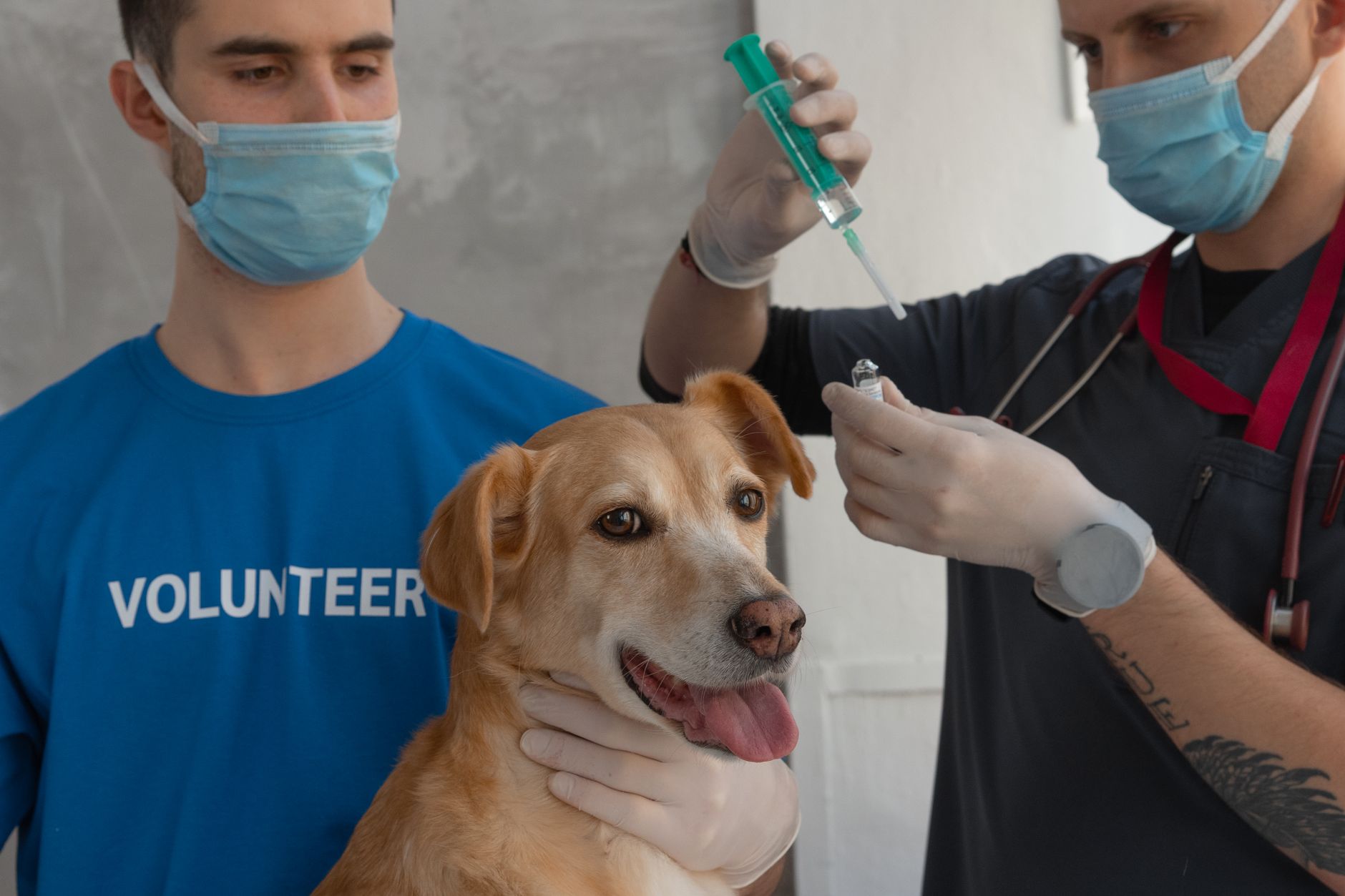
Cortisol is a vital hormone produced by the adrenal glands, playing a crucial role in regulating stress responses and maintaining homeostasis. In dogs, cortisol helps manage various physiological processes such as metabolism, immune response, and blood pressure. Understanding normal cortisol levels is essential for diagnosing conditions like Cushing’s disease or Addison’s disease.
The basal cortisol level refers to the amount of cortisol present in a dog’s bloodstream under resting conditions. The normal reference range for basal cortisol in dogs is 5-65 ng/mL. This range can vary slightly depending on the time of day and the method used to measure cortisol, but it provides a baseline against which abnormal levels are compared.
It’s important to note that cortisol levels can fluctuate significantly throughout the day due to stress or other factors. For example, a dog might experience elevated cortisol levels after an intense play session or during a stressful visit to the veterinarian’s office. Therefore, interpreting basal cortisol alone is not sufficient for diagnosing conditions like Cushing’s disease or Addison’s disease. Elevated basal cortisol could indicate chronic stress or hyperadrenocorticism (Cushing’s disease), while low basal cortisol might suggest hypoadrenocorticism (Addison’s disease). However, these interpretations require further diagnostic testing to confirm.
For a more accurate diagnosis of Cushing’s disease, veterinarians often use dynamic tests such as the ACTH stimulation test or the low-dose dexamethasone suppression test. These tests help differentiate between pituitary-dependent and adrenal-dependent forms of hyperadrenocorticism by measuring cortisol levels before and after administration of synthetic adrenocorticotropic hormone (ACTH) or a corticosteroid.
| Parameter | Normal Range |
|---|---|
| Basal Cortisol in Dogs | 5-65 ng/mL |
See the full reference intervals for the dog — every value cited to the laboratory document or paper it came from.
What Causes High Cortisol Levels in Dogs?
Elevated cortisol levels in dogs can stem from a variety of causes, ranging from stress and anxiety to more serious conditions like Cushing’s disease. When cortisol is above the reference range, it signals that something is disrupting the normal balance of this hormone in your dog’s body. Cortisol plays a crucial role in managing stress responses, immune function, and metabolism; therefore, any disruption can lead to significant health issues.
Cushing’s disease, also known as hyperadrenocorticism, is one of the primary causes of high cortisol levels. This condition occurs when the adrenal glands produce excessive amounts of cortisol due to a tumor or an overactive pituitary gland stimulating the adrenals excessively. In Cushing’s disease caused by a pituitary-dependent hyperplasia (PDH), the pituitary gland releases too much ACTH, leading to increased production and secretion of cortisol from both adrenal glands. On the other hand, in cases where an adrenal tumor is present, it can produce excessive amounts of cortisol independently of pituitary control.
Other conditions that can lead to elevated cortisol include chronic stress, severe illness, and certain medications like corticosteroids. Chronic stress or anxiety can activate the hypothalamic-pituitary-adrenal (HPA) axis for prolonged periods, leading to sustained high levels of cortisol. Severe illnesses or infections also trigger a systemic stress response that elevates cortisol as part of the body’s defense mechanism.
It’s important to note that high cortisol levels do not confirm Cushing’s disease on their own. The veterinarian will consider additional tests such as an ACTH stimulation test or a low-dose dexamethasone suppression test (LDDST) to differentiate between the various causes of hypercortisolism. These diagnostic tools help determine whether the elevated cortisol is due to pituitary dysfunction, adrenal tumor, medication use, or other factors.
| Cause | Mechanism | Typical Signs |
|---|---|---|
| Cushing’s Disease (PDH) | Pituitary tumor or excessive pituitary stimulation of adrenal glands | Increased thirst, frequent urination, pot-bellied appearance, hair loss |
| Chronic Stress or Anxiety | Prolonged activation of the hypothalamic-pituitary-adrenal axis | Restlessness, panting, reduced appetite, weight loss |
| Medication (Corticosteroids) | Exogenous administration of cortisol-like drugs | Similar to Cushing’s disease, but history of medication use is key |
| Severe Illness or Infection | Systemic stress response leading to elevated cortisol | Fever, lethargy, vomiting, diarrhea |
| Adrenal Tumor (AT) | Tumor in the adrenal gland producing excess cortisol independently of pituitary control | Similar to PDH, but less common and often unilateral symptoms |
How Does Cortisol Compare to Other Blood/Urine Markers?

Cortisol levels are a critical piece of the puzzle when diagnosing Cushing’s disease in dogs, but they don’t tell the whole story. To get a comprehensive picture, veterinarians often look at other blood and urine markers alongside cortisol. For instance, an elevated basal 5-65 ng/mL level might suggest hyperadrenocorticism, but it’s important to correlate this with other tests like the ACTH stimulation test.
The ACTH (Adrenocorticotropic Hormone) stimulation test is a key diagnostic tool. It measures how much cortisol your dog’s adrenal glands produce in response to an injection of synthetic ACTH. In dogs with pituitary-dependent Cushing’s disease, endogenous 6-58 pg/mL levels are typically high because the pituitary gland is overproducing ACTH. Conversely, if a dog has adrenal-dependent hyperadrenocorticism or iatrogenic (caused by medication) hyperadrenocorticism, their endogenous ACTH levels will be low.
When cortisol and ACTH results are combined with other blood markers like 1.3-4.5 µg/dL, 9-26 mg/dL and 0.6-1.4 mg/dL, veterinarians can better pinpoint the underlying cause of Cushing’s disease. For example, high total T4 levels might indicate a concurrent thyroid condition that could influence cortisol metabolism. Similarly, changes in BUN or creatinine levels can signal kidney function issues related to prolonged exposure to elevated cortisol.
It is crucial to understand how these markers interact and what they signify individually and collectively. Elevated basal cortisol levels alone may not be definitive for Cushing’s disease; however, when paired with an ACTH stimulation test showing high endogenous ACTH levels, it strongly supports a diagnosis of pituitary-dependent hyperadrenocorticism.
Moreover, assessing total T4 can provide insights into thyroid function. In dogs with concurrent hypothyroidism or hyperthyroidism, the metabolism and clearance rates of cortisol may be altered, leading to misleading cortisol levels if not considered alongside thyroid status.
| Marker | What it Adds | When Preferred |
|---|---|---|
| Cortisol Basal | Indicates overall cortisol levels, reflecting stress or hyperadrenocorticism. | Initial screening for Cushing’s disease. |
| ACTH Stimulation Test | Measures adrenal gland response to ACTH, differentiating between pituitary and adrenal causes. | Confirming the type of Cushing’s disease. |
| Total T4 | Assesses thyroid function, which can be affected by cortisol levels. | Evaluating concurrent endocrine disorders. |
| BUN | Reflects kidney function and protein metabolism, which can be altered by prolonged cortisol elevation. | Assessing renal health in Cushing’s disease. |
| Creatinine | Another marker of kidney function, useful for monitoring chronic effects of hypercortisolism. |