High Cortisol in Hamsters – Hyperadrenocorticism Blood Markers
Wondering what a full interpretation looks like? See a sample report →
Why Should Hamster Owners Care About High Cortisol?

High cortisol levels can lead to a variety of clinical signs in hamsters, including reduced appetite, weight loss, lethargy, and poor coat condition. These symptoms are often subtle at first but can progress if the underlying cause is not addressed. For example, a hamster with hyperadrenocorticism might initially show only slight changes in behavior or activity levels, such as becoming less playful or spending more time hiding than usual. Over time, these signs may become more pronounced and include noticeable weight loss despite normal food intake.
Monitoring cortisol levels helps veterinarians identify these issues early, allowing for timely intervention. Early detection is crucial because untreated hyperadrenocorticism can lead to severe complications such as muscle wasting, immune system suppression, and increased susceptibility to infections. Regular veterinary check-ups that include blood tests can help catch high cortisol levels before they cause significant health problems.
It’s important to note that while elevated cortisol can point towards stress or disease, it does not confirm a specific diagnosis on its own. Your veterinarian will consider other blood markers and clinical signs to determine the cause of high cortisol in your hamster. For instance, additional tests might include measuring aldosterone levels (aldosterone hamster) and performing an ACTH stimulation test to assess adrenal gland function. This comprehensive approach ensures accurate diagnosis and appropriate treatment tailored to your pet’s needs.
What is Cortisol in Hamsters?
Cortisol, often referred to as the stress hormone, plays a crucial role in the body’s response to stress and helps regulate various physiological functions. In hamsters, cortisol is produced by the adrenal glands and is involved in maintaining homeostasis during times of physical or emotional stress. This hormone is essential for managing acute stress responses but can become problematic when levels remain elevated over prolonged periods.
When a hamster experiences stress, whether it’s due to environmental changes such as moving to a new cage, illness, or other factors like overcrowding or loud noises, its body releases cortisol to help manage these challenges. Cortisol helps mobilize energy stores by increasing blood sugar levels and breaking down fats and proteins for immediate use. It also suppresses non-essential functions like reproduction and growth, and enhances the immune system’s response to injury or infection.
However, consistently high levels of cortisol can lead to health issues over time. Chronic stress in hamsters can result in a condition known as hyperadrenocorticism, where the adrenal glands produce excessive amounts of cortisol. This condition can cause a range of clinical signs including reduced appetite, weight loss, lethargy, poor coat quality, and even behavioral changes such as increased aggression or hiding behavior.
Understanding normal cortisol levels is important because elevated cortisol can indicate hyperadrenocorticism. Monitoring cortisol levels alongside other blood markers can help veterinarians diagnose and manage conditions related to stress or hormonal imbalances. For example, measuring serum glucose levels may show an increase due to the gluconeogenic effects of cortisol, while electrolyte panels might reveal changes in sodium and potassium concentrations.
It is crucial for pet owners and veterinarians alike to recognize the signs of hyperadrenocorticism early on so that appropriate interventions can be made. Regular veterinary check-ups and blood tests are recommended for hamsters showing any symptoms associated with chronic stress or hormonal imbalances, such as those discussed in our article on essential blood tests for senior hamsters.
Laboratory Reference Ranges for Cortisol in Hamsters
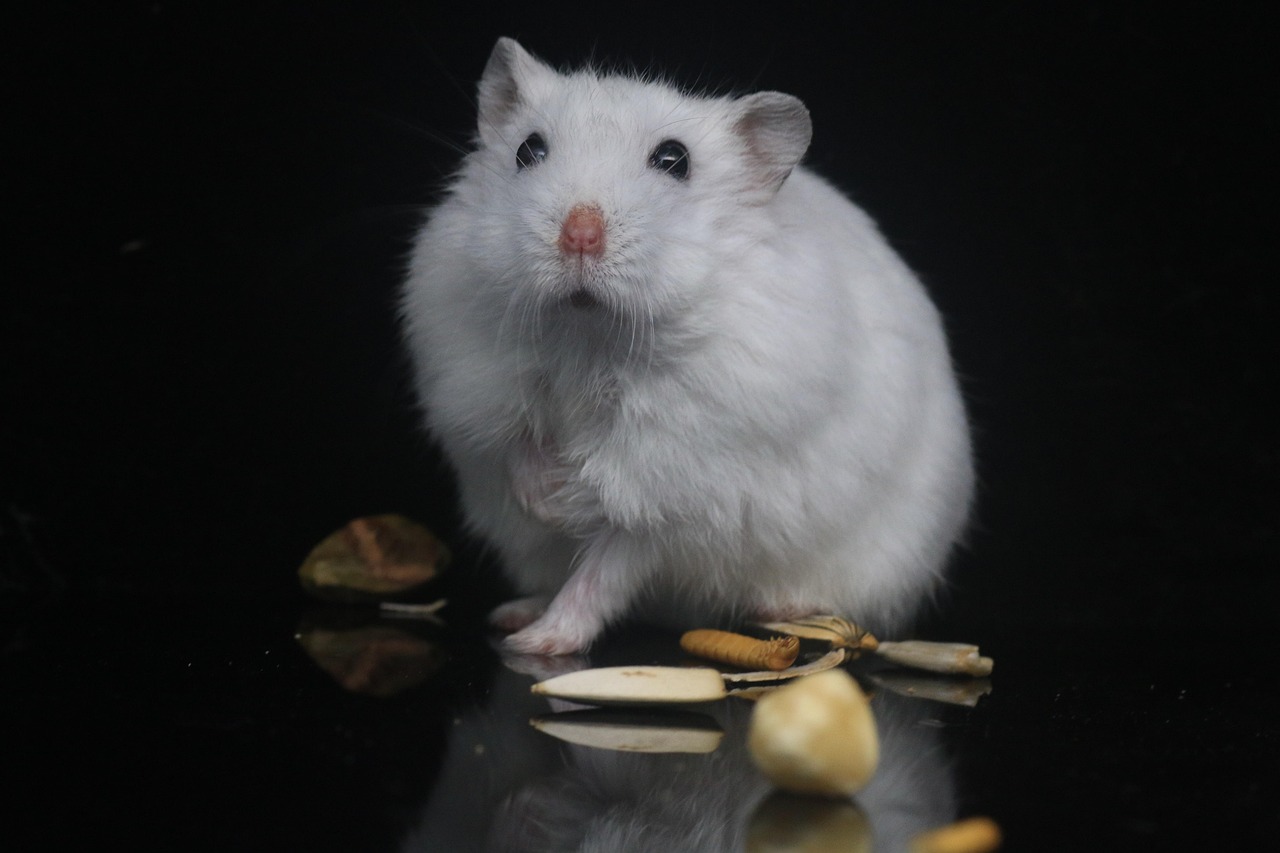
The laboratory reference range for cortisol is a critical indicator of adrenal gland function and overall stress levels in hamsters. Understanding whether your pet’s cortisol level falls within the normal range can help identify potential health issues early on, allowing for timely intervention and management. If your hamster’s cortisol levels are above the reference range, it may indicate hyperadrenocorticism or other conditions that cause elevated stress hormones.
Cortisol is a steroid hormone produced by the adrenal glands in response to stress and plays a vital role in maintaining homeostasis within the body. Elevated cortisol can lead to various clinical signs such as reduced appetite, weight loss, hunched posture, lethargy, poor coat condition, and increased thirst or urination. These symptoms are often subtle at first but become more pronounced over time if left untreated.
When interpreting cortisol levels, it is important to consider other blood markers that may be affected by hyperadrenocorticism or stress. For instance, high cortisol can lead to changes in glucose metabolism and electrolyte balance, which might manifest as elevated 37-198 mg/dL or altered sodium (128-144 mEq/L) and potassium (3.9-5.5 mEq/L) levels. Additionally, prolonged exposure to high cortisol levels may also affect calcium homeostasis, leading to hypocalcemia or hypercalcemia.
It is crucial for veterinarians to monitor these markers in conjunction with cortisol levels to provide a comprehensive assessment of the hamster’s health status. For example, if a hamster exhibits clinical signs consistent with hyperadrenocorticism and has elevated cortisol levels, further investigation into glucose, sodium, potassium, and calcium levels can help be associated with the diagnosis and guide treatment decisions.
| Marker | Normal Range |
|---|---|
| Cortisol | Within the reference range |
| Glucose | 37-198 mg/dL |
| Sodium | 128-144 mEq/L |
| Potassium | 3.9-5.5 mEq/L |
See the full reference intervals for the Syrian hamster — every value cited to the laboratory document or paper it came from.
What Causes High Cortisol Levels in Hamsters?
High cortisol levels, also known as hyperadrenocorticism, can be caused by a variety of factors in hamsters. Stress is one of the most common triggers for elevated cortisol; this stress response can be due to environmental changes such as moving homes or introducing new pets into the household. Additionally, high cortisol may indicate an underlying health issue like a tumor affecting the adrenal glands.
Other conditions that might lead to increased cortisol include chronic inflammation and certain metabolic disorders. Chronic inflammatory processes can stimulate the hypothalamic-pituitary-adrenal (HPA) axis, leading to elevated cortisol levels. In some cases, hyperadrenocorticism can be part of a broader syndrome involving multiple hormone imbalances. For example, hamsters with pituitary tumors may experience elevated levels of adrenocorticotropic hormone (ACTH), which in turn stimulates the adrenal glands to produce more cortisol.
When interpreting high cortisol levels, it’s important for veterinarians to consider the clinical context and other blood markers. Elevated glucose or changes in electrolyte balance can provide additional clues about metabolic stress or hormonal imbalances. For instance, hyperglycemia might suggest a concurrent endocrine disorder such as diabetes mellitus. Further diagnostic steps might include imaging studies like X-rays or ultrasounds to look for tumors, as well as more specific hormone assays to assess ACTH levels.
It is crucial to conduct a thorough physical examination and review the hamster’s medical history to identify potential stressors or underlying conditions that could be contributing to hyperadrenocorticism. For example, if a hamster has been recently exposed to loud noises or changes in its environment, these factors should be considered as possible causes of elevated cortisol levels.
| Cause | Mechanism | Typical Signs |
|---|---|---|
| Stress | Release of cortisol in response to environmental or psychological stressors. | Reduced appetite, weight loss, hunched posture, lethargy. |
| Adrenal Tumor | Tumors can cause excessive production of cortisol independent of normal regulatory mechanisms. | Diarrhea or wet-tail signs, dehydration, weakness, breathing effort. |
| Pituitary Tumor | Increased ACTH production leads to elevated cortisol levels. | Reduced grooming, lethargy, poor coat condition. |
| Chronic Inflammation | Inflammatory processes can stimulate the hypothalamic-pituitary-adrenal (HPA) axis. | Clinical signs depend on the cause and the rest of the examination. |
How Does Cortisol Compare to Other Blood Markers in Hamsters?

Cortisol, a key stress hormone, often rises alongside several other blood markers when hyperadrenocorticism is present. In hamsters with high cortisol levels, ACTH (adrenocorticotropic hormone) typically remains within the reference range or may be slightly elevated. This pattern suggests that the adrenal gland is overproducing cortisol independently of normal ACTH stimulation. Elevated cortisol can also lead to a variety of physiological changes, including alterations in metabolism and electrolyte balance.
Glucose levels are another marker to watch in hyperadrenocorticism cases. Elevated cortisol can lead to increased blood sugar, as it promotes gluconeogenesis and reduces glucose uptake by tissues. Therefore, a hamster with high cortisol might also show glucose levels above the reference range of 37-198 mg/dL. This hyperglycemia is often part of the metabolic changes associated with chronic stress or endocrine disorders. In clinical practice, monitoring glucose alongside cortisol can provide valuable insights into the overall metabolic state of the animal.
Electrolyte imbalances are common in conditions affecting adrenal function. In particular, sodium and potassium levels can be affected by cortisol’s influence on mineralocorticoid activity. Cortisol excess may lead to a rise in serum sodium (above the reference range) due to increased renal sodium retention and decreased potassium excretion. Potassium levels might appear lower than the reference range of 3.9-5.5 mEq/L, reflecting reduced potassium reabsorption by the kidneys. These electrolyte changes can contribute to clinical signs such as dehydration, muscle weakness, or cardiac arrhythmias.
In addition to these markers, other blood tests may also be relevant in assessing hyperadrenocorticism in hamsters. For example, liver enzymes like AST (aspartate aminotransferase) and ALT (alanine transaminase) might show slight elevations due to the metabolic stress on the body. However, these changes are usually minor compared to the more pronounced alterations seen in cortisol, ACTH, glucose, sodium, and potassium levels.
| Marker | What it adds to cortisol interpretation |
|---|---|
| ACTH | Helps determine if the adrenal gland is overproducing cortisol independently of ACTH stimulation. |
| Glucose | Indicates metabolic changes due to increased gluconeogenesis and reduced glucose uptake by tissues. |
| Sodium | Reflects renal sodium retention, a sign of mineralocorticoid excess. |
| Potassium | Shows reduced potassium reabsorption by the kidneys due to cortisol’s effects on electrolyte balance. |
What Does Elevated Cortisol Mean for My Hamster?
Elevated cortisol