What Blood Tests Are Essential for Senior Hamsters?
What Blood Tests Are Essential for Senior Hamsters?
Wondering what a full interpretation looks like? See a sample report →
Why Blood Tests Are Crucial for Senior Hamsters
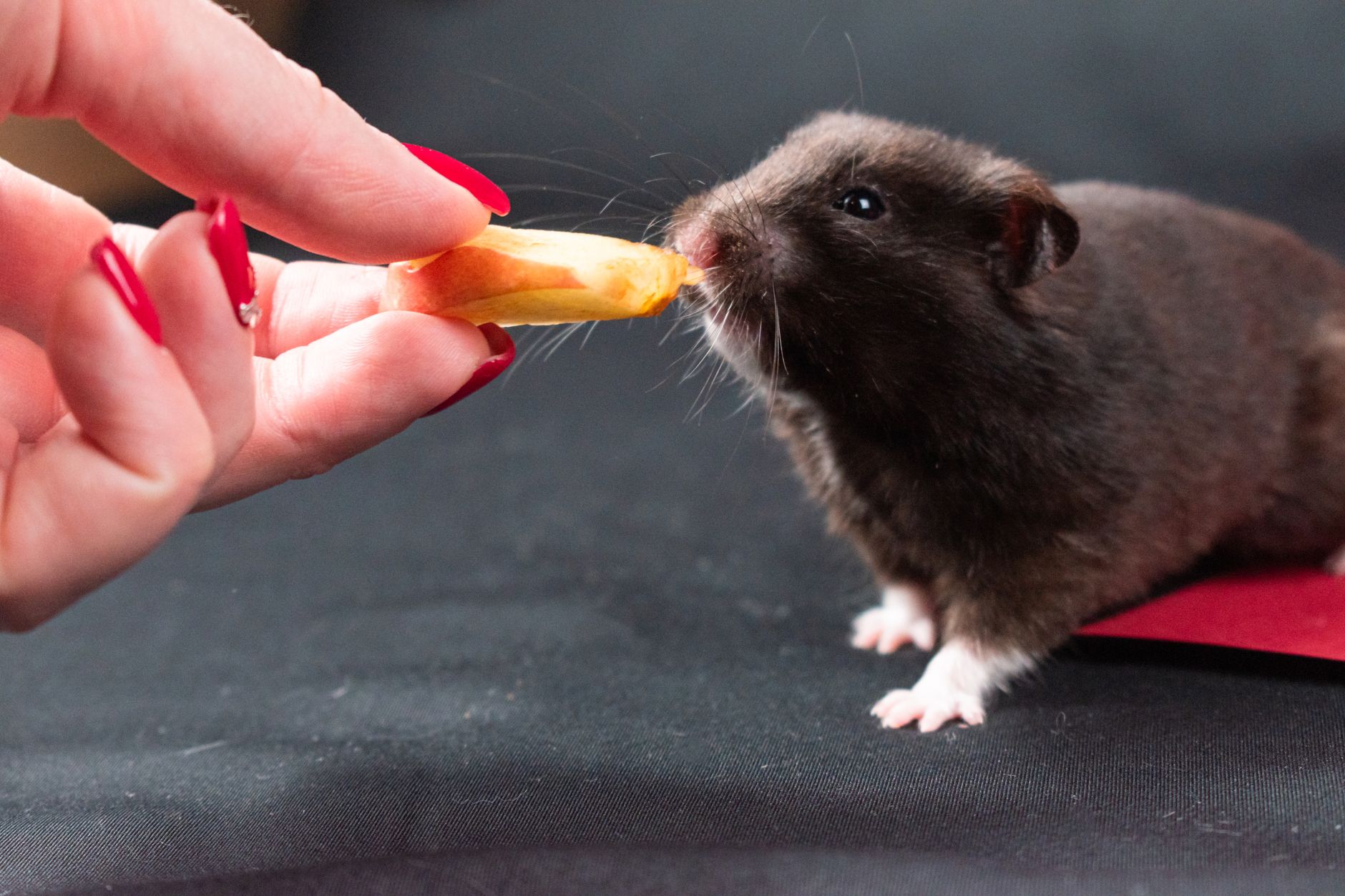
Blood tests are essential in monitoring the health of senior hamsters, as they can reveal underlying conditions that may not be apparent through physical examination alone. Regular blood work helps veterinarians detect issues such as anemia, kidney disease, and liver dysfunction early on, which is critical for improving a hamster’s quality of life.
For instance, white blood cell (WBC) counts can indicate inflammation or infection, while red blood cell (RBC) levels help diagnose anemia. Normal WBC ranges from 4.0 to 12.0 7-10 x10^3/uL and RBC should be between 5.5 to 8.5 7-8 x10^6/uL in hamsters. Deviations from these normal values can signal health issues requiring intervention.
- WBC: Normal range is 7-10 x10^3/uL; elevated levels (>12.0) may indicate infection or inflammation, necessitating further investigation and treatment.
- RBC: A normal RBC count for hamsters ranges from 5.5 to 8.5 7-8 x10^6/uL; low counts (<5.5) suggest anemia, which could be due to nutritional deficiencies or chronic disease.
In addition to WBC and RBC, blood tests also measure liver enzymes such as AST (aspartate transaminase) and ALT (alanine transaminase). These markers are crucial for assessing liver health. Normal AST levels range from 28-122 U/L, while ALT should be between 10 and 22-128 U/L in hamsters. Elevated or critical values (outside the reference interval for AST and outside the reference interval for ALT) can indicate liver damage or disease.
Furthermore, blood tests provide insights into kidney function through parameters like Blood Urea Nitrogen (BUN) and Creatinine. Normal BUN levels range from 12-26 mg/dL, while creatinine should be between 0.3 and 0.4-1 mg/dL in hamsters. Elevated or critical values (outside the reference interval for BUN and outside the reference interval for creatinine) suggest kidney impairment and may require dietary adjustments or medical intervention.
What Is a Complete Blood Count (CBC)?
The complete blood count (CBC) is a fundamental diagnostic tool in veterinary medicine, providing critical information about a hamster’s overall health. This test evaluates various components of the blood, including white blood cells (WBC), red blood cells (RBC), and platelets. These parameters help veterinarians assess for infections, anemia, inflammation, and other systemic conditions.
A CBC includes a detailed examination of WBCs, which are crucial in fighting off infections and diseases. The normal range for WBC count is 7-10 x10^3/uL. Elevated levels may indicate an infection or inflammation, while low counts could suggest immunodeficiency or bone marrow issues.
- Red Blood Cells (RBC): RBCs carry oxygen throughout the body via hemoglobin. The normal range for RBC count is 7-8 x10^6/uL. Abnormalities in this parameter can indicate anemia, dehydration, or other blood disorders.
- Hematocrit (HCT): Hematocrit measures the proportion of red blood cells to total blood volume and is typically within the range of 45-50 %. A low hematocrit suggests anemia, while a high value may indicate dehydration or polycythemia.
- Liver Enzymes: Liver enzymes such as AST (28-122 U/L) and ALT (22-128 U/L) are also evaluated in the CBC. Elevated levels of these enzymes can signal liver damage or disease, which is critical for early intervention.
A comprehensive CBC provides veterinarians with essential insights into a hamster’s health status and aids in formulating appropriate treatment plans. For instance, if AST levels exceed the reference interval, it may indicate liver dysfunction requiring further investigation or specific treatments such as liver support supplements.
Normal Reference Ranges for Senior Hamster CBC Parameters

The interpretation of blood test results in senior hamsters is crucial for early detection and management of health issues. Understanding normal reference ranges helps veterinarians and pet owners recognize deviations that may indicate underlying conditions requiring intervention. The following table outlines key complete blood count (CBC) parameters along with their respective normal ranges, action thresholds, and critical values.
White Blood Cell Count (WBC): The WBC range for senior hamsters is 7-10 x10^3/uL. Elevated levels above this range may suggest an infection or inflammation, while critically high counts could indicate severe conditions such as sepsis.
Red Blood Cell Count (RBC): Normal RBC values for senior hamsters are between 7-8 x10^6/uL. A decrease in this range can be indicative of anemia, which may require further investigation into causes such as nutritional deficiencies or chronic disease.
Hematocrit (HCT): Hematocrit measures the proportion of red blood cells to total blood volume and is typically within 7-8 x10^6/uL for senior hamsters. A drop below this range can signal dehydration, anemia, or other hematological disorders that need prompt attention.
| Parameter | Normal Range (Units) |
|---|---|
| WBC (x 10^3/µL) | 4.0–12.0 |
| RBC (x 10^6/µL) | 5.5–8.5 |
| HCT (%) | 45-50 % |
| AST (U/L) | 28-122 U/L |
| ALT (U/L) | 22-128 U/L |
| BUN (mg/dL) | 12-26 mg/dL |
| Creatinine (mg/dL) | 0.4-1 mg/dL |
See the full reference intervals for the Syrian hamster — every value cited to the laboratory document or paper it came from.
Aspartate Aminotransferase (AST) and Alanine Transaminase (ALT): These liver enzymes are critical indicators of hepatic function in senior hamsters. Normal AST levels range from 28-122 U/L, while ALT should be within 22-128 U/L. Elevated or critically high values suggest hepatocellular damage or disease.
Blood Urea Nitrogen (BUN) and Creatinine: These markers reflect renal function in senior hamsters. Normal BUN levels are between 12-26 mg/dL, while creatinine should be within the range of 0.4-1 mg/dL. Elevated or critical values indicate potential kidney dysfunction that requires immediate attention.
Understanding these reference ranges and recognizing deviations is essential for maintaining the health and well-being of senior hamsters. Regular monitoring can help detect early signs of disease, allowing for timely intervention and improved outcomes.
What Are Liver Enzyme Tests?
Liver enzyme tests are crucial diagnostic tools used to assess liver function and detect potential liver damage in senior hamsters. These tests measure specific enzymes that are normally present within liver cells but can leak into the bloodstream when liver tissue is injured or diseased. Two of the most commonly measured liver enzymes are aspartate aminotransferase (AST) and alanine aminotransferase (ALT).
AST, also known as serum glutamic oxaloacetic transaminase (SGOT), is an enzyme found in various tissues including the heart, skeletal muscle, brain, kidneys, lungs, and liver. However, AST levels are particularly useful for evaluating liver health because they rise significantly when there is liver damage or inflammation. Normal AST levels in hamsters range from 28-122 U/L; values above the reference interval indicate elevated AST, while those exceeding the reference interval suggest a critical condition requiring immediate attention.
ALT, on the other hand, is primarily found within liver cells and is released into the bloodstream when these cells are damaged. Elevated ALT levels often precede clinical signs of liver disease, making it an early indicator of hepatic issues. Normal ALT levels in hamsters should be between 22-128 U/L; values above the reference interval indicate elevated ALT, and those surpassing 22-128 U/L are considered critical.
- AST: Normal range: 28-122 U/L | Elevated: outside the reference interval | Critical: outside the reference interval
- ALT: Normal range: 22-128 U/L | Elevated: outside the reference interval | Critical: outside the reference interval
It is important to note that while AST and ALT are valuable indicators of liver health, they do not provide a complete picture. Other tests such as bilirubin levels or albumin concentrations may also be necessary for a comprehensive evaluation of liver function in senior hamsters.
Normal Reference Ranges for Liver Enzymes in Senior Hamsters

The liver plays a crucial role in maintaining overall health, and monitoring its function is essential for senior hamsters. Key indicators of liver health include the levels of AST (aspartate transaminase) and ALT (alanine transaminase), which are enzymes that can leak into the bloodstream when liver cells are damaged or diseased.
Normal reference ranges for these enzymes in senior hamsters should be carefully monitored to ensure early detection of potential issues. Elevated levels of AST above the reference interval and ALT above the reference interval may indicate liver damage or disease, while critical levels (AST outside the reference interval and ALT outside the reference interval) suggest an urgent need for intervention.
It is important to note that these reference ranges are specific to senior hamsters and should not be confused with those of other species. For instance, the normal AST range in senior hamsters is 28-122 U/L, whereas it can vary significantly in dogs or cats. This specificity underscores the importance of using species-appropriate guidelines when interpreting blood test results.
| Parameter | Normal Range (U/L) |
|---|---|
| AST | 28-122 U/L |
| ALT | 22-128 U/L |
| WBC | 7-10 x10^3/uL |
| RBC | 7-8 x10^6/uL |
| HCT | 45-50 % |
| BUN | 12-26 mg/dL |
| Creatinine | 0.4-1 mg/dL |
Understanding these reference ranges is crucial for veterinarians and pet owners alike, as it allows for early detection of liver issues in senior hamsters. Regular monitoring can help prevent more serious health complications down the line.
In cases where AST or ALT levels are elevated but not yet critical, further diagnostic tests such as imaging studies (ultrasound) or additional blood work may be necessary to determine the underlying cause and appropriate treatment plan. For instance, if liver enzymes are mildly elevated, a veterinarian might recommend dietary changes or prescribe medications like maropitant, which can help manage symptoms associated with liver disease.
It is also important to consider other factors that could influence these enzyme levels, such as concurrent illnesses or recent anesthesia. Therefore, it’s crucial to consult with a veterinary professional for accurate interpretation and management of blood test results in senior hamsters.
What Are Kidney Function Tests?
Kidney function tests are essential diagnostic tools used to assess the health and functionality of a hamster’s kidneys. These tests help veterinarians identify early signs of kidney disease, which is particularly important in senior hamsters due to their increased risk of developing renal issues as they age. Two key markers for evaluating kidney function are blood urea nitrogen (BUN) and creatinine.
Blood urea nitrogen (BUN) measures the amount of waste product from protein breakdown that is filtered out by the kidneys. Elevated BUN levels can indicate reduced kidney filtration capacity, which may be due to various conditions such as dehydration or renal disease. The normal range for BUN in hamsters is 12-26 mg/dL; values above this threshold suggest potential issues with kidney function and warrant further investigation.
Creatinine, another critical marker of kidney health, reflects the muscle metabolism byproducts that are excreted through urine. Elevated creatinine levels indicate a decline in glomerular filtration rate (GFR), which is the rate at which blood is filtered by the kidneys. The normal range for creatinine in hamsters is 0.4-1 mg/dL; values exceeding this range may signal impaired kidney function and require immediate attention.
- monitoring BUN and creatinine levels can help detect renal disease early, allowing for timely intervention to manage the condition effectively.
- In cases where BUN or creatinine levels are elevated, additional tests such as a complete blood count (CBC) and urinalysis may be necessary to assess overall health and identify underlying causes of kidney dysfunction.
Normal Reference Ranges for Kidney Function Tests in Senior Hamsters

The assessment of kidney function is crucial when evaluating senior hamsters, as renal health can significantly impact their overall well-being. Blood tests such as blood urea nitrogen (BUN) and creatinine are essential indicators of kidney function. These parameters help veterinarians determine if the kidneys are functioning properly or if there might be signs of impairment.
Normal reference ranges for BUN and creatinine in senior hamsters provide a baseline to compare against when blood test results come back from your veterinarian. Elevated levels can indicate azotemia (a condition where waste products such as urea nitrogen and creatinine are not being cleared properly by the kidneys). It is important to monitor these values regularly, especially for older pets.
- Blood Urea Nitrogen (BUN): Normal range is 12-26 mg/dL. Elevated levels above the reference interval may indicate reduced kidney function or dehydration. Critical levels are outside the reference interval and require immediate veterinary attention.
- Creatinine: The normal range for creatinine in senior hamsters is 0.4-1 mg/dL. Elevated values above the reference interval suggest potential kidney dysfunction, while critical levels of outside the reference interval indicate severe impairment and necessitate urgent medical intervention.
It is important to note that these ranges are specific to senior hamsters and should not be compared directly with other species without considering the significant physiological differences between them. Regular monitoring of BUN and creatinine levels can help in early detection of kidney issues, allowing for timely intervention and management.
| Parameter | Normal Range (mg/dL) |
|---|---|
| BUN | 12-26 mg/dL |
| Creatinine | 0.4-1 mg/dL |
| WBC | 7-10 x10^3/uL |
| RBC | 7-8 x10^6/uL |
| HCT | 45-50 % |
| AST | 28-122 U/L |
| ALT | 22-128 U/L |
The table above provides a comprehensive overview of the normal reference ranges for key blood parameters in senior hamsters, including BUN and creatinine. These values serve as critical benchmarks to assess kidney function accurately.
How to Interpret Blood Test Results: Case Examples
Interpreting blood test results is a critical skill in veterinary medicine, especially when dealing with senior hamsters. Understanding what the numbers mean can help identify potential health issues early and guide appropriate treatment plans. This section provides step-by-step guidance on interpreting key parameters such as white blood cells (WBC), red blood cells (RBC), hematocrit (HCT), alanine aminotransferase (ALT), aspartate aminotransferase (AST), blood urea nitrogen (BUN), and creatinine.
Normal WBC levels for hamsters range from 7-10 x10^3/uL. Elevated WBC counts can indicate inflammation or infection, while low counts might suggest bone marrow suppression or immune system issues.
Similarly, RBC levels should be within the range of 7-8 x10^6/uL in healthy hamsters. Hematocrit (HCT) values typically fall between 45-50 %. Abnormalities in these parameters can indicate anemia or polycythemia, which may require additional diagnostic tests and treatments. For example, a female hamster aged 12 months with RBC levels of 4.0 7-8 x10^6/uL and HCT at 45-50 % might be experiencing iron deficiency anemia.
Breed Differences and Age Considerations in Senior Hamsters

When conducting blood tests on senior hamsters, veterinarians must consider both breed-specific characteristics and age-related physiological changes. Certain laboratory parameters can vary significantly between different breeds of hamsters due to genetic predispositions that affect organ function and metabolism.
- RBC: Normal range is 5.5–8.5 x 10⁶/µL. In older hamsters, a decrease in red blood cell count may indicate anemia or chronic disease processes such as kidney failure, which can lead to decreased erythropoietin production.
- HCT: Normal range is 45-50 %. A lower hematocrit level (outside the reference interval) could suggest dehydration, blood loss, or an underlying condition like renal insufficiency. In senior hamsters, a persistent HCT below the normal range often necessitates further investigation into potential causes.
- AST: Normal range is 28-122 U/L; elevated levels (outside the reference interval) may indicate liver damage or muscle injury. AST levels can be higher in certain breeds of hamsters due to genetic factors affecting hepatic enzyme activity.
- BUN: Normal range is 12-26 mg/dL; elevated BUN (outside the reference interval) often points towards renal impairment or dehydration. In senior hamsters, an increase in BUN levels should prompt a thorough evaluation of kidney function and hydration status.
Age-related changes can also influence blood test results. For instance, older hamsters may exhibit higher baseline AST and ALT levels due to cumulative liver damage from oxidative stress or chronic inflammation. Additionally, renal markers such as creatinine (normal range: 0.4-1 mg/dL) tend to rise with advancing age, reflecting reduced glomerular filtration rate (GFR).
It is crucial for pet owners and veterinarians to monitor these parameters closely in senior hamsters, adjusting the frequency of blood tests based on individual health status and any identified risk factors. Regular monitoring allows for early detection of potential issues and timely intervention.
Frequently Asked Questions
What blood tests are essential for senior hamsters?
The essential blood tests for senior hamsters include a complete blood count (CBC) and a chemistry panel. These tests help assess overall health, detect early signs of disease, and monitor existing conditions.
How do I interpret the results if my hamster’s white blood cell (WBC) count is outside the normal range?
If your hamster’s WBC count falls outside the normal range of 7-10 x10^3/uL, it could indicate an infection or inflammation. Further diagnostic tests may be necessary to determine the underlying cause.
What does a high AST level mean for my senior hamster?
An elevated AST (aspartate transaminase) level above the reference interval can suggest liver damage or disease in your hamster. Further investigation is warranted to determine the cause and appropriate treatment.
How often should I have my senior hamster’s blood tested?
Senior hamsters, like other pets, benefit from regular health check-ups including blood tests every six months or as recommended by your veterinarian. This helps in early detection of age-related conditions.
Can diet changes help manage high BUN levels in senior hamsters?
A high blood urea nitrogen (BUN) level above the reference interval can indicate kidney dysfunction. Dietary adjustments, such as reducing protein intake and increasing hydration, may be beneficial under veterinary guidance.
What are the signs of an emergency situation if my senior hamster’s blood tests show critical values?
Critical levels in blood tests, such as BUN above the reference interval or creatinine above the reference interval, indicate severe kidney impairment and require immediate veterinary attention to prevent further complications.
How do liver enzymes like ALT affect my hamster’s health?
Elevated alanine transaminase (ALT) levels above the reference interval can signal liver issues in your hamster. Monitoring these enzymes is crucial for early detection and management of liver disease.
Are there specific breeds of hamsters more prone to certain blood test abnormalities?
Specific breed predispositions are covered in species-specific articles on this site, but generally, all hamsters benefit from regular health screenings as they age.
What medications might be prescribed if my senior hamster has high creatinine levels?
In cases of elevated creatinine above the reference interval indicating kidney dysfunction, your veterinarian may prescribe medications such as ACE inhibitors (e.g., telmisartan) to manage blood pressure and slow disease progression.
How can I monitor my senior hamster’s health at home between veterinary visits?
Maintaining a regular schedule of monitoring your hamster’s appetite, water intake, activity level, and weight is crucial. Additionally, observing for signs such as increased thirst or urination can help in early detection of potential issues.
Reference intervals — chemistry
Values below come from the Syrian hamster chemistry reference panel; each figure links to the source it was taken from.
| Parameter | Reference interval (Syrian hamster) |
|---|---|
| ALT | 22-128 U/L |
| AST | 28-122 U/L |
| BUN | 12-26 mg/dL |
| Creatinine | 0.4-1 mg/dL |
| Albumin | 3.5-4.9 g/dL |
Sources & Further Reading
This article draws on the following authoritative veterinary references. For your pet’s individual case, consult a licensed veterinarian.
- Merck Veterinary Manual — comprehensive clinical reference for veterinary practice
- IRIS Kidney Guidelines — International Renal Interest Society — kidney staging and management
- ACVIM Consensus Statements — American College of Veterinary Internal Medicine