High Globulin in Cat Blood Work
High Globulin in Cat Blood Work
Wondering what a full interpretation looks like? See a sample report →
Why Should Cat Owners Care About High Globulin Levels?

High globulin levels in cats, defined as values exceeding the reference interval, can be a significant indicator of underlying health issues. Globulins are proteins in the blood that play a crucial role in immune function and inflammation. When these levels rise above the normal range, it often signals the presence of chronic inflammation, infection, or even more serious conditions such as feline infectious peritonitis (FIP) or cancer. Monitoring these levels is essential for early detection and management of potential health problems.
Elevated globulin levels should prompt further investigation to identify the underlying cause. This may involve additional diagnostic tests such as imaging or specific blood tests to assess liver function or detect infections. For instance, a concurrent rise in total protein levels above the reference interval could further indicate systemic issues that require immediate attention. Recognizing these patterns early can lead to more effective treatment plans and better outcomes for your cat.
In cats, treatment options for conditions associated with high globulin levels vary depending on the diagnosis. For inflammatory conditions, medications such as prednisolone may be prescribed to reduce inflammation. In cases of infection, appropriate antibiotics are crucial. If cancer is suspected, more advanced treatments like chemotherapy might be considered. Veterinary internal medicine specialists recognize the importance of tailoring treatment to the specific needs of the cat, ensuring the best possible care.
Routine laboratory analysis often reveals changes in globulin levels before clinical signs become apparent. Therefore, regular blood work is a proactive step in maintaining your cat’s health. By understanding the significance of high globulin levels, cat owners can work closely with their veterinarians to ensure timely interventions and improve their pet’s quality of life.
What Are Globulins in Cat Blood Work?
Globulins are a group of proteins in the blood that play a crucial role in a cat’s immune system and overall health. These proteins are produced by the liver and the immune system, and they are essential for fighting infections and maintaining proper immune function. In a typical blood test, globulin levels are measured to assess the health of a cat’s immune system. The normal range for globulins in cats is 2.9-4.7 g/dL. Levels above the reference interval are considered elevated, and values exceeding the reference interval are deemed critical.
Globulins are divided into three main types: alpha, beta, and gamma globulins. Each type has specific functions. Alpha and beta globulins are primarily involved in transporting lipids and fat-soluble vitamins, while gamma globulins, also known as immunoglobulins, are antibodies that help protect against infections. elevated globulin levels can be a sign of chronic inflammation, infection, or immune-mediated diseases. In some cases, high globulin levels may also suggest the presence of certain cancers, such as lymphoma or multiple myeloma.
When a cat’s blood work shows high globulin levels, it is important to investigate further to determine the underlying cause. High Globulins and Total Protein in Cats can be indicative of conditions like feline infectious peritonitis (FIP), cancer, or systemic inflammation. Veterinary internal medicine specialists recognize that a comprehensive diagnostic approach, including additional blood tests and imaging, may be necessary to pinpoint the exact cause of elevated globulins.
Monitoring globulin levels is an essential part of routine veterinary care, especially for senior cats. What Should You Check in Senior Cat Blood Tests Every Year? Highlights the importance of regular blood work to detect changes in globulin levels early, allowing for timely intervention and management of potential health issues.
What Are the Normal Globulin Levels in Cats?
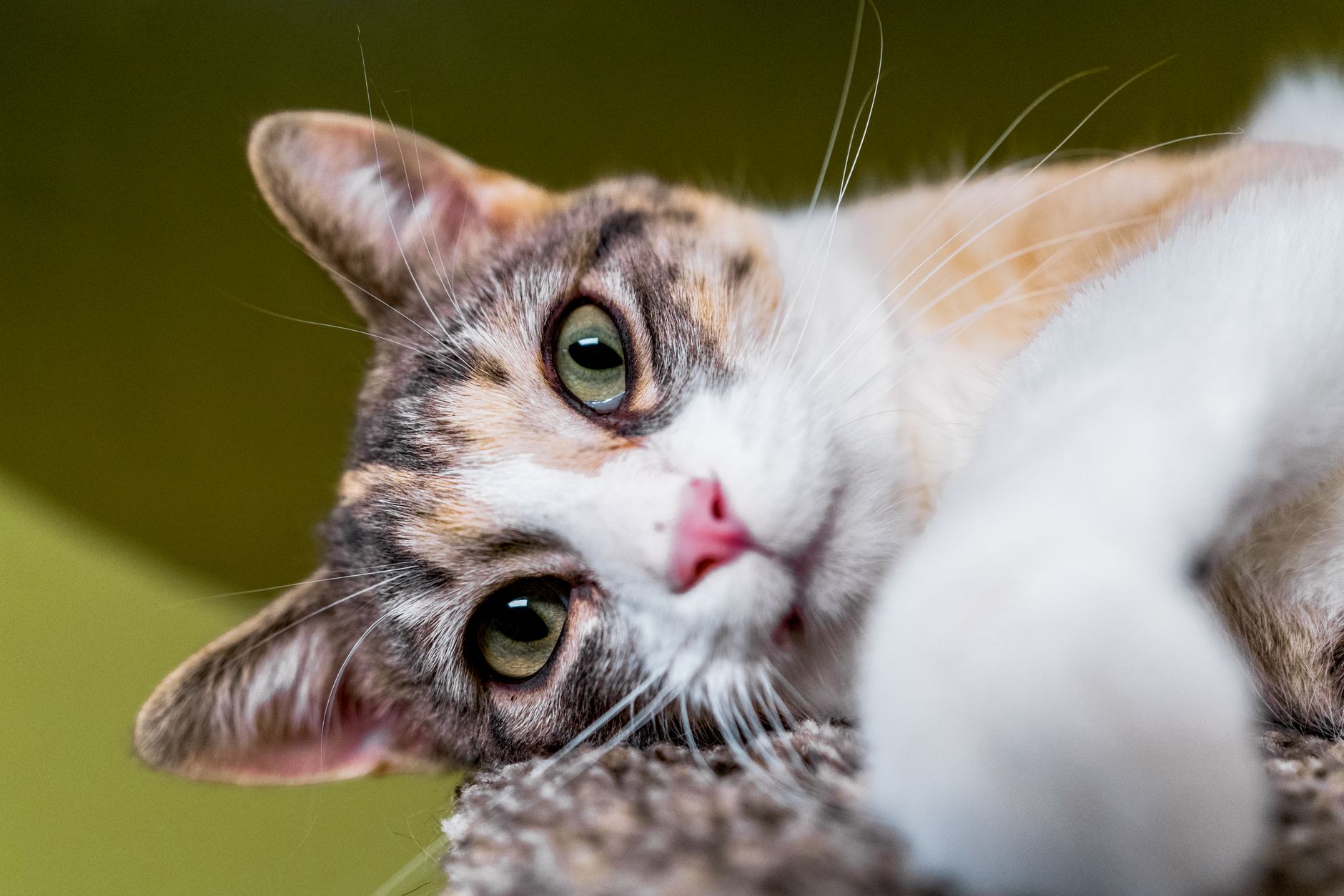
Understanding the normal globulin levels in cats is crucial for interpreting blood work results accurately. Globulin is a group of proteins in the blood that play a vital role in immune function and inflammation. In cats, the normal range for globulin levels is between 2.3 and 2.9-4.7 g/dL. Levels above the reference interval are considered elevated, while values exceeding the reference interval are deemed critical and may indicate serious underlying conditions such as FIP, cancer, or inflammation.
Routine laboratory analysis often reveals variations in globulin levels due to factors such as age, breed, and health status. While no strong breed predilection has been documented for globulin levels in cats, certain conditions like feline infectious peritonitis (FIP) can cause significant increases. It’s essential to monitor these levels closely, especially in high-density catteries where FIP clusters have been reported.
| Globulin Level (g/dL) | Interpretation |
|---|---|
| 2.3 – 5.3 | Normal |
| Above the reference interval | Elevated – Investigate for underlying conditions |
| Above the reference interval | Critical – Immediate veterinary attention required |
See the full reference intervals for the cat — every value cited to the laboratory document or paper it came from.
Elevated globulin levels can be indicative of chronic inflammatory diseases, liver disease, or immune-mediated disorders. In such cases, further diagnostic workup, including imaging and additional blood tests, may be necessary to pinpoint the exact cause. For instance, elevated globulin levels alongside high total protein levels could suggest liver dysfunction, warranting a closer look at liver enzymes such as ALT and ALP. For more information on liver-related issues, you can explore elevated ALP and GGT in cats.
In summary, maintaining awareness of the normal and critical thresholds for globulin levels in cats is essential for early detection and management of potential health issues. Regular blood work and vigilant monitoring can help ensure that any deviations from the norm are addressed promptly, safeguarding your cat’s health and well-being.
What Causes High Globulin Levels in Cats?

High globulin levels in cats, defined as values exceeding the reference interval, can be indicative of several underlying health issues. Globulins are a group of proteins in the blood that play a crucial role in immune function. When these levels rise above the normal range, it often signals an immune response to various conditions. Infections are a common cause, as the body produces more antibodies to fight off pathogens. Chronic infections, such as feline infectious peritonitis (FIP), can lead to significantly elevated globulin levels, sometimes reaching critical levels above the reference interval.
Inflammation is another potential cause of high globulin levels. Conditions such as inflammatory bowel disease (IBD) or chronic pancreatitis can trigger an immune response, resulting in increased globulin production. Chronic diseases, including liver disease and certain types of cancer, can also elevate globulin levels. For instance, lymphosarcoma, a type of cancer affecting the lymphatic system, is known to cause hyperglobulinemia due to the proliferation of abnormal lymphocytes.
A comprehensive diagnostic approach is essential when elevated globulin levels are detected. This often includes additional blood tests, imaging, and sometimes biopsies to identify the underlying cause. In cats, prednisolone may be used to manage inflammation, while specific treatments like antiviral medications or chemotherapy might be necessary for infections or cancer, respectively.
| Age | Sex | Globulin Level (g/dL) | Diagnosis | Recommendation |
|---|---|---|---|---|
| 3 years | Female | 5.8 | Chronic Infection | Antibiotic therapy |
| 7 years | Male | 6.5 | IBD | Dietary management and corticosteroids |
| 5 years | Female | 7.2 | FIP | Supportive care |
| 10 years | Male | 5.5 | Lymphosarcoma | Chemotherapy |
Monitoring globulin levels is crucial in managing feline health, especially in cases of chronic disease. Early detection and intervention can significantly improve outcomes for affected cats.
How Do Globulin Levels Compare with Other Blood Parameters?

In feline blood work, globulin levels are a crucial parameter that often need to be evaluated alongside other blood proteins such as albumin and total protein. Understanding the relationship between these parameters can provide valuable insights into a cat’s health status. Globulin levels in cats are considered normal when they range from 2.9-4.7 g/dL. Levels above the reference interval are elevated, and those exceeding the reference interval are deemed critical.
Albumin, another key protein, typically ranges from 3.2-4.3 g/dL in healthy cats. Elevated levels above the reference interval are uncommon and may indicate dehydration or other underlying conditions. Total protein, which is the sum of albumin and globulin, normally falls between 5.7 and 2.9-4.7 g/dL. Levels above the reference interval suggest an elevation, while those exceeding the reference interval are critical and warrant immediate investigation. Clinical experience shows that discrepancies between these parameters can indicate specific health issues.
For instance, a high globulin level with a normal albumin level may suggest chronic inflammation or infection, such as feline infectious peritonitis (FIP). Conversely, low albumin with high globulin can indicate liver disease or protein-losing enteropathy. Veterinary literature consistently reports that the albumin-to-globulin (A:G) ratio is a useful diagnostic tool. A low A:G ratio often points to conditions like FIP or certain cancers.
| Parameter | Normal Range (g/dL) | Clinical Interpretation |
|---|---|---|
| Globulin | 2.9-4.7 g/dL | Possible chronic infl |