High phosphorus in cats — renal diet timing and phosphate binders
High phosphorus in cats — renal diet timing and phosphate binders
Wondering what a full interpretation looks like? See a sample report →
Why Should Pet Owners Care About High Phosphorus in Cats?
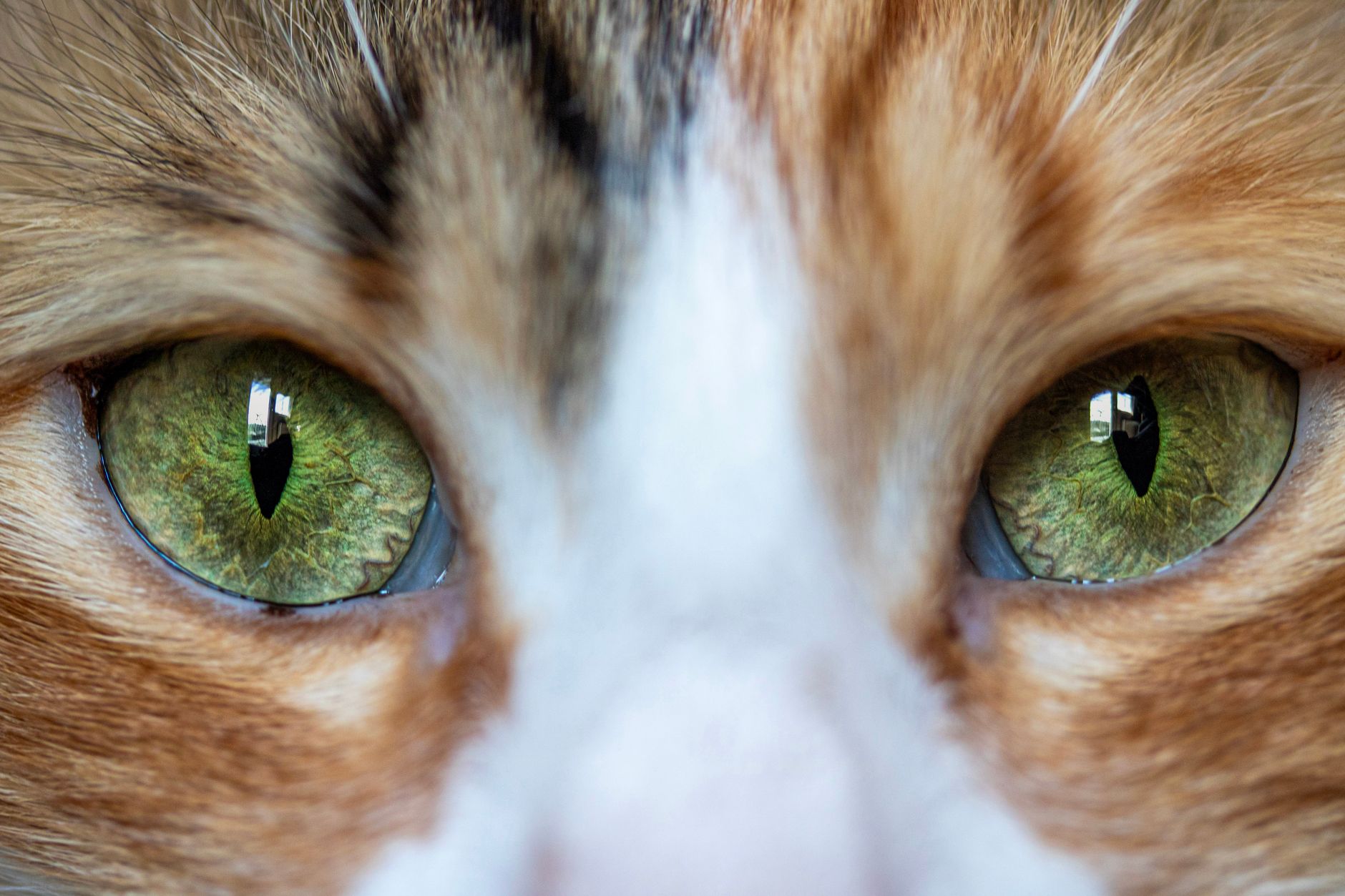
High phosphorus levels in cats, defined as levels exceeding the reference interval, can significantly impact kidney health and overall well-being. When phosphorus levels rise above the reference interval, it becomes critical, potentially leading to severe complications. The kidneys play a crucial role in filtering waste products from the blood, and elevated phosphorus can exacerbate kidney damage, particularly in cats with chronic kidney disease (CKD). Early detection and management of high phosphorus are essential to prevent further renal deterioration and improve quality of life.
Elevated phosphorus levels can accelerate the progression of CKD in cats. This is particularly concerning for breeds like the Persian and Exotic Shorthair, which are predisposed to autosomal-dominant polycystic kidney disease (PKD). In these cases, managing phosphorus levels becomes even more critical. Routine laboratory analysis often reveals elevated phosphorus in conjunction with increased blood urea nitrogen (BUN) and creatinine levels, which are markers of kidney function. Monitoring these parameters can help in the early identification of kidney issues, allowing for timely intervention.
Managing high phosphorus involves dietary modifications and the use of phosphate binders. A renal diet, low in phosphorus, can help reduce the burden on the kidneys. In cats, phosphate binders such as aluminum hydroxide or calcium carbonate may be used to prevent phosphorus absorption in the intestines. These interventions can slow the progression of kidney disease and improve survival rates. For instance, cats with stage II CKD may have a median survival of 2-4 years, while those in stage IV may have less than six months if not properly managed.
Pet owners should be proactive in monitoring their cat’s health, especially as they age. Regular veterinary check-ups and blood tests are crucial for early detection of high phosphorus levels. What Should You Check in Senior Cat Blood Tests Every Year? provides valuable insights into essential tests for aging cats. By understanding the significance of phosphorus levels and taking appropriate action, pet owners can help ensure their feline companions lead healthier, longer lives.
What Is Phosphorus and How Does It Affect Cats?
Phosphorus is a vital mineral that plays a crucial role in feline physiology. It is essential for maintaining bone health and is a key component of cellular function, particularly in energy transfer and storage. Phosphorus is primarily stored in the bones and teeth, contributing to their strength and structure. In the bloodstream, phosphorus levels are tightly regulated to ensure proper cellular function and metabolic processes.
In cats, phosphorus is absorbed from the diet through the intestines and is processed by the kidneys. The kidneys play a significant role in maintaining phosphorus balance by excreting excess amounts through urine. When kidney function declines, as seen in chronic kidney disease (CKD), phosphorus levels can rise, leading to hyperphosphatemia (elevated phosphorus levels). Veterinary literature consistently reports that phosphorus levels above the reference interval are considered elevated, and levels exceeding the reference interval are critical, necessitating immediate intervention.
Phosphorus is integral to several physiological processes, including the formation of ATP (adenosine triphosphate), which is the primary energy carrier in cells. It also plays a role in the regulation of acid-base balance and the activation of enzymes and hormones. Current clinical consensus suggests that maintaining normal phosphorus levels, between 2.6-5.5 mg/dL, is crucial for preventing complications associated with CKD, such as mineral bone disorder and secondary hyperparathyroidism.
In cases where phosphorus levels are elevated, dietary management and the use of phosphate binders may be necessary to control phosphorus intake and absorption. These interventions are critical in managing CKD and preventing further renal damage. For more information on managing kidney-related issues in cats, you may find it helpful to explore high SDMA but normal creatinine in cats and Rising Creatinine Over Time in Cats – Trend Interpretation.
What Are the Normal Phosphorus Levels in Cats?

In cats, phosphorus levels are a critical indicator of kidney health. Normal phosphorus levels range from 2.6-5.5 mg/dL. Levels above the reference interval are considered elevated and may indicate underlying health issues, such as chronic kidney disease (CKD). When phosphorus levels exceed the reference interval, it is deemed critical and requires immediate veterinary intervention to prevent further complications.
Monitoring phosphorus levels is essential in managing feline kidney health. Elevated phosphorus can lead to mineral imbalances and further kidney damage. Therefore, regular blood tests are recommended, especially for breeds predisposed to kidney issues, such as the Persian and Exotic Shorthair, which are known for autosomal-dominant polycystic kidney disease (PKD).
Phosphorus levels should be interpreted alongside other renal parameters, such as blood urea nitrogen (BUN) and creatinine. For instance, a BUN level above the reference interval and creatinine above the reference interval, combined with elevated phosphorus, may indicate significant renal impairment. In such cases, dietary modifications and phosphate binders may be necessary to manage the condition effectively.
| Phosphorus Level (mg/dL) | Interpretation |
|---|---|
| 2.5 – 6.0 | Normal |
| Above the reference interval | Elevated – Investigate for CKD |
| Above the reference interval | Critical – Immediate intervention required |
| BUN >within the reference interval | Possible renal impairment |
| Creatinine >above the reference interval | Significant renal impairment |
See the full reference intervals for the cat — every value cited to the laboratory document or paper it came from.
Routine laboratory analysis often reveals that phosphorus levels can fluctuate due to dietary intake, hydration status, and underlying health conditions. Therefore, it is crucial to consider these factors when interpreting lab results. In cats, phosphate binders such as aluminum hydroxide may be used to manage elevated phosphorus levels, particularly when dietary adjustments alone are insufficient.
For cats with CKD, the IRIS 2023 staging guidelines recommend regular monitoring of phosphorus levels to tailor treatment plans effectively. By maintaining phosphorus within the normal range, the progression of kidney disease can be slowed, improving the quality of life for affected cats.
What Causes High Phosphorus Levels in Cats?

High phosphorus levels in cats, defined as values exceeding the reference interval, can arise from several underlying conditions. Chronic kidney disease (CKD) is a primary cause, as impaired kidney function reduces the excretion of phosphorus, leading to accumulation in the blood. In particular, breeds such as the Persian and Exotic Shorthair are predisposed to CKD due to genetic factors like autosomal-dominant polycystic kidney disease (PKD). Additionally, dietary factors, such as high-phosphorus diets, can exacerbate this condition, especially in cats with pre-existing renal issues.
Other potential causes of elevated phosphorus include hyperparathyroidism and tumor lysis syndrome. Hyperparathyroidism can lead to increased phosphorus release from bones, while tumor lysis syndrome, although rare, results from the rapid breakdown of cancer cells, releasing phosphorus into the bloodstream. Furthermore, acute kidney injury (AKI) can also cause elevated phosphorus levels due to sudden loss of kidney function.
To aid in differential diagnosis, the following table outlines potential causes of high phosphorus levels in cats, along with associated clinical signs and laboratory findings:
| Cause | Phosphorus Level (mg/dL) | Associated Findings |
|---|---|---|
| Chronic Kidney Disease | Above the reference interval | Elevated creatinine >above the reference interval, BUN >within the reference interval |
| Acute Kidney Injury | Above the reference interval | Sudden rise in creatinine and BUN |
| Hyperparathyroidism | Above the reference interval | Increased calcium levels |
| Tumor Lysis Syndrome | Above the reference interval | Hyperuricemia, hyperkalemia |
| Dietary Excess | Above the reference interval | Normal creatinine and BUN |
Addressing high phosphorus levels involves identifying the underlying cause and implementing appropriate dietary modifications or medical interventions, such as phosphate binders, to manage the condition effectively.
How Does Phosphorus Compare with Other Kidney Markers?

In feline kidney health, phosphorus, BUN (blood urea nitrogen), and creatinine are critical markers used to assess renal function. Each parameter provides unique insights into kidney health, but they must be interpreted together for a comprehensive diagnosis. Phosphorus levels above the reference interval indicate elevation, with critical levels exceeding the reference interval. Elevated phosphorus can exacerbate kidney damage, making its management crucial in chronic kidney disease (CKD).
Creatinine, with normal levels ranging from 0.8-2.1 mg/dL, becomes a concern when values exceed the reference interval, indicating potential kidney impairment. Critical levels are marked above the reference interval. Creatinine is a byproduct of muscle metabolism and is filtered by the kidneys, making it a reliable indicator of glomerular filtration rate (GFR). Rising creatinine levels in older cats often signal declining kidney function, necessitating timely intervention.
BUN, with a normal range of 17-35 mg/dL, becomes elevated above the reference interval, with critical levels over the reference interval. BUN reflects protein metabolism and is less specific than creatinine but still valuable in assessing kidney function. Azotemia (elevated nitrogen waste in the blood) is often diagnosed when both BUN and creatinine are elevated, indicating reduced kidney filtration capacity.
Monitoring these markers together provides a more accurate picture of kidney health. While phospho