High Phosphorus in Goats — Urolithiasis Risk in Male Animals
High Phosphorus in Goats — Urolithiasis Risk in Male Animals
Wondering what a full interpretation looks like? See a sample report →
Why Should Goat Owners Care About High Phosphorus Levels?
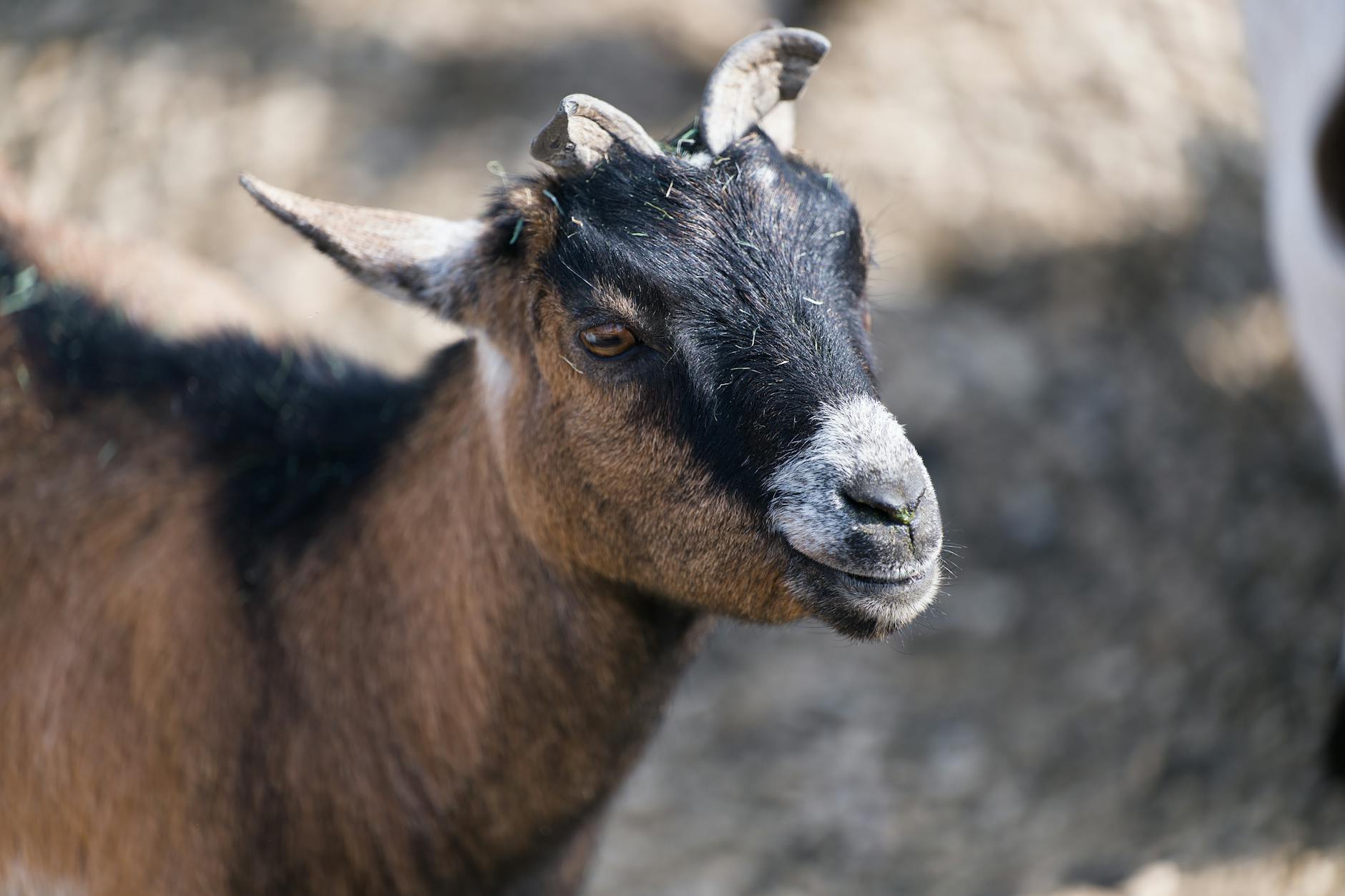
High phosphorus levels in male goats can be a serious concern, as they are directly linked to an increased risk of urolithiasis. This condition involves the formation of stones in the urinary tract, which can cause significant pain and discomfort for the animal. According to published veterinary research, normal phosphorus levels in goats should range between 4.5-7.8 mg/dL; values above the reference interval indicate an elevated risk that requires monitoring, while levels exceeding the reference interval are considered critical and warrant immediate intervention.
Phosphorus is a crucial mineral for bone health and energy metabolism in goats. However, excessive phosphorus can lead to imbalances with calcium, which disrupts the normal function of the urinary system. When phosphorus levels rise above the normal range, it can cause an increase in urinary pH and promote the formation of struvite (magnesium ammonium phosphate) crystals, leading to urolithiasis. This condition is particularly prevalent in male goats due to their longer urethra, which makes them more susceptible to stone blockages.
- Monitor phosphorus levels regularly as part of routine blood work to catch imbalances early.
- Evaluate dietary sources of phosphorus and ensure a balanced intake with adequate calcium.
- Consider supplementing with magnesium if necessary, as it can help prevent the formation of struvite crystals.
In addition to urolithiasis, high phosphorus levels may also indicate underlying kidney issues. Elevated phosphorus is often associated with reduced glomerular filtration rate (GFR), a measure of kidney function that indicates how well the kidneys are filtering blood. If left untreated, chronic kidney disease can progress and lead to more severe health complications for the goat.
What is Serum Phosphorus?
Serum phosphorus, a critical electrolyte in goats, plays an essential role in various physiological processes. It is involved in bone mineralization, energy metabolism, and cellular signaling pathways. Normal serum phosphorus levels for goats range from 4.5-7.8 mg/dL; however, values exceeding the reference interval are considered elevated, while those above the reference interval indicate a critical condition requiring immediate attention.
Elevated serum phosphorus is particularly concerning in male goats due to its association with urolithiasis, a condition characterized by the formation of mineral stones in the urinary tract. Phosphorus and calcium are key components in these stone formations, which can lead to blockages and severe complications if left untreated.
- Phosphorus is tightly regulated alongside calcium through hormonal mechanisms such as parathyroid hormone (PTH) and calcitriol (vitamin D metabolite). Imbalances between these two minerals can disrupt normal kidney function and contribute to the development of uroliths.
- In goats, high phosphorus levels often indicate underlying metabolic disorders or dietary imbalances. For instance, excessive consumption of certain feedstuffs rich in phosphorus, such as soybean meal, can lead to elevated serum phosphorus concentrations.
Understanding the role of serum phosphorus is crucial for veterinarians and goat owners alike. Monitoring this parameter helps identify early signs of metabolic disturbances that could otherwise progress into more serious health issues like urolithiasis. Regular blood tests are recommended, especially in male goats, to maintain optimal phosphorus levels and prevent potential complications.
Normal Reference Ranges for Serum Phosphorus in Goats

The normal reference range for serum phosphorus in goats is crucial for diagnosing and managing various health conditions, particularly those related to urolithiasis risk in male animals. According to standard veterinary practice, the normal serum phosphorus levels should be within 4.5-7.8 mg/dL. Elevated levels above this range (outside the reference interval) may indicate underlying metabolic disorders or dietary imbalances that can lead to serious health issues such as urolithiasis.
Phosphorus plays a vital role in numerous physiological processes, including bone mineralization and energy metabolism. However, excessive phosphorus levels can disrupt these functions and contribute to the formation of urinary stones (uroliths) in male goats. Published veterinary research has shown that critical values for serum phosphorus are outside the reference interval, indicating severe metabolic disturbances that require immediate medical intervention.
It is important to monitor serum phosphorus levels alongside other blood parameters such as calcium and magnesium, which also play significant roles in maintaining proper mineral balance. For instance, low magnesium can lead to grass tetany, a condition characterized by muscle tremors and convulsions due to hypomagnesemia (see more on grass tetany). Ensuring that these minerals are in balance is essential for preventing metabolic disorders.
| Parameter | Normal Range (mg/dL) |
|---|---|
| Phosphorus | 4.5-7.8 mg/dL |
| Calcium | 8.3-10.3 mg/dL |
| Magnesium | 2.8-3.6 mg/dL |
| Potassium | 4.5–6.5 |
| Sodium | 138–152 |
| Chloride | 98–108 |
| Bicarbonate | 22–30 |
See the full reference intervals for the goat — every value cited to the laboratory document or paper it came from.
What Causes Elevated Phosphorus Levels?

Elevated phosphorus levels in goats, defined as values above the reference interval and critical at over the reference interval, can indicate several underlying conditions that require prompt veterinary attention. Dietary factors, such as excessive intake of high-phosphorus feed or supplements, are a common cause. Goats with access to mineral-rich pastures or those fed diets rich in grains and concentrates may experience phosphorus overload if their diet is not balanced properly.
Another significant cause of elevated phosphorus levels is kidney disease. When the kidneys fail to filter blood effectively, phosphorus retention occurs, leading to hyperphosphatemia. This condition often accompanies other markers of renal dysfunction such as high BUN and creatinine levels. Published veterinary research has shown that chronic kidney disease (CKD) in goats can lead to a cascade of metabolic imbalances, including electrolyte disturbances like hyperphosphatemia.
Metabolic disorders also contribute to elevated phosphorus levels. For instance, hypoparathyroidism, characterized by insufficient parathyroid hormone production, disrupts the regulation of calcium and phosphorus homeostasis. This condition can lead to an imbalance where phosphorus levels rise while calcium levels fall. Additionally, conditions like milk fever (hypocalcemia) around kidding can indirectly affect phosphorus metabolism due to hormonal changes that impact mineral balance.
- Dietary assessment is crucial in diagnosing elevated phosphorus levels. A detailed dietary history should be taken to identify potential sources of excessive phosphorus intake.
- Blood tests for kidney function, including BUN and creatinine, are essential when suspecting renal disease as the cause of hyperphosphatemia.
Reference intervals for the parameters discussed above, as published in the source panel for the goat:
| Parameter | Reference interval (goat) |
|---|---|
| Phosphate | 4.5-7.8 mg/dL |
| BUN | 10-35 mg/dL |
| Creatinine | 0.3-0.8 mg/dL |
| Calcium | 8.3-10.3 mg/dL |
| Magnesium | 2.8-3.6 mg/dL |
How Does Serum Phosphorus Compare to Other Parameters?

Elevated serum phosphorus levels in goats can be a critical indicator of underlying health issues, particularly when considering its relationship with calcium and kidney function markers. Per standard veterinary practice, normal serum phosphorus levels for goats are 4.5-7.8 mg/dL; values above the reference interval indicate an action threshold requiring further investigation, while levels exceeding the reference interval represent a critical emergency situation.
When assessing phosphorus levels, it is crucial to also evaluate calcium concentrations and kidney function markers such as blood urea nitrogen (BUN) and creatinine. Calcium plays a vital role in maintaining bone health and muscle contractions, with normal ranges typically within the reference interval for goats. Elevated phosphorus often correlates with decreased calcium levels due to the inverse relationship between these two minerals; when one is high, the other tends to be low.
Additionally, kidney function should be closely monitored in conjunction with phosphorus and calcium assessments. High BUN and creatinine levels can indicate renal impairment or failure, which may contribute to abnormal mineral metabolism. Published veterinary research has shown that chronic kidney disease (CKD) often leads to hyperphosphatemia due to reduced glomerular filtration rate (GFR), resulting in impaired excretion of phosphorus.
- Phosphorus: normal 4.5-7.8 mg/dL;