High SDMA in Young Cats — Congenital or Acquired Kidney Issues?
High SDMA in Young Cats — Congenital or Acquired Kidney Issues?
Wondering what a full interpretation looks like? See a sample report →
Why Should You Care About High SDMA in Young Cats?

The symmetric dimethylarginine (SDMA) test is a critical biomarker for kidney function, especially in young cats. Elevated SDMA levels can indicate early-stage chronic kidney disease (CKD), congenital issues, or acquired conditions that compromise renal health. Monitoring SDMA in young cats helps detect potential kidney problems before they become severe and irreversible.
SDMA is more sensitive than creatinine for identifying kidney dysfunction at an earlier stage. Even slight elevations above the normal range (0.8-2.1 mg/dL) can signal underlying issues, such as congenital defects or acquired conditions like glomerulonephritis. For instance, if a young cat’s SDMA level is consistently outside the reference interval but creatinine remains within the normal range (outside the reference interval), it may indicate early-stage CKD that requires immediate intervention to slow disease progression.
- Early detection: High SDMA in young cats can be a red flag for congenital kidney issues, such as autosomal-dominant polycystic kidney disease (PKD) seen in Persian and Exotic Shorthair breeds. Early diagnosis allows for proactive management strategies to improve long-term outcomes.
- Prognosis: Elevated SDMA levels can also suggest acquired conditions like glomerulonephritis, which may have a poorer prognosis if left untreated. In cats with high SDMA but normal creatinine, the median survival time is typically 2-4 years for stage II CKD and less than 6 months for stage IV.
- Monitoring: Regular monitoring of SDMA levels in young cats can help veterinarians adjust treatment plans as needed. For example, if a cat’s SDMA level rises above the critical threshold (outside the reference interval), it may indicate severe kidney damage requiring urgent medical intervention.
In summary, high SDMA levels in young cats warrant careful attention and prompt veterinary evaluation to address potential kidney issues early on. This proactive approach can significantly improve a cat’s quality of life and extend its lifespan by managing kidney disease effectively from the outset.
What is Symmetric Dimethylarginine (SDMA)?
Symmetric dimethylarginine (SDMA) is a biomarker used to assess kidney function in cats. Unlike creatinine, which can be influenced by muscle mass and dietary protein intake, SDMA levels are more stable and directly reflect glomerular filtration rate (GFR), the measure of how well the kidneys filter waste from blood. This makes SDMA particularly useful for early detection of chronic kidney disease (CKD) in cats.
SDMA is produced naturally within cells and is excreted by the kidneys. When renal function declines, less SDMA is filtered out, leading to elevated levels in the bloodstream. SDMA can detect CKD earlier than creatinine, often before clinical signs are apparent. This early detection allows for more timely intervention and management of kidney disease.
- Normal range: laboratory-specific
- Action threshold: outside the reference interval (indicating potential renal impairment)
- Critical/emergency threshold: outside the reference interval (suggesting severe kidney dysfunction)
In cats, SDMA is a more reliable indicator of kidney function than creatinine because it is less affected by factors such as muscle mass and protein intake. For instance, high-protein diets can artificially elevate creatinine levels in cats with normal renal function, making it difficult to distinguish between dietary influence and actual kidney disease. In contrast, SDMA remains relatively constant regardless of these variables.
It’s important for veterinarians to monitor SDMA alongside other markers like creatinine and blood urea nitrogen (BUN) to get a comprehensive picture of kidney health. For example, if SDMA is elevated while creatinine remains within normal limits, it may indicate early-stage CKD that has not yet progressed to more advanced stages where creatinine levels rise significantly.
Laboratory Reference Ranges for SDMA

Understanding the laboratory reference ranges for Symmetric Dimethylarginine (SDMA) is crucial in diagnosing kidney function issues in cats, especially when dealing with young felines. According to standard veterinary practice, normal SDMA levels range from 0-14 µg/dL. Elevated levels (outside the reference interval) suggest potential renal impairment or dysfunction, while critical values (outside the reference interval) indicate severe kidney issues that require immediate medical attention.
It is important to note that age-specific norms for SDMA can vary significantly in young cats. Younger cats may have slightly lower baseline SDMA levels compared to adult cats, making it essential to consider the cat’s age when interpreting test results. The same SDMA value carries different weight at different ages: what is unremarkable in a kitten can mark early kidney disease in an older cat.
When evaluating SDMA levels alongside other renal markers like creatinine, it is crucial to understand the nuances between these parameters. For example, high SDMA but normal creatinine can suggest true early chronic kidney disease (CKD), as discussed in detail in another article (High SDMA but Normal Creatinine in Cats — True Early CKD?). This highlights the importance of using SDMA as a more sensitive indicator for early kidney disease detection, especially in young cats.
| Age Group | SDMA Range (µg/dL) |
|---|---|
| Kittens (<6 months) | 5–12 |
| Young Cats (6-24 months) | 6–13 |
| Adult Cats (>2 years) | 6–14 |
| Senior Cats (>7 years) | 8–15 |
See the full reference intervals for the cat — every value cited to the laboratory document or paper it came from.
What Causes Elevated SDMA Levels?
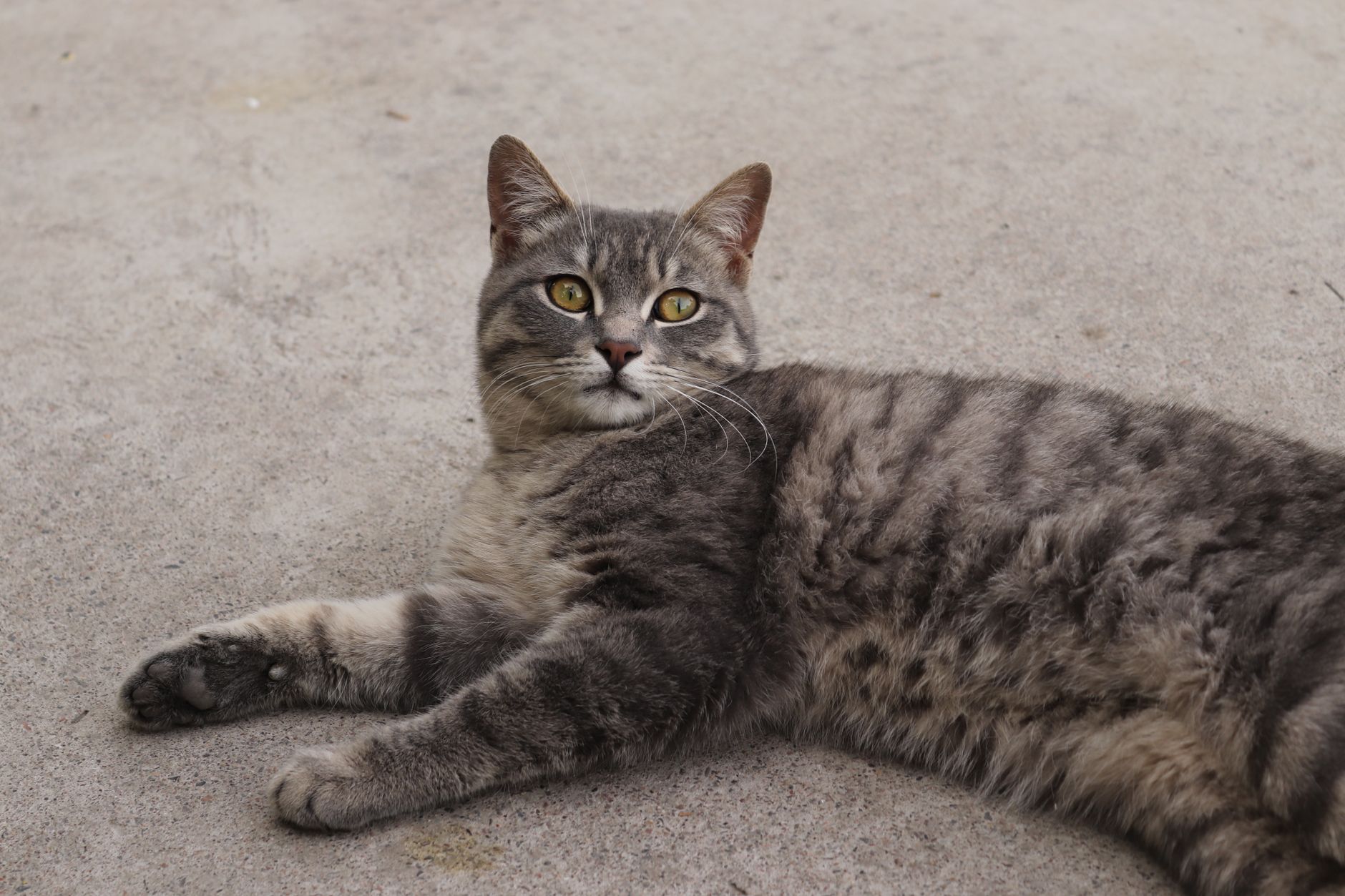
Elevated symmetric dimethylarginine (SDMA) levels in young cats can indicate either congenital kidney issues or acquired conditions. Understanding the underlying cause is crucial for appropriate diagnosis and management. Congenital kidney diseases, such as autosomal-dominant polycystic kidney disease (PKD), are often breed-specific and may present early in life with elevated SDMA levels. Persian and Exotic Shorthair cats have a higher predisposition to PKD.
Acquired conditions, on the other hand, can develop due to various factors including infections, toxins, or metabolic disorders. For instance, renal amyloidosis (AA-amyloidosis) is another congenital condition that predominantly affects Abyssinian and Somali cats but can also be acquired in young cats under stress or with chronic inflammation.
It’s important to differentiate between these conditions as they require distinct management strategies. A differential diagnosis table can help veterinarians narrow down the potential causes based on clinical signs, breed predisposition, and additional laboratory findings such as blood urea nitrogen (BUN) levels and creatinine concentrations.
| Condition | SDMA Level (µg/dL) | Breed Predisposition |
|---|---|---|
| Autosomal-Dominant Polycystic Kidney Disease (PKD) | Above the reference interval | Persian, Exotic Shorthair |
| Renal Amyloidosis (AA-amyloidosis) | Above the reference interval | Abyssinian, Somali |
| Acquired Renal Disease (Toxins/Infections) | Above the reference interval | Any breed, non-specific |
| Chronic Kidney Disease (CKD) | Above the reference interval | Any breed, non-specific |
| Glomerulonephritis | Above the reference interval | Any breed, non-specific |
| Pyelonephritis | Above the reference interval | Any breed, non-specific |
| Hypertension-Induced Nephropathy | Above the reference interval | Any breed, non-specific |
The table above provides a quick reference for veterinarians to consider when evaluating elevated SDMA levels in young cats. Each condition listed has specific clinical implications and requires tailored diagnostic approaches.
How Does SDMA Compare to Other Kidney Markers?

The measurement of serum symmetric dimethylarginine (SDMA) has become increasingly important in veterinary medicine, particularly for early detection and monitoring of kidney disease in cats. Unlike creatinine and blood urea nitrogen (BUN), which are influenced by muscle mass and dietary protein intake, SDMA is a more stable marker that reflects glomerular filtration rate (GFR) directly. SDMA levels above the reference interval indicate potential kidney dysfunction in cats.
While creatinine remains the most commonly used biomarker for renal function, it has limitations when assessing early-stage chronic kidney disease (CKD). Creatinine is primarily produced from muscle metabolism and can be affected by factors such as age, body condition score, and dietary protein intake. In contrast, SDMA is synthesized in all nucleated cells and is less influenced by these variables.
SDMA offers earlier detection of kidney disease compared to creatinine or BUN. This is particularly relevant for young cats where congenital or acquired renal issues may be present but not yet causing significant azotemia (elevated blood urea nitrogen and creatinine levels). For instance, a cat with normal creatinine levels but elevated SDMA could indicate early-stage CKD that requires further investigation.
- SDMA: Normal: 0-14 µg/dL; outside the reference interval indicates potential kidney dysfunction; outside the reference interval is critical and warrants immediate intervention.
- Creatinine: Normal range varies by laboratory but typically for cats, it’s around 0.8-2.1 mg/dL; levels above the reference interval indicate azotemia.
- BUN: Normal: 17-35 mg/dL; outside the reference interval suggests impaired kidney function or dehydration.
The table below illustrates the differences in SDMA, creatinine, and BUN levels for cats at various stages of CKD. Note how SDMA elevates earlier than creatinine, providing a more sensitive indicator of renal impairment.
| Parameter | Stage I CKD | Stage II CKD | Stage III CKD |
|---|---|---|---|
| SDMA (µg/dL) | 9-12 | 14-18 | Above the reference interval |
| Creatinine (mg/dL) | 0.8-1.4 | 1.5-2.3 | Above the reference interval |
| BUN (mg/dL) | 14-25 | 26-36 | Above the reference interval |
SDMA is a more reliable marker for early-stage kidney disease, especially in young cats where congenital or acquired renal issues may be present but not yet causing significant azotemia. This makes SDMA an invaluable tool for proactive management of feline CKD.
How to Interpret Elevated SDMA Results?
Elevated symmetric dimethylarginine (SDMA) levels in young cats can indicate either congenital kidney issues or acquired conditions. Understanding the