Wondering what a full interpretation looks like? See a sample report →
Why Is Low Creatinine in Dogs a Concern?

However, interpreting low creatinine requires caution as it does not directly indicate kidney disease. Instead, it reflects a broader physiological state of the dog. For instance, if a dog is severely debilitated and has lost significant weight over time, their muscle mass—and consequently their creatinine production—may decrease. This scenario can occur in chronic wasting diseases or severe nutritional deficiencies.
It’s important to consider other clinical signs alongside low creatinine levels. If the dog shows symptoms such as reduced appetite, lethargy, weakness, or muscle atrophy, these could point towards underlying conditions that affect muscle mass. However, if kidney-related symptoms like increased thirst, frequent urination, blood in urine, or changes in urinary habits are present, further investigation into renal function is warranted.
When a veterinarian encounters low creatinine levels, they will likely consider additional tests to clarify the cause. These may include assessing other markers of muscle health such as total protein and albumin, evaluating kidney function through BUN (blood urea nitrogen) or SDMA (symmetric dimethylarginine), and possibly imaging studies like X-rays or ultrasound to look for signs of muscle atrophy or organ abnormalities.
For example, a dog with severe malnutrition might exhibit low creatinine levels alongside decreased total protein and albumin. In contrast, if the same dog also has elevated BUN or SDMA levels, it could suggest concurrent kidney dysfunction. The veterinarian would need to correlate these findings with clinical signs and other diagnostic tests to determine the underlying cause.
Understanding the context of low creatinine is crucial for proper diagnosis and treatment planning. It helps differentiate between muscle-related issues and potential renal pathology, guiding further investigation and management strategies tailored to the specific needs of the affected dog.
What Is Creatinine in Dogs?
Creatinine is a waste product that forms when muscles break down and use energy. In dogs, creatinine is produced as part of normal muscle metabolism and is excreted by the kidneys through urine. The level of creatinine in the blood serves as an indicator of kidney function because it reflects how well the kidneys are filtering this substance out of the bloodstream. Creatinine levels can also provide insights into overall muscle health and metabolic activity.
When a dog’s creatinine levels fall below what is considered normal, it can indicate several underlying issues. Low creatinine may suggest reduced muscle mass, which could be due to conditions like malnutrition or severe weight loss. Alternatively, low creatinine might also point towards decreased production of creatinine itself, often seen in dogs with very little physical activity or those suffering from chronic wasting diseases such as cancer or endocrine disorders.
Understanding the role of creatinine is crucial for interpreting blood test results accurately. While a single measurement can provide valuable information, it’s important to consider other factors such as overall health status and clinical signs observed by the owner. For example, if a dog shows signs like reduced appetite, lethargy, or muscle wasting alongside low creatinine levels, these symptoms combined with laboratory findings help paint a clearer picture of what might be happening within the body.
It is also important to note that creatinine clearance tests can provide more detailed information about kidney function. These tests measure how effectively the kidneys are filtering blood and removing waste products like creatinine from the bloodstream. A reduced creatinine clearance rate may indicate impaired renal filtration, which could be due to various causes such as chronic kidney disease or acute kidney injury.
In clinical practice, veterinarians often use creatinine levels in conjunction with other markers of kidney function, such as blood urea nitrogen (BUN) and urine specific gravity. These combined assessments help provide a more comprehensive evaluation of renal health and guide appropriate treatment strategies for dogs presenting with low creatinine or related symptoms.
Creatinine Reference Ranges for Dogs
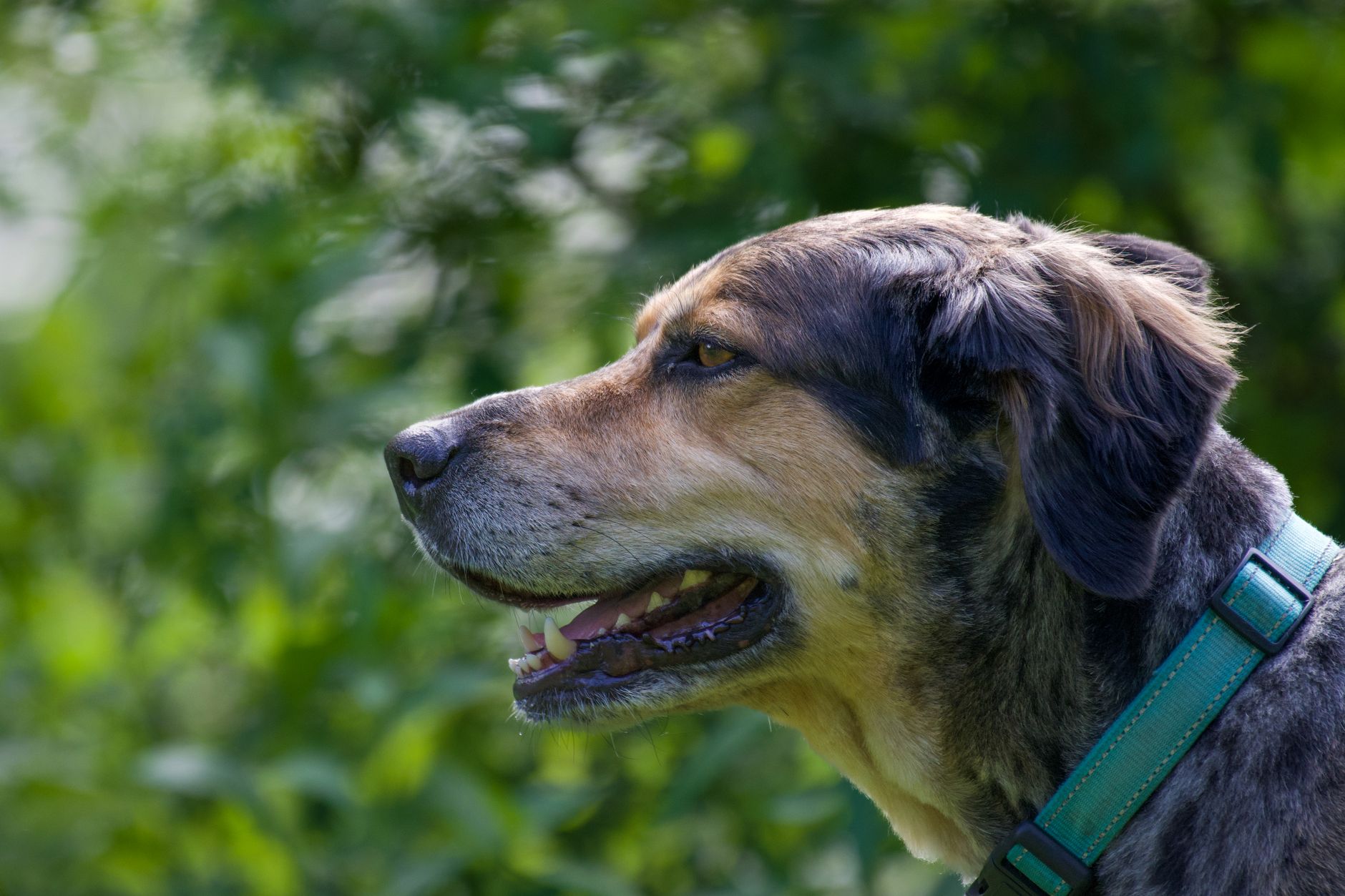
The creatinine level is a key indicator of kidney function in dogs. It reflects how well the kidneys are filtering waste products from the blood, specifically those produced by muscle metabolism. Understanding what falls within normal limits and recognizing deviations can help guide further diagnostic steps.
| Marker | Normal Range |
|---|---|
| Creatinine | 0.6-1.4 mg/dL |
See the full reference intervals for the dog — every value cited to the laboratory document or paper it came from.
A low creatinine level in dogs can indicate reduced muscle mass, which might be due to conditions such as malnutrition or severe debilitation. However, it is important to note that a single low value does not provide enough information for a definitive diagnosis and should be interpreted alongside other clinical findings.
When evaluating a dog with a creatinine level below the reference range, consider additional tests like a complete blood count (CBC) and biochemical profile to assess overall health status. These can help identify underlying causes such as muscle wasting or nutritional deficiencies that may contribute to low creatinine levels.
| Finding | What it may suggest | Suggested next step |
|---|---|---|
| Below the reference range | Reduced muscle mass or malnutrition | Further diagnostic tests to assess overall health and nutritional status |
| Above the reference range | Decreased kidney function or pre-renal conditions | Additional tests such as BUN, SDMA, and urinalysis to evaluate renal function |
Low creatinine levels in dogs can be a sign of reduced muscle mass or malnutrition. This could be due to conditions like severe debilitation, chronic illness, or inadequate dietary intake. It is crucial to investigate further by conducting additional tests such as a complete blood count (CBC) and biochemical profile to assess overall health status.
On the other hand, elevated creatinine levels may indicate decreased kidney function or pre-renal conditions such as dehydration or obstruction of urine flow. In these cases, it’s important to perform additional tests like Blood Urea Nitrogen (BUN), Symmetric Dimethylarginine (SDMA), and urinalysis to evaluate renal function comprehensively.
What Causes Low Creatinine Levels?
Low creatinine levels can be a sign of reduced muscle mass, which may occur in various clinical scenarios. This marker is particularly sensitive to changes in lean body mass and can drop below the reference range when there’s a significant loss or redistribution of muscle tissue. It’s important to understand that while creatinine primarily reflects kidney function, it also serves as an indirect indicator of overall muscle health.
The causes of low creatinine are diverse and often reflect underlying conditions that affect muscle health or metabolism. For instance, chronic wasting diseases such as cancer can lead to substantial muscle depletion over time due to the body’s increased metabolic demands and reduced nutrient intake. Additionally, severe malnutrition can result in a significant loss of lean tissue, leading to lower creatinine levels.
Acute situations like post-operative recovery from major surgery where significant muscle mass is lost due to prolonged immobility might also result in lower creatinine levels. In such cases, the dog may experience weakness and reduced mobility as part of the healing process. Furthermore, certain endocrine disorders can contribute to low creatinine levels by affecting metabolic processes that maintain muscle tissue.
Hypothyroidism is one such condition where a decreased metabolic rate leads to muscle wasting over time. Dogs with hypothyroidism often exhibit weight gain, lethargy, and skin changes as part of their clinical presentation. Another example is hypercortisolism (Cushing’s syndrome), which causes increased muscle catabolism due to excess cortisol production. This condition typically presents with polyuria, polydipsia, and a pot-bellied appearance.
It’s important to note that while low creatinine may indicate reduced muscle mass, it does not confirm a specific disease on its own. The veterinarian will consider the overall clinical picture and other laboratory findings to determine the cause. For example, if there are signs of malnutrition or cachexia alongside low creatinine, further tests such as a complete blood count (CBC) and serum albumin levels might be ordered to assess nutritional status.
Additional diagnostic steps may include imaging studies like X-rays or ultrasound to evaluate muscle mass visually. Blood tests for thyroid hormones can help diagnose hypothyroidism, while cortisol measurements are useful in diagnosing hypercortisolism. These comprehensive evaluations ensure that the underlying cause of low creatinine is accurately identified and treated.
| Cause | Mechanism | Typical Signs |
|---|---|---|
| Chronic wasting disease (e.g., cancer) | Progressive muscle loss due to systemic illness. | Weight loss, reduced appetite, lethargy. |
| Severe malnutrition | Insufficient protein intake leading to muscle breakdown. | Reduced body condition, poor coat quality, weakness. |
| Post-operative recovery | Muscle atrophy due to prolonged immobility and stress. | Weakness, reduced mobility, decreased appetite. |
| Hypothyroidism | Decreased metabolic rate leading to muscle wasting. | Weight gain, lethargy, skin changes. |
| Hypercortisolism (Cushing’s syndrome) | Increased muscle catabolism due to excess cortisol. | Polyuria, polydipsia, pot-bellied appearance. |
How Does Low Creatinine Compare with Other Parameters?

When evaluating low creatinine levels in dogs, it’s important to consider how this marker interacts with other blood and urine tests. Creatinine (0.6-1.4 mg/dL) is a waste product that reflects muscle mass and kidney function. A low creatinine level can be misleading if not interpreted alongside other indicators of renal health. For instance, BUN (blood urea nitrogen 9-26 mg/dL) often correlates with creatinine in assessing kidney function. However, while low creatinine might suggest reduced muscle mass or a recent meal affecting protein breakdown, normal to slightly elevated BUN can indicate pre-renal issues like dehydration or decreased blood flow to the kidneys. Conversely, if both BUN and creatinine are low, it may point towards conditions such as malnutrition or severe liver disease that impair urea production.
Another key marker is SDMA (symmetric dimethylarginine 0-14 µg/dL), which is less affected by muscle mass changes than creatinine. Low SDMA alongside normal creatinine might suggest a condition affecting both kidney function and protein metabolism, such as chronic renal disease in its early stages where glomerular filtration rate has declined but muscle mass remains stable.
Phosphorus levels are also crucial for assessing overall renal health. Elevated phosphorus can indicate advanced renal failure or parathyroid dysfunction, which is critical to monitor alongside creatinine and BUN. Additionally, specific gravity (SG) of urine provides insight into the kidney’s ability to concentrate urine, reflecting its overall function. A low SG in conjunction with normal creatinine might suggest poor hydration status rather than true renal impairment.
Urine protein levels are another important parameter to consider when evaluating dogs for potential kidney disease. Proteinuria can be a sign of glomerular damage or inflammation and should be assessed alongside other markers like BUN, SDMA, and phosphorus. For example, if urine protein is high while creatinine remains low, it may indicate early-stage nephropathy where the kidneys are losing their ability to filter proteins effectively.
| Marker | What it Adds | When Preferred |
|---|---|---|
| BUN | Reflects protein metabolism and pre-renal conditions. | When assessing dehydration or blood flow to kidneys. |
| SDMA | Less influenced by muscle mass, better for early kidney disease detection. | When evaluating chronic renal issues or protein metabolism. |
| Phosphorus | Indicates kidney function and parathyroid activity. | When assessing advanced renal disease or metabolic bone disorders. |
| Specific Gravity | Measures kidney concentration ability, reflecting overall function. | When evaluating hydration status and renal concentrating capacity. |
| Urine Protein | Detects proteinuria, a sign of glomerular damage or inflammation. | When suspecting kidney disease or urinary tract disorders. |
How Should Low Creatinine Be Interpreted?
Low creatinine levels in dogs can be a cause for concern, but they often reflect specific clinical scenarios rather than immediate kidney dysfunction. When the creatinine level is below the reference range, it typically indicates reduced muscle mass or an underestimation of glomerular filtration rate (GFR) due to factors like dehydration.
It’s important to consider that low creatinine alone does not provide a definitive diagnosis and should be interpreted alongside other clinical findings. For instance, if your dog is showing signs of weight loss or muscle wasting, the low creatinine could align with these observations. However, it’s crucial to rule out conditions like dehydration or pre-renal issues which can also cause a falsely low reading.
The next step involves evaluating additional parameters such as BUN (blood urea nitrogen) and SDMA (symmetric dimethylarginine). These markers help differentiate between true muscle loss and other causes of reduced creatinine. If the BUN is within normal limits but creatinine remains low, it may suggest a primary issue with muscle mass rather than kidney function.
| Finding | What it may suggest | Suggested next step |
|---|---|---|
| Below the reference range | Reduced muscle mass or dehydration | Evaluate BUN and SDMA levels, assess hydration status |
| Normal BUN with low creatinine | Primary muscle loss or reduced GFR estimation due to dehydration | Consider imaging studies and further clinical assessment for muscle wasting |
| Low creatinine with elevated BUN | Potential pre-renal or renal issues affecting GFR estimation | Urine analysis and further diagnostic imaging as needed |
| Low creatinine with normal SDMA | Indicates reduced muscle mass rather than kidney dysfunction | Monitor for signs of weight loss or muscle wasting, consider dietary support |
| Low creatinine with low BUN and SDMA | Suggests overall reduced metabolic activity or severe dehydration | Immediate veterinary evaluation for hydration status and further diagnostic workup |
When interpreting low creatinine levels, it’s essential to consider the clinical context. If your dog is experiencing weight loss or muscle wasting, a low creatinine level may simply reflect this condition. However, if there are no obvious signs of muscle loss and other parameters like BUN and SDMA suggest otherwise, further investigation into potential pre-renal or renal issues becomes necessary.
It’s crucial to monitor your dog for any changes in appetite, hydration status, or overall activity levels that could indicate dehydration. If these symptoms persist or worsen, it is advisable to seek veterinary advice promptly. Your veterinarian will likely recommend additional tests such as urine analysis and imaging studies to get a clearer picture of what’s happening.
In summary, while low creatinine can be concerning, its interpretation depends heavily on the broader clinical context. By evaluating other markers like BUN and SDMA alongside physical signs, you and your vet can better understand whether the low creatinine is due to muscle loss or another underlying issue that requires further attention.
Are There Breed or Age Differences in Creatinine Levels?

Creatinine levels can vary based on a dog’s age and breed, but these differences are generally subtle. In younger dogs, creatinine may be slightly elevated due to higher muscle mass, while older dogs might show lower values if they have reduced muscle tone or activity levels. However, the reference range remains consistent across most breeds and ages.
Some breeds are more prone to kidney issues that could affect creatinine levels. For example, Bull Terriers can develop hereditary nephritis, which may lead to abnormal creatinine readings over time. Similarly, Dobermans have a predisposition for juvenile nephropathy, another condition that might influence creatinine levels as the dog ages.
When evaluating your pet’s creatinine level, it’s important to consider their overall health and any breed-specific risks they may face. If you notice persistent low creatinine alongside other signs like reduced appetite or lethargy, especially in breeds known for kidney issues, consult with a veterinarian promptly. They can provide tailored advice based on the specific circumstances of your dog.
Age-related changes also play a role in creatinine levels. As dogs age, their muscle mass often decreases, which can lead to lower creatinine values even if renal function is normal. This reduction in muscle tone and activity levels can be particularly pronounced in older dogs that are less active or have chronic conditions affecting mobility.
It’s crucial for veterinarians to take into account the dog’s breed and age when interpreting creatinine results, as these factors can influence baseline values. For instance, a Bull Terrier with hereditary nephritis might show consistently low creatinine levels due to kidney dysfunction, whereas an older mixed-breed dog may have lower creatinine simply because of reduced muscle mass.
Understanding the clinical context is essential for accurate diagnosis and treatment planning. If a dog exhibits signs such as weight loss, vomiting, or dehydration alongside low creatinine levels, these symptoms should be carefully evaluated to determine if they are indicative of kidney disease or another underlying condition.
| Creatinine Level | Clinical Signs |
|---|---|
| below the reference range | reduced appetite, lethargy |
| markedly low | weight loss, vomiting |
| within the reference range | no clinical signs noted |
| slightly below the reference range | lethargy, reduced activity levels |
| markedly low | weight loss, dehydration |
| below the reference range | reduced appetite, lethargy |
| slightly below the reference range | lethargy, reduced activity levels |
What Is the Treatment Approach for Low Creatinine?
Creatinine is a waste product produced by muscle metabolism and filtered out of the blood primarily by the kidneys. A low creatinine level (below the reference range) typically indicates reduced muscle mass rather than kidney dysfunction, as it reflects the body’s protein breakdown rate.
The treatment approach for low creatinine focuses on addressing the underlying cause, which could be related to nutritional deficiencies, chronic illness, or a decrease in physical activity. For example, if the low creatinine is associated with malnutrition or anorexia, the veterinarian will likely recommend dietary adjustments and possibly supplements to support muscle health. This might include increasing protein intake through high-quality animal-based proteins such as chicken, beef, or fish, along with essential amino acids like L-carnitine and branched-chain amino acids (BCAAs).
Monitoring strategies post-treatment include regular blood tests to track changes in creatinine levels alongside other markers such as albumin, total protein, and BUN (blood urea nitrogen). These additional parameters help assess overall nutritional status and kidney function. If the low creatinine persists or is accompanied by clinical signs like lethargy, weight loss, or muscle wasting, further diagnostic tests may be necessary to rule out chronic diseases affecting muscle mass.
For dogs with persistent low creatinine levels, a comprehensive approach might involve additional diagnostics such as imaging studies (e.g., X-rays or ultrasound) and more detailed blood work including thyroid hormone levels and inflammatory markers. These tests can help identify conditions like hypothyroidism or hypercortisolism that could contribute to muscle wasting.
It is crucial for the veterinarian to tailor the treatment plan based on the individual dog’s clinical presentation, history, and test results. For instance, if a dog shows signs of chronic illness such as inflammatory bowel disease (IBD), the treatment might include anti-inflammatory medications alongside dietary modifications aimed at reducing inflammation in the gut.
Regular follow-up visits are essential to monitor progress and adjust the treatment plan accordingly. The goal is not only to increase creatinine levels but also to improve overall health and quality of life for the dog.
Summary of Low Creatinine in Dogs

Low creatinine levels in dogs can be a cause for concern, but understanding what it means and how to proceed is crucial. Creatinine reflects muscle mass and kidney function; when it’s below the reference range (0.6-1.4 mg/dL), it often indicates reduced muscle tissue rather than impaired kidney filtration. This could be due to conditions like cachexia or severe malnutrition where muscle wasting occurs.
However, interpreting low creatinine requires a broader clinical context. It’s important to consider other blood markers and physical signs in conjunction with the creatinine result. For instance, if liver enzymes such as GGT (0-8 U/L) are elevated alongside low creatinine, it might suggest an underlying metabolic or nutritional issue affecting both muscle mass and liver function.
When evaluating a dog with low creatinine, veterinarians will look at additional tests to clarify the cause. These may include a complete blood count (CBC) for signs of inflammation or infection, urinalysis to check kidney filtration, and imaging studies like X-rays or ultrasound if muscle wasting is suspected. The vet might also recommend dietary changes or supplements aimed at supporting overall health and muscle maintenance.
It’s important to note that low creatinine levels can be misleading without a comprehensive evaluation of the dog’s clinical history and other laboratory findings. For example, in an affected dog where GGT keeps rising over time despite stable creatinine levels, it could indicate ongoing liver dysfunction or metabolic disturbances affecting muscle tissue.
Moreover, veterinarians often need to differentiate between primary muscle disorders and secondary conditions that lead to reduced muscle mass. This differentiation is crucial for tailoring the treatment plan appropriately. For instance, if a dog shows signs of cachexia with low creatinine levels, addressing nutritional deficiencies might be prioritized over kidney-specific interventions.
In summary, while low creatinine in dogs can initially seem straightforward, it often requires a thorough clinical assessment to determine its true significance and guide appropriate management strategies. This includes considering the broader health status of the dog beyond just renal function.
Frequently Asked Questions
What does low creatinine mean in dogs?
Low creatinine levels indicate reduced muscle mass because creatinine comes from muscle metabolism. This could be due to aging, malnutrition, or other conditions affecting muscle health.
Is low creatinine always bad for my dog?
Not necessarily; low creatinine may simply reflect a lean body condition or age-related loss of muscle tissue. However, it should prompt further investigation to ensure there’s no underlying issue like poor nutrition or chronic illness.
Can dehydration affect creatinine levels?
Dehydration typically increases rather than decreases creatinine levels because less water dilutes the substance in the bloodstream. Other factors are more likely responsible for low creatinine readings.
How common is low creatinine in dogs?
Low creatinine isn’t very common unless associated with significant muscle wasting or certain medical conditions. It’s important to investigate any unexpected results thoroughly.
Does diet influence creatinine levels?
While dietary protein intake affects kidney function tests, it doesn’t usually lead to consistently low creatinine levels without other contributing factors such as muscle atrophy or disease.
Are some breeds more prone to low creatinine?
No strong breed predilection has been documented for low creatinine levels. The finding generally relates to overall health status rather than specific genetic predisposition.
Should I worry about low creatinine in puppies?
In young dogs, low creatinine might just reflect normal growth patterns where muscle development hasn’t fully caught up yet. Always consult your vet for proper evaluation.
When should I see a vet about low creatinine?
If you notice persistent low creatinine alongside symptoms like weight loss, lethargy, or changes in appetite, it’s wise to seek veterinary advice promptly.
What additional tests can help diagnose causes of low creatinine?
Your veterinarian might recommend blood work including AST, ALP, GGT, and thyroid hormone testing to assess liver and metabolic functions that could contribute to low creatinine.
Could medications cause low creatinine?
Medications rarely directly lower creatinine but may indirectly impact muscle mass through side effects or interactions leading to reduced muscle breakdown products.
What does low creatinine suggest about kidney function?
Unlike high creatinine which indicates impaired kidney filtration, low creatinine doesn’t provide direct information about kidney health; instead, it points towards issues elsewhere in the body.
Is low creatinine an emergency situation?
Generally not, but if accompanied by severe clinical signs like collapse or extreme weakness, immediate veterinary care is necessary to rule out serious underlying problems.
Can exercise affect my dog’s creatinine level?
Intense physical activity temporarily increases creatinine due to increased muscle metabolism, but regular moderate exercise shouldn’t significantly alter baseline levels over time.
How often should I recheck my dog’s creatinine after initial findings?
Frequency depends on the context; follow your vet’s guidance based on your pet’s condition. Regular monitoring helps track any changes over time.
Does age play a role in creatinine levels?
Age-related muscle atrophy can lead to naturally lower creatinine levels as older dogs have less muscle tissue compared to younger ones.
Are there home remedies to increase creatinine levels safely?
There are no safe home remedies to raise creatinine artificially. Focus on addressing potential causes under professional supervision to ensure overall well-being.
Sources & Further Reading
This article draws on the following authoritative veterinary references. For your pet’s individual case, consult a licensed veterinarian.
- Merck Veterinary Manual — comprehensive clinical reference for veterinary practice
- IRIS Kidney Guidelines — International Renal Interest Society — kidney staging and management
- ACVIM Consensus Statements — American College of Veterinary Internal Medicine