Why Is Low GGT in Cats Important?

The gamma-glutamyl transferase (GGT) enzyme is a marker that veterinarians use to assess liver and biliary tract health in cats. When GGT levels are elevated, it typically indicates issues with bile flow or blockages within the biliary system (high GGT goes untreated). However, when GGT levels are low, there’s no specific clinical significance attached to this finding. This means that if your cat’s GGT level is below the reference range, it does not point towards any particular liver disease or condition.
It’s important for pet owners to understand that while elevated GGT can signal potential problems such as cholestasis or bile duct issues, low levels do not provide any actionable information about your cat’s health. In cases of hepatic lipidosis, a common liver disorder in cats characterized by fat accumulation within the liver cells, GGT levels tend to remain normal or only mildly increased despite elevated ALP (alkaline phosphatase) levels (high GGT and low ALP). This distinction helps veterinarians differentiate between conditions like hepatic lipidosis and other liver diseases that might cause more pronounced changes in GGT.
When interpreting your cat’s blood test results, it’s crucial to look at the overall picture rather than focusing solely on individual markers. Low GGT should be considered alongside other liver function tests such as ALP, ALT (alanine aminotransferase), and bilirubin levels (GGT in cats). These additional markers can provide more context about your cat’s liver health. For instance, if ALP is elevated while GGT remains within the normal range, it may suggest hepatic lipidosis or other conditions affecting bile flow rather than hepatocellular damage.
What Is Gamma-Glutamyl Transferase?
Gamma-glutamyl transferase, often abbreviated as GGT, is an enzyme found primarily in the liver and kidneys of cats. It plays a crucial role in the metabolism of amino acids and the transport of peptides across cell membranes. In veterinary medicine, GGT levels are closely monitored to assess liver function and detect potential liver or biliary tract issues.
GGT is particularly important because it helps indicate cholestasis, which is a condition where bile flow from the liver is blocked. Elevated GGT can signal problems in the bile ducts or other areas of the biliary system. Unlike some other liver enzymes like alanine transaminase (ALT), GGT does not typically rise due to direct damage to liver cells but rather indicates obstruction or inflammation within the biliary tract.
When interpreting GGT levels in cats, it’s essential to consider them alongside other liver function tests such as ALP and bilirubin. These markers together provide a more comprehensive picture of what might be happening inside your cat’s body. For example, if GGT is elevated while ALP remains normal or only mildly increased, this could suggest a specific issue with bile flow rather than generalized liver disease.
GGT levels can also fluctuate based on various factors such as medication use and certain diseases that affect the biliary system. It’s important to note that low GGT levels are not associated with any specific disease in cats; a value below the reference range simply reflects the normally low baseline activity of this enzyme and carries no clinical significance on its own, so it is not a marker of liver disease.
Understanding the clinical context and interpreting GGT alongside other biochemical markers can help veterinarians make more informed decisions regarding diagnosis and treatment. For instance, if a cat shows signs of liver dysfunction, the diagnostic focus shifts to other markers such as ALP, ALT, and bile acids rather than the low GGT value itself.
GGT Reference Ranges for Cats
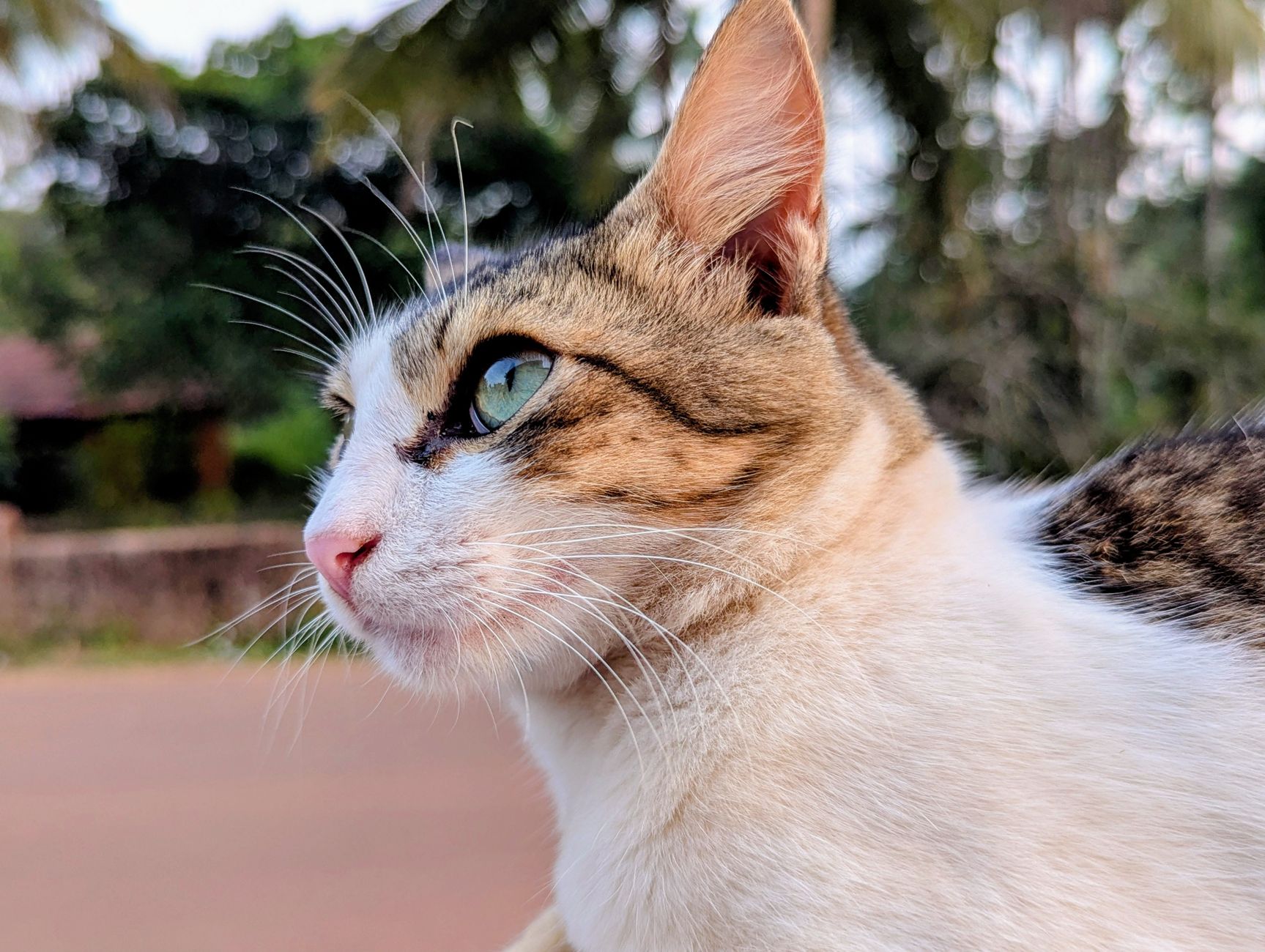
The gamma-glutamyl transferase (GGT) test is a blood marker that helps evaluate liver and biliary tract health in cats. The normal reference range for GGT in cats is 0-2 U/L. This range serves as the baseline to interpret any deviations from what would be considered typical liver function.
When interpreting GGT levels, it’s important to understand that low GGT values do not have clinical significance and are generally considered within the normal range unless there are other indicators of liver disease present. However, elevated GGT can indicate cholestasis or biliary tract involvement, which may require further investigation.
GGT should be evaluated alongside other liver enzymes such as ALP (alkaline phosphatase) and ALT (alanine transaminase). In cases where a cat is suspected of having hepatic lipidosis, it’s common to see elevated ALP levels while GGT remains within the normal range or only mildly increased. This pattern can help differentiate hepatic lipidosis from other liver diseases.
| Finding | What it may suggest | Suggested next step |
|---|---|---|
| Below the reference range | No clinical significance; within normal limits. | Monitor alongside other liver enzymes for any changes over time. |
| Above the reference range | May indicate cholestasis or biliary tract involvement; further investigation is warranted. | Consider additional tests such as ALP, bile acids, and imaging studies to assess liver function and structure. |
When GGT levels are below the reference range in cats, it is generally considered normal and does not require immediate action. However, if other signs of liver disease are present or if there is a concern about overall health, monitoring alongside other liver enzymes such as ALP and ALT can provide additional context.
In contrast, elevated GGT levels may suggest cholestasis or biliary tract involvement. This could be due to conditions like bile duct obstruction, inflammation, or certain medications that affect the biliary system. In these cases, further diagnostic steps are necessary to determine the underlying cause and appropriate treatment plan.
What Causes Low GGT Levels?
Low levels of gamma-glutamyl transferase (GGT), a marker typically associated with liver and bile duct issues, do not usually indicate any specific disease in cats. Unlike elevated GGT which can signal cholestasis or biliary tract involvement (elevated GGT and biliary disease evaluation), low GGT does not have clinical significance on its own. It is important to consider other markers like ALP when evaluating liver function, as these may provide a clearer picture of what’s happening within the body.
GGT levels are often assessed alongside ALP because they work together to give a more comprehensive view of liver health and bile flow. In cases where GGT is low but ALP remains high, it can suggest conditions like hepatic lipidosis or other non-cholestatic liver diseases (hepatocellular damage and dysfunction). Hepatic lipidosis, for instance, typically shows elevated ALP levels while GGT stays within normal limits. This condition often occurs in overweight cats that have stopped eating due to illness or stress, leading to fat accumulation in the liver.
When interpreting a blood test result with low GGT, the veterinarian will likely look at additional factors such as bilirubin and bile acids to understand if there is any underlying issue affecting liver function. These markers can help differentiate between cholestatic conditions (where bile flow is obstructed) and hepatocellular damage or dysfunction.
For example, in a cat with low GGT but elevated ALP levels, the veterinarian might also check for increased bilirubin to rule out hemolysis or impaired bilirubin clearance. Additionally, measuring bile acids can provide insight into how well the liver is processing and excreting these substances.
It’s crucial to remember that GGT reference intervals are laboratory-specific, meaning they may vary depending on the testing facility used. Therefore, it’s important for veterinarians to consult the specific reference ranges provided by the lab where the blood tests were conducted. This ensures accurate interpretation of test results and appropriate clinical decision-making.
| Marker | What it Adds | When Preferred |
|---|---|---|
| GGT | Indicates cholestasis or biliary tract involvement. | When assessing bile flow obstruction. |
| ALP | Reflects liver and bone metabolism, often elevated in hepatic lipidosis. | When GGT is normal but other signs suggest liver disease. |
| Bilirubin | Shows red blood cell breakdown and liver excretion issues. | When suspecting hemolysis or impaired bilirubin clearance. |
| Bile Acids | Measures liver’s ability to process and excrete bile acids. | When evaluating hepatocellular function directly. |
How Does Low GGT Compare to Other Liver Enzymes?

When interpreting low GGT in cats, it’s important to understand how it relates to other liver enzymes like ALP, ALT, and AST. Unlike these markers, a low GGT level has no clinical significance; however, the comparison with other enzymes can provide valuable insights into your cat’s liver health. It is crucial for veterinarians to consider the context of each enzyme’s role in diagnosing specific conditions.
GGT is primarily associated with cholestasis or biliary tract involvement. In contrast, ALP (alkaline phosphatase) also indicates cholestasis but is more commonly elevated in cats due to hepatic lipidosis and other conditions that affect bile flow. ALT (alanine transaminase) and AST (aspartate transaminase), on the other hand, are hepatocellular leakage enzymes that rise when liver cells are damaged or leak their contents into the bloodstream.
For instance, if ALP is elevated while GGT remains within normal limits, it may suggest hepatic lipidosis rather than biliary obstruction. This distinction helps guide further diagnostic steps and treatment plans tailored to your cat’s specific condition. Understanding these differences can lead to more accurate diagnoses and appropriate management strategies.
GGT levels are particularly useful in ruling out certain conditions when they remain within the reference range, especially since low GGT does not indicate any specific liver disease or dysfunction. However, it is essential for veterinarians to consider other clinical signs and laboratory findings alongside enzyme levels to make a comprehensive assessment of your cat’s health.
For example, if ALT and AST are elevated while ALP and GGT remain normal, this may suggest hepatocellular damage without significant biliary involvement. This scenario can occur in conditions such as drug-induced liver injury or viral hepatitis where direct cellular damage occurs but bile flow remains unobstructed.
| Marker | What it Adds | When Preferred |
|---|---|---|
| GGT | Indicates cholestasis or biliary tract involvement. | When suspecting bile duct issues. |
| ALP | Indicates cholestasis or hepatic lipidosis, especially in cats. | When suspecting bile flow obstruction or hepatic lipidosis. |
| ALT | Reflects hepatocellular injury, damage to liver cells. | When suspecting liver cell damage or leakage. |
| AST | Reflects hepatocellular injury but also muscle injury, less specific to the liver. | When suspecting both liver and muscle damage. |
How Should I Interpret Low GGT Levels?
When you receive a blood test result showing low GGT levels in your cat, it’s important to understand that this finding is generally not clinically significant. In cats, as with most species, decreased GGT does not indicate any specific disease or condition. The marker remains within its normal range, which means there are no immediate concerns related to liver function or bile duct issues.
However, while low GGT levels themselves do not point towards a problem, it’s crucial to consider the context of your cat’s overall health and other test results. For instance, if you’re evaluating for hepatic lipidosis, which is common in cats, you should look at ALP levels instead since they are typically elevated in this condition while GGT remains normal or only mildly raised.
When interpreting low GGT alongside other liver function tests like ALT and ALP, it’s important to ensure that these markers also fall within their respective reference ranges. If all values are within the normal range, then your cat’s liver is likely functioning well without any significant issues. However, if you notice other abnormalities in conjunction with low GGT, such as elevated bilirubin or changes in albumin levels, it may be necessary to investigate further.
| Finding | What it may suggest | Suggested next step |
|---|---|---|
| Below the reference range | No clinical significance in cats; GGT levels are typically within normal limits. | Monitor other liver function tests like ALT and ALP for any abnormalities. |
| Normal range | Indicates normal liver function in the absence of other markers being abnormal. | No further action needed if all other tests are within their reference ranges. |
| Above the reference range | Indicates potential liver or bile duct issues; further investigation is warranted. | Consult your veterinarian for a comprehensive evaluation including imaging and additional blood tests. |
Low GGT levels in cats do not typically indicate any specific health issue. However, it’s important to consider the overall context of your cat’s health status and other test results. If you notice low GGT alongside normal ALT and ALP levels, there is generally no cause for concern. Conversely, if other liver function markers are abnormal or if your cat exhibits signs such as jaundice, lethargy, or poor appetite, further investigation may be necessary.
It’s also crucial to remember that while GGT does not indicate hepatocellular leakage, it is a cholestatic marker. Therefore, any changes in other liver enzymes should be evaluated alongside clinical symptoms and additional diagnostic tests such as imaging studies (ultrasound) or bile acid testing.
In summary, low GGT levels are generally benign in cats but should always be interpreted within the context of your cat’s overall health status and other test results. If you have any concerns about your cat’s liver function, it is advisable to consult with a veterinarian for further evaluation and guidance.