Elevated ALP and GGT in Cats—Cholangitis, Lipidosis, Cancer?
Wondering what a full interpretation looks like? See a sample report →
Why Should Pet Owners Care About Elevated ALP and GGT in Cats?
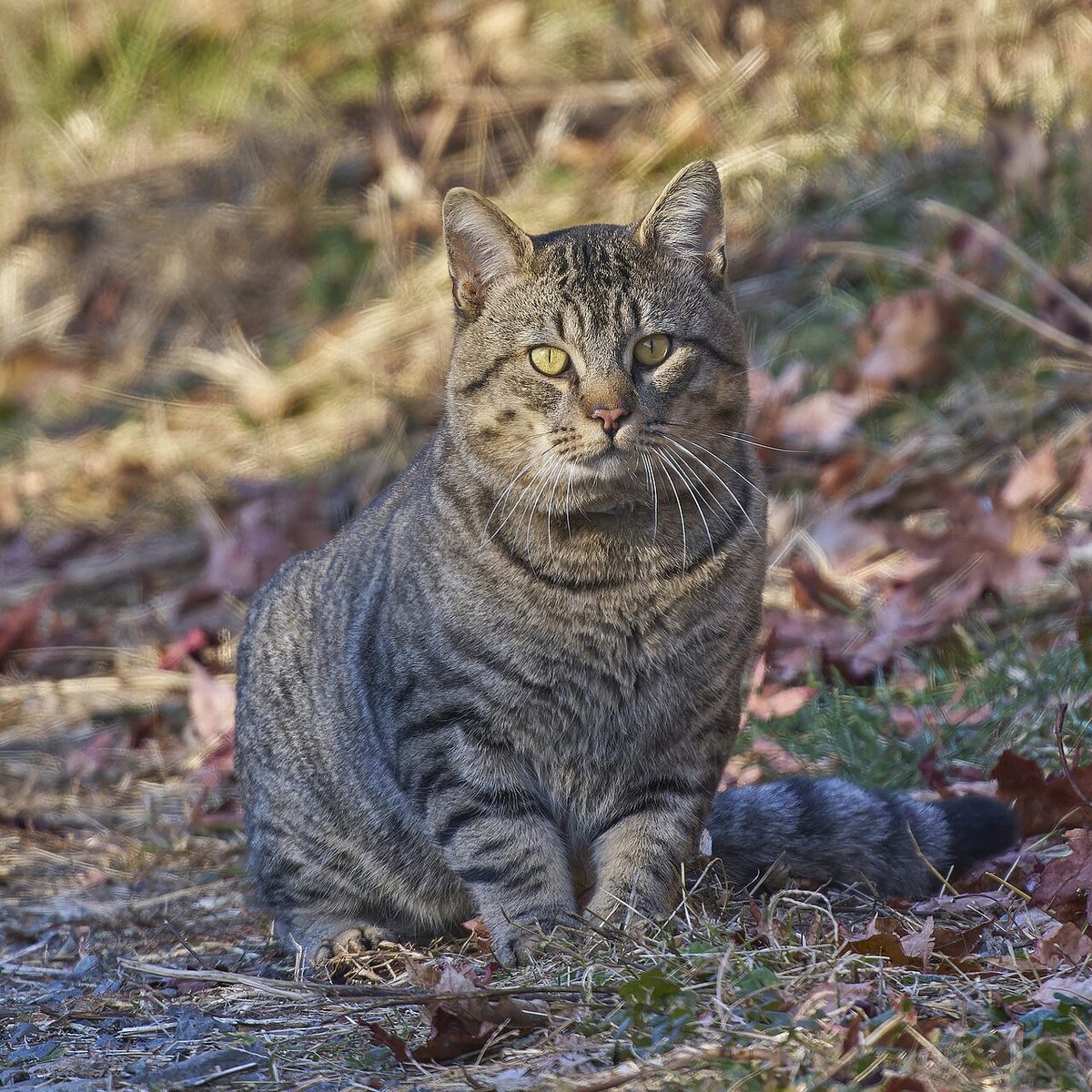
Understanding elevated ALP (alkaline phosphatase) and GGT (gamma-glutamyl transferase) levels in cats is crucial for pet owners because these enzymes can indicate serious liver conditions. ALP levels above the reference interval and GGT levels exceeding the reference interval warrant further investigation. These elevations may signal underlying issues such as cholangitis (inflammation of the bile ducts), hepatic lipidosis (fat accumulation in the liver), or even cancer. Recognizing these signs early can lead to timely intervention and better outcomes for your feline companion.
Elevated ALP and GGT levels are often associated with liver dysfunction. In cats, hepatic lipidosis is a common condition that can develop from any prolonged period of anorexia, regardless of breed. This condition can rapidly progress to liver failure if not addressed promptly. Similarly, cholangitis can cause significant liver damage and requires specific treatments to manage inflammation and infection. In some cases, elevated enzyme levels may also indicate the presence of liver tumors, which necessitate a different therapeutic approach.
Pet owners should be aware that routine blood tests can reveal these enzyme elevations, prompting further diagnostic imaging or biopsy to determine the exact cause. In cats, mirtazapine may be used to stimulate appetite, which is crucial in managing hepatic lipidosis. For inflammatory conditions like cholangitis, prednisolone is often prescribed to reduce inflammation. Early detection and treatment can significantly improve the prognosis, with some conditions being manageable if caught in the initial stages.
- Monitor your cat’s appetite and weight regularly.
- Schedule routine veterinary check-ups to catch any abnormalities early.
- Discuss any changes in behavior or health with your veterinarian promptly.
What Are ALP and GGT in Cats?

Alkaline Phosphatase (ALP) and Gamma-Glutamyl Transferase (GGT) are crucial enzymes in feline physiology, particularly in liver function. ALP is an enzyme found in various tissues, with the highest concentrations in the liver, bone, and intestines. In cats, ALP levels are considered normal between 11-49 U/L. Levels exceeding the reference interval are classified as elevated, while values above the reference interval are deemed critical. ALP plays a significant role in the breakdown of proteins and is often used as a marker for liver disease, bone disorders, and bile duct obstruction.
GGT, on the other hand, is primarily located in the liver and is involved in the transfer of amino acids and peptides across the cellular membrane. In cats, normal GGT levels range from 0-2 U/L. Levels above the reference interval are considered elevated, and those exceeding the reference interval are critical. GGT is a more specific indicator of liver disease than ALP, as it is less influenced by bone activity. Clinical experience shows that elevated GGT levels often point to cholestasis (bile flow obstruction) or hepatocellular damage.
Both ALP and GGT are integral to diagnosing liver conditions in cats, such as cholangitis, hepatic lipidosis, or cancer. Veterinary literature consistently reports that while no strong breed predilection exists for liver-related issues in cats, hepatic lipidosis can develop from any prolonged anorexia, regardless of breed. Therefore, monitoring these enzyme levels is essential for early detection and management of liver diseases. In cases where ALP and GGT are elevated, further diagnostic imaging and tests, such as ultrasound or liver biopsy, may be recommended to determine the underlying cause.
Understanding the roles of ALP and GGT in feline health is vital for pet owners and veterinarians alike. These enzymes provide valuable insights into liver function and overall health. By recognizing abnormal levels early, appropriate interventions can be implemented, potentially improving outcomes for affected cats. For more information on related liver enzyme abnormalities, you may find it helpful to explore high ALT in cats and its implications.
What Are the Normal Laboratory Reference Ranges for ALP and GGT?
Understanding the normal laboratory reference ranges for ALP (alkaline phosphatase) and GGT (gamma-glutamyl transferase) is crucial for interpreting blood test results in cats. These enzymes are often measured to assess liver function and diagnose potential liver diseases. For ALP, the normal range is 11-49 U/L. Levels above the reference interval are considered elevated, and values exceeding the reference interval are critical, indicating a need for immediate veterinary attention. In contrast, GGT levels should normally be between 0-2 U/L, with levels over the reference interval being elevated and those above the reference interval deemed critical.
Elevated ALP and GGT levels can be indicative of liver conditions such as cholangitis, hepatic lipidosis, or even cancer. However, it’s important to note that no strong breed predilection has been documented for these parameters in cats. Hepatic lipidosis, for instance, can develop from any prolonged anorexia regardless of breed. Therefore, understanding these reference ranges helps pet owners and veterinarians alike in identifying when further diagnostic testing or intervention is necessary.
| Parameter | Normal Range (U/L) | Clinical Interpretation |
|---|---|---|
| ALP | 11-49 U/L | Investigate for liver disease |
| GGT | 0-2 U/L | Consider cholestasis or hepatic lipidosis |
See the full reference intervals for the cat — every value cited to the laboratory document or paper it came from.
Elevated enzyme levels should prompt further investigation into potential liver dysfunction. Diagnostic protocols typically suggest additional tests such as ultrasound imaging or liver biopsies to determine the underlying cause. In cats, mirtazapine may be used to stimulate appetite if hepatic lipidosis is suspected, while prednisolone could be prescribed to manage inflammation in cases of cholangitis.
By understanding these reference ranges and their implications, pet owners can better engage in discussions with their veterinarians about their cat’s health. Recognizing when ALP and GGT levels are outside the normal range is a critical step in ensuring timely and effective treatment for liver-related conditions.
What Causes Elevated ALP and GGT in Cats?

Elevated levels of alkaline phosphatase (ALP) and gamma-glutamyl transferase (GGT) in cats can indicate several underlying conditions, including cholangitis, hepatic lipidosis, and cancer. Understanding the differential diagnosis is crucial for effective treatment. ALP levels above the reference interval and GGT levels exceeding the reference interval warrant further investigation, while critical levels are marked by ALP over the reference interval and GGT above the reference interval.
Cholangitis is an inflammation of the bile ducts, often leading to elevated ALP and GGT due to bile duct obstruction. This condition can result from bacterial infections or immune-mediated processes. Hepatic lipidosis, commonly known as fatty liver disease, occurs when excessive fat accumulates in liver cells, often due to prolonged anorexia. This condition is not breed-specific and can develop in any cat experiencing significant weight loss. Cancer, particularly hepatic neoplasia, can also cause elevated ALP and GGT as tumor growth disrupts normal liver function.
A comprehensive diagnostic approach is essential. This includes imaging studies, such as ultrasound, and liver biopsies to differentiate between these conditions. In cats, mirtazapine may be used to stimulate appetite in cases of hepatic lipidosis, while prednisolone is often prescribed for inflammatory conditions like cholangitis. For cancer, treatment options may include surgical intervention or chemotherapy, depending on the type and stage of the tumor.
| Condition | ALP (U/L) | GGT (U/L) | Clinical Interpretation |
|---|---|---|---|
| Cholangitis | 150 | 20 | Bile duct inflammation; consider antibiotics or steroids |
| Hepatic Lipidosis | 200 | 15 | Fat accumulation in liver; initiate nutritional support |
| Hepatic Neoplasia | 300 | 30 | Tumor growth; evaluate for surgical or chemotherapeutic options |
| Chronic Hepatitis | 180 | 25 | Liver inflammation; consider long-term management with prednisolone |
| Biliary Obstruction | 250 | 40 | Blockage in bile flow; surgical intervention may be required |
No strong breed predilection exists for these liver conditions in cats. Therefore, any cat experiencing prolonged anorexia is at risk for hepatic lipidosis. Early detection and intervention are key to improving outcomes, with median survival rates varying significantly based on the underlying cause and treatment efficacy.
How Do ALP and GGT Compare to Other Liver Enzymes?
In feline medicine, understanding the roles of different liver enzymes is crucial for diagnosing liver conditions. ALP (alkaline phosphatase) and GGT (gamma-glutamyl transferase) are often compared with ALT (alanine aminotransferase) and AST (aspartate aminotransferase) to assess liver health. ALP and GGT are primarily associated with cholestasis (bile flow obstruction), while ALT and AST are more indicative of hepatocellular damage. Elevated ALP levels above the reference interval and GGT levels above the reference interval warrant further investigation into potential liver dysfunction.
ALT is a more specific marker for liver cell injury, with levels above the reference interval indicating significant hepatocellular damage. In contrast, AST, while also elevated in liver damage, is less specific as it is found in other tissues such as muscle. Therefore, ALT is often prioritized in diagnosing liver conditions. High ALT in Cats can be a sign of liver disease, hyperthyroidism, or other systemic issues.
Combining these enzyme tests provides a more comprehensive picture of liver health. For instance, elevated ALP and GGT levels, alongside high ALT, may suggest cholangitis or hepatic lipidosis, while isolated ALT elevation might indicate primary liver cell injury. No strong breed predilection has been documented for these parameters in cats; hepatic lipidosis can develop from any prolonged anorexia regardless of breed.