Low Phosphorus in Fresh Cows — Downer Cow Syndrome Risk
Low Phosphorus in Fresh Cows — Downer Cow Syndrome Risk
Wondering what a full interpretation looks like? See a sample report →
Why Is Low Phosphorus a Concern for Fresh Cows?

The importance of phosphorus levels in fresh cows cannot be overstated, as it plays a critical role in muscle function and bone health. Normal phosphorus levels range from 4.1-7.3 mg/dL; however, values below this range can indicate potential issues such as hypophosphatemia, which is particularly concerning during the periparturient period due to its association with downer cow syndrome. This condition occurs when a cow becomes unable to rise after calving, often due to muscle weakness and poor neuromuscular function.
Evidence indicates that phosphorus levels below the reference interval are critical in fresh cows, as they can lead to severe metabolic imbalances affecting multiple organ systems. Phosphorus is essential for energy metabolism, particularly through its role in ATP production and utilization. Low phosphorus levels can disrupt these processes, leading to decreased muscle strength and coordination. Additionally, phosphorus deficiency can exacerbate calcium homeostasis issues, which are already a significant concern during the transition period due to the high demand for calcium in milk production.
Furthermore, low phosphorus levels may also contribute to anemia by impairing red blood cell function and iron metabolism. This is particularly relevant given that fresh cows often experience stress-induced anemia, making them more susceptible to additional metabolic challenges. Clinically, veterinarians should monitor phosphorus levels closely in conjunction with calcium and magnesium levels, as these minerals work synergistically to maintain proper muscle tone and neuromuscular control.
- Monitor phosphorus levels regularly during the periparturient period to prevent hypophosphatemia.
- Evaluate for signs of anemia and muscle weakness in conjunction with low phosphorus readings.
What Is Phosphorus and Why Does It Matter?
Phosphorus is a critical mineral that plays an essential role in various physiological processes within cattle, including energy metabolism, bone formation, and muscle function. Maintaining proper phosphorus levels is crucial for the overall health of fresh cows, particularly during the transition period when metabolic demands are high.
- Energy Metabolism: Phosphorus is a key component in ATP (adenosine triphosphate), which serves as the primary energy source for cellular activities. Adequate phosphorus levels ensure that cells have sufficient energy to function optimally, especially during periods of stress such as calving.
- Bone Formation: Phosphorus works alongside calcium to build and maintain strong bones in cattle. A deficiency or imbalance can lead to weakened bone structure, increasing the risk of fractures and other skeletal issues.
- Muscle Function: Phosphorus is involved in muscle contraction and relaxation through its role in ATP production and utilization. Ensuring adequate phosphorus levels helps maintain proper muscle function and reduces the likelihood of muscular disorders.
The normal range for serum phosphorus in cattle is 4.1-7.3 mg/dL, with values above the reference interval considered elevated and those exceeding the reference interval deemed critical. Elevated levels can indicate underlying health issues such as renal dysfunction or metabolic disorders that disrupt the balance of this essential mineral.
For fresh cows, maintaining phosphorus within the normal range is particularly important to prevent conditions like hypocalcemia, which can lead to downer cow syndrome. This condition involves a sudden onset of weakness and inability to rise, often due to imbalances in calcium and phosphorus metabolism during the periparturient period.
Published veterinary research has shown that monitoring phosphorus levels alongside other critical parameters such as calcium and magnesium is crucial for early detection and management of metabolic disorders in fresh cows. Ensuring optimal mineral balance can significantly reduce the risk of complications associated with calving, thereby improving overall herd health and productivity.
Normal Reference Ranges for Blood Phosphorus Levels
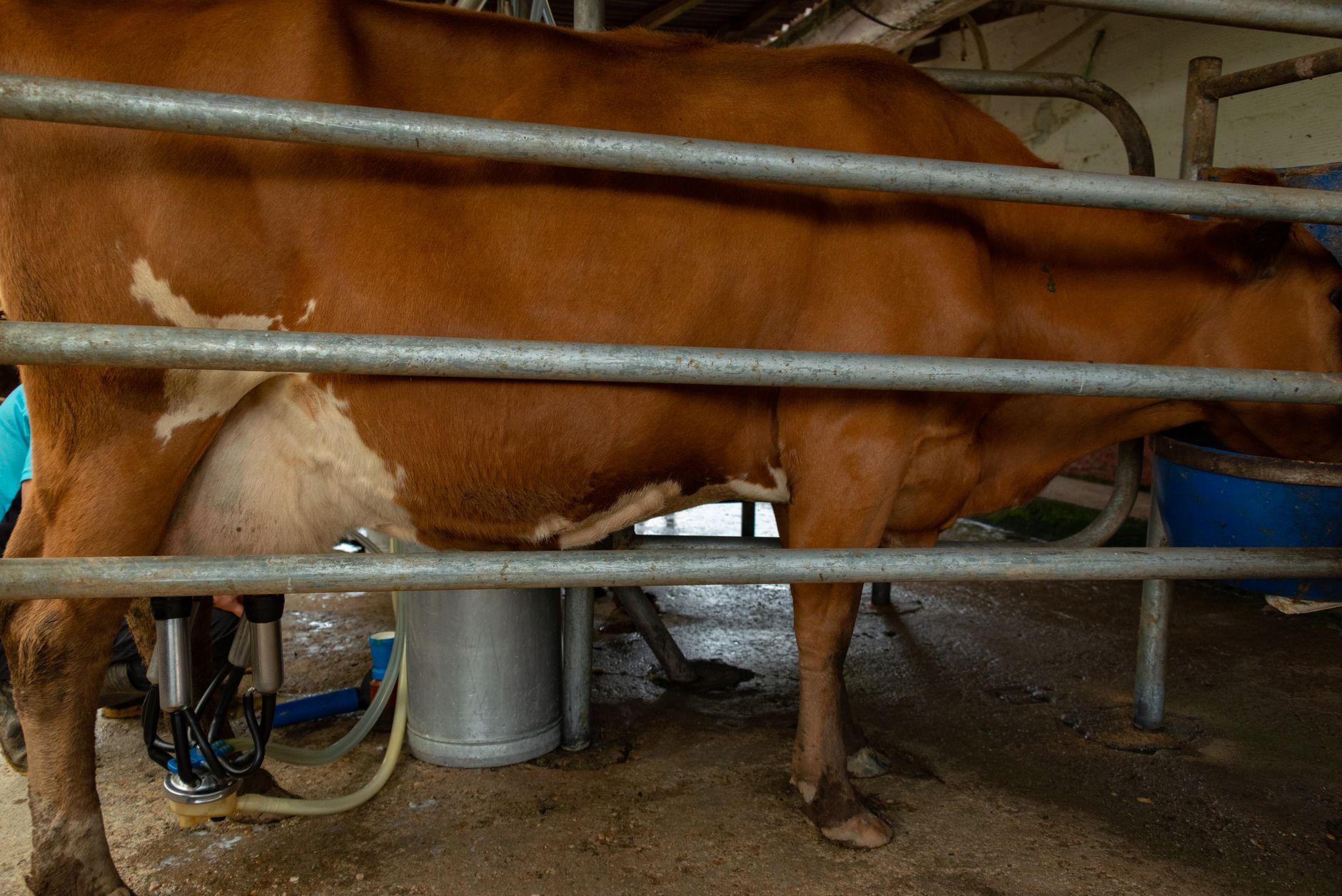
The measurement of blood phosphorus levels is crucial in veterinary medicine, particularly when assessing the health status of fresh cows. Normal reference ranges are essential to identify deviations that may indicate underlying conditions such as downer cow syndrome. According to standard veterinary practice, normal blood phosphorus levels for cattle should be within 4.1-7.3 mg/dL.
Elevated phosphorus levels (outside the reference interval) can signal a variety of metabolic disorders or renal dysfunction in cattle. Published veterinary research has shown that critical levels of phosphorus (above the reference interval) are indicative of severe pathologies and require immediate medical intervention to prevent further complications.
- Normal Phosphorus: 4.1-7.3 mg/dL
- Elevated Phosphorus (outside the reference interval): Indicates potential metabolic or renal issues, warranting further diagnostic evaluation.
- Critical Phosphorus (outside the reference interval): Urgent medical attention is required to address severe underlying conditions.
Table 1 below provides a detailed breakdown of phosphorus levels and their clinical significance in cattle:
| Phosphorus Level (mg/dL) | Clinical Interpretation |
|---|---|
| Laboratory-specific | Normal range, no immediate concern. |
| Above the reference interval | Elevated levels may indicate metabolic disorders or renal dysfunction; further investigation is recommended. |
| Above the reference interval | Critical level, indicative of severe pathologies such as renal failure or metabolic acidosis; urgent medical intervention is necessary. |
| Laboratory-specific | At the lower end of normal, may warrant monitoring in high-risk cattle (e.g., periparturient). |
| Laboratory-specific | At the upper end of normal, may indicate early signs of metabolic or renal issues; follow-up testing is advisable. |
| Laboratory-specific | Critical level, indicative of severe pathologies requiring immediate medical attention. |
See the full reference intervals for cattle — every value cited to the laboratory document or paper it came from.
What Causes Low Phosphorus Levels?

Low phosphorus levels in fresh cows can be a critical indicator of underlying metabolic disorders or dietary deficiencies. Understanding the differential diagnosis is crucial for timely intervention and management to prevent further complications such as downer cow syndrome. Published veterinary research has shown that hypophosphatemia, defined as serum phosphorus below the reference interval, can be caused by several factors including inadequate intake of dietary phosphorus, increased urinary excretion due to metabolic acidosis, or redistribution into cells during recovery from hypocalcemia.
One common cause is the mobilization of phosphorus into milk production and cellular metabolism post-partum. This can lead to a significant drop in serum levels, especially if dietary supplementation is insufficient. Additionally, metabolic acidosis from ketosis or other conditions can increase renal excretion of phosphorus, further depleting blood concentrations.
- Dietary Deficiencies: Fresh cows often face nutritional challenges post-calving due to increased milk production demands and potential feed changes. Ensuring adequate dietary phosphorus intake is essential for maintaining normal levels (4.1-7.3 mg/dL).
- Ketosis: Elevated ketone bodies can lead to metabolic acidosis, causing increased renal excretion of phosphorus. In cattle, this condition often occurs during the transition period and requires careful monitoring of blood parameters such as β-hydroxybutyrate (BHB) levels.
| Parameter | Normal Range (mg/dL) |
|---|---|
| Phosphorus | 4.1-7.3 mg/dL |
| Calcium | 8.9-10.9 mg/dL |
| BHB (β-hydroxybutyrate) | Below the reference interval |
| Creatinine | 0.4-0.9 mg/dL |
| NEFA (Non-Esterified Fatty Acids) | Below the reference interval |
| Mg (Magnesium) | 1.5-2.9 mg/dL |
| Calcium Phosphorus Ratio (Ca:P) | 2:1 to 3:1 |
How Does Phosphorus Compare with Other Blood Parameters?

Evaluating phosphorus levels in fresh cows is crucial, but it must be done alongside an assessment of other blood parameters to provide a comprehensive picture of the cow’s health status. Phosphorus, typically within the range of 4.1-7.3 mg/dL for normal values (with critical levels above the reference interval), is often compared with calcium, magnesium, and parathyroid hormone (PTH) to diagnose conditions such as downer cow syndrome.
Published veterinary research has shown that phosphorus levels are inversely related to calcium levels in fresh cows. Normal calcium levels range from 8.9-10.9 mg/dL, with critical values below the reference interval indicating severe hypocalcemia, a condition commonly seen post-partum and associated with milk fever. This relationship is crucial because low phosphorus can mask the symptoms of hypocalcemia, making it harder to diagnose.
Ad