Low Calcium in Fresh Cows — Hypocalcemia Risks
Low Calcium in Fresh Cows — Hypocalcemia Risks
Wondering what a full interpretation looks like? See a sample report →
Why Should Pet Owners Care About Low Calcium in Fresh Cows?

The importance of calcium levels in fresh cows cannot be overstated, as hypocalcemia poses significant risks to the health and productivity of dairy herds. Normal blood calcium levels for cattle range from 8.9-10.9 mg/dL; however, when these levels drop below the reference interval, it becomes a critical emergency situation that requires immediate veterinary intervention.
Hypocalcemia in fresh cows can lead to severe metabolic disorders and reduced milk production. This condition is particularly prevalent during the periparturient period when calcium demands are highest due to increased milk synthesis. Low calcium levels can cause parturient paresis, also known as milk fever, which affects Holstein-Friesian cows more frequently than other breeds due to their high milk yield.
Understanding and managing hypocalcemia is crucial for pet owners because it directly impacts the cow's ability to recover post-calving. For instance, if a dairy cow experiences severe hypocalcemia, she may exhibit symptoms such as muscle weakness, recumbency, and reduced appetite. These signs not only indicate an immediate health crisis but also signal potential long-term complications like ketosis or fatty liver syndrome, which can further compromise the animal's condition.
- Prevention: Ensuring adequate dietary calcium intake before calving is key to preventing hypocalcemia. Calcium supplementation and strategic feeding practices are widely accepted clinical guidelines recommended by veterinarians to mitigate this risk.
- Monitoring: Regular blood tests can help identify early signs of low calcium levels, allowing for timely intervention. Monitoring calcium levels alongside other parameters like NEFA (non-esterified fatty acids) and BHBA (β-hydroxybutyrate) is crucial as these indicators often correlate with energy metabolism issues that contribute to hypocalcemia.
What is Hypocalcemia in Fresh Cows?
Hypocalcemia, commonly known as milk fever, is a metabolic disorder that affects fresh cows shortly after calving. It occurs when the blood calcium level drops below the normal range of 8.9-10.9 mg/dL, reaching critical levels if it falls to less than the reference interval. Hypocalcemia is a serious condition that can lead to severe clinical signs such as muscle weakness, tremors, and in extreme cases, recumbency and death.
The physiological significance of calcium lies in its role in numerous bodily functions including muscle contraction, nerve transmission, blood clotting, and bone formation. In fresh cows, the demand for calcium increases dramatically due to the onset of lactation, which requires a significant amount of calcium for milk production. Hypocalcemia is often precipitated by inadequate dietary intake or an inability to mobilize sufficient calcium from bone reserves.
Calcium homeostasis in cows involves several mechanisms including parathyroid hormone (PTH) and vitamin D metabolites, which regulate the absorption of calcium from the intestines and its release from bones. When these regulatory systems are overwhelmed by the sudden demand for calcium post-partum, hypocalcemia ensues. This condition is not only a result of dietary deficiencies but also influenced by hormonal changes and metabolic stress associated with parturition.
- Calcium plays a critical role in muscle function; low levels can lead to weakness and tremors.
- The onset of lactation increases the demand for calcium, often exceeding what is available from diet alone.
Calcium Reference Ranges for Fresh Cows
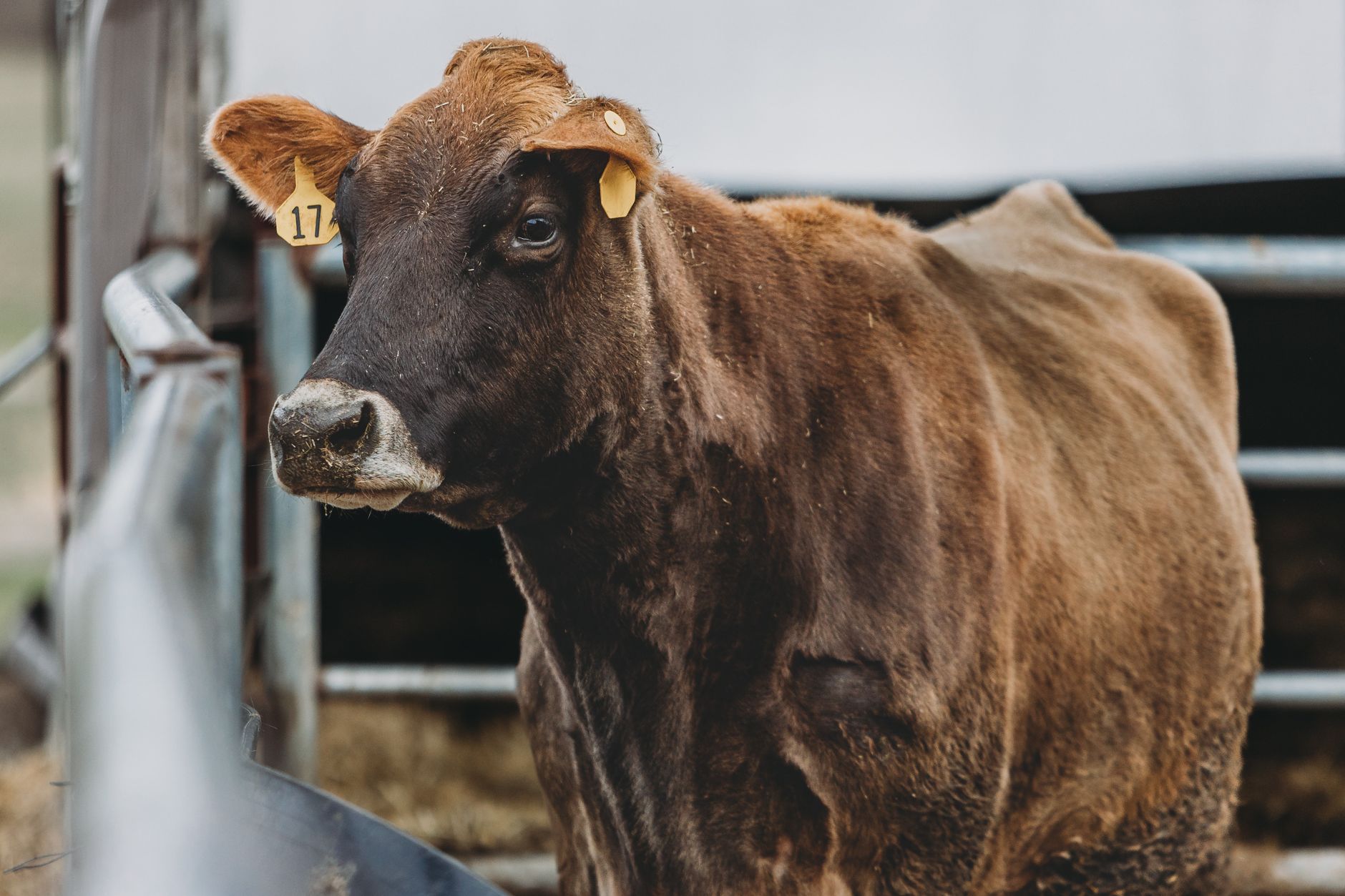
The management of fresh cows is critical to their health and productivity, particularly in preventing hypocalcemia, a condition that can lead to severe metabolic disorders. Blood calcium levels should be closely monitored during the periparturient period to ensure optimal health outcomes.
- Normal: Calcium levels for fresh cows should fall within the range of 8.9-10.9 mg/dL. This range is crucial as it indicates that the cow's metabolism and calcium homeostasis are functioning properly, reducing the risk of hypocalcemia-related issues such as milk fever.
- Elevated: Calcium levels above the reference interval may indicate an underlying condition or recent treatment with calcium supplements. While not necessarily indicative of a problem in isolation, it should prompt further investigation to rule out hypercalcemia and its potential causes.
- Critical: Levels below the reference interval are considered critical and require immediate intervention. Cows with such low levels are at high risk for clinical hypocalcemia, which can lead to severe metabolic disturbances including milk fever, reduced appetite, and decreased milk production.
It is important to note that calcium metabolism in fresh cows is highly dynamic due to the increased demand for calcium during lactation. Maintaining adequate dietary calcium intake and ensuring proper mineral balance can help prevent hypocalcemia. Additionally, early detection and management of low calcium levels are key to preventing more severe complications.
| Parameter | Normal Range (mg/dL) |
|---|---|
| Calcium | 8.9-10.9 mg/dL |
| Phosphorus (4.1-7.3 mg/dL) | 4.1-7.3 mg/dL |
| Magnesium (1.5-2.9 mg/dL) | 1.5-2.9 mg/dL |
| Alkaline Phosphatase (ALP) (27-127 U/L) | 30–180 |
| Total Protein (TP) (6.7-8.8 g/dL) | 6.0–8.0 |
| Albumin (3.3-4.3 g/dL) | 3.2–4.4 |
| Bicarbonate (HCO3-) (23-32 mmol/L) | 16–24 |
See the full reference intervals for cattle — every value cited to the laboratory document or paper it came from.
Monitoring these parameters alongside calcium levels can provide a comprehensive view of the cow's metabolic status and help in early detection of potential issues. For instance, high alkaline phosphatase (ALP) levels may indicate liver dysfunction or bone disease, while low albumin could suggest protein malnutrition or excessive loss due to kidney damage.
By adhering to these guidelines and closely monitoring calcium levels, veterinarians can effectively manage the health of fresh cows and prevent complications associated with hypocalcemia. Routine laboratory analysis often reveals trends that can be addressed before they become severe clinical issues.
What Causes Hypocalcemia in Fresh Cows?

Hypocalcemia, commonly known as milk fever or parturient paresis, is a significant concern in dairy cattle, particularly around calving. This condition occurs when the blood calcium levels drop below the reference interval of outside the reference interval, leading to muscle weakness and potentially life-threatening complications if not addressed promptly. The primary cause of hypocalcemia in fresh cows is dietary deficiency or metabolic disorders that disrupt normal calcium homeostasis.
Several factors contribute to the onset of hypocalcemia in dairy cattle. One major factor is inadequate dietary intake of calcium, especially during the transition period when demand for calcium increases dramatically due to milk production. Additionally, high-producing Holstein-Friesian cows are particularly susceptible because their rapid increase in milk yield post-calving leads to a significant rise in calcium requirements.
Another critical aspect is metabolic acidosis, which can occur as a result of ketosis or excessive mobilization of fatty acids during early lactation. This condition reduces the efficiency of calcium absorption and retention by altering parathyroid hormone (PTH) secretion and renal tubular reabsorption mechanisms. As a consequence, even if dietary calcium intake is adequate, metabolic imbalances can still lead to hypocalcemia.
- Dietary Deficiencies: Insufficient calcium in the diet or an imbalance between calcium and other minerals such as phosphorus (normal range: 4.1-7.3 mg/dL) and magnesium (1.5-2.9 mg/dL).
- Metabolic Disorders: Conditions like ketosis, which can lead to metabolic acidosis and disrupt normal calcium metabolism.
| Parameter | Normal Range (mg/dL) |
|---|---|
| Calcium | 8.9-10.9 mg/dL |
| Phosphorus | 4.1-7.3 mg/dL |
| Magnesium | 1.5-2.9 mg/dL |
| Bicarbonate | 23-32 mmol/L |
| β-Hydroxybutyrate (BHB) | Below the reference interval |
| Non-Esterified Fatty Acids (NEFA) | Below the reference interval |
The table above outlines the normal ranges, action thresholds, and critical levels for key parameters associated with hypocalcemia in fresh cows. Monitoring these values can help identify early signs of metabolic disturbances that may lead to hypocalcemia.
How Does Calcium Compare to Other Blood Parameters?
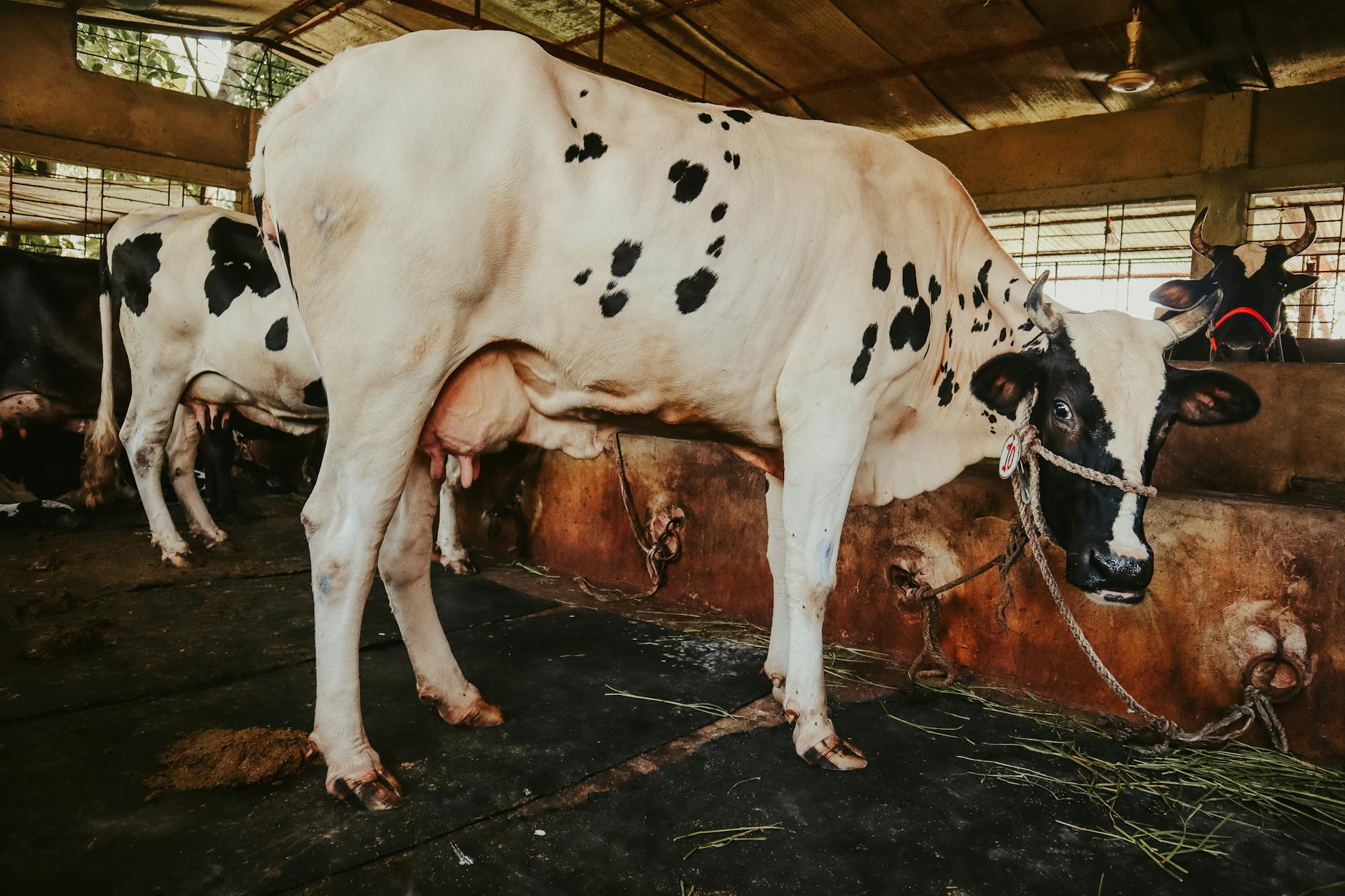
The calcium level in cattle is a critical indicator of metabolic health, particularly during the periparturient period. Normal serum calcium levels range from 8.9-10.9 mg/dL; however, values below the reference interval are considered critically low and indicative of hypocalcemia or milk fever (hypocalcemia). This condition is particularly prevalent in high-producing dairy breeds like H