Regenerative Anemia in Ferrets — Insulinoma or Aleutian Disease?
Regenerative Anemia in Ferrets — Insulinoma or Aleutian Disease?
Wondering what a full interpretation looks like? See a sample report →
Why Should Ferret Owners Care About Regenerative Anemia?
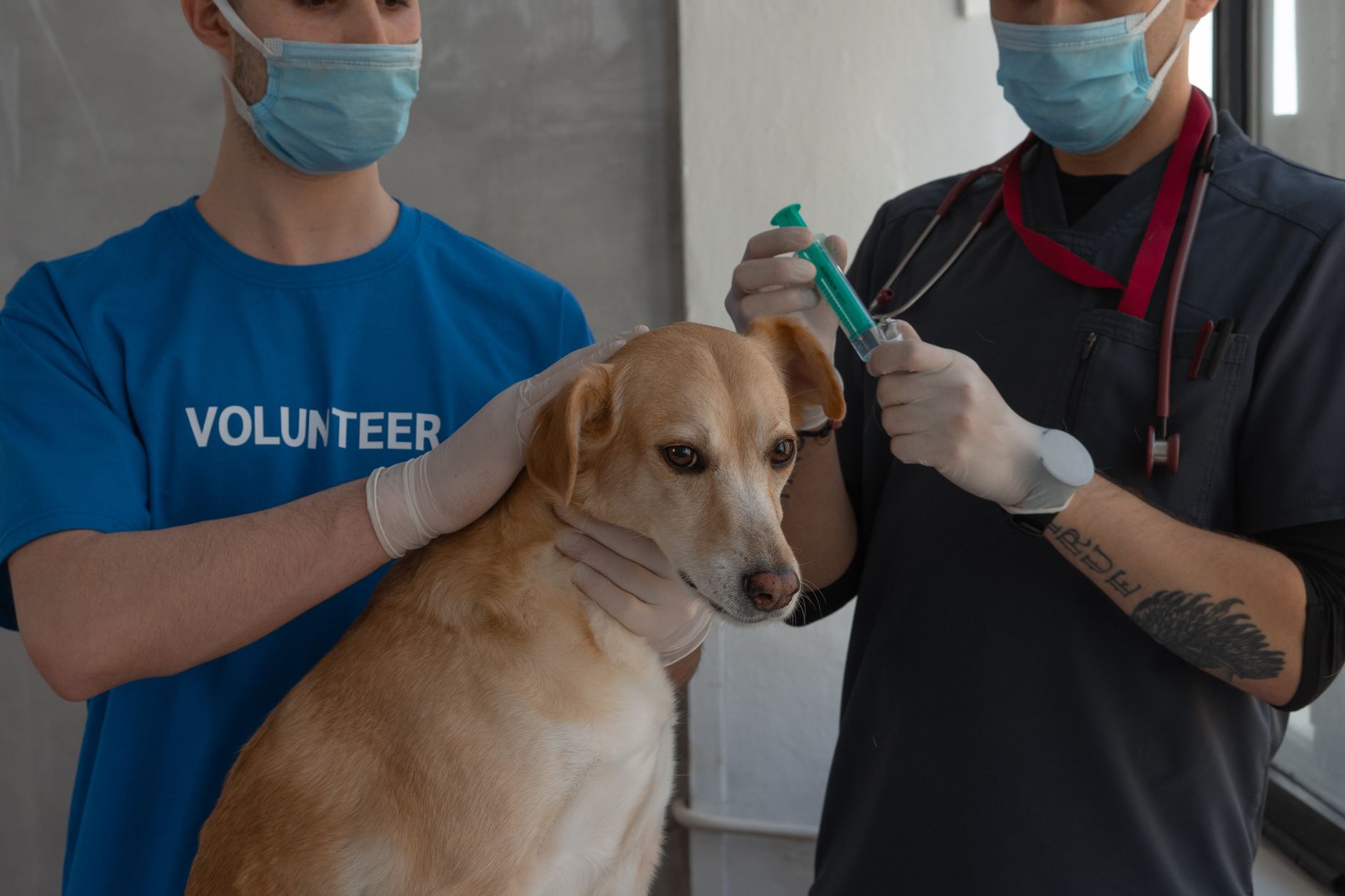
Regenerative anemia in ferrets is a critical condition that requires prompt attention from owners and veterinarians alike. This type of anemia, characterized by the body’s response to produce new red blood cells (RBCs) as a compensatory mechanism for lost or damaged ones, can indicate underlying health issues such as insulinoma or Aleutian disease. Understanding regenerative anemia is crucial because it often serves as an early warning sign for more serious conditions that could impact a ferret’s quality of life and longevity.
Recognizing the signs of regenerative anemia can lead to timely diagnosis and intervention. For instance, if a ferret exhibits symptoms such as lethargy, pale gums, or rapid breathing, these may be indicative of blood loss or hemolysis (destruction of red blood cells). A complete blood count (CBC) is essential in diagnosing regenerative anemia; it will show elevated reticulocyte counts and increased levels of immature RBCs known as polychromasia. These findings suggest that the bone marrow is actively responding to produce new RBCs, which is a hallmark of regenerative anemia.
Regenerative anemia can be caused by various conditions in ferrets, including insulinoma and Aleutian disease. Insulinoma, a common endocrine disorder in older ferrets, leads to hypoglycemia due to excessive insulin production from pancreatic tumors. This condition often results in anemia because the body’s response to low blood sugar can lead to increased RBC destruction or decreased bone marrow function. On the other hand, Aleutian disease is a parvovirus infection that primarily affects the immune system and can cause chronic inflammation and anemia. Both conditions require immediate veterinary attention as they can significantly impact a ferret’s health.
Monitoring for regenerative anemia in ferrets should be part of routine wellness checks, especially for older animals or those showing signs of illness. Early detection allows for more effective management and treatment options, potentially improving the prognosis for these conditions. For example, insulinoma can often be managed with dietary changes and medications such as mirtazapine to regulate blood sugar levels, while Aleutian disease may require supportive care and antiviral therapy.
What Is Regenerative Anemia?
Regenerative anemia in ferrets is a condition characterized by a decrease in red blood cell (RBC) count, hemoglobin concentration, and hematocrit levels, accompanied by increased reticulocyte counts. This indicates that the bone marrow is actively responding to the anemia by producing new RBCs at an accelerated rate. Regenerative anemia can be identified through a complete blood count (CBC) test, which measures various parameters of the blood.
In ferrets, regenerative anemia typically manifests with reticulocyte counts above the reference interval in adults and higher percentages in younger animals. The bone marrow response is evident as early as one week after the onset of anemia, leading to a rise in reticulocytes within this timeframe. This physiological aspect of blood cell production is crucial for diagnosing underlying causes such as chronic blood loss or hemolysis.
- Chronic Blood Loss: Persistent bleeding from gastrointestinal ulcers or other sources can lead to iron deficiency anemia, which the body attempts to correct by increasing RBC production. This results in elevated reticulocyte counts and a regenerative response.
- Hemolysis: Conditions such as autoimmune hemolytic anemia (AIHA) cause premature destruction of red blood cells, prompting the bone marrow to produce more RBCs to compensate for this loss. The presence of spherocytes or Heinz bodies on a blood smear can indicate intravascular hemolysis.
Understanding regenerative anemia is essential in differentiating between acute and chronic causes. For instance, if a ferret presents with high reticulocyte counts alongside normal glucose levels (62.5-207 mg/dL), it may suggest that the anemia is not directly related to insulinoma but rather another cause such as hemolysis or blood loss. Conversely, if the glucose level is critically elevated (outside the reference interval) and accompanied by regenerative anemia, insulinoma could be a contributing factor.
Laboratory Reference Ranges for Blood Parameters in Ferrets
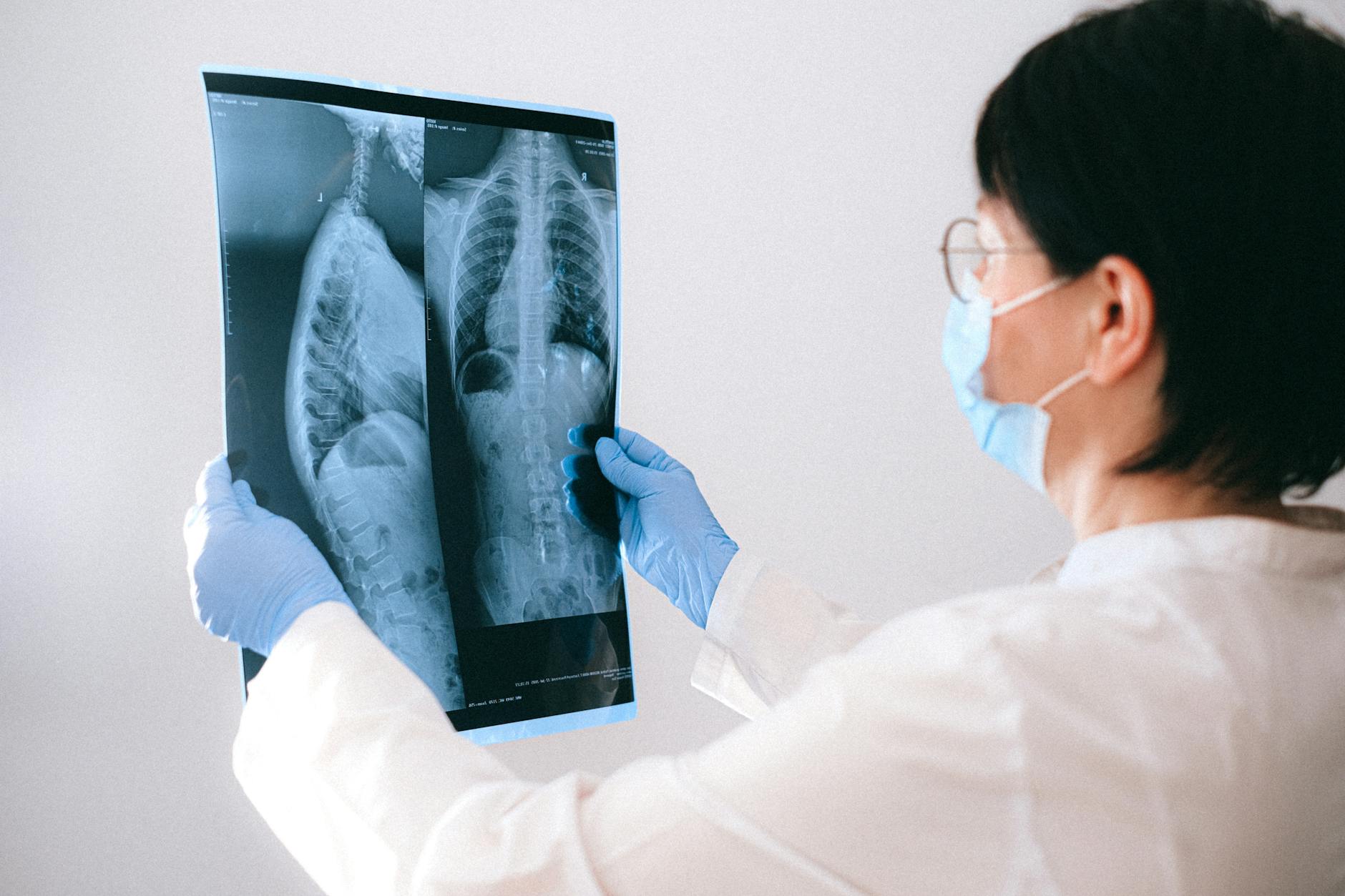
Accurate interpretation of blood parameters is crucial for diagnosing regenerative anemia, insulinoma, and Aleutian disease in ferrets. This section provides a comprehensive table with normal reference ranges for key blood parameters relevant to these conditions.
- Complete Blood Count (CBC): CBC results can indicate the presence of regenerative anemia through increased reticulocyte counts or changes in red blood cell indices. Normal values vary by age and sex, but significant deviations from baseline should prompt further investigation.
- Glucose Levels: Glucose levels are critical for diagnosing insulinoma. According to standard veterinary practice, normal glucose levels range between 62.5-207 mg/dL in ferrets. Elevated levels (outside the reference interval) may suggest stress or diabetes, while critically high levels (outside the reference interval) require immediate intervention.
- Liver Enzymes (ALT): Abnormal ALT levels can indicate liver damage associated with Aleutian disease. Normal ALT levels in ferrets range from 54-289 U/L, while elevated (outside the reference interval) and critical (outside the reference interval) levels warrant further diagnostic workup.
The following table summarizes the reference ranges for key blood parameters relevant to diagnosing regenerative anemia, insulinoma, and Aleutian disease in ferrets:
| Parameter | Normal Range (Unit) |
|---|---|
| Glucose (mg/dL) | 62.5-207 mg/dL |
| ALT (U/L) | 54-289 U/L |
| BUN (mg/dL) | 10-45 mg/dL |
| Phosphorus (mg/dL) | 4-10.1 mg/dL |
| Calcium (mg/dL) | 8-11.8 mg/dL |
| Creatinine (mg/dL) | 0.2-1 mg/dL |
| Iron (µg/dL) | Laboratory-specific |
See the full reference intervals for the ferret — every value cited to the laboratory document or paper it came from.
Note that these reference ranges are specific to ferrets and should be used in conjunction with clinical signs and other diagnostic tests for accurate diagnosis.
Causes of Regenerative Anemia in Ferrets: Insulinoma or Aleutian Disease?

Regenerative anemia in ferrets can be a symptom of several underlying conditions, including insulinoma and Aleutian disease. Understanding the differential diagnosis between these two conditions is crucial for accurate treatment planning. Regenerative anemia indicates that the bone marrow is actively responding to correct low red blood cell levels by producing new cells.
Insulinoma, a common endocrine disorder in ferrets over three years of age, can lead to hypoglycemia and subsequent anemia due to chronic stress on the body. Insulinomas cause excessive insulin secretion, leading to low glucose levels (normal range: 62.5-207 mg/dL). This hypoglycemia can trigger a cascade of physiological responses that include anemia. In contrast, Aleutian disease is a parvovirus infection that primarily affects the immune system and can cause chronic inflammation leading to regenerative anemia.
Diagnostic protocols typically suggest evaluating both glucose levels and liver enzymes when differentiating between these conditions. Elevated ALT (outside the reference interval) may indicate liver damage associated with Aleutian disease, while normal or slightly elevated ALT is more consistent with insulinoma. Additionally, monitoring kidney markers such as BUN can provide further clues: elevated BUN (outside the reference interval) might suggest dehydration or renal impairment secondary to chronic illness.
| Condition | Glucose (mg/dL) | ALT (U/L) | BUN (mg/dL) |
|---|---|---|---|
| Insulinoma | Below the reference interval | Normal or slightly elevated | Normal to mildly elevated |
| Aleutian Disease | Variable, often normal | Elevated (above the reference interval) | Normal to elevated |
| Healthy Ferret | Laboratory-specific | Below the reference interval | Laboratory-specific |
| Chronic Kidney Disease | Variable, often normal | Elevated (above the reference interval) | Above the reference interval |
| Hepatic Lipidosis | Variable, often normal | Elevated (above the reference interval) | Normal to elevated |
How Do Blood Parameters Differ Between Insulinoma and Aleutian Disease?

Evaluating blood parameters is crucial in distinguishing between insulinoma and Aleutian disease in ferrets. Both conditions can present with regenerative anemia, but the underlying causes and associated laboratory findings differ significantly.
- Glucose Levels: In ferrets with insulinoma, glucose levels are typically chronically low, often falling below the normal range of 62.5-207 mg/dL. Conversely, Aleutian disease does not directly affect blood glucose levels; however, secondary complications such as kidney damage can lead to elevated BUN and creatinine.
- Liver Enzymes (ALT): Elevated ALT is more commonly associated with liver inflammation or damage in Aleutian disease. ALT levels above the reference interval indicate significant hepatic involvement, whereas insulinoma typically does not cause marked changes in liver enzymes.
- Kidney Markers (BUN): Elevated BUN is a hallmark of kidney dysfunction and can be seen in both conditions. However, the underlying causes differ: high BUN in insulinoma may result from dehydration or concurrent illness, while Aleutian disease often leads to chronic renal impairment due to persistent viremia.
| Parameter | Insulinoma (Normal Range) | Aleutian Disease (Normal Range) |
|---|---|---|
| Glucose | 62.5-207 mg/dL | Normal range; elevated due to secondary complications. |
| ALT | 54-289 U/L | Above the reference interval indicating liver damage; normal range otherwise. |
| BUN | 10-45 mg/dL | Above the reference interval due to chronic renal impairment; normal range otherwise. |
The differentiation between these two conditions relies heavily on a comprehensive evaluation of clinical signs, laboratory results, and imaging studies. Understanding the specific blood parameter changes can guide appropriate diagnostic testing and treatment strategies for each condition.
How to Interpret Blood Test Results for Regenerative Anemia?
Regenerative anemia in ferrets can be indicative of several underlying conditions, such as insulinoma or Aleutian disease. Understanding the blood test results is crucial for accurate diagnosis and treatment planning. A complete blood count (CBC) should be conducted to assess red blood cell parameters, along with glucose levels and liver enzymes.
When interpreting CBC results, focus on indicators of regenerative anemia such as reticulocyte counts, which should be elevated if the body is actively producing new red blood cells. Normal ranges for reticulocytes in ferrets vary by age and health status but typically indicate a response to anemia when above the reference interval. Additionally, mean corpuscular volume (MCV) may be normal or slightly increased due to the production of larger immature red blood cells.
Glucose levels are also critical for differentiating between insulinoma and Aleutian disease. In ferrets with insulinoma, glucose levels tend to be persistently low (outside the reference interval), while in Aleutian disease, glucose levels may fluctuate but often remain within the normal range (62.5-207 mg/dL). A fasting blood glucose test is essential for confirming chronic hypoglycemia associated with insulinoma.
Reference intervals for the parameters discussed above, as published in the source panel for the ferret:
| Parameter | Reference interval (ferret) |
|---|---|
| Glucose | 62.5-207 mg/dL |
| ALT | 54-289 U/L |
| BUN | 10-45 mg/dL |
| Creatinine | 0.2-1 mg/dL |
Are There Breed or Age Differences in Regenerative Anemia?

Coat color in ferrets does not predispose to any documented blood-parameter abnormality. Clinical patterns are species-level and most often relate to age (insulinoma and adrenal disease are typical in ferrets >3 years). Regenerative anemia is more commonly observed in older ferrets, particularly those over three years of age, due to the increased prevalence of chronic conditions such as insulinoma or Aleutian disease. These conditions can lead to significant blood loss and hemolysis, necessitating a robust bone marrow response.
Age-related changes in hematopoietic function may also contribute to regenerative anemia in older ferrets. As ferrets age, their bone marrow’s ability to produce new red blood cells (RBCs) can diminish, making them more susceptible to developing anemia when faced with chronic diseases that cause ongoing RBC destruction or loss. For instance, insulinoma—a common endocrine disorder in middle-aged and senior ferrets—can lead to hypoglycemic episodes that may trigger stress-induced hemolysis.
- Insulinoma: This condition is characterized by the presence of pancreatic tumors that secrete excessive amounts of insulin, leading to chronic hypoglycemia. In older ferrets with regenerative anemia, a thorough evaluation for insulinoma should be considered if there are concurrent signs such as lethargy, weakness, or seizures.
- Aleutian Disease: Caused by the Aleutian virus (ADV), this condition primarily affects the immune system and can lead to chronic inflammation and anemia. In ferrets with regenerative anemia, especially those showing signs of weight loss, diarrhea, or neurological symptoms, testing for ADV should be prioritized.
When evaluating a ferret for regenerative anemia, it is crucial to consider the animal’s age and any known health conditions. If a young ferret (<3 years) presents with regenerative anemia, other causes such as infectious diseases or nutritional deficiencies should also be explored. For older ferrets, routine blood work including a complete blood count (CBC), glucose levels, liver enzymes, and kidney markers can provide valuable insights into the underlying cause of anemia.
In summary, while coat color does not influence the likelihood of regenerative anemia in ferrets, age is a significant factor. Older ferrets are more prone to developing this condition due to chronic diseases that affect blood cell production or lead to hemolysis. Early detection and appropriate management of these underlying conditions can significantly improve outcomes for affected animals.
Frequently Asked Questions
How can regenerative anemia in ferrets be distinguished from non-regenerative anemia?
Regenerative anemia, characterized by a high reticulocyte count and low mean corpuscular volume (MCV), suggests active bone marrow response to blood loss or hemolysis. In contrast, non-regenerative anemia indicates the bone marrow is not responding adequately, often due to chronic disease, nutritional deficiencies, or bone marrow disorders. A complete blood count (CBC) can help differentiate between these types of anemia.
What are the typical clinical signs of insulinoma in ferrets?
Ferrets with insulinoma may exhibit symptoms such as lethargy, weakness, trembling, and seizures due to hypoglycemia. These episodes often occur after fasting or during periods of stress. Glucose and insulin measured together during a hypoglycaemic episode support the diagnosis.
How does Aleutian disease affect liver enzymes in ferrets?What are the typical clinical signs of insulinoma in ferrets?
Ferrets with insulinoma may exhibit symptoms such as lethargy, weakness, trembling, and seizures due to hypoglycemia. These episodes often occur after fasting or during periods of stress. Glucose and insulin measured together during a hypoglycaemic episode support the diagnosis.
How does Aleutian disease affect liver enzymes in ferrets?
Aleutian disease (ADV) is a parvovirus infection that primarily affects the immune system and can lead to chronic inflammation and damage to various organs, including the liver. Elevated ALT levels above the reference interval indicate liver involvement, which is consistent with ADV progression.
What dietary considerations are important for ferrets with regenerative anemia?
Ferrets with regenerative anemia should be fed a diet rich in iron and vitamin B12 to support red blood cell production. Foods high in these nutrients include lean meats, poultry, fish, and fortified cereals. It is crucial to consult with a veterinarian for personalized dietary recommendations.
What medications are commonly used to manage insulinoma in ferrets?What medications are commonly used to manage insulinoma in ferrets?
In managing insulinoma, glucocorticoids like prednisolone and diazoxide can be prescribed. Prednisolone helps stabilize blood glucose levels by reducing the effects of excessive insulin secretion, while diazoxide directly inhibits insulin release from pancreatic beta cells.
How often should a ferret with regenerative anemia have follow-up blood tests?
Frequent monitoring is essential for assessing treatment efficacy and adjusting medications as needed. Typically, recheck intervals are every 4 to 6 weeks initially, then adjusted based on clinical response and stability.
What emergency signs should owners watch for in ferrets with regenerative anemia?
Symptoms such as pale gums, rapid breathing, weakness, or collapse indicate severe anemia requiring immediate veterinary attention. These signs suggest inadequate oxygen delivery to tissues due to low red blood cell count.
Are there breed-specific differences in the presentation of insulinoma and Aleutian disease?
Ferrets have only one recognized domestic breed; therefore, no specific coat color or genetic predisposition exists for these conditions. However, age-related factors play a significant role, with older ferrets being more susceptible to both diseases.
How can owners monitor their ferret’s health at home?
Maintaining detailed records of your pet’s daily activities and any changes in behavior or appetite is crucial. Regularly checking for signs like lethargy, weight loss, or unusual eating habits can help identify issues early.
Sources & Further Reading
This article draws on the following authoritative veterinary references. For your pet’s individual case, consult a licensed veterinarian.
- Merck Veterinary Manual — comprehensive clinical reference for veterinary practice
- WSAVA Global Guidelines — World Small Animal Veterinary Association
- Veterinary Clinical Pathology — clinical pathology research and case studies