High Glucose in Cattle – Ketosis and Metabolic Disease Markers
Wondering what a full interpretation looks like? See a sample report →
Why Should You Care About High Glucose in Cattle?
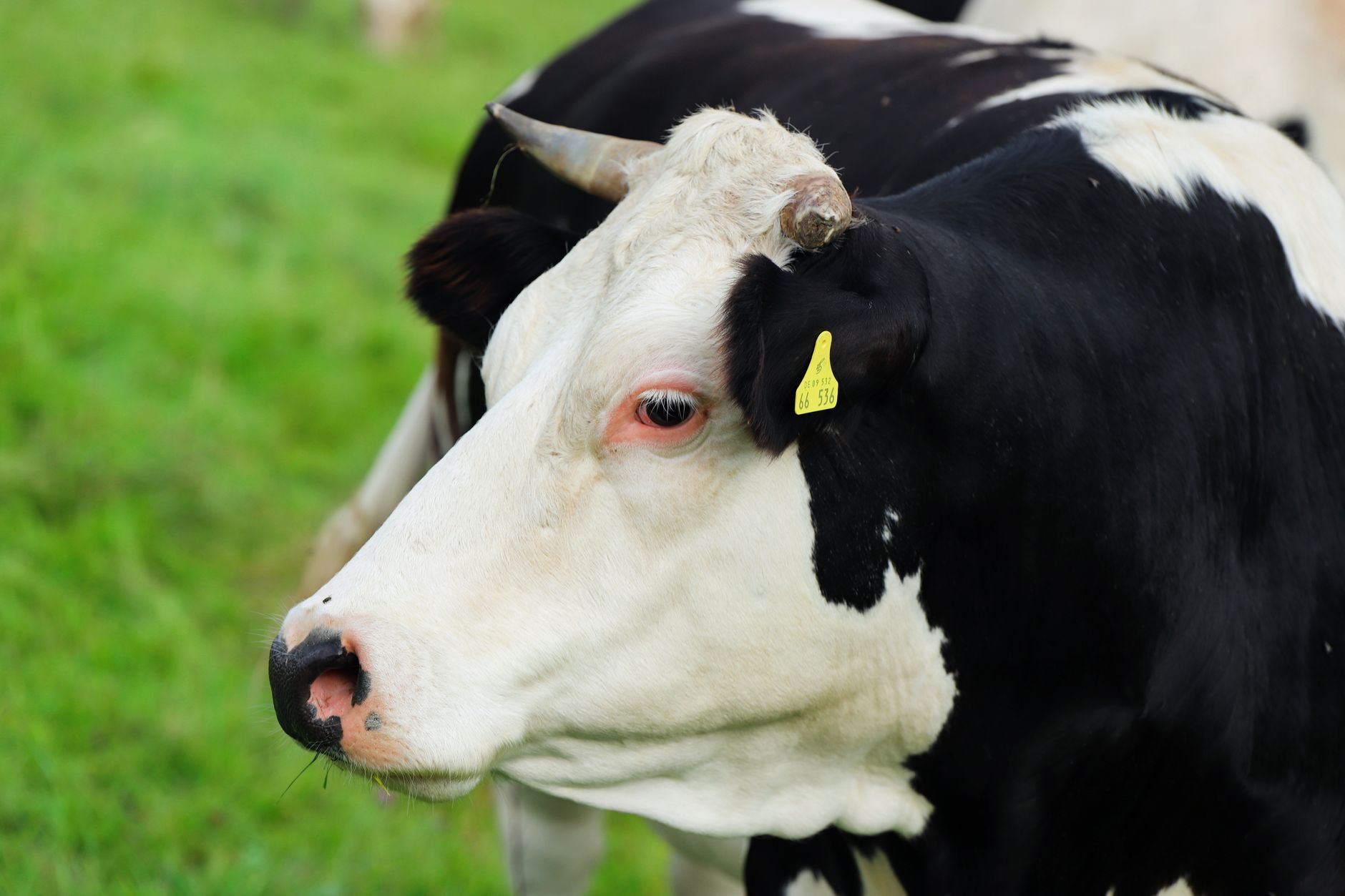
High glucose levels, also known as hyperglycemia, can be a sign of serious health issues in cattle. This is particularly important because elevated blood sugar can indicate conditions like diabetes mellitus or stress responses that affect the animal’s overall well-being and productivity. Hyperglycemia not only impacts the immediate health status but also has long-term implications for herd management and economic outcomes.
In cattle, high glucose levels are often associated with metabolic disorders such as ketosis during the transition period around calving. Ketosis occurs when cows cannot meet their energy needs through normal metabolism and start breaking down fat for fuel, leading to an accumulation of ketone bodies like β-hydroxybutyrate (BHB). This condition can significantly impact milk production and overall health. For example, a cow suffering from ketosis may experience reduced appetite, decreased milk yield, and lethargy, all of which contribute to economic losses due to lower productivity.
Other causes of high glucose in cattle include stress responses triggered by environmental factors or management practices. For instance, extreme weather conditions such as heat stress can elevate blood sugar levels temporarily. Additionally, changes in feeding routines, transportation, and other stressful events can also lead to hyperglycemia. Furthermore, persistent high glucose readings may indicate underlying metabolic disturbances like hyperadrenocorticism (Cushing’s disease), which requires prompt veterinary attention.
It is crucial for owners to monitor their cattle closely when glucose levels are elevated because these signs could indicate underlying metabolic disturbances that require prompt veterinary attention. Early intervention can help prevent further complications and improve the animal’s recovery chances. For example, timely treatment of ketosis with dietary modifications and supportive care can significantly reduce the duration and severity of clinical symptoms.
Monitoring blood glucose levels is essential for maintaining herd health and productivity. Regular screening allows farmers to identify potential issues early on, enabling them to implement corrective measures before conditions worsen. This proactive approach not only enhances animal welfare but also contributes to better economic outcomes by reducing treatment costs and improving overall herd performance.
What is Blood Glucose?
Blood glucose, also known as blood sugar, is a critical component in energy metabolism and regulation within cattle. It serves as the primary source of fuel for cells throughout the body, particularly brain tissue which relies solely on glucose for its energy needs. In ruminants like cows, maintaining stable blood glucose levels is essential to support milk production, growth, and overall health.
Glucose enters the bloodstream primarily through dietary carbohydrates that are broken down into simple sugars during digestion. The hormone insulin plays a key role in regulating glucose uptake by cells and storage as glycogen in the liver and muscles. Conversely, glucagon helps release stored glucose when blood sugar levels drop too low. This intricate balance ensures that cattle have sufficient energy to meet their metabolic demands while avoiding harmful spikes or drops in blood glucose.
Understanding how glucose functions within a cow’s body is crucial for interpreting blood test results accurately. Elevated or decreased glucose levels can indicate underlying health issues such as diabetes mellitus, stress responses, or other metabolic disorders that affect the animal’s ability to regulate its energy supply effectively. Monitoring these changes alongside other clinical signs and laboratory findings helps veterinarians diagnose conditions like ketosis during the transition period in dairy cows.
For example, a cow experiencing negative energy balance due to high milk production may show decreased blood glucose levels as her body mobilizes fat stores for energy, leading to elevated ketone bodies. This scenario is common around calving and can be detected through routine blood tests that measure both glucose and ketones. In affected cattle, the combination of low glucose and high ketone levels often points towards metabolic acidosis and requires prompt intervention.
Moreover, fluctuations in blood glucose are not only indicative of disease but also reflect dietary management and nutritional status. For instance, a sudden increase in grain intake can cause hyperglycemia as the cow’s system adjusts to processing more carbohydrates than usual. Conversely, inadequate nutrition or prolonged fasting can lead to hypoglycemia.
Given these dynamics, veterinarians often recommend regular monitoring of blood glucose levels alongside other metabolic markers such as insulin and ketone bodies in high-risk cattle populations like periparturient dairy cows. This comprehensive approach aids in early detection and management of metabolic diseases that can significantly impact productivity and welfare.
Laboratory Reference Ranges for Cattle Glucose Levels

Understanding the normal glucose levels in cattle is crucial for diagnosing metabolic disorders such as ketosis and hypoglycemia. The reference range for glucose in cattle is 57-79 mg/dL. This range provides a baseline to evaluate whether an animal’s blood sugar level is within a healthy range.
Glucose levels can vary based on the cow’s physiological state, particularly during lactation or pregnancy when energy demands are high. Elevated glucose levels may indicate conditions such as ketosis, which often occurs in transition cows due to metabolic stress and reduced feed intake. In these cases, monitoring glucose alongside other markers like beta-hydroxybutyrate (BHB) can provide a clearer picture of the cow’s metabolic status.
When interpreting glucose results, it is important to consider the animal’s overall health and clinical signs. For example, high glucose levels coupled with reduced feed intake, dullness, or weight loss may suggest ketosis or other metabolic issues. Conversely, low glucose levels could indicate conditions like sepsis or insulinoma, which require immediate veterinary attention.
It is also important to note that the reference range for glucose can vary slightly between different laboratories and testing methods. Therefore, it is crucial to use the specific reference ranges provided by the laboratory where the test was conducted. This ensures accurate interpretation of the results in the context of the individual animal’s health status.
Additionally, monitoring trends over time can be more informative than a single measurement. For instance, if glucose levels are consistently elevated during lactation periods but return to normal post-lactation, this could indicate a transient metabolic issue related to increased energy demands. Conversely, persistent high or low glucose levels outside of these contexts may suggest chronic conditions that require further investigation and management.
| Parameter | Normal Range |
|---|---|
| Glucose | 57-79 mg/dL |
See the full reference intervals for cattle — every value cited to the laboratory document or paper it came from.
What Causes High Blood Glucose in Cattle?
High blood glucose, also known as hyperglycemia, can be a sign of several conditions in cattle. One common cause is ketosis, which often occurs during the transition period around calving when cows are under metabolic stress and may not eat enough to meet their energy needs. This condition leads to an increase in ketone bodies like β-hydroxybutyrate (BHB) as the body starts breaking down fat for fuel, but it also affects glucose metabolism. Ketosis typically manifests with reduced feed intake, weight loss, decreased milk yield, and a general state of dullness or lethargy.
Another significant cause of high blood glucose is hyperadrenocorticism, a hormonal disorder where excessive cortisol production disrupts normal metabolic processes. Cortisol can increase blood sugar levels by promoting gluconeogenesis and inhibiting insulin action. This condition often presents alongside other signs such as weight loss, poor appetite, reduced milk yield, lethargy, and in some cases, pica (eating non-food items like dirt or wood). Hyperadrenocorticism is a serious condition that requires prompt veterinary intervention to manage cortisol levels effectively.
Additionally, stress responses in cattle can elevate glucose levels temporarily. Stress triggers the release of epinephrine (adrenaline), which increases blood sugar to provide energy for a fight-or-flight response. While this is a normal physiological reaction, chronic or severe stress can lead to persistent hyperglycemia. Common stressors include transportation, environmental changes, and social conflicts within the herd.
Other less common causes of high blood glucose in cattle may include infections (such as mastitis), certain medications that interfere with insulin function, and genetic predispositions. Infections often cause systemic inflammation which can lead to increased gluconeogenesis and reduced insulin sensitivity. Medications like glucocorticoids used for anti-inflammatory purposes can also disrupt normal metabolic pathways leading to hyperglycemia.
| Cause | Mechanism | Typical Signs |
|---|---|---|
| Ketosis | Metabolic stress leads to increased ketone production and altered glucose metabolism. | Reduced feed intake, weight loss, decreased milk yield, dullness. |
| Hyperadrenocorticism | Excessive cortisol disrupts insulin action and promotes gluconeogenesis. | Weight loss, poor appetite, reduced milk yield, lethargy. |
| Stress Response | Epinephrine release increases blood sugar for energy mobilization. | Temporary elevation in glucose levels, often associated with acute stressors like handling or transport. |
How Does High Blood Glucose Compare to Other Parameters?

High blood glucose, often observed in cattle during metabolic stress such as ketosis or early pregnancy, can provide crucial clues when interpreted alongside other key markers. For instance, elevated glucose levels may indicate a shift towards fat mobilization and energy deficit, which is commonly associated with the presence of ketone bodies like β-hydroxybutyrate (BHB). In the context of transition cows, high BHB coupled with increased glucose suggests metabolic adaptation to meet the heightened energy demands during lactation onset. This combination can be indicative of a cow’s body transitioning from using carbohydrates as its primary energy source to relying more heavily on fat reserves.
When assessing liver function in cattle with elevated blood glucose, it is essential to consider enzymes like AST and ALT. These markers can rise significantly if there is fatty infiltration or damage to the liver cells, which often occurs alongside ketosis. A markedly elevated AST or ALT above the reference range/31-58 U/L, for example, might suggest hepatocellular injury due to fat accumulation or metabolic stress. This elevation in enzyme levels indicates that the liver’s ability to maintain normal function is compromised.
Additionally, monitoring total bilirubin and albumin can offer further insights into the liver’s synthetic capacity and overall health status. Bilirubin levels that rise above the reference range indicate impaired bile excretion, which could be a sign of cholestasis or severe hepatocyte damage. Conversely, low albumin below the reference range, often seen in conjunction with high glucose, points to hypoalbuminemia due to liver dysfunction or protein loss. This combination can suggest that the cow’s body is struggling to maintain normal protein levels and overall metabolic balance.
It is important for veterinarians to understand how these markers interact and what they signify when elevated together. For example, a cow with high glucose and BHB but normal AST and ALT might be in an early stage of ketosis where the liver has not yet been significantly affected. However, if AST and ALT are also elevated along with high glucose and BHB, it suggests that the metabolic stress is causing significant damage to the liver cells.
| Marker | What it Adds | When Preferred |
|---|---|---|
| β-hydroxybutyrate (BHB) | Indicates fat mobilization and energy deficit. | During transition period or ketosis. |
| AST | Reflects hepatocellular injury and fat accumulation. | When liver function is suspected to be compromised. |
| ALT | Indicates hepatocellular damage and metabolic stress. | In cases of suspected fatty liver syndrome or ketosis. |
| Total Bilirubin | Shows impaired bile excretion and cholestasis. | When liver synthetic capacity is in question. |
| Albumin | Reflects protein synthesis and overall health status. | To assess liver function and hypoalbuminemia risk. |
How Should You Interpret Elevated Glucose Levels in Cattle?
Elevated glucose levels, also known as hyperglycemia, can be a cause for concern in cattle. When the glucose level is above the reference range, it indicates that there may be an underlying issue affecting your cow’s metabolism or insulin regulation. Hyperglycemia can occur due to various reasons such as stress, hormonal imbalances, or metabolic disorders like ketosis and fatty liver syndrome.
In cattle, hyperglycemia often correlates with the transition period around calving when cows are at risk of developing conditions like ketosis or hypocalcemia. During this time, changes in diet and energy demands can disrupt normal glucose metabolism. For instance, a cow that is off feed, has reduced rumination, or shows signs of weakness may be experiencing metabolic stress leading to elevated blood sugar levels.
When interpreting an elevated glucose level, it’s important to consider the clinical context and other laboratory findings. High glucose alongside ketones (such as β-hydroxybutyrate) suggests a state of energy deficit where the cow is breaking down fat for fuel, which can be indicative of periparturient hypoglycemia or ketosis. Additionally, if liver enzymes like GGT are also elevated, it may point towards fatty liver syndrome.
| Finding | What it may suggest | Suggested next step |
|---|---|---|
| Above the reference range | Metabolic stress, ketosis, or fatty liver syndrome | Consult a veterinarian to assess overall health and dietary needs. |
| Markedly elevated with ketones present | Periparturient hypoglycemia or ketosis | Immediate veterinary intervention for supportive care and dietary adjustments. |
| Elevated with high liver enzymes | Fatty liver syndrome or metabolic disorder affecting the liver | Further diagnostic tests and dietary management under veterinary guidance. |
| Elevated with no ketones but off feed | Stress or other metabolic imbalance | Evaluate recent changes in diet and environment, seek veterinary advice. |
| Elevated with signs of dehydration | Possible underlying infection or systemic illness | Immediate veterinary examination and supportive care. |
When glucose levels are above the reference range, it’s crucial to look at other clinical signs and laboratory results. For example, if a cow is off feed, has reduced rumination, or shows signs of weakness alongside elevated glucose, this could indicate metabolic stress due to ketosis or fatty liver syndrome. In such cases, further evaluation by a veterinarian is necessary.
Additionally, the presence of ketones in conjunction with high glucose levels can be indicative of periparturient hypoglycemia or ketosis, especially during the transition period around calving. Immediate veterinary intervention may be required to provide supportive care and dietary adjustments to manage these conditions effectively.
If elevated glucose is observed alongside high liver enzymes like GGT, it suggests a metabolic disorder affecting the liver, such as fatty liver syndrome. In this scenario, further diagnostic tests and dietary management under veterinary guidance are essential for proper treatment.
Are There Breed or Age Differences in Glucose Levels?
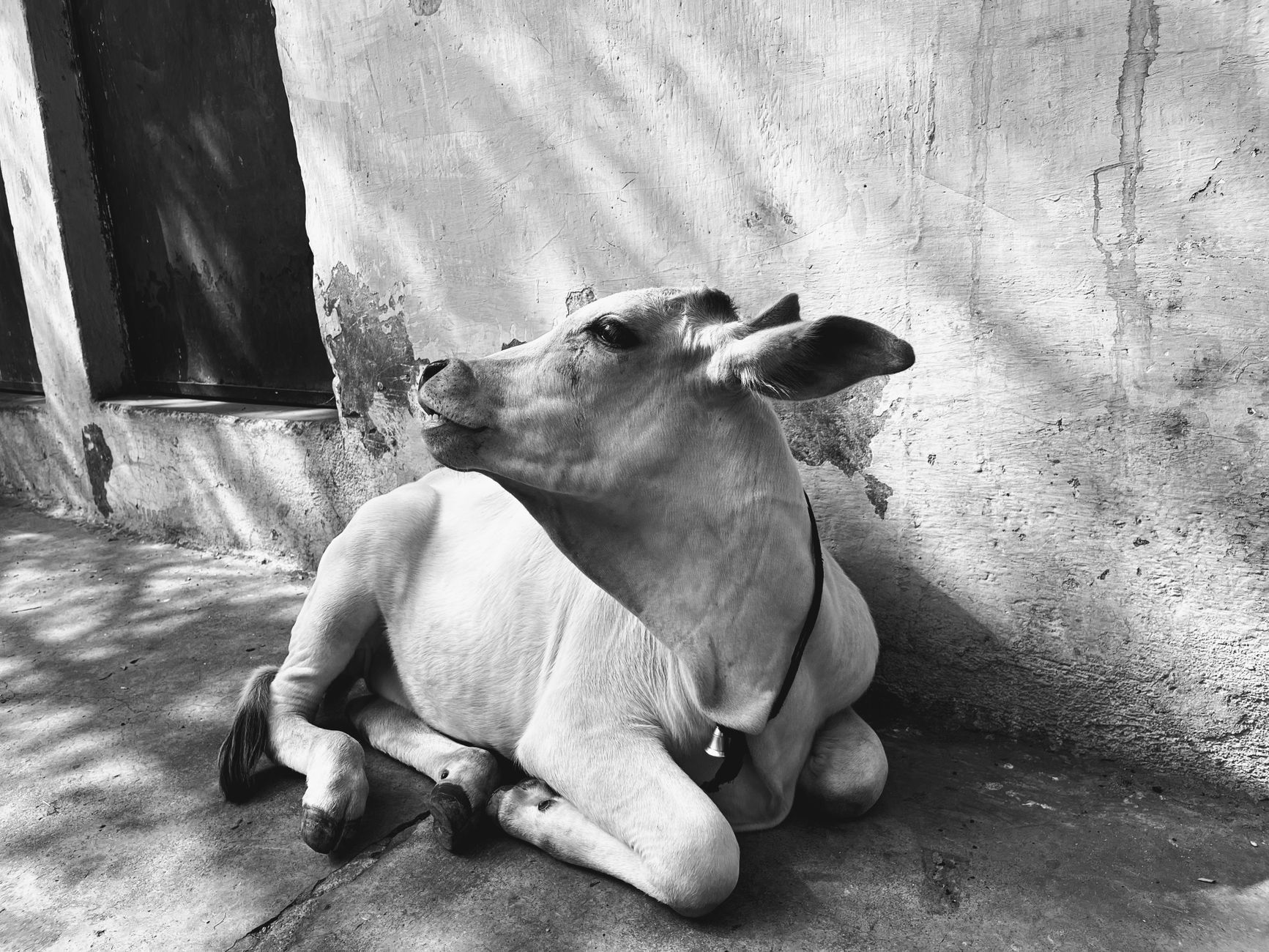
When evaluating glucose levels in cattle, breed and age can play a role, but these factors are generally less significant than production stage, nutritional status, and overall herd management. For instance, Holstein-Friesian cows, known for their high milk production, may experience metabolic challenges like ketosis post-calving due to the energy demands of lactation. However, this is more about the physiological stress of milk production rather than a breed-specific predisposition.
Age-related changes in glucose levels are also subtle and less pronounced compared to other factors such as pregnancy or nutritional status. Younger cattle might show slight variations in glucose metabolism due to growth demands, but these differences do not typically lead to clinically significant deviations from the reference range. In older cattle, particularly those nearing the end of their productive life, glucose regulation can be affected by chronic conditions like reduced kidney function, which may indirectly influence blood sugar levels. Additionally, as cattle age, they might experience a decline in insulin sensitivity, leading to higher baseline glucose levels even without overt metabolic disease.
It’s important for owners to monitor changes in feed intake and overall health status rather than focusing on breed or age alone when assessing glucose levels. If a cow shows signs such as off-feed behavior, reduced milk yield, or appears dull and weak, these could indicate underlying metabolic issues that warrant veterinary attention regardless of the animal’s specific breed or age. For example, a sudden drop in feed intake can be an early sign of ketosis, which is more commonly associated with high-producing dairy cows but can occur across various breeds under stress.
What is the Treatment Approach for High Blood Glucose?
High blood glucose, also known as hyperglycemia, can be a sign of several underlying conditions in cattle. It is important to address high blood glucose promptly because it may indicate metabolic disorders such as diabetes mellitus or ketosis, which are common issues during the transition period for dairy cows. Hyperglycemia can lead to serious complications if left untreated, including reduced milk production, impaired fertility, and increased susceptibility to infections.
The treatment approach for high blood glucose depends on identifying the root cause. For instance, if hyperglycemia is associated with ketosis, a condition often seen in early lactating dairy cows, management focuses on correcting energy imbalances and supporting liver function. This can involve dietary adjustments to increase energy intake, such as adding more concentrates or using specific feed supplements that enhance glucose utilization. Additionally, providing supplemental fat sources like rumen-protected fats may help improve energy status.
When dealing with high blood glucose, it is crucial to monitor the cow’s clinical signs closely. These may include reduced milk yield, off-feed behavior, dullness, and weight loss. Regular follow-up blood tests can help track progress and adjust treatment as needed. For example, if ketosis is suspected, measuring β-hydroxybutyrate (BHB) levels alongside glucose can provide a clearer picture of the cow’s metabolic status. Monitoring these markers over time allows for timely intervention to prevent further complications.
In cases where hyperglycemia persists despite dietary changes and supportive care, more aggressive interventions may be necessary. This could include administering insulin therapy under veterinary supervision or using medications that improve glucose tolerance. It is also important to address any underlying infections or inflammation that might contribute to metabolic disturbances.
| Marker | What it Adds | When Preferred |
|---|---|---|
| Glucose | Identifies metabolic disturbances such as ketosis or diabetes mellitus. | During transition period and early lactation. |
| BHB | Assesses ketone levels, indicating energy deficit or metabolic stress. | When glucose is elevated and ketosis is suspected. |
| Insulin | Evaluates insulin levels to assess for diabetes mellitus. | When glucose is persistently high and ketosis has been ruled out. |
Summary of Key Points on Cattle Glucose Levels
Understanding glucose levels in cattle is crucial because they can indicate a range of metabolic and health issues. Elevated glucose, or hyperglycemia, often points to conditions like diabetes mellitus, stress responses, or hormonal imbalances such as hyperadrenocorticism. Conversely, low glucose, or hypoglycemia, may signal severe systemic infections, insulin excess from tumors, or critical neonatal states.
Glucose levels are particularly important during the transition period when cows move from late pregnancy to early lactation. This phase is marked by significant metabolic changes that can lead to ketosis and other energy-related disorders if not managed properly. For example, a cow transitioning into lactation might experience a sudden drop in blood glucose due to increased milk production demands, which can trigger the mobilization of fat stores leading to elevated levels of non-esterified fatty acids (NEFA) and β-hydroxybutyrate (BHB). Monitoring glucose alongside markers like BHB and NEFA provides a more comprehensive picture of the cow’s metabolic status. Elevated BHB levels above the reference range indicate ketosis, while high NEFA levels suggest excessive mobilization of body fat reserves.
When interpreting glucose levels, it’s essential to consider clinical signs such as reduced feed intake, decreased milk yield, dullness, or weakness. These symptoms often accompany abnormal glucose readings and indicate that further investigation is needed. A veterinarian may recommend additional tests like blood ketone measurement, liver enzyme assessment, or a complete blood count (CBC) to pinpoint the underlying cause. For instance, if a cow exhibits signs of reduced appetite and lethargy alongside elevated BHB levels, it could suggest an advanced stage of ketosis requiring immediate intervention.
It is also important to note that glucose reference ranges can vary based on the laboratory equipment used and the specific population being tested. Therefore, any interpretation should be made in conjunction with the cow’s clinical signs and other metabolic markers. For example, while a normal glucose level might fall within 57-79 mg/dL, variations around this range could still indicate significant health issues depending on the context.
Frequently Asked Questions
What does high glucose mean in cows?
High glucose levels may indicate conditions like diabetes mellitus or metabolic stress responses such as those triggered by epinephrine, especially during periods of significant physical or emotional strain.
Why would my cow have low blood sugar?
Low blood sugar can be linked to severe infections, certain tumors like insulinomas, newborn calves, toy breeds, or improper storage of blood samples before testing.
How does ketosis affect glucose levels?
Ketosis often leads to increased glucose production due to mobilization of fat stores, which can elevate blood glucose levels even though the animal might appear weak or unwell.
Is high glucose always related to diabetes?
While diabetes can cause high glucose, other factors like stress, hormonal changes, or dietary issues also contribute to elevated glucose without being diabetic.
When should I worry about high glucose in dairy cattle?
Worry when high glucose persists alongside symptoms like decreased appetite, poor milk production, or lethargy, indicating underlying health concerns beyond normal fluctuations.
Does breed matter for glucose levels?
Production stage, age, and management practices are more influential than breed; Holsteins and Jerseys show specific patterns around calving and post-partum care respectively.
Should I check liver enzymes with high glucose?
Liver enzyme tests (AST, ALP) can help assess overall liver function, which could be compromised in cases where high glucose indicates metabolic disorders.
Are there any immediate actions needed for high glucose?
Immediate action depends on severity and associated symptoms; consult your vet who will guide further diagnostics and treatment based on comprehensive assessment.
How long after a stressful event do glucose levels normalize?
Glucose levels usually stabilize within hours to days following removal of stressors, depending on the individual’s recovery capacity and ongoing management.
What causes sudden spikes in glucose?
Sudden spikes may result from acute stress events, illness onset, abrupt diet changes, or medication effects requiring prompt veterinary evaluation.
Is it common for glucose levels to fluctuate daily?
Daily variations occur due to feeding schedules, activity levels, and physiological states but significant persistent changes warrant investigation by a veterinarian.
Sources & Further Reading
This article draws on the following authoritative veterinary references. For your pet’s individual case, consult a licensed veterinarian.
- Merck Veterinary Manual — comprehensive clinical reference for veterinary practice
- ACVIM Consensus Statements — American College of Veterinary Internal Medicine