Rising SDMA in Sheep — Early Renal Disease
Wondering what a full interpretation looks like? See a sample report →
Why Rising SDMA Levels in Sheep Matter for Kidney Health

Rising symmetric dimethylarginine (SDMA) levels in sheep are a critical indicator of declining kidney function. When SDMA is above the reference range, it suggests that the kidneys are struggling to filter waste products from the blood effectively. This elevation can occur before traditional markers like creatinine show changes, making SDMA an early warning sign for renal disease.
In ruminants such as sheep, rising SDMA levels often correlate with clinical signs of kidney impairment. Owners might notice their animals separating from the flock, showing reduced appetite and rumination, appearing dull or weak, experiencing diarrhea, or even becoming recumbent. These symptoms can be subtle at first but become more pronounced as renal function deteriorates further. For example, a sheep that was previously active and engaged with its peers may suddenly show signs of lethargy and isolation.
When SDMA levels are elevated, veterinarians consider several factors to determine the underlying cause of kidney damage. Parasite infestations, particularly those involving Haemonchus contortus, can lead to anemia and subsequent stress on the kidneys. Copper toxicity is another common issue in sheep, affecting liver function and indirectly impacting renal health through metabolic pathways. Additionally, nutritional imbalances or dehydration can exacerbate kidney strain. For instance, a lack of adequate water intake during hot weather conditions can significantly increase the risk of dehydration and subsequent kidney damage.
To further investigate elevated SDMA levels, veterinarians may order additional tests such as a complete blood count (CBC), urinalysis, and measurement of other serum markers like creatinine and BUN. These tests help to confirm the extent of renal impairment and guide treatment decisions tailored to the specific needs of each animal. For example, if a CBC reveals anemia, it could indicate that Haemonchus contortus is contributing to kidney stress.
The importance of early detection through SDMA testing cannot be overstated. Early intervention can significantly improve outcomes and quality of life for affected sheep. By identifying renal issues before they become severe, veterinarians can implement appropriate treatments such as deworming medications, dietary adjustments, or fluid therapy to support kidney function.
What is Symmetric Dimethylarginine (SDMA)?
Symmetric dimethylarginine, or SDMA, is a biomarker that helps veterinarians assess kidney function in sheep. Unlike traditional markers like blood urea nitrogen (BUN) and creatinine, which can be influenced by factors such as protein intake and muscle mass, SDMA levels are more stable and directly reflect glomerular filtration rate (GFR), the measure of how well the kidneys filter waste from the blood. This stability makes SDMA a reliable indicator for early detection of kidney disease.
SDMA is produced in all cells but primarily filtered out by the kidneys. When kidney function declines, less SDMA is cleared from the bloodstream, leading to an increase in its concentration. Elevated SDMA levels can indicate that the glomeruli are not functioning properly and may be damaged or inflamed. This makes SDMA a sensitive indicator of early renal disease before other markers become elevated. In sheep, monitoring SDMA can help detect kidney issues at an earlier stage when intervention may be more effective.
While SDMA provides valuable information about kidney health, it should not be interpreted in isolation. A comprehensive evaluation includes assessing BUN and creatinine levels alongside SDMA to get a full picture of renal function. Additionally, veterinarians consider clinical signs such as reduced feed intake, dullness, or weight loss that might indicate underlying kidney problems. For example, if a sheep exhibits persistent lethargy and decreased appetite along with rising SDMA levels, it may be indicative of early-stage chronic kidney disease (CKD). Early detection through regular monitoring can lead to timely intervention and management strategies to slow the progression of renal disease.
Laboratory Reference Ranges for SDMA in Sheep
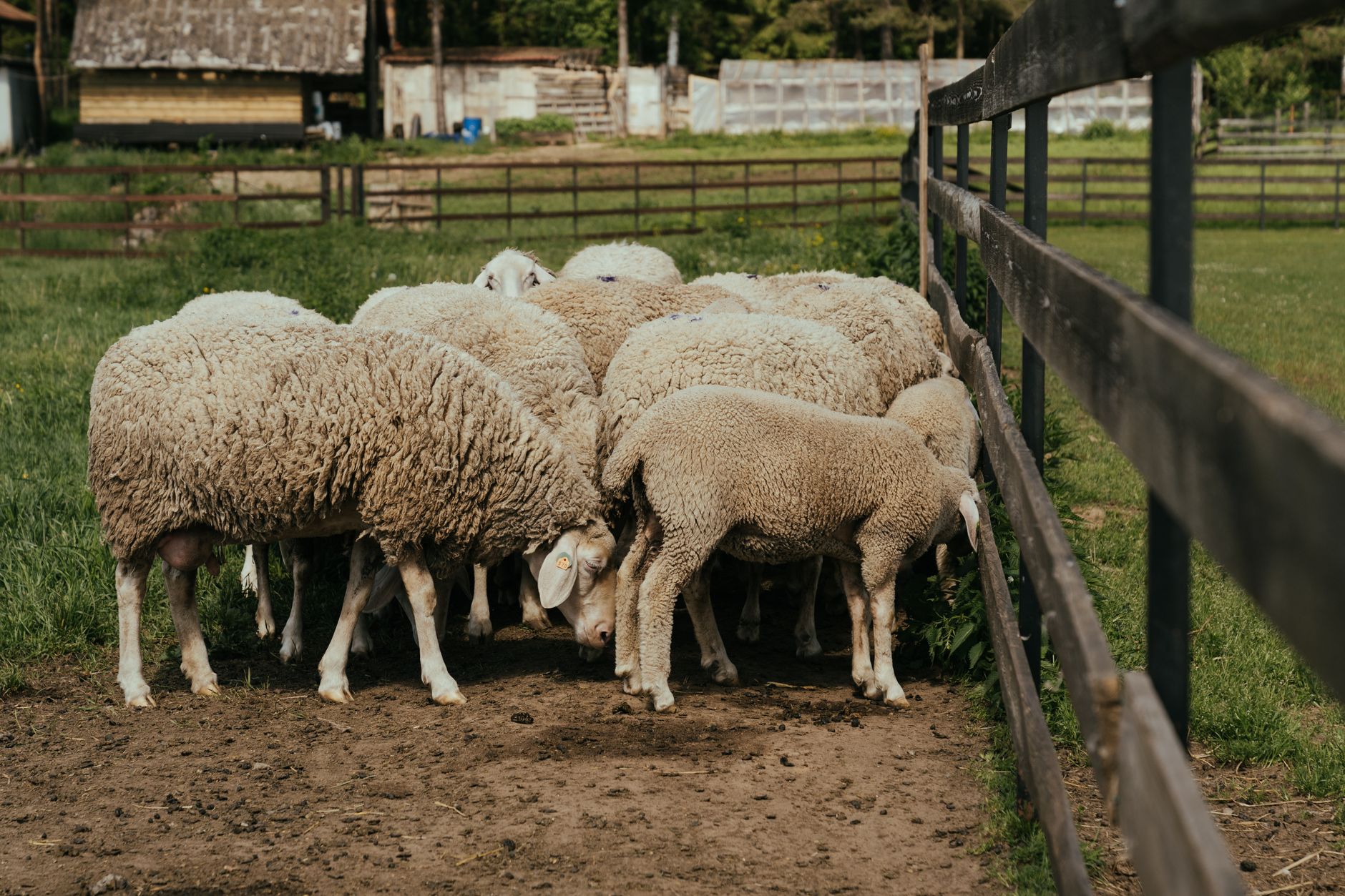
The symmetric dimethylarginine (SDMA) test is a valuable tool for assessing kidney function in sheep. It provides an early indication of renal impairment, making it particularly useful for monitoring the health of older or chronically ill animals. The normal reference range for SDMA in sheep helps veterinarians interpret results accurately and determine if further investigation is necessary.
SDMA levels can rise before changes are seen in other kidney markers like creatinine, offering a sensitive measure of early renal disease. When interpreting SDMA results, it’s important to consider the animal’s overall health status, including hydration, diet, and any medications that could affect kidney function.
| Finding | What it may suggest | Suggested next step |
|---|---|---|
| Below the reference range for SDMA in sheep | This could indicate an acute condition affecting kidney function, such as dehydration or severe illness. | Further diagnostic tests should be conducted to determine the underlying cause and assess hydration status. |
| Within the reference range for SDMA in sheep | This suggests normal kidney function, but ongoing monitoring is still important, especially in older or chronically ill animals. | Routine follow-up and continued observation are recommended to ensure the animal remains healthy. |
| Above the reference range for SDMA in sheep | This may indicate early-stage kidney disease or other conditions affecting renal function, such as chronic dehydration. | Further diagnostic workup including a complete blood count (CBC), urinalysis, and possibly imaging studies should be considered to evaluate the extent of any potential damage. |
See the full reference intervals for sheep — every value cited to the laboratory document or paper it came from.
Understanding SDMA levels in sheep is crucial for early detection of kidney issues. If an animal’s SDMA level is above the reference range, it suggests that there may be some degree of renal impairment or other factors affecting kidney function. This could include chronic dehydration, which can occur during hot weather or when animals are not drinking enough water.
When SDMA levels rise, veterinarians often look at additional markers such as creatinine and BUN to get a more comprehensive picture of the animal’s health status. These tests help determine if there is an acute issue like dehydration or a chronic condition that requires long-term management.
In cases where SDMA levels are elevated, it’s important for owners to work closely with their veterinarian to develop a plan that addresses any underlying issues and monitors kidney function over time. This might include dietary changes, increased hydration support, and regular blood tests to track progress and adjust treatment as needed.
How Does SDMA Compare with Other Kidney Markers?
When evaluating kidney function in sheep, several markers are commonly used to assess renal health. Symmetric dimethylarginine (SDMA) is a newer marker that offers unique advantages over traditional indicators like blood urea nitrogen (BUN) and creatinine. SDMA is less affected by muscle mass and protein intake, making it particularly useful for early detection of kidney disease in animals with varying body conditions.
BUN and creatinine are well-established markers but have limitations when it comes to diagnosing early renal impairment. BUN can be influenced by factors such as dehydration or gastrointestinal bleeding, which may not directly reflect kidney function. Creatinine levels rise only after significant loss of glomerular filtration rate (GFR), often indicating advanced disease stages. In contrast, SDMA begins to elevate earlier in the course of kidney damage, providing a more sensitive indicator for early intervention.
When interpreting these markers together, it’s important to consider their complementary roles. A rising SDMA level alongside normal or only slightly elevated BUN and creatinine suggests that renal function is declining but hasn’t yet reached a stage where traditional markers are significantly affected. This combination can be particularly valuable in monitoring the progression of kidney disease over time.
For instance, in clinical practice, veterinarians often encounter cases where SDMA levels start to rise before BUN and creatinine show significant changes. In such scenarios, SDMA serves as an early warning signal that renal function is deteriorating, allowing for timely intervention and management strategies to slow disease progression. This proactive approach can be crucial in preserving kidney health and improving the overall prognosis of affected animals.
| Marker | What it Adds | When Preferred |
|---|---|---|
| SDMA | Sensitive to early renal impairment, less influenced by muscle mass and protein intake. | For detecting kidney disease in its earliest stages or when monitoring progression of chronic conditions. |
| BUN | Reflects overall protein metabolism and can be affected by factors other than kidney function, such as dehydration or gastrointestinal bleeding. | When evaluating acute changes in hydration status or assessing the impact of dietary protein intake on renal function. |
| Creatinine | Indicates severe loss of glomerular filtration rate, less sensitive to early changes in kidney health. | For confirming advanced renal disease or monitoring the effectiveness of treatment for established conditions. |
How Should Elevated SDMA Levels Be Interpreted?
Elevated symmetric dimethylarginine (SDMA) levels in sheep can be a sign of early kidney dysfunction. When SDMA is above the reference range, it suggests that the kidneys are not functioning optimally and may need further evaluation to determine the underlying cause.
SDMA is particularly useful for detecting renal impairment earlier than traditional markers like creatinine or blood urea nitrogen (BUN). This is because SDMA levels rise as soon as 8-20 mg/dL of kidney function is lost, making it a sensitive indicator of early-stage disease. In sheep, this can be crucial given their ruminant physiology and the potential for rapid changes in nutritional status that affect renal health.
When interpreting elevated SDMA levels, it’s important to consider other markers such as creatinine and BUN. These should also be evaluated alongside SDMA to get a comprehensive picture of kidney function. If SDMA is markedly elevated while creatinine remains within the reference range, this could indicate early-stage renal disease before more severe impairment sets in.
| Finding | What it may suggest | Suggested next step |
|---|---|---|
| Above the reference range | Early renal dysfunction or impairment | Further diagnostic tests such as urinalysis, imaging, and possibly a kidney biopsy to determine the cause. |
| Markedly elevated | Advanced renal disease or failure | Immediate veterinary intervention and supportive care. |
| Increasing trend over time | Progressive renal disease | Regular monitoring and management of underlying conditions. |
| Normal SDMA but elevated creatinine or BUN | Later-stage renal disease | Further diagnostic workup to assess the extent of kidney damage. |
| Normal SDMA and creatinine but elevated BUN | Potential dehydration or pre-renal causes | Fluid therapy and monitoring of hydration status. |
When SDMA levels are elevated, it’s crucial to look at the overall clinical picture. Sheep with rising SDMA might show signs such as reduced feed intake, dullness, or off-feed behavior. These symptoms can be subtle but indicate that further investigation is necessary. A veterinarian will likely recommend additional tests like a urinalysis and imaging studies to assess kidney function more thoroughly.
It’s important to note that while SDMA provides valuable information about early renal impairment, it does not diagnose specific conditions on its own. The veterinarian must consider the animal’s full clinical history, physical examination findings, and other laboratory results to make an accurate diagnosis. For instance, if a sheep is showing signs of reduced rumination along with elevated SDMA levels, this could suggest underlying metabolic issues affecting kidney function.
In summary, elevated SDMA in sheep should prompt further investigation into renal health. Early detection through SDMA can lead to timely intervention and better management of chronic conditions that affect the kidneys. Regular monitoring by a veterinarian is key to maintaining optimal health for your flock.
Are There Breed or Age Differences in SDMA Levels?
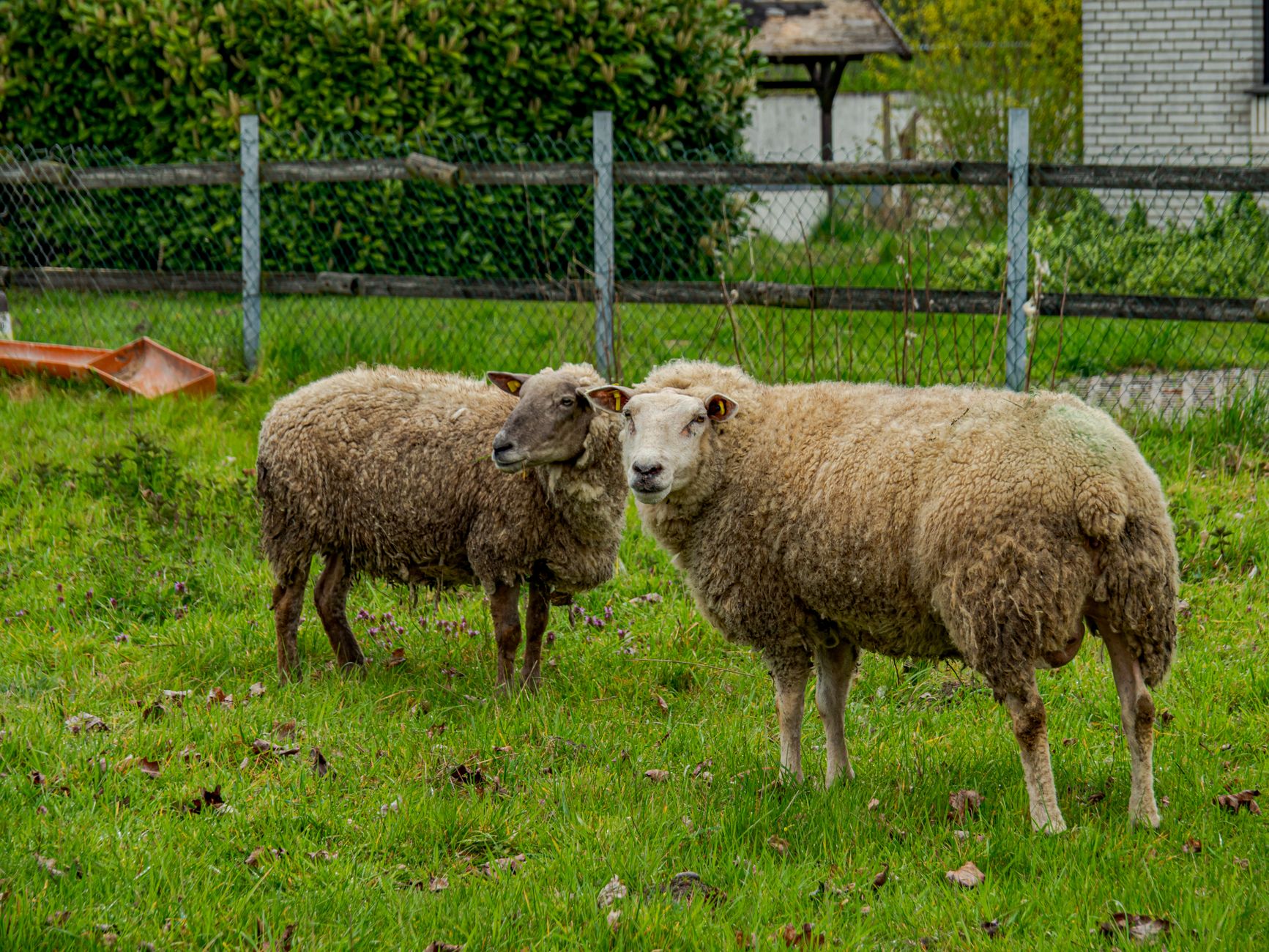
When evaluating SDMA levels in sheep, veterinarians often wonder if certain breeds or age groups show distinct patterns. However, research and clinical experience indicate that for routine blood parameters like SDMA, sheep exhibit minimal breed-level differences. Copper sensitivity is a notable exception, with Texel sheep showing occasional higher susceptibility to copper toxicity on feeds intended for cattle, but this does not significantly impact baseline SDMA levels.
Age-related variations in SDMA are also subtle and generally do not show marked changes that would require separate reference ranges. In growing animals, values might run slightly higher due to increased protein turnover and metabolic demands, but these differences remain within the normal range established for adult sheep. Senior sheep may experience slight elevations as part of age-related kidney function decline, yet such changes are typically gradual and do not cross into abnormal territory until more advanced stages.
It’s important to consider other factors that can influence SDMA levels in sheep, such as nutritional status, parasitism, and copper/selenium balance. For instance, a deficiency or excess of these minerals can affect kidney function and thus impact SDMA readings.