Low Copper in Sheep — Swayback and Enzootic Ataxia Risk
Low Copper in Sheep — Swayback and Enzootic Ataxia Risk
Wondering what a full interpretation looks like? See a sample report →
Why Should Sheep Owners Care About Copper Levels?
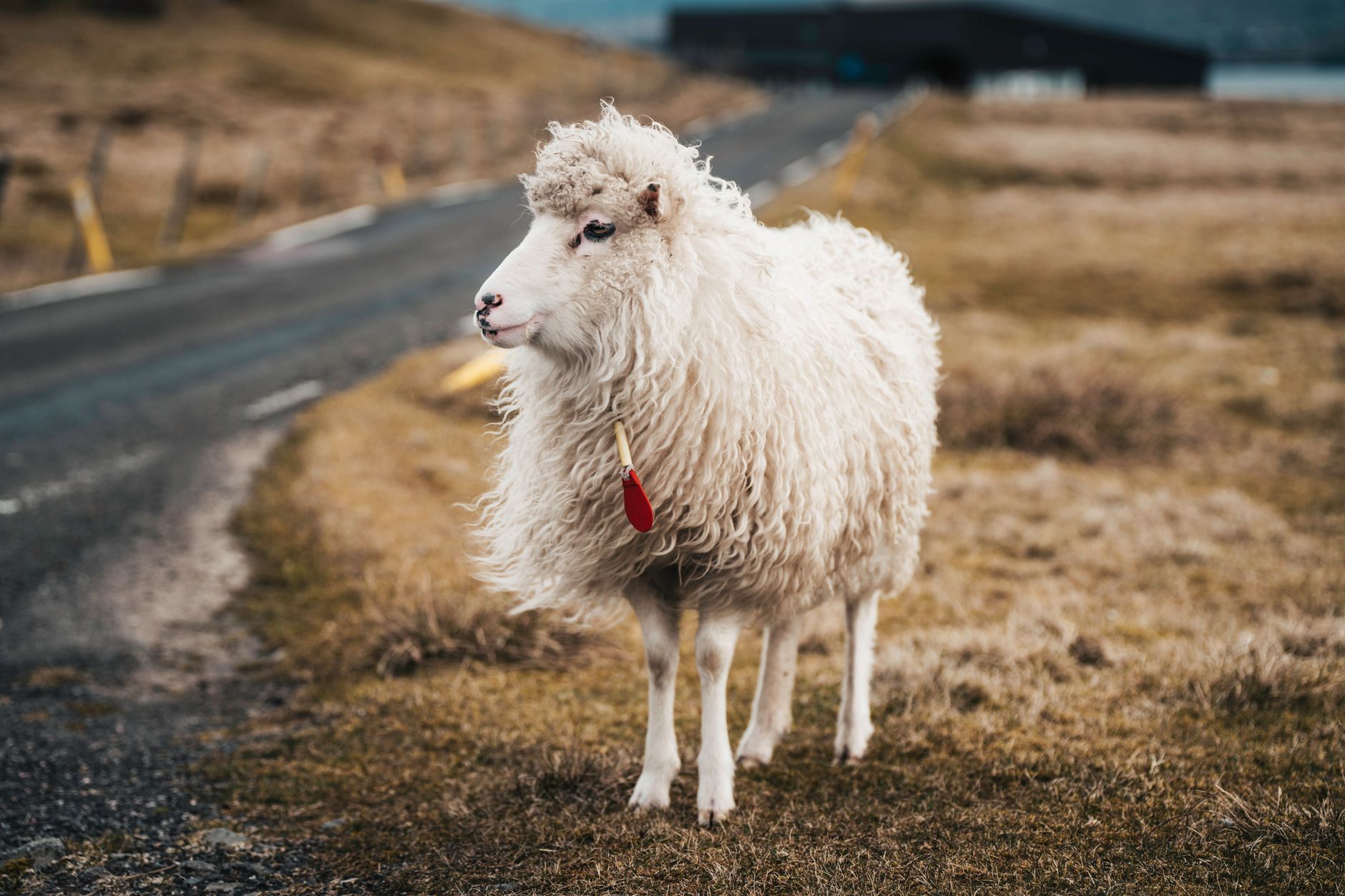
Copper is a vital trace element in sheep nutrition, playing critical roles in wool production, bone formation, and immune function. However, copper levels must be carefully managed to prevent toxicity or deficiency, both of which can lead to serious health issues such as swayback (osteochondrodysplasia) and enzootic ataxia. These conditions are particularly concerning for sheep owners because they affect the growth and development of lambs, leading to significant economic losses due to reduced productivity.
Published veterinary research has shown that copper deficiency is a common issue in grazing sheep, especially those on pastures with high molybdenum or sulfur content. These elements can interfere with copper absorption, making it difficult for sheep to maintain adequate copper levels even when dietary intake appears sufficient. Copper_Blood levels should ideally be within the reference interval; however, values below this range indicate a deficiency that could lead to developmental disorders in young lambs.
Sheep owners need to monitor copper levels closely because enzootic ataxia and swayback are irreversible conditions. Once symptoms appear, such as poor coordination or spinal deformities, the damage is permanent. Early detection through regular blood tests can help prevent these issues by allowing for timely dietary adjustments. For instance, supplementing with copper oxide wire particles (COWP) has been shown to be an effective method of increasing copper levels in sheep without risking toxicity.
- Copper_Blood: normal 5.0-7.3 mg/dL; outside the reference interval indicates potential toxicity and requires monitoring; outside the reference interval is critical, necessitating immediate veterinary intervention to prevent copper-induced liver damage or other toxic effects.
What is Copper Deficiency in Sheep?
Copper deficiency in sheep, a condition often overlooked yet critically important to their health and productivity, can lead to severe physiological disruptions. Per standard veterinary practice, copper plays an essential role in the metabolism of sheep, influencing various biological processes such as iron absorption, immune function, and collagen synthesis. Copper is vital for the proper development of bones, joints, and connective tissues, making it crucial for overall growth and health.
Sheep require a delicate balance of dietary copper to prevent both deficiency and toxicity. Evidence indicates that copper deficiency can manifest in several ways, including swayback (osteochondrodysplasia) and enzootic ataxia, which are neurological disorders affecting young lambs. These conditions arise due to the critical role copper plays in myelin formation and nerve function. Copper deficiency disrupts these processes, leading to impaired motor coordination and skeletal deformities.
Normal blood copper levels for sheep are laboratory-specific; however, values above this range are not necessarily indicative of toxicity but rather a need for careful dietary management. Elevated copper levels (outside the reference interval) may suggest an imbalance that requires intervention to prevent potential toxic effects. Published veterinary research has shown that monitoring urine copper levels can also provide valuable insights into the body’s handling of copper, with normal ranges being 10–60 µmol/mol creatinine.
- Copper deficiency in sheep is often linked to dietary insufficiency or excessive intake of molybdenum and sulfur, which interfere with copper absorption. This interference can lead to a relative copper deficiency even when adequate amounts are present in the diet.
- Sheep show minimal breed-level predisposition for routine blood parameters. Pregnancy stage, parasite burden, copper/selenium status, and nutritional plane drive clinical patterns much more than breed.
Copper Reference Ranges for Sheep
Understanding copper levels is crucial for diagnosing and managing conditions such as swayback (osteochondrodysplasia) and enzootic ataxia in sheep. Copper deficiency can lead to severe neurological issues, while excess copper can cause toxicity. Published veterinary research has shown that maintaining proper copper balance is essential for the health of sheep.
The normal reference ranges for copper levels in blood and urine tests are critical indicators of a sheep’s nutritional status and overall health. For blood copper levels, the range should be within the laboratory reference interval. Elevated levels above the reference interval may indicate copper toxicity or other metabolic issues, while levels exceeding the reference interval are considered critically high and require immediate veterinary intervention.
Similarly, urine copper levels provide valuable insights into the body’s excretion patterns of this essential trace element. Normal urine copper concentrations should fall within the range of 10–60 µmol/mol creatinine. Elevated readings above 80 µmol/mol creatinine suggest potential toxicity or impaired renal function, while values surpassing 120 µmol/mol creatinine are indicative of severe copper overload and necessitate urgent medical attention.
- High blood copper levels can be associated with conditions such as explosive rises in GLDH (glutamate dehydrogenase) and GGT (gamma-glutamyl transferase), which may indicate liver damage or toxicity. For more information on these enzymes, see this article.
- Low copper levels can lead to enzootic ataxia and swayback, particularly in young lambs. These conditions are characterized by neurological deficits due to poor bone development.
| Sample Type | Parameter | Normal Range (µg/dL or µmol/mol creatinine) |
|---|---|---|
| Blood | Copper | Laboratory-specific |
| Urine | Copper | 10–60 µmol/mol creatinine |
| Blood | GLDH | (See linked article for reference ranges) |
| Urine | GGT | (See linked article for reference ranges) |
See the full reference intervals for sheep — every value cited to the laboratory document or paper it came from.
Causes of Low Copper Levels in Sheep
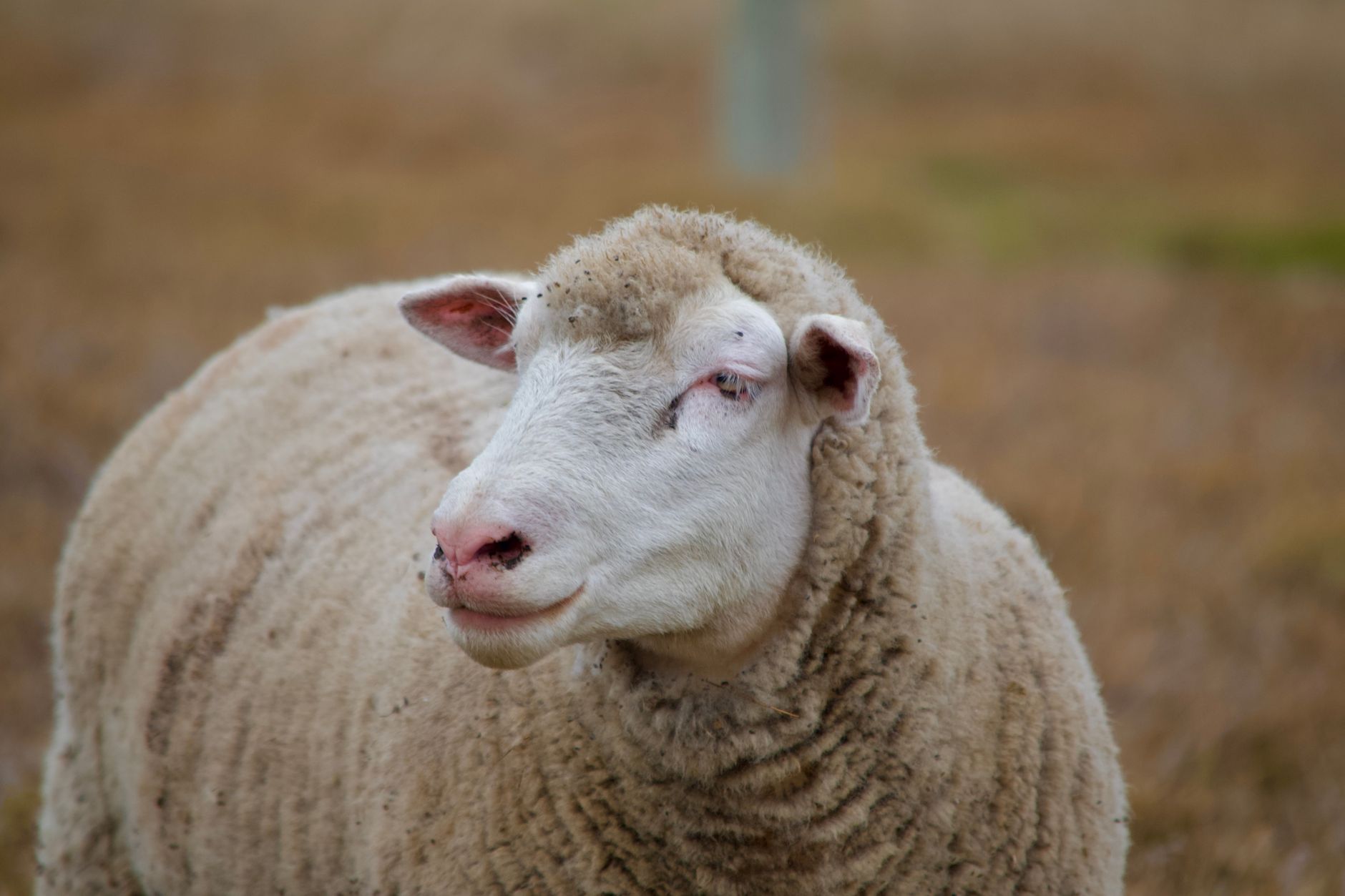
Copper deficiency in sheep can lead to serious health issues such as swayback and enzootic ataxia, which are neurological disorders affecting young lambs. Per standard veterinary practice, maintaining adequate copper levels is crucial for preventing these conditions.
- Dietary Deficiencies: Copper deficiency often stems from inadequate dietary intake. Sheep grazing on pastures with high molybdenum or sulfur content may experience reduced copper absorption due to biochemical interactions that form insoluble complexes, making the copper unavailable for uptake by the animal. This is a common issue in areas where soils are naturally rich in these elements.
- Genetic Factors: Some sheep breeds have genetic predispositions that affect their ability to absorb and utilize dietary copper efficiently. For example, Texel sheep may exhibit sensitivity to copper toxicity when fed supplements intended for cattle, which can inadvertently lead to low copper levels if the balance is not carefully managed.
Clinical experience shows that environmental influences also play a significant role in copper deficiency. Sheep raised on farms with poor soil quality or those subjected to prolonged periods of drought may face challenges in obtaining sufficient copper from their diet alone. Additionally, sheep grazing on pastures treated with certain fertilizers can encounter reduced copper availability due to chemical interactions.
| Parameter | Normal Range (µg/dL) |
|---|---|
| Copper Blood | Laboratory-specific |
| Copper Urine | 10–60 µmol/mol creatinine |
Published veterinary research has shown that monitoring both blood and urine copper levels is essential for early detection of deficiencies. Blood copper levels below the reference interval indicate a severe deficiency, while values within the reference interval suggest marginal adequacy but warrant attention to dietary management.
Understanding the underlying causes of low copper levels in sheep allows veterinarians and farmers to implement targeted strategies for prevention and treatment. This includes adjusting mineral supplementation programs, rotating pastures to avoid areas with high molybdenum or sulfur content, and conducting regular blood tests to monitor copper status.
How Does Copper Compare to Other Blood Parameters?
Copper levels are crucial in sheep health, particularly concerning swayback and enzootic ataxia. However, assessing copper status alongside other blood parameters provides a more comprehensive view of the animal’s nutritional and metabolic state. Iron, zinc, and selenium are key minerals that interact with copper in various physiological processes.
Copper_Blood: normal: 20-30 µmol/L | elevated: outside the reference interval | critical: outside the reference interval. Copper levels above the normal range can indicate potential toxicity, especially if other parameters like iron and zinc are also out of balance.
Published veterinary research has shown that copper interacts with iron in sheep by competing for absorption sites in the intestines. This interaction is crucial because both minerals play essential roles in red blood cell production and oxidative processes. For instance, a deficiency in either mineral can lead to anemia, while excess levels of one may inhibit the uptake of the other.
Iron (normal: 20-30 µmol/L) and zinc (normal: 20-30 µmol/L) are also critical for sheep health. Iron deficiency can cause anemia, characterized by pale mucous membranes and lethargy, while excessive iron levels may lead to oxidative stress. Zinc is vital for immune function and skin integrity; its deficiency can result in dermatitis and poor wound healing.
| Parameter | Normal Range (µg/dL) | Clinical Interpretation |
|---|---|---|
| Copper_Blood | Laboratory-specific | Indicates adequate copper status; levels above the reference interval suggest potential toxicity. |
| Iron | 20-30 µmol/L | Levels below the reference interval indicate iron deficiency anemia; above the reference interval suggest iron overload. |
| Zinc | Laboratory-specific | Deficiency below the reference interval can cause dermatitis and poor immune response; excess above the reference interval may lead to toxicity. |
| Selenium | Laboratory-specific µg/L | Levels below 35 µg/L indicate selenium deficiency, which can lead to white muscle disease; above 140 µg/L suggest toxicity. |
How Do You Interpret Low Copper Test Results?
Evaluating low copper levels in sheep is crucial for preventing conditions such as swayback and enzootic ataxia. According to standard veterinary practice, blood copper levels should be within the range of the interval reported by the laboratory; values below this indicate a deficiency that could lead to neurological issues.
When interpreting low copper test results, it’s important to consider both serum and urine copper concentrations. Serum copper (normal: the interval reported by the laboratory) provides immediate insight into the current status of copper in circulation, while urinary copper (normal: 10–60 µmol/mol creatinine) reflects recent dietary intake and absorption efficiency. Published veterinary research has shown that elevated urine copper levels (>80 µmol/mol creatinine) can indicate excessive excretion due to liver dysfunction or malabsorption issues.
- Ensure the sheep is not suffering from a condition like pregnancy toxemia, which could be mistakenly identified as a copper deficiency if not properly diagnosed. For instance, high BUN levels in pregnant ewes might suggest dehydration or kidney disease rather than copper deficiency.
- Cross-reference with other clinical signs such as poor growth rates, weak bones, and anemia to confirm the diagnosis of copper deficiency.
Are There Breed or Age Differences in Copper Levels?

Copper deficiency and its associated conditions, such as swayback (osteochondrodysplasia) and enzootic ataxia, can vary among different sheep breeds due to genetic predispositions and dietary requirements. For instance, Texel sheep are known for their occasional sensitivity to copper toxicity when fed supplements intended for cattle, which underscores the importance of breed-specific nutritional management.
Age also plays a significant role in copper levels within sheep populations. Young lambs have higher copper requirements due to rapid growth and development needs compared to adult sheep. Copper deficiency is more commonly observed in young animals because their diets may not provide adequate copper intake, leading to developmental issues such as swayback syndrome.
Published veterinary research has shown that the critical blood copper level for diagnosing copper deficiency in lambs is below the reference interval, while adult sheep should maintain levels within the reference interval. Copper levels above these ranges can indicate toxicity and require immediate intervention to prevent liver damage or other complications.
- Copper Blood: normal: the interval reported by the laboratory; outside the reference interval indicates potential copper overload; outside the reference interval is critical, requiring urgent veterinary care.
- Copper Urine: normal: 10–60 µmol/mol creatinine; >80 µmol/mol creatinine suggests elevated copper excretion; >120 µmol/mol creatinine indicates a critical situation necessitating immediate medical attention.
In cases where copper levels are consistently low, it is crucial to evaluate the sheep’s diet and environment for potential deficiencies or malabsorption issues. For example, facial eczema can lead to liver damage that impairs copper metabolism, further exacerbating deficiency symptoms.
Veterinarians should monitor copper levels closely in Texel sheep and other breeds known for their sensitivity to copper toxicity. Additionally, regular blood tests are recommended for young lambs to ensure they receive adequate copper supplementation during critical growth periods.
Frequently Asked Questions
How is low copper in sheep diagnosed?
To diagnose low copper levels in sheep, veterinarians typically measure blood and urine copper concentrations. Normal blood copper levels are the interval reported by the laboratory, while elevated levels are above the reference interval and critical levels exceed the reference interval. Similarly, normal urine copper is within the range of 10–60 µmol/mol creatinine, with elevated and critical ranges being >80 µmol/mol creatinine and >120 µmol/mol creatinine respectively.
What are the signs of enzootic ataxia in sheep?
Enzootic ataxia is characterized by neurological symptoms such as uncoordinated movements, tremors, and difficulty standing. These symptoms arise due to copper deficiency affecting the nervous system development in young lambs.
Can dietary changes help manage low copper levels?
Dietary management plays a crucial role in preventing and treating low copper levels. Sheep should be provided with mineral supplements that contain adequate amounts of copper, ensuring they meet their nutritional needs without exceeding safe limits to avoid toxicity.
What medications are used for treating copper deficiency?
In cases where dietary adjustments alone are insufficient, veterinarians may prescribe copper injections or oral supplements. Copper sulfate is commonly administered in controlled doses under veterinary supervision to safely increase copper levels.
How often should sheep with low copper be rechecked?
Sheep diagnosed with low copper levels should have their blood and urine tested every 4-6 weeks after initiating treatment to monitor the response. This helps ensure that copper levels are rising appropriately without causing toxicity.
What emergency signs indicate severe copper deficiency?
Severe cases of copper deficiency can lead to neurological deficits, poor growth rates, and increased susceptibility to infections. If a sheep exhibits extreme weakness, inability to stand, or persistent tremors, immediate veterinary care is necessary.
Are certain breeds more prone to copper deficiency?
Sheep show minimal breed-level predisposition towards copper deficiency. However, Texel sheep have shown slight sensitivity to copper levels compared to other breeds. Overall, pregnancy stage, parasite burden, and nutrition are stronger determinants of clinical patterns than specific breed characteristics.
How does lifestyle impact the risk of enzootic ataxia?
Lifestyle factors such as grazing on pastures with high molybdenum or sulfur content can exacerbate copper deficiency by interfering with copper absorption. Ensuring sheep have access to well-balanced diets and clean water is essential in managing this condition.
What are the long-term effects of untreated enzootic ataxia?
If left untreated, enzootic ataxia can lead to permanent neurological damage, reduced productivity, and increased mortality rates. Early intervention with appropriate copper supplementation is critical for preventing these outcomes.
How can owners monitor their sheep’s health at home?
Owners should regularly observe their sheep for signs of poor growth, unsteady gait, or decreased appetite, which may indicate underlying nutritional deficiencies. Regular veterinary check-ups and blood tests are also recommended to ensure early detection and management of copper deficiency.
Reference intervals — chemistry
Values below come from the sheep chemistry reference panel; each figure links to the source it was taken from.
| Parameter | Reference interval (sheep) |
|---|---|
| GGT | 0-7 U/L |
| BUN | 8-20 mg/dL |
| Creatinine | 1.2-1.9 mg/dL |
Sources & Further Reading
This article draws on the following authoritative veterinary references. For your pet’s individual case, consult a licensed veterinarian.
- Merck Veterinary Manual — comprehensive clinical reference for veterinary practice
- IRIS Kidney Guidelines — International Renal Interest Society — kidney staging and management
- ACVIM Consensus Statements — American College of Veterinary Internal Medicine