Wondering what a full interpretation looks like? See a sample report →
Why Should You Care About Slightly Elevated ALP in Dogs?

Understanding why this matters starts by recognizing what ALP stands for: alkaline phosphatase. This enzyme is found primarily in the liver and bones of dogs. When ALP levels rise above normal, it often indicates a problem with bile flow or bone growth, especially if your pet is young. However, in adult dogs, elevated ALP can also point to more serious conditions like liver disease or blockages affecting bile movement.
It’s important for dog owners to pay attention because persistent elevation of this enzyme could be an early warning sign of underlying health issues that need prompt veterinary care. For example, if your dog is showing signs such as reduced appetite, vomiting, or lethargy alongside elevated ALP levels, these symptoms combined with the lab results suggest a potential liver issue that requires further examination.
In clinical practice, veterinarians often see slightly elevated ALP in dogs during routine check-ups. This can be concerning because it may indicate an underlying condition that needs attention before it becomes more serious. For instance, if your dog has been experiencing weight loss or jaundice along with elevated ALP levels, these symptoms together might suggest a liver disorder such as cholangitis or hepatic lipidosis.
Moreover, slightly elevated ALP can also be associated with other systemic conditions that affect the liver indirectly. For example, certain medications or toxins can cause an increase in ALP levels without directly causing liver disease. Therefore, it’s crucial to consider all potential causes and not jump to conclusions based on a single lab result.
Given these considerations, monitoring your dog’s health closely and discussing any concerns with your veterinarian is essential. Regular follow-up tests may be necessary to track changes in ALP levels over time and ensure that appropriate treatment is initiated if needed.
What is Alkaline Phosphatase (ALP)?
Alkaline phosphatase, often abbreviated as ALP, is an enzyme found in various tissues throughout the body. It plays a crucial role in bone and liver metabolism. In dogs, elevated levels of ALP can indicate issues related to bile flow or bone growth. This enzyme is particularly important for its involvement in the regulation of calcium and phosphate metabolism during bone formation.
In the context of liver function, ALP is especially significant because it helps regulate bile production and excretion. When there’s an obstruction in the bile ducts, which prevents bile from flowing properly—a condition known as cholestasis—ALP levels tend to rise significantly. This enzyme also increases during active bone growth phases, such as when a puppy is growing rapidly or when a dog experiences periods of rapid skeletal development.
It’s important to note that ALP can be influenced by other factors too. For instance, certain medications and steroid treatments may cause an increase in ALP levels. Additionally, while low ALP levels are generally not clinically significant, they do not provide any specific information about the health of your dog’s liver or bones. In clinical practice, veterinarians often use ALP alongside other markers like 0-8 U/L (gamma-glutamyl transferase) to better understand the underlying cause of elevated enzyme levels.
ALP is also relevant in assessing bone diseases such as osteosarcoma and hyperparathyroidism. In these conditions, ALP can be markedly elevated due to increased bone turnover or metabolic activity. Monitoring changes in ALP over time can provide valuable insights into the progression or response to treatment of these conditions.
Understanding Normal Reference Ranges for ALP in Dogs

The alkaline phosphatase (ALP) enzyme is a key marker of liver and bone health in dogs. It’s important to understand what the normal reference range means when evaluating your dog’s blood test results. The normal reference range for ALP in dogs is 7-115 U/L. This range can vary slightly between laboratories, but it generally reflects healthy liver and bone function.
Slight elevations of ALP above this range are common and may not necessarily indicate a serious health issue. Elevated levels could be due to various factors such as active bone growth in young dogs or the use of certain medications that induce ALP production. However, if your dog’s ALP level is significantly higher than 7-115 U/L, it might suggest conditions like cholestasis (impaired bile flow) or liver disease.
It’s crucial to interpret slight elevations in context with other clinical signs and test results. For instance, a mildly elevated ALP alongside normal ALT levels may indicate bone-related causes rather than liver issues. Your veterinarian will consider your dog’s overall health history, physical examination findings, and additional lab tests before making a diagnosis.
| Finding | What it may suggest | Suggested next step |
|---|---|---|
| Above the reference range | Potential liver or bone-related issues, such as cholestasis or active growth in young dogs. | Further diagnostic tests to determine the cause of elevation. |
| Within the reference range | Normal liver and bone function, no immediate concern. | Monitor regularly if risk factors are present; otherwise, maintain routine care. |
| Below the reference range | Low ALP levels typically do not have clinical significance in dogs and are usually considered normal. | No specific action needed unless other signs of illness are present. |
See the full reference intervals for the dog — every value cited to the laboratory document or paper it came from.
When interpreting your dog’s ALP results, it’s important to consider the context. A slight elevation above the reference range might be due to normal physiological processes like bone growth in young dogs or medication use that induces ALP production. However, if the increase is significant and accompanied by other signs such as reduced appetite, vomiting, or jaundice, further investigation is warranted.
Your veterinarian will likely recommend additional tests such as a complete blood count (CBC), liver function panel including ALT and GGT levels, and possibly imaging studies like an ultrasound to assess the liver and bile ducts. These tests help pinpoint the exact cause of elevated ALP and guide appropriate treatment.
Common Causes of Slightly Elevated ALP Levels in Dogs
Slightly elevated ALP levels can be a source of concern for dog owners, but it’s important to understand that an increase above the reference range doesn’t always indicate serious liver disease. There are several physiological and pathological reasons why your dog might have slightly elevated ALP levels.
One common reason is active bone growth in young dogs. During periods of rapid skeletal development, ALP can rise as part of normal physiological processes. This increase is typically temporary and resolves as the puppy matures into an adult. For example, a growing Labrador Retriever might show slightly elevated ALP levels during its adolescent phase due to increased bone remodeling activity. Another cause could be steroid medications or certain drugs that induce ALP production. If your dog has been on steroids for any reason, such as managing allergies or inflammatory conditions, this could explain a slight elevation in their ALP levels.
It’s also worth noting that ALP is not specific to liver disease alone; it can be elevated due to issues with bile flow (cholestasis). Cholestasis occurs when there’s an obstruction or inflammation affecting the bile ducts. This condition might present alongside other signs like jaundice, vomiting, and lethargy. Your veterinarian will consider these clinical signs along with your dog’s medical history and additional lab tests to determine if cholestasis is a contributing factor. For instance, if a dog exhibits persistent yellowing of the eyes (icterus) in conjunction with elevated ALP levels, it could suggest that bile flow is compromised.
Additionally, certain breeds are more prone to conditions that can lead to slightly elevated ALP levels. For example, Cocker Spaniels and Miniature Schnauzers have a higher incidence of liver shunts (portosystemic shunts), which can cause an increase in ALP due to altered blood flow around the liver rather than through it. This condition requires specialized imaging techniques like an MRI or CT scan for diagnosis.
| Cause | Mechanism |
|---|---|
| Active bone growth in young dogs | Bone remodeling increases ALP production. |
| Steroid medications or certain drugs | Drugs induce ALP synthesis in liver cells. |
| Cholestasis (bile flow obstruction) | Impaired bile excretion triggers ALP release from hepatocytes and cholangiocytes. |
How Does Elevated ALP Compare to Other Liver Function Tests?

Elevated ALP in dogs is often indicative of cholestasis, which means there’s an obstruction or impairment in the flow of bile. However, interpreting this elevation alongside other liver function tests like ALT and AST can provide more clarity on what’s happening within your dog’s liver. While ALP specifically points to issues with bile flow, ALT and AST give us a broader picture of hepatocellular injury.
ALT is primarily found in the liver cells (hepatocytes) and its elevation indicates damage or leakage from these cells. In contrast, AST can be elevated due to both muscle and liver cell injuries, making it less specific for liver issues alone. When ALT is markedly above the reference range 17-95 U/L, it strongly suggests hepatocellular injury. However, if AST is also significantly elevated alongside ALT, this could indicate a more severe condition affecting both liver cells and muscles.
ALP, on the other hand, is an enzyme that increases in response to cholestasis or bone growth in young dogs. It’s important to note that ALP can be induced by certain medications or steroids as well. Therefore, when ALP is elevated but ALT and AST are within normal limits, it often points towards a bile duct issue rather than direct liver cell damage.
Understanding the context of these tests is crucial for accurate diagnosis. For instance, if a dog has an elevated ALP without corresponding increases in ALT or AST, this could suggest cholestasis due to conditions such as biliary obstruction or hepatic lipidosis. However, if both ALT and AST are also elevated along with ALP, it may indicate more severe liver disease involving hepatocellular damage.
It’s essential for veterinarians to consider the clinical history of the dog when interpreting these test results. For example, a dog that has recently undergone surgery or is on medication might have an elevated ALP due to drug-induced changes rather than actual liver dysfunction. Similarly, young dogs with rapid bone growth can show high levels of ALP without any underlying liver disease.
| Marker | What it Adds | When Preferred |
|---|---|---|
| ALT | Indicates hepatocellular injury, specific to liver cells. | When ALT is markedly elevated and AST is normal or only slightly raised. |
| AST | Reflects injury to both liver cells and muscles, less specific for liver issues alone. | When AST is significantly elevated alongside ALT, indicating potential muscle damage as well. |
| ALP | Points to cholestasis or bone growth in young dogs; can be induced by medications and steroids. | When ALP is elevated but ALT and AST are within normal limits, suggesting bile duct issues. |
Interpreting Slightly Elevated ALP Results: What It Could Mean for Your Dog
Slightly elevated ALP levels in your dog can be a cause for concern, but it’s important to understand that this marker is not always indicative of serious liver disease. Elevated ALP (above the reference range) can occur due to various factors such as bone growth, steroid use, or certain medications. In younger dogs, especially those still growing, elevated ALP levels are often a normal part of development and do not necessarily indicate liver issues.
When interpreting slightly elevated ALP results in your dog, it’s crucial to consider other clinical signs and laboratory findings. For instance, if your dog is showing symptoms like reduced appetite, vomiting, or jaundice, these could be more indicative of a liver problem. However, if your dog appears healthy otherwise and has no other abnormal lab values, the elevated ALP might simply reflect bone growth or medication effects.
It’s also important to note that breed can play a role in interpreting slightly elevated ALP levels. For example, certain breeds like Cocker Spaniels are known to have higher baseline ALP levels due to genetic factors related to liver health. If your dog is from one of these breeds and has only mildly elevated ALP without other concerning signs or lab results, it may be less alarming.
Your veterinarian will consider all aspects of your dog’s health history, physical exam findings, and additional laboratory tests before making a definitive diagnosis. They might recommend further testing such as imaging studies (like an ultrasound) to assess the liver structure, or they could order more specific blood tests like GGT or bilirubin levels to help clarify the cause of the elevated ALP.
For instance, if your dog’s GGT levels are also high along with slightly elevated ALP, this pattern (high GGT and high ALP) could suggest a liver issue. Similarly, if ALT is also elevated alongside ALP, it might indicate hepatocellular damage (high ALT and high ALP). Understanding these patterns can help your vet narrow down the possible causes of your dog’s slightly elevated ALP.
Breed-Specific Considerations and Emergency Situations with Elevated ALP

When interpreting elevated ALP levels in dogs, it’s important to consider breed-specific factors that can influence these results. Certain breeds naturally have higher baseline ALP levels due to their genetic makeup or physiological characteristics. For example, young growing animals of any breed may show increased ALP as a result of active bone growth and remodeling. However, some specific breeds like the Cocker Spaniel are known for having elevated ALP levels even in adulthood, which can be associated with conditions such as copper hepatopathy. Copper hepatopathy is a genetic disorder that affects liver function, leading to an accumulation of copper within the liver cells. This condition often presents with clinical signs including reduced appetite, jaundice, and vomiting.
In addition to breed considerations, it’s crucial to recognize when an elevation in ALP might indicate a medical emergency. Markedly elevated ALP levels often suggest cholestasis or liver disease, particularly if accompanied by other biochemical markers like GGT and bilirubin being above the reference range (0-8 U/L, 0-0.2 mg/dL). In cases where ALP is markedly increased alongside clinical signs such as jaundice, vomiting, lethargy, or abdominal discomfort, immediate veterinary attention is warranted. These symptoms can be indicative of severe liver dysfunction or obstruction in bile flow.
When evaluating a dog with elevated ALP, your veterinarian will consider these breed-specific factors and assess for any alarming clinical symptoms that might indicate an urgent situation. For instance, if the dog shows signs of severe illness such as collapse, pale gums, or difficulty breathing, this could signal a critical condition requiring immediate intervention. In emergency situations, rapid diagnosis and treatment are essential to prevent further organ damage.
| Clinical Scenario | Mechanism | Typical Signs |
|---|---|---|
| Young growing dog | Active bone growth and remodeling | None specific, may be asymptomatic or show mild lethargy |
| Cocker Spaniel with copper hepatopathy | Genetic predisposition to liver disease | Reduced appetite, jaundice, vomiting |
| Dog with cholestasis | Impaired bile flow due to liver disease or obstruction | Jaundice, vomiting, lethargy, abdominal discomfort |
| Dog with bone tumor | Bone turnover and remodeling due to cancerous growth | Lameness, swelling at the site of the tumor, pain on palpation |
| Dog with Addison’s disease | Hypoadrenocorticism leading to electrolyte imbalances and stress response | Weakness, collapse, dehydration, vomiting |
Managing Slightly Elevated ALP Levels in Dogs: What You Can Do
If your dog’s ALP levels are slightly above the reference range, it’s important to understand what this means and how you can manage it. A slight elevation might be due to factors like active bone growth or steroid use, which are often temporary and manageable with guidance from your veterinarian.
When managing a dog with slightly elevated ALP levels, dietary changes can play a role in supporting overall liver health. Feeding a diet rich in antioxidants and essential fatty acids may help reduce oxidative stress on the liver. Antioxidants such as vitamin E and selenium are particularly beneficial because they protect liver cells from damage caused by free radicals. Essential fatty acids like omega-3s found in fish oil can also support healthy liver function. Additionally, ensuring that your pet maintains a healthy weight is crucial, as obesity can exacerbate liver issues.
Your veterinarian will likely recommend monitoring ALP levels over time to see if they return to normal or continue to rise. Regular follow-up visits and blood tests are essential in tracking the progression of elevated ALP levels. If ALP remains elevated despite dietary changes and other supportive measures, further diagnostic tests may be necessary to rule out underlying conditions such as cholestasis or hepatic lipidosis. These could include imaging studies like an ultrasound or more detailed blood work focusing on liver enzymes like GGT.
It’s important to note that ALP levels can fluctuate due to various factors, and a single elevated reading does not necessarily indicate a serious health issue. However, persistent elevation warrants further investigation. Your veterinarian may also suggest lifestyle changes such as increasing physical activity or adjusting the diet to include more fiber-rich foods which can help manage weight and improve overall liver function.
| Management Strategy | What It Aims To Do |
|---|---|
| Dietary Changes | Support liver health and reduce oxidative stress. |
| Weight Management | Prevent obesity-related liver issues. |
| Regular Monitoring | Track ALP levels and assess response to management strategies. |
| Further Diagnostic Tests | Identify underlying causes if ALP remains elevated. |
Summary of Key Points About Slightly Elevated ALP in Dogs
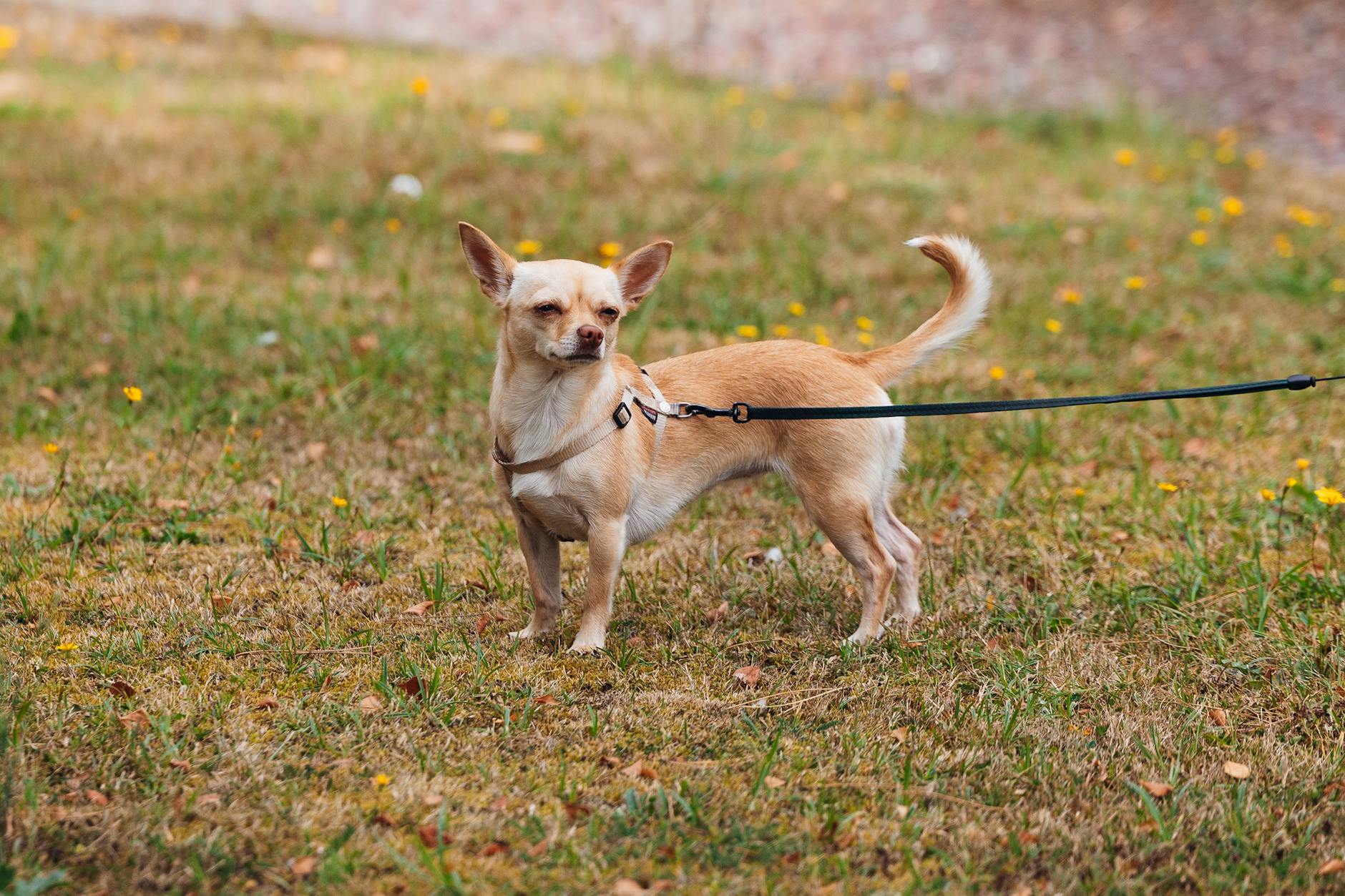
Slightly elevated ALP levels in dogs can be a cause for concern, but they often have benign explanations. When ALP is above the reference range (7-115 U/L), it typically indicates cholestasis or impaired bile flow. However, in younger dogs, this elevation might simply reflect active bone growth, which naturally increases ALP production. In adult dogs without signs of liver disease, steroid medications and certain drugs can also cause a slight rise in ALP.
It’s important to note that while elevated ALP is often associated with liver issues like cholestasis or hepatic lipidosis, it does not confirm these conditions on its own. Other markers such as GGT (gamma-glutamyl transferase) and bilirubin should be evaluated alongside ALP to determine the underlying cause. If GGT levels are also elevated, this supports a diagnosis of liver dysfunction. However, if GGT remains within normal limits while ALP is slightly high, it may point more towards bone-related or drug-induced changes.
When interpreting slightly elevated ALP in dogs, veterinarians will consider the dog’s clinical signs and history. If your dog shows symptoms like reduced appetite, vomiting, diarrhea, lethargy, or jaundice, these could indicate liver issues that warrant further investigation. However, if there are no apparent clinical signs of illness and the dog is otherwise healthy, a repeat blood test in a few weeks might be recommended to see if the ALP levels return to normal on their own.
For dogs with slightly elevated ALP but no other concerning symptoms, monitoring over time can provide valuable insights. If the ALP level remains stable or decreases without intervention, it may suggest that the elevation was transient and not indicative of a serious condition. However, if the ALP continues to rise or fluctuates widely, further diagnostic steps such as abdominal ultrasound, liver function tests (including 0-8 U/L), and possibly bile acid stimulation testing might be necessary.
It is also crucial for pet owners to understand that while elevated ALP can signal potential health issues, it does not always indicate a serious problem. Many factors contribute to slight elevations in ALP levels, including dietary changes, stress during blood collection, or even the time of day when the sample was taken. Therefore, discussing these possibilities with your veterinarian is essential for accurate interpretation and appropriate management.
Frequently Asked Questions
What does slightly elevated ALP mean in my dog?
A slight increase in ALP suggests possible issues with bile flow or could be due to steroid use, medication effects, or ongoing bone development in younger dogs.
Is there anything I should worry about immediately?
While a mildly elevated ALP isn’t usually urgent, it’s important to discuss any concerning symptoms like vomiting, lethargy, or yellowing skin with your vet promptly.
Could diet affect my dog’s ALP levels?
There’s no direct evidence linking specific diets to increased ALP levels; however, maintaining a balanced diet supports overall health which may indirectly influence liver function.
Should I bring my dog back sooner than usual for another test?
If your dog shows new symptoms or if you’re concerned, consult your veterinarian who might recommend rechecking ALP alongside other tests depending on your pet’s condition.
Are some breeds more likely to have higher ALP levels?
No strong breed predilection has been documented for elevated ALP levels specifically; however, certain conditions that elevate ALP occur more frequently in particular breeds.
How often should I check my dog’s ALP level?
Frequency depends on your dog’s age, health status, and risk factors; your vet will advise based on their assessment and initial results.
Does high ALP always indicate liver problems?
ALP elevation doesn’t necessarily point to liver disease; it can also reflect bone growth activity or drug-induced changes rather than cholestasis alone.
Why would my puppy have higher ALP compared to adult dogs?
Younger dogs naturally produce more ALP because of active bone formation during growth phases, making this enzyme less reliable as a sole indicator of liver health in puppies.
Will exercise impact my dog’s ALP readings?
Exercise typically does not directly affect ALP levels, but regular physical activity is beneficial for overall canine health and well-being.
What other blood markers should be checked along with ALP?
Your vet might suggest checking ALT, GGT, total bilirubin, and possibly BUN and creatinine to get a fuller picture of liver and kidney functions.
Is there any home monitoring I can do for my dog?
Home monitoring focuses on observing general behavior and appetite. Regular veterinary visits are best for accurate assessments and adjustments to care plans.
Could stress from the clinic visit raise my dog’s ALP?
Stress itself rarely causes significant changes in ALP levels; however, ensuring minimal stress during vet visits supports better test accuracy.
If ALP returns to normal after treatment, what next steps should we take?
Once ALP levels normalize, follow-up tests may still be needed to confirm resolution of the issue and monitor ongoing health effectively.
Are there specific foods I need to avoid if my dog has slightly elevated ALP?
No specific dietary restrictions apply solely due to mildly elevated ALP; maintaining a balanced diet recommended by your veterinarian is key.
How long does it usually take for ALP levels to return to normal?
The timeline varies based on the underlying cause; some conditions resolve quickly while others require longer-term management under veterinary guidance.
Sources & Further Reading
This article draws on the following authoritative veterinary references. For your pet’s individual case, consult a licensed veterinarian.
- Merck Veterinary Manual — comprehensive clinical reference for veterinary practice
- WSAVA Global Guidelines — World Small Animal Veterinary Association
- ACVIM Consensus Statements — American College of Veterinary Internal Medicine