Thyroid Panel in Rabbits — T4, FT4, TSH Reading Guide
Thyroid Panel in Rabbits — T4, FT4, TSH Reading Guide
Wondering what a full interpretation looks like? See a sample report →
Why Should Rabbit Owners Care About Thyroid Panel Tests?
The thyroid gland plays a crucial role in regulating metabolism and overall health in rabbits. Abnormalities in thyroid function can lead to significant health issues, including weight changes, lethargy, and gastrointestinal disturbances. Understanding the importance of thyroid panel tests is essential for rabbit owners who wish to maintain their pets’ well-being.
Thyroid disorders are relatively common in rabbits and can manifest as either hyperthyroidism or hypothyroidism. Elevated levels of T4 (normal: 0.6-1.98 µg/dL; outside the reference interval indicates action needed; outside the reference interval is critical) and FT4 (normal: laboratory-specific; outside the reference interval requires monitoring; outside the reference interval is urgent) suggest hyperthyroidism, which can cause increased appetite, weight loss, and restlessness. Conversely, low T4 levels may indicate hypothyroidism, characterized by lethargy, poor coat condition, and reduced appetite.
- Hyperthyroidism: This condition is less common in rabbits compared to cats but can still occur due to thyroid adenomas or inflammation. Early detection through regular thyroid panel tests allows for timely intervention with treatments such as methimazole (a generic drug used to manage hyperthyroidism) and dietary adjustments.
- Hypothyroidism: Hypothyroid rabbits may exhibit symptoms like lethargy, weight gain, and poor coat quality. Monitoring TSH levels (normal: 0.3–3 mU/L; >4 mU/L suggests action; >6 mU/L is critical) can help diagnose hypothyroidism early, enabling the implementation of appropriate treatments such as thyroid hormone supplementation.
Given the potential for thyroid disorders to impact overall health and quality of life in rabbits, regular screening with a comprehensive thyroid panel is highly recommended. Early detection not only allows for prompt treatment but also helps prevent secondary complications that can arise from untreated thyroid dysfunction. For instance, hyperthyroidism can exacerbate existing liver or kidney issues, while hypothyroidism may contribute to gastrointestinal stasis.
Regular monitoring of T4, FT4, and TSH levels is crucial for the early detection and management of thyroid disorders in rabbits, ensuring they receive timely care and maintain optimal health.
What Is a Thyroid Panel in Rabbits?
A thyroid panel is a set of blood tests used to evaluate the function of the rabbit’s thyroid gland. This gland plays a crucial role in regulating metabolism, growth, and development. In rabbits, a typical thyroid panel includes measurements of total thyroxine (T4), free thyroxine (FT4), and thyroid-stimulating hormone (TSH). These tests help veterinarians diagnose conditions such as hypothyroidism or hyperthyroidism.
Total T4 (TT4) measures the overall amount of thyroxine in the bloodstream, which includes both bound and unbound forms. Free thyroxine (FT4), on the other hand, specifically quantifies the portion of T4 that is not attached to proteins and is therefore biologically active. Both TT4 and FT4 levels are critical indicators of thyroid hormone production and can help identify disruptions in the endocrine system.
Thyroid-stimulating hormone (TSH) is produced by the pituitary gland and regulates T4 production. Elevated TSH levels typically indicate that the pituitary gland is trying to stimulate more T4 production, often seen in cases of primary hypothyroidism where the thyroid gland itself is underactive.
- Total thyroxine (T4): Normal range for rabbits is 0.6-1.98 µg/dL. Levels above the reference interval suggest an elevated T4, and values over the reference interval are considered critical, indicating severe hyperthyroidism.
- Free thyroxine (FT4): The normal range for rabbits is 0.6-1.98 µg/dL. Elevated FT4 levels above the reference interval indicate potential thyroid dysfunction, and values over the reference interval are critical.
- Thyroid-stimulating hormone (TSH): Normal TSH levels in rabbits range from 0.3 to 3 mU/L. Elevated TSH above 4 mU/L suggests hypothyroidism, and values over 6 mU/L are critical.
Understanding these parameters is essential for diagnosing thyroid disorders in rabbits, as abnormal readings can indicate underlying health issues that require prompt veterinary attention. For instance, if a rabbit’s TSH levels are elevated while FT4 remains within normal limits, it may suggest secondary hypothyroidism where the pituitary gland is not functioning correctly.
Monitoring both TT4 and FT4 alongside TSH provides a comprehensive assessment of thyroid function in rabbits, aiding in early detection and management of thyroid disorders.
Laboratory Reference Ranges for Rabbit Thyroid Parameters
Understanding thyroid function in rabbits is crucial for diagnosing and managing endocrine disorders. The primary thyroid hormones measured are total thyroxine (T4), free thyroxine (FT4), and thyroid-stimulating hormone (TSH). These parameters provide insights into the rabbit’s metabolic status and overall health.
Normal T4 levels in rabbits range from 0.6-1.98 µg/dL. Elevated T4, defined as greater than the reference interval, may indicate hyperthyroidism or other conditions affecting thyroid hormone production. Critical values for T4 are above the reference interval and require immediate medical attention.
Similarly, FT4 levels in rabbits should be within the range of 2.5 to above the reference interval under normal circumstances. Elevated FT4 levels (greater than the reference interval) suggest hyperthyroidism or other thyroid disorders that increase free hormone availability. Critical values for FT4 are above the reference interval, indicating severe dysfunction and necessitating urgent intervention.
TSH levels in rabbits typically fall between 0.3 to 3 mU/L when the thyroid gland is functioning normally. Elevated TSH (greater than 4 mU/L) may indicate primary hypothyroidism or secondary causes affecting pituitary function. Critical values for TSH are above 6 mU/L, which often signify severe endocrine imbalance requiring immediate veterinary care.
| Parameter | Normal Range (nmol/L or pmol/L) |
|---|---|
| T4 | 10–35 |
| FT4 | 2.5–8 |
| TSH | 0.3–3 |
See the full reference intervals for the rabbit — every value cited to the laboratory document or paper it came from.
The interpretation of these thyroid parameters should be done in conjunction with clinical signs and other laboratory tests to ensure accurate diagnosis. For instance, elevated TSH levels might correlate with low T4 or FT4 values if the rabbit is suffering from primary hypothyroidism.
Monitoring these thyroid parameters regularly can help in early detection and management of thyroid disorders in rabbits.
Causes of Abnormal Thyroid Levels in Rabbits
The thyroid gland plays a crucial role in regulating metabolism and growth in rabbits. Abnormal levels of thyroid hormones, such as T4 (thyroxine), FT4 (free thyroxine), and TSH (thyroid-stimulating hormone), can indicate underlying health issues that require veterinary attention. Elevated or critically high T4 (outside the reference interval) and FT4 (outside the reference interval) levels often suggest hyperthyroidism, while low T4 (outside the reference interval) may point to hypothyroidism.
Hyperthyroidism in rabbits is less common compared to cats but can occur due to thyroid adenomas or other endocrine disorders. In cases of hyperthyroidism, the thyroid gland produces excessive amounts of T4 and FT4, leading to increased metabolic rates and potential weight loss despite a good appetite. Conversely, hypothyroidism results from insufficient hormone production, often caused by autoimmune conditions like Hashimoto’s disease or iodine deficiency.
- Hyperthyroidism: This condition is typically characterized by elevated T4 levels (outside the reference interval) and FT4 levels (outside the reference interval). Common causes include thyroid adenomas, which are benign tumors that overproduce thyroid hormones. Hyperthyroid rabbits often exhibit increased thirst, urination, restlessness, and weight loss despite a good appetite.
- Hypothyroidism: Hypothyroidism is less common in rabbits but can occur due to autoimmune conditions such as Hashimoto’s disease or iodine deficiency. In these cases, T4 levels are typically below the normal range (outside the reference interval), and FT4 levels may also be low. Rabbits with hypothyroidism often show signs of lethargy, weight gain, poor coat condition, and reduced appetite.
Other factors that can influence thyroid hormone levels in rabbits include stress, pregnancy, and certain medications. Stress-induced changes in TSH levels are common but usually resolve once the stressful situation is alleviated. During pregnancy, hormonal fluctuations may temporarily affect thyroid function, leading to transiently low or high hormone levels.
Reference intervals for the parameters discussed above, as published in the source panel for the rabbit:
| Parameter | Reference interval (rabbit) |
|---|---|
| TOTAL T4 | 0.6-1.98 µg/dL |
Stress-induced changes in thyroid hormone levels are often temporary and resolve once the stressful conditions are addressed, highlighting the importance of identifying and managing environmental factors contributing to hormonal imbalances.
How Do Thyroid Parameters Compare to Other Blood Tests?
Evaluating thyroid parameters in rabbits, such as T4 (thyroxine), FT4 (free thyroxine), and TSH (thyroid-stimulating hormone), is crucial for diagnosing endocrine disorders. However, these tests must be interpreted alongside other blood markers to provide a comprehensive health assessment. Liver enzymes like ALT (alanine transaminase) and ALP (alkaline phosphatase) are often evaluated concurrently with thyroid levels to rule out hepatic issues that can affect hormone metabolism.
For instance, elevated ALT and ALP levels may indicate liver damage or lipidosis (see more). These enzymes can rise due to conditions like hepatic lipidosis, which is common in obese rabbits and can lead to a decrease in thyroid hormone levels as the liver struggles to process them. Conversely, if ALT and ALP are within normal limits (ALT: 10.9-95.1 U/L; ALP: 27-160 U/L), it suggests that any observed changes in T4 or FT4 may be more directly related to thyroid dysfunction rather than hepatic impairment.
Additionally, kidney function markers such as BUN (blood urea nitrogen) and creatinine are essential for a holistic view of the rabbit’s health. High levels of BUN (outside the reference interval) and creatinine (outside the reference interval) can indicate renal failure or gastrointestinal stasis (see more). In rabbits, these markers are particularly important because kidney disease and GI stasis often coexist. If a rabbit has elevated BUN or creatinine levels alongside low T4 (outside the reference interval) and FT4 (outside the reference interval), it may suggest that the thyroid dysfunction is secondary to renal insufficiency.
Calcium metabolism also plays a significant role in overall health, especially in rabbits prone to nutritional secondary hyperparathyroidism due to calcium-phosphorus imbalance (normal total calcium: 11-14 mg/dL). Elevated or low calcium levels can affect thyroid hormone binding and transport proteins, potentially altering T4 and FT4 readings. For example, if a rabbit has hypocalcemia (outside the reference interval), it might exhibit elevated TSH (>3 mU/L) as the body attempts to stimulate more thyroxine production.
Evaluating thyroid parameters in conjunction with other blood tests provides a clearer picture of a rabbit’s overall health status. This approach helps veterinarians identify underlying conditions that may be affecting thyroid function and guides appropriate treatment strategies.
| Parameter | Normal Range (mmol/L) |
|---|---|
| T4 | 0.6-1.98 µg/dL |
| FT4 | Laboratory-specific |
| TSH | 0.3–3 mU/L |
| ALT | 10.9-95.1 U/L |
| ALP | 27-160 U/L |
| BUN | Below the reference interval |
| Creatinine | Below the reference interval |
| Total Calcium | 11-14 mg/dL |
Step-by-Step Guide to Interpreting Thyroid Test Results
To accurately interpret thyroid test results in rabbits, veterinarians must understand the specific reference ranges and clinical implications of T4 (thyroxine), FT4 (free thyroxine), and TSH (thyroid-stimulating hormone) levels.
Normal T4 levels in rabbits range from 0.6-1.98 µg/dL, while elevated levels are defined as outside the reference interval and critical levels exceed the reference interval. Similarly, FT4 should be within the laboratory reference interval range; values above the reference interval indicate an elevation, and those surpassing the interval reported by the laboratory are considered critical. For TSH, normal readings fall between 0.3–3 mU/L, with levels >4 mU/L being elevated and >6 mU/L reaching a critical threshold.
Monitoring FT4 alongside T4 provides a more comprehensive assessment of thyroid function in rabbits, as FT4 reflects the biologically active form of thyroxine circulating in the bloodstream.
- First, assess the T4 level to determine if it falls within the normal range of 0.6-1.98 µg/dL. If the value is above this range but below the reference interval, monitor for signs of hyperthyroidism such as increased appetite and restlessness.
- If the T4 reading exceeds the reference interval, immediate intervention may be necessary to address severe hyperthyroidism, which can lead to cardiac issues or metabolic disturbances.
- Next, evaluate FT4 levels. A value above the reference interval suggests a need for further investigation into potential thyroid dysfunction, while readings over the reference interval indicate an urgent situation requiring immediate medical attention.
- TSH levels should be carefully considered alongside T4 and FT4 results. Elevated TSH (>4 mU/L) often indicates hypothyroidism, whereas critically high levels (>6 mU/L) may necessitate emergency care to prevent severe complications such as lethargy or weight gain.
Breed and Age Differences in Rabbit Thyroid Levels — When to See the Vet?
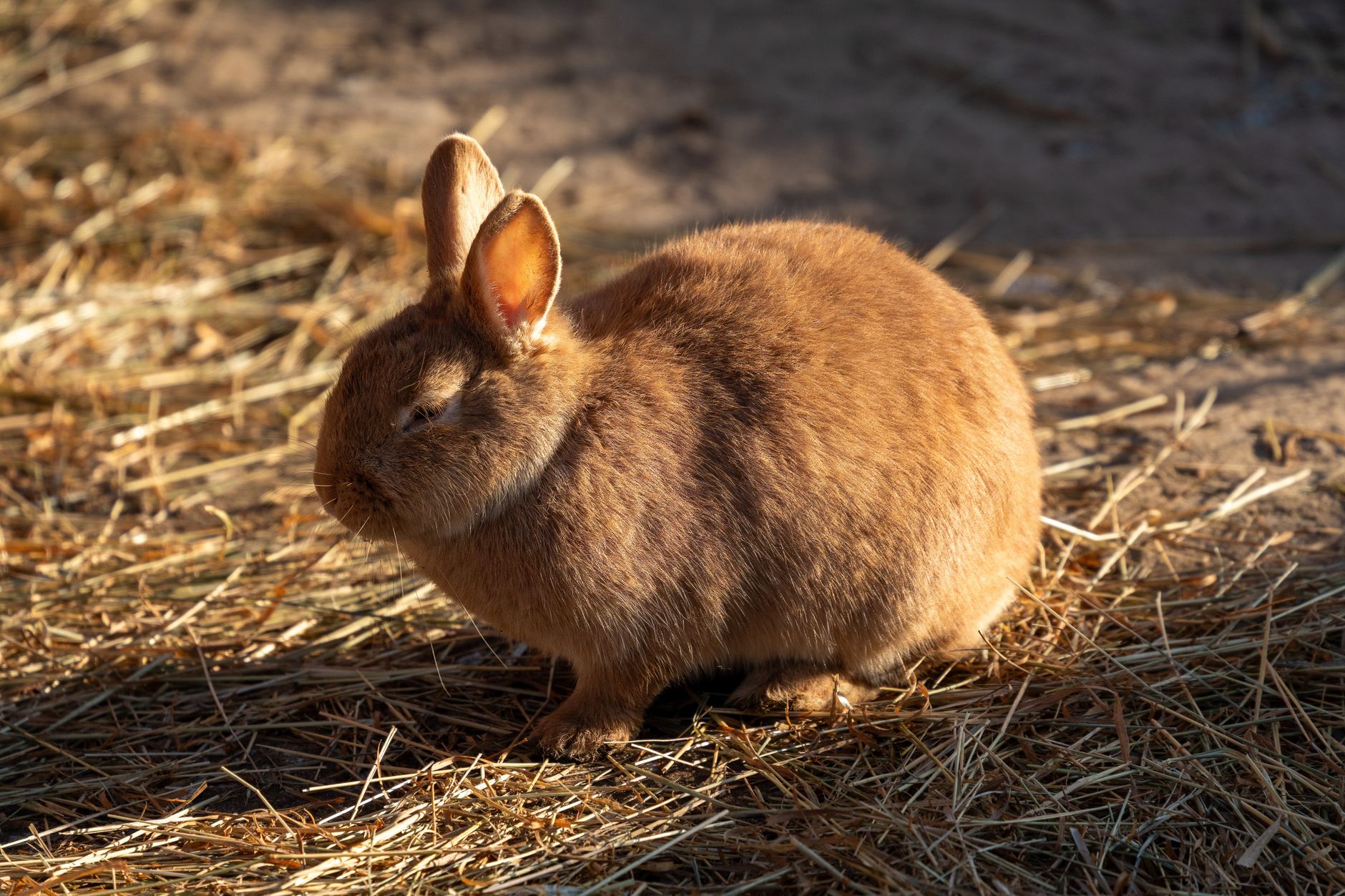
Understanding thyroid levels in rabbits is crucial, as these values can vary based on age and overall health rather than breed. Rabbits of different ages may exhibit distinct patterns in their thyroid hormone levels due to physiological changes throughout life stages. For instance, younger rabbits often have higher baseline T4 levels compared to older rabbits, reflecting the metabolic demands associated with growth and development.
Age-related changes in thyroid function are more pronounced than breed-specific differences in rabbits. Younger rabbits typically maintain a slightly elevated range of total thyroxine (T4) at 0.6-1.98 µg/dL, which can naturally rise to outside the reference interval during periods of rapid growth or stress. Conversely, senior rabbits may show lower T4 levels due to reduced metabolic activity and potential underlying health issues such as kidney disease.
- For young rabbits (under 1 year old), a T4 level above the reference interval might indicate physiological stress or an impending illness that requires veterinary attention. If the T4 level exceeds the reference interval, it is considered critical and immediate medical intervention should be sought.
- In senior rabbits (over 7 years old), a T4 level below the reference interval could suggest hypothyroidism or other systemic issues affecting thyroid function. A TSH level above 3 mU/L in this age group may indicate primary hypothyroidism, necessitating further diagnostic evaluation.
Free thyroxine (FT4) levels also vary with age and health status. Young rabbits generally have FT4 levels within the normal range of 0.6-1.98 µg/dL, which can rise to outside the reference interval during growth spurts or illness. In contrast, senior rabbits may exhibit lower FT4 levels due to decreased thyroid hormone production or reduced binding protein availability.
It is important for rabbit owners to monitor their pets’ thyroid levels regularly and consult a veterinarian if any significant deviations from the normal ranges are observed. For instance, if a young rabbit’s TSH level exceeds 3 mU/L, it could indicate primary hypothyroidism or secondary issues affecting pituitary function.
Frequently Asked Questions
What do abnormal T4, FT4, and TSH levels indicate in rabbits?
Abnormal thyroid hormone levels (T4, FT4, TSH) can suggest hypothyroidism or hyperthyroidism. Elevated T4 (outside the reference interval) and FT4 (outside the reference interval), along with low TSH (<0.3 mU/L), typically indicate hyperthyroidism, while decreased T4 (outside the reference interval) and FT4 (outside the reference interval) with elevated TSH (>4 mU/L) suggest hypothyroidism.
How often should I have my rabbit’s thyroid levels checked?
The frequency of thyroid testing depends on the rabbit’s age, health status, and any existing medical conditions. Young rabbits generally do not require routine thyroid screening unless symptoms are present. For senior rabbits or those with chronic diseases, it is advisable to check thyroid function annually as part of a comprehensive wellness exam.
Can diet influence my rabbit’s thyroid hormone levels?
Diet can indirectly affect thyroid health by influencing overall metabolic rate and nutrient availability. Ensuring your rabbit has adequate fiber intake from hay and vegetables supports healthy metabolism, which is crucial for maintaining normal thyroid function. However, specific dietary changes should be guided by a veterinarian to avoid unintended consequences.
What medications are used to treat hyperthyroidism in rabbits?
In cases of hyperthyroidism where surgery or radioactive iodine therapy is not feasible, antithyroid drugs such as methimazole may be prescribed. These medications work by inhibiting the production of thyroid hormones and require careful monitoring due to potential side effects.
How do I monitor my rabbit’s thyroid levels at home?
Monitoring your rabbit’s thyroid function at home can include observing for changes in behavior, appetite, or energy levels that might indicate a shift in hormone balance. Regular veterinary check-ups remain essential for accurate blood tests and professional assessment.
What are the signs of an emergency situation with thyroid issues?
Sudden onset of lethargy, extreme weight loss, severe dehydration, or neurological symptoms such as seizures can be indicative of a critical thyroid condition requiring immediate veterinary attention. These signs should prompt urgent care to prevent further complications.
Are there breed-specific risks for thyroid disorders in rabbits?
No strong breed predilection has been documented for this parameter in rabbits. Husbandry, diet (long-stem fiber availability), and age matter more than breed when considering the risk of thyroid disorders.
How does stress affect my rabbit’s thyroid levels?
Stress can temporarily elevate cortisol levels, which may influence thyroid hormone metabolism but typically does not cause chronic changes in T4, FT4, or TSH unless there is an underlying thyroid disorder. Chronic stress should be managed to support overall health.
What other blood tests are important for senior rabbits?
In addition to thyroid function tests, senior rabbits benefit from regular complete blood count (CBC), serum chemistry panel, and urinalysis to screen for common age-related conditions such as kidney disease or liver dysfunction. These tests help in early detection and management of health issues.
Can high TSH levels be a sign of something other than hypothyroidism?
Elevated TSH (>4 mU/L) can sometimes occur due to non-thyroidal illness (sick euthyroid syndrome), where the body’s overall metabolic state affects thyroid hormone regulation. This condition is often transient and resolves as the underlying illness improves.
Reference intervals — chemistry
Values below come from the rabbit chemistry reference panel; each figure links to the source it was taken from.
| Parameter | Reference interval (rabbit) |
|---|---|
| ALT | 10.9-95.1 U/L |
| ALP | 27-160 U/L |
| BUN | 20-45 mg/dL |
| Creatinine | 0.5-2.5 mg/dL |
| Calcium | 11-14 mg/dL |
Sources & Further Reading
This article draws on the following authoritative veterinary references. For your pet’s individual case, consult a licensed veterinarian.
- Merck Veterinary Manual — comprehensive clinical reference for veterinary practice
- IRIS Kidney Guidelines — International Renal Interest Society — kidney staging and management
- ACVIM Consensus Statements — American College of Veterinary Internal Medicine