Why Is Dehydration Important for Your Dog’s Health?
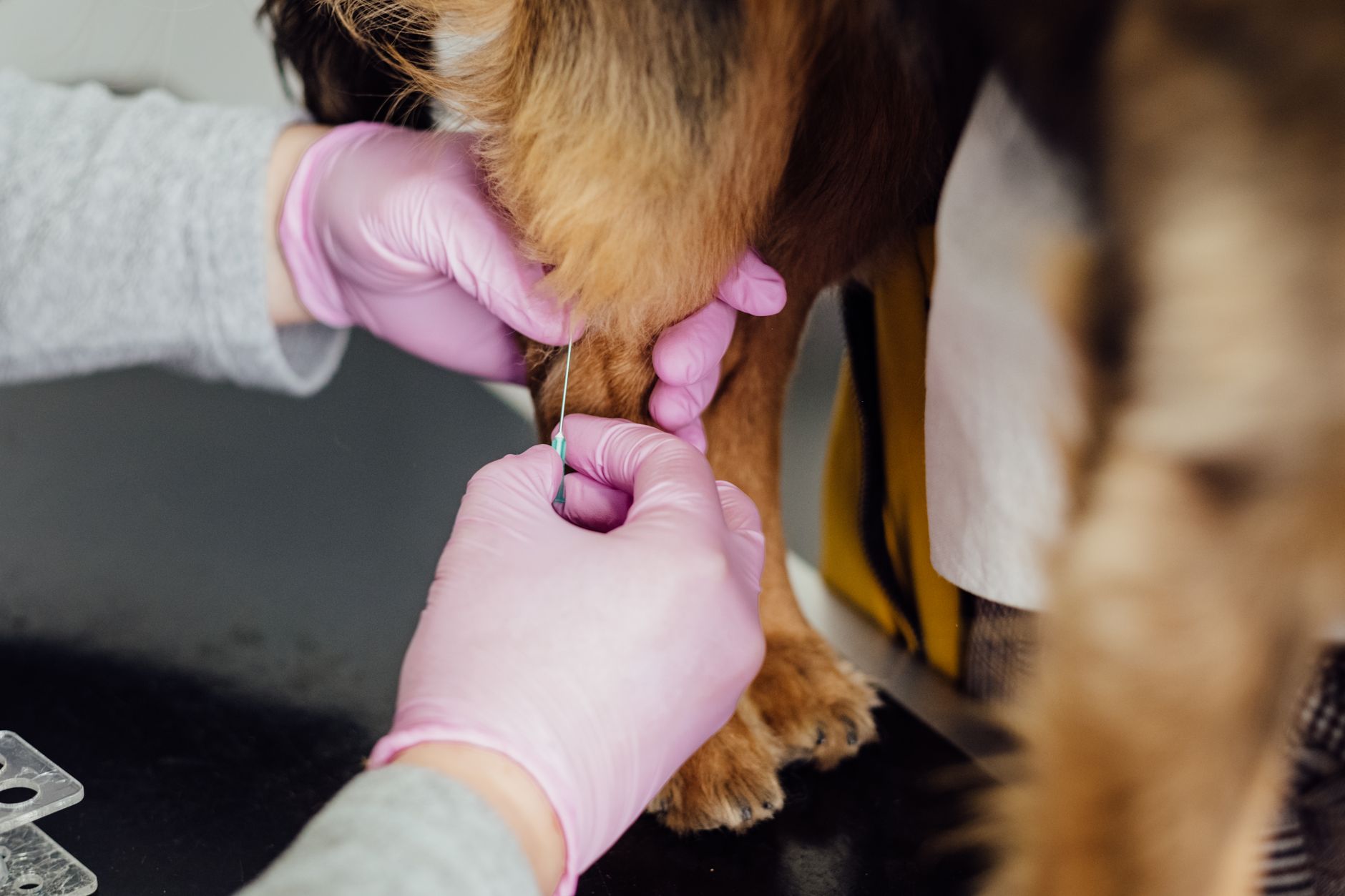
The normal reference range for hematocrit in dogs is 41-58%. When a dog becomes dehydrated, the body retains more fluid within the bloodstream and tissues, leading to an increase in HCT levels as the ratio of red blood cells to total blood volume increases. This elevation can be observed alongside other markers such as increased BUN (blood urea nitrogen) and creatinine levels.
Dehydration should always be interpreted alongside other clinical signs and laboratory findings. For instance, a markedly elevated hematocrit in conjunction with high BUN but normal or only mildly elevated creatinine may suggest prerenal azotemia due to dehydration rather than intrinsic renal disease. Other causes of an elevated hematocrit include blood loss (where the remaining red cells become more concentrated) and certain types of polycythemia.
When a veterinarian identifies dehydration, treatment typically involves fluid therapy administered intravenously or subcutaneously, depending on the severity and clinical presentation. The goal is to restore normal hydration status and correct electrolyte imbalances. Monitoring hematocrit levels during rehydration can help assess the effectiveness of treatment and guide further management.
What Does Hematocrit Measure in Dogs?
Hematocrit (HCT) is a laboratory test that measures the percentage of red blood cells (RBCs) in whole blood. It provides an estimate of the concentration of RBCs and helps assess hydration status, anemia, or polycythemia. The normal reference range for hematocrit in dogs is 41-58%.
A low hematocrit value may indicate conditions such as hemorrhage, blood loss, hemodilution due to fluid administration, or chronic diseases like renal failure and anemia. Conversely, a high hematocrit can suggest dehydration, polycythemia (increased RBC production), or certain respiratory issues that lead to hypoxia.
Interpreting hematocrit alongside other parameters is crucial for accurate diagnosis. For instance, low hematocrit with concurrent low hemoglobin and reticulocyte count may indicate anemia of chronic disease, while high hematocrit with elevated packed cell volume (PCV) can point towards dehydration or primary polycythemia.
Further tests that a veterinarian might consider include complete blood count (CBC), serum biochemistry panel, urinalysis, and bone marrow examination to determine the underlying cause of abnormal hematocrit levels. Treatment is tailored based on the identified condition; for example, fluid therapy may be indicated in cases of dehydration or anemia.
For more information on how dehydration affects other blood parameters like white blood cells (WBC) and phosphorus levels, see our articles on dehydration and WBC levels in dogs and dehydration and phosphorus levels in dogs. Additionally, understanding the relationship between hematocrit and RBC can provide further insights into a dog’s health status; read our article on hematocrit vs RBC in dogs.
Normal Hematocrit Levels for Dogs

Hematocrit, also known as packed cell volume (PCV), is a measure of the proportion of red blood cells in whole blood. It reflects the concentration of oxygen-carrying hemoglobin and can indicate hydration status or anemia. In clinical practice, hematocrit levels are crucial for assessing a dog’s overall health and identifying potential issues such as dehydration or anemia.
The normal reference range for hematocrit in dogs is 41-58%. Values outside this range may suggest underlying conditions such as dehydration, polycythemia (increased red blood cell mass), or anemia (decreased red blood cell mass). For instance, if a dog’s hematocrit level is consistently above the normal range, it could indicate that the animal is dehydrated and requires immediate fluid therapy. Conversely, if the hematocrit levels are below the reference range, this may suggest anemia, which can be caused by various factors including chronic blood loss or bone marrow disorders.
- Dehydration: Hematocrit levels can be elevated due to reduced plasma volume. This is because when a dog becomes dehydrated, there is less fluid in the bloodstream, leading to a higher concentration of red blood cells relative to total blood volume. Clinically, this condition may present with symptoms such as lethargy, dry mucous membranes, and poor skin turgor.
- Anemia: This condition is characterized by a decrease in the number of circulating red blood cells, leading to lower hematocrit values. Anemic dogs often exhibit signs like pale gums, weakness, and rapid breathing. The underlying causes can range from iron deficiency to chronic diseases that affect bone marrow production.
In addition to hematocrit, other parameters such as hemoglobin concentration and mean corpuscular volume (MCV) should be evaluated alongside to provide a comprehensive picture of the patient’s condition. Further tests may include complete blood count (CBC), reticulocyte count, and iron studies to determine the cause of abnormal hematocrit levels.
| Parameter | Normal Range |
|---|---|
| Hematocrit | 41-58% |
The relationship between dehydration and hematocrit levels is closely linked to the body’s fluid balance. When a dog becomes dehydrated, the concentration of red blood cells increases relative to plasma volume, leading to an elevated hematocrit level. This can be assessed through dehydration and sodium levels in dogs or other electrolyte imbalances that accompany dehydration.
Anemia, on the other hand, is characterized by a decrease in red blood cell mass. This condition can be further evaluated through dehydration and albumin levels in dogs, as low albumin levels may indicate chronic inflammation or malnutrition contributing to anemia.
Understanding the interplay between hematocrit, hydration status, and other blood parameters is crucial for diagnosing and managing these conditions effectively. For instance, a comprehensive approach might include evaluating dehydration and fibrinogen levels in dogs to assess the inflammatory response associated with dehydration or anemia.
What Causes Dehydration in Dogs?
Dehydration in dogs can result from various causes, including inadequate water intake, excessive fluid loss, and underlying medical conditions. Common triggers include vomiting, diarrhea, fever, panting due to heat or exercise, and kidney disease. Each of these factors disrupts the body’s delicate balance of fluids and electrolytes, leading to dehydration if not addressed promptly.
- Vomiting: Frequent episodes of vomiting lead to rapid fluid loss through the gastrointestinal tract, causing dehydration. This can be exacerbated by reduced water intake due to nausea or reluctance to eat.
- Diarrhea: Persistent loose stools can result in significant water loss through the gastrointestinal tract. Diarrhea not only depletes fluids but also disrupts electrolyte balance, leading to further complications if left untreated.
- Fever: Elevated body temperature increases metabolic rate and fluid requirements, leading to dehydration if not adequately replenished. Dogs with fever may also experience reduced appetite and thirst, compounding the issue.
- Panting: Excessive panting due to heat or strenuous exercise causes rapid evaporation of moisture from the respiratory system, resulting in significant water loss. This is particularly dangerous during hot weather or intense physical activity without proper hydration.
- Kidney Disease: Chronic kidney disease impairs water reabsorption and electrolyte balance, leading to increased urine output and dehydration. Dogs with chronic renal issues often exhibit polyuria (frequent urination) and polydipsia (increased thirst).
Dehydration can be detected by observing clinical signs such as dry gums, sunken eyes, lethargy, and reduced skin elasticity. Prompt veterinary evaluation is essential for proper diagnosis and treatment. In severe cases, intravenous fluid therapy may be necessary to restore hydration levels and correct electrolyte imbalances.
| Cause | Mechanism | Typical Signs |
|---|---|---|
| Vomiting | Rapid fluid loss through the gastrointestinal tract. | Dry gums, sunken eyes, lethargy. |
| Diarrhea | Excessive water loss through loose stools. | Dry mouth, reduced skin elasticity, weakness. |
| Fever | Increased metabolic rate and fluid requirements. | Warm to the touch, rapid breathing, dehydration. |
| Panting | Rapid evaporation of moisture from the respiratory system. | Dry gums, sunken eyes, reduced skin elasticity. |
| Kidney Disease | Impaired water reabsorption and electrolyte balance. | Increased thirst, frequent urination, lethargy. |
How Does Hematocrit Compare to Other Blood Parameters?

Hematocrit (HCT) is a measure of the percentage of blood volume occupied by red blood cells. It provides insight into the concentration and overall health of these cells, which are crucial for oxygen transport throughout the body. A hematocrit value above the reference range indicates an increased proportion of red blood cells relative to plasma, while a value below this range suggests a lower concentration.
When interpreting hematocrit levels, it is essential to consider other blood parameters such as hemoglobin (Hb) and mean corpuscular volume (MCV). Hemoglobin measures the amount of oxygen-carrying protein in red blood cells. A low Hb level often correlates with a low hematocrit, indicating anemia or reduced red blood cell production. Conversely, high levels may suggest polycythemia, where there is an excess of red blood cells.
Mean corpuscular volume (MCV) indicates the average size of red blood cells. A low MCV suggests microcytic anemias like iron deficiency, while a high MCV points to a regenerating marrow releasing large young cells. These parameters together help diagnose various hematological disorders and guide further diagnostic tests.
- Hematocrit: Measures the percentage of red blood cells in whole blood.
- Hemoglobin: Reflects the oxygen-carrying capacity of red blood cells.
- Mean Corpuscular Volume (MCV): Indicates the average size of red blood cells.
| Parameter | Normal Range |
|---|---|
| Hematocrit (HCT) | 41-58% |
| Hemoglobin (Hb) | 14.1-20.1 g/dL |
| Mean Corpuscular Volume (MCV) | 64-76 fL |
How Do You Interpret Hematocrit Levels?
Hematocrit (HCT) is a measure of the percentage of blood volume occupied by red blood cells. It reflects the concentration and number of erythrocytes in circulation, providing insight into oxygen-carrying capacity. A hematocrit level above or below the normal reference range can indicate various conditions affecting red blood cell production, destruction, or loss.
The normal reference range for hematocrit in dogs is 41-58%. Hematocrit levels that fall outside this range may suggest underlying health issues and warrant further investigation by a veterinarian.
| Finding | What it may suggest | Suggested next step |
|---|---|---|
| Above the reference range | Polycythemia, dehydration, or erythropoietin overproduction | Further blood work and imaging to determine cause |
| Below the reference range | Anemia, hemorrhage, or bone marrow suppression | Complete blood count (CBC) and reticulocyte count to assess red cell production |
| Markedly elevated hematocrit | Potential for hyperviscosity and thrombosis | Hydration therapy and monitoring of blood viscosity |
| Markedly low hematocrit | Severe anemia requiring urgent intervention | Immediate veterinary care and blood transfusion if necessary |
| Stable hematocrit with concurrent changes in other parameters | Indicates a compensatory mechanism or chronic condition | Comprehensive evaluation of overall health status and underlying causes |
A hematocrit level above the normal reference range can indicate polycythemia, which may be due to dehydration or increased erythropoietin production. Polycythemia can lead to hyperviscosity syndrome, increasing the risk of thrombosis and other circulatory issues. In such cases, further blood work and imaging are necessary to determine the underlying cause.
Conversely, a hematocrit level below the normal range suggests anemia or hemorrhage. Anemia can result from chronic disease, nutritional deficiencies, or bone marrow suppression. Hemorrhagic conditions may be acute or chronic, requiring immediate intervention in severe cases. A complete blood count (CBC) and reticulocyte count are essential to assess red cell production and identify the cause of anemia.
Markedly elevated hematocrit levels can indicate a high risk for hyperviscosity and thrombosis, necessitating hydration therapy and close monitoring of blood viscosity. In contrast, markedly low hematocrit levels may require urgent veterinary care and potential blood transfusion to stabilize the patient.
In cases where hematocrit remains stable but other parameters show changes, it suggests a compensatory mechanism or chronic condition. Comprehensive evaluation of overall health status is crucial to identify underlying causes and guide appropriate management strategies.
Are There Breed or Age Differences in Hematocrit Levels?
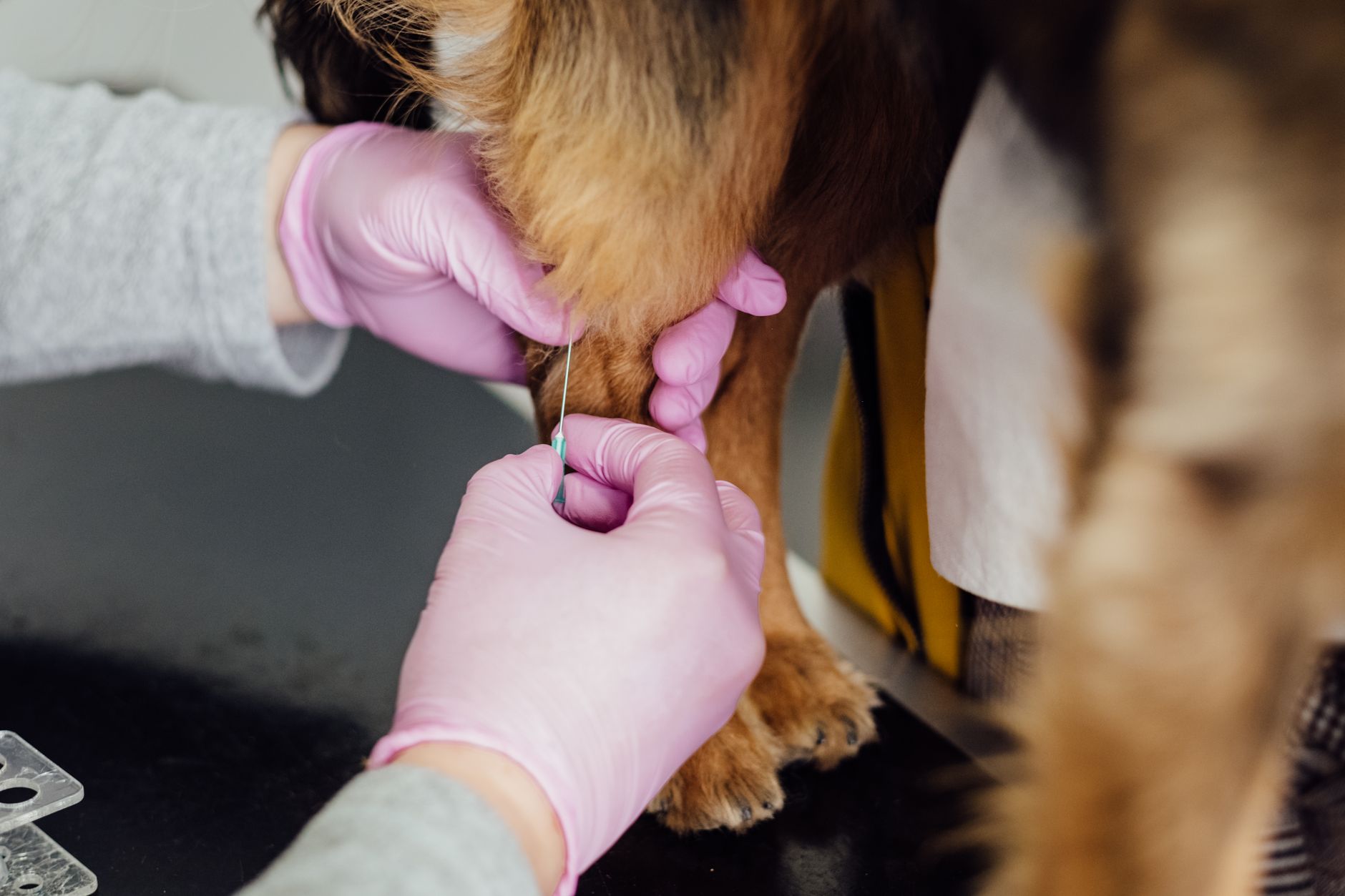
Hematocrit (HCT) is a measure of the percentage of red blood cells in whole blood. The normal reference range for hematocrit in dogs is 41-58%. No strong breed predilection has been documented for this parameter; most cases occur in mixed-breed dogs without specific genetic predisposition.
Age can influence hematocrit levels, with growing puppies typically having slightly higher values compared to adult dogs due to increased red blood cell production during growth phases. Conversely, older dogs may have lower hematocrit levels if they experience anemia or chronic diseases that affect red blood cell production.
- Primary Causes of Abnormal Hematocrit Levels:
Increase in hematocrit can be associated with dehydration, polycythemia (increased red blood cells), and certain types of anemia where the body compensates by increasing red cell production. Decrease in hematocrit is commonly seen in conditions such as hemorrhage, chronic kidney disease, or bone marrow disorders.
When evaluating hematocrit levels, it’s important to interpret them alongside other parameters like hemoglobin and packed cell volume (PCV) for a comprehensive assessment of the animal’s health status. A veterinarian may also consider additional tests such as complete blood count (CBC), reticulocyte count, or bone marrow examination to determine the underlying cause.
How Is Dehydration Treated in Dogs?
Treating dehydration in dogs involves restoring fluid balance and addressing the underlying cause. The primary goal is to replenish lost fluids and electrolytes, which may be achieved through oral or intravenous (IV) administration depending on the severity of dehydration. Oral rehydration solutions are often used for mild cases, while severe dehydration typically requires immediate IV therapy.
- Oral Rehydration: For mild cases, a veterinarian might recommend administering an oral rehydration solution. This approach helps gradually restore fluid balance without requiring hospitalization. The solution should contain appropriate amounts of electrolytes to replace those lost due to dehydration. It is crucial that the dog drinks enough of this solution over time to effectively address the issue.
- Intravenous Fluids: Severe dehydration often requires immediate IV therapy to rapidly correct electrolyte imbalances and stabilize the dog’s condition. The choice of fluids (e.g., isotonic saline, lactated Ringer’s solution) depends on the specific needs identified by blood tests. For instance, if a dog is severely dehydrated with elevated sodium levels, isotonic saline might be used to quickly restore fluid balance.
The veterinarian will determine the appropriate treatment based on clinical signs, body weight, and laboratory results such as sodium (143-150 mEq/L), potassium (4.1-5.4 mEq/L), chloride (106-114 mEq/L), and bicarbonate levels. Monitoring these parameters helps ensure that fluid therapy is effective and prevents complications like electrolyte imbalances.
| Marker | Normal Range | Clinical Significance in Dehydration |
|---|---|---|
| Sodium (143-150 mEq/L) | 143-150 mEq/L | Elevated sodium may indicate dehydration or fluid loss. |
| Potassium (4.1-5.4 mEq/L) | 4.1-5.4 mEq/L | Low potassium can occur with severe dehydration. |
| Chloride (106-114 mEq/L) | 106-114 mEq/L | Elevated chloride may suggest dehydration or metabolic acidosis. |
| Bicarbonate (20-29 mmol/L) | 20-29 mmol/L | Low bicarbonate can indicate metabolic acidosis due to dehydration. |
Summary: Understanding Hematocrit Levels and Dehydration in Dogs

Hematocrit (HCT) is a measure of the percentage of red blood cells (RBCs) in whole blood. It reflects the concentration of RBCs relative to plasma volume, providing insight into hydration status and overall blood health. The normal reference range for hematocrit in dogs is 41-58%.
Dehydration can significantly impact hematocrit levels. When a dog becomes dehydrated, the body loses fluid but retains red blood cells, leading to an increase in hematocrit values. This elevation may indicate that the animal needs immediate veterinary attention and rehydration therapy. Other conditions associated with elevated hematocrit include dehydration due to vomiting or diarrhea, chronic kidney disease, and certain cardiovascular disorders.
Interpreting hematocrit levels alongside other parameters is crucial for accurate diagnosis. For instance, a high hematocrit in conjunction with low blood pressure (hypotension) may suggest hypovolemic shock from severe fluid loss. Additionally, assessing serum osmolality or packed cell volume (PCV) can provide further context and confirm dehydration.
Further tests that a veterinarian might consider include complete blood count (CBC), biochemistry profile, urinalysis, and assessment of electrolyte balance to determine the underlying cause of elevated hematocrit. Treatment typically involves intravenous fluid therapy tailored by the attending veterinarian based on clinical signs and laboratory findings.
Frequently Asked Questions
What does hematocrit measure?
Hematocrit measures the proportion of red blood cells in whole blood, indicating the concentration of these cells relative to plasma volume.
Can other conditions besides dehydration cause high hematocrit levels?
Yes, primary polycythemia, where there’s an increased red cell mass due to bone marrow overproduction, can also elevate hematocrit levels.
Why would my dog have low hematocrit levels?
Low hematocrit indicates anemia, often caused by blood loss, hemolysis, or decreased red blood cell production, leading to fewer circulating red blood cells.
Is hematocrit affected by stress?
Stress doesn’t directly alter hematocrit levels; however, it may indirectly influence results through physiological responses like mild hemoconcentration but not significantly enough to be clinically relevant.
When should I worry about my dog’s hematocrit level?
You should consult your veterinarian if your dog’s hematocrit level consistently falls outside the reference range, especially if accompanied by symptoms such as lethargy, pale gums, or rapid breathing.
What tests help diagnose causes of abnormal hematocrit?
Additional tests include a complete blood count (CBC) to assess red blood cell morphology, reticulocyte count to evaluate erythropoiesis, and iron studies to check for deficiencies contributing to anemia.
Can medications change hematocrit levels?
Certain medications that stimulate red blood cell production, such as erythropoietin, might increase hematocrit levels. Always discuss medication effects with your vet.
Should I recheck hematocrit regularly?
Rechecking hematocrit is recommended when initial abnormalities are identified or if clinical signs persist, helping monitor treatment efficacy and overall health.
How accurate are home hematocrit test kits compared to veterinary clinics?
Home test kits may provide approximate values but lack the precision and accuracy of professional laboratory equipment used at veterinary clinics.
Could chronic diseases cause persistent changes in hematocrit?
Chronic conditions like kidney disease can lead to persistent changes in hematocrit due to altered fluid balance and bone marrow function over time.
Why would a high hematocrit indicate polycythemia rather than dehydration?
A persistently high hematocrit suggests primary polycythemia if no evidence of dehydration exists, indicating excessive red blood cell production rather than concentration from reduced plasma volume.
Is it possible to have both low and high hematocrit simultaneously?
Simultaneous occurrence of low and high hematocrit is unlikely without underlying complex medical issues affecting multiple systems; thorough investigation is necessary to identify specific causes.
Sources & Further Reading
This article draws on the following authoritative veterinary references. For your pet’s individual case, consult a licensed veterinarian.
- Merck Veterinary Manual — comprehensive clinical reference for veterinary practice
- Veterinary Clinical Pathology — clinical pathology research and case studies
Cite this articleMarcin Siedlecki. Dehydration and Hematocrit Levels in Dogs. VetBlood, 2026. https://vetblood.io/blog/dehydration-and-hematocrit-levels-in-dogs/Feel free to quote or reference this article, in whole or in part, with attribution and a link back.