Why Are Blood Tests Important for Dogs with Hypothyroidism?
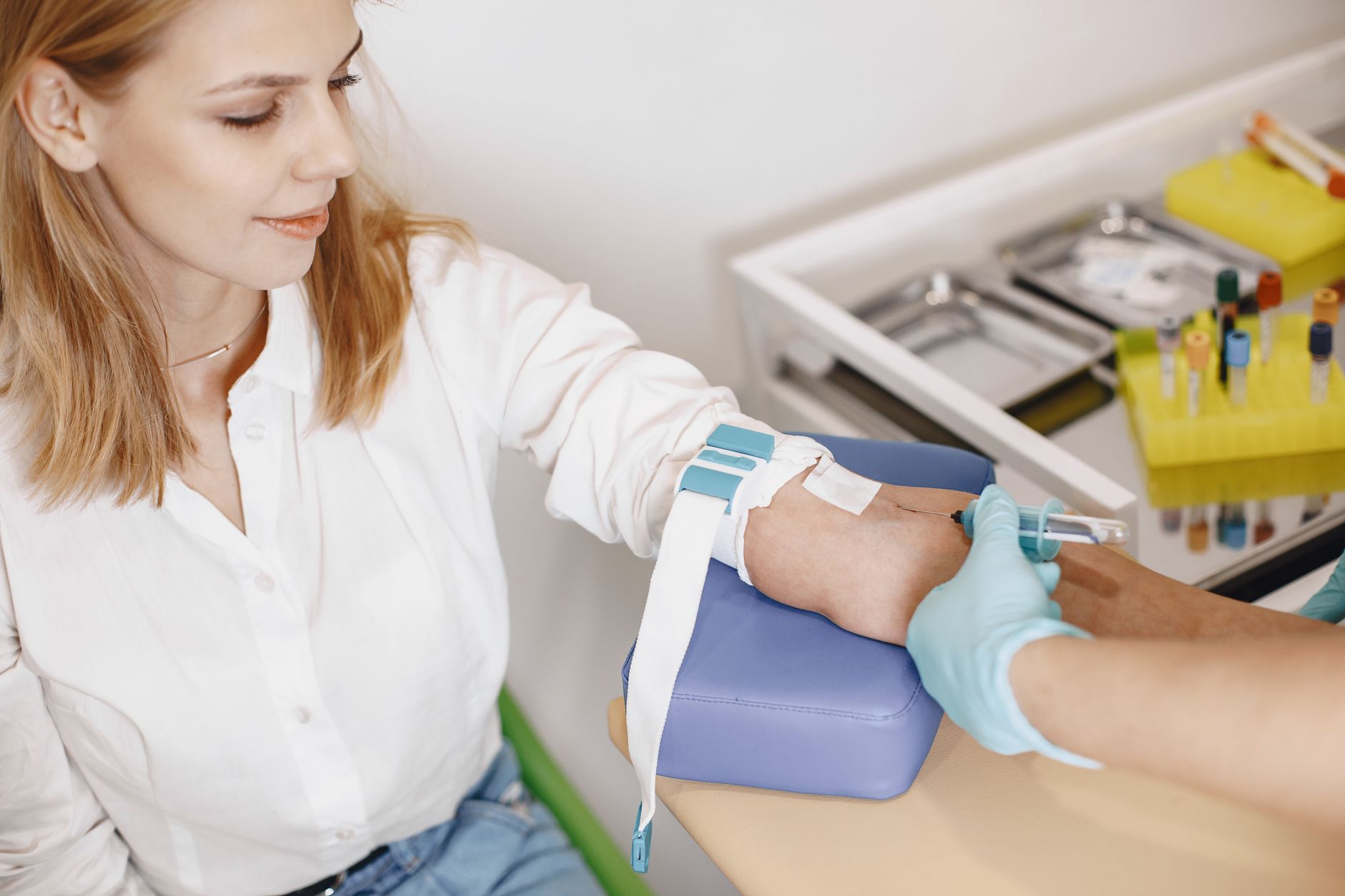
Total T4 is one of the most commonly measured hormones in dogs with suspected hypothyroidism. The normal reference range for Total T4 in dogs is 1.3-4.5 µg/dL. A value below this range may suggest primary hypothyroidism, while values within or above the normal range do not confirm hypothyroidism on their own and should be interpreted alongside other clinical findings.
Free T4 (fT4) provides a more direct measure of biologically active thyroid hormone in circulation. The normal reference range for Free T4 is 7.7-47.6 pmol/L. Elevated levels are less common but can occur due to non-thyroidal illness or certain medications that interfere with binding proteins.
Thyroid-Stimulating Hormone (TSH) helps assess the pituitary gland’s response to low thyroid hormone levels. The normal reference range for TSH in dogs is 0.03-0.50 ng/mL. Elevated TSH levels may indicate primary hypothyroidism, as the pituitary gland attempts to stimulate a non-responsive thyroid gland.
Interpreting these blood tests alongside clinical signs such as lethargy, weight gain, hair loss, and skin changes helps veterinarians make an accurate diagnosis. Blood tests also guide treatment decisions and monitor response to therapy over time.
- Total T4: Below the normal range may indicate hypothyroidism but should be interpreted alongside other findings.
- Free T4 (fT4): Elevated levels can occur due to non-thyroidal illness or certain medications, so context is important.
- TSH: Elevated levels suggest primary hypothyroidism as the pituitary gland attempts to stimulate a non-responsive thyroid gland.
In addition to these markers, veterinarians may consider further tests such as T3 (triiodothyronine) and anti-thyroglobulin antibodies if initial results are inconclusive or if there is suspicion of autoimmune thyroiditis. These additional tests help refine the diagnosis and guide appropriate treatment.
What is Hypothyroidism in Dogs?
Hypothyroidism in dogs refers to a condition where the thyroid gland does not produce enough thyroid hormones, primarily thyroxine (T4). This leads to a decrease in metabolic rate and can cause various clinical signs such as weight gain, lethargy, skin problems, and hair loss. The normal reference range for Total T4 in dogs is 1.3-4.5 µg/dL.
Several breeds are predisposed to hypothyroidism, including the Doberman, Golden Retriever, Irish Setter, Boxer, Cocker Spaniel, and Dachshund. These breeds may develop primary hypothyroidism due to lymphocytic thyroiditis or idiopathic atrophy of the thyroid gland.
When evaluating a dog for hypothyroidism, Total T4 levels are often measured alongside free T4 (fT4) and Thyroid-Stimulating Hormone (TSH). A low Total T4 level may indicate hypothyroidism but should be interpreted in conjunction with other findings. For example, if the Total T4 is below normal and fT4 is also low, while TSH is elevated, this pattern strongly suggests primary hypothyroidism.
Further tests that a veterinarian might consider include a complete blood count (CBC) to check for anemia or changes in white blood cell counts, as well as a serum chemistry panel to assess overall organ function. Additionally, the veterinarian may recommend imaging studies such as ultrasound of the thyroid gland to look for structural abnormalities.
The treatment for hypothyroidism typically involves hormone replacement therapy, set by the veterinarian according to the dog’s clinical picture. The goal of treatment is to normalize thyroid hormone levels and alleviate symptoms associated with hypothyroidism.
Normal Blood Test Ranges for Thyroid Hormones in Canines
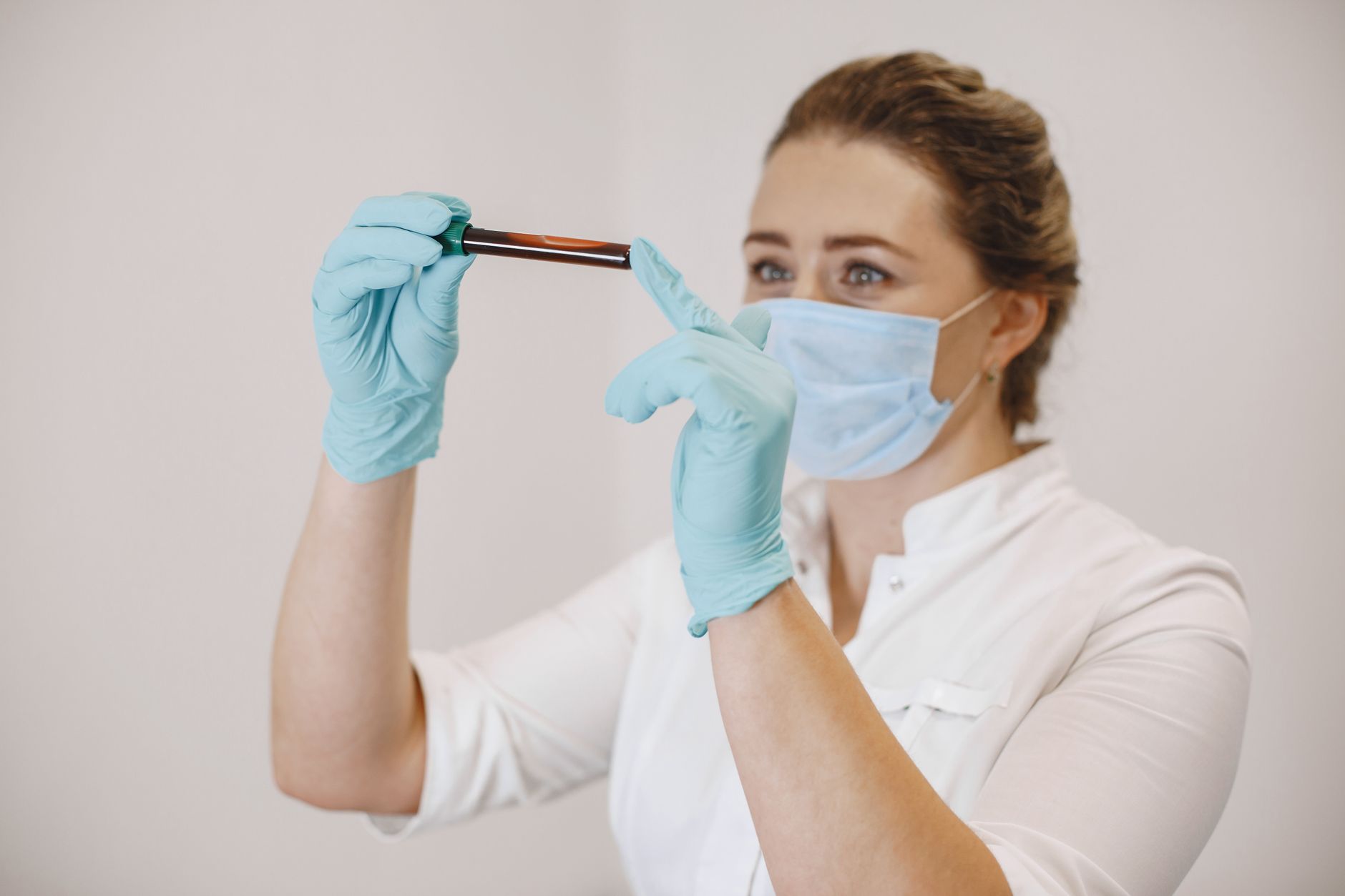
The thyroid gland plays a crucial role in regulating metabolism and growth in dogs. Abnormal levels of thyroid hormones can indicate various conditions, including hypothyroidism or hyperthyroidism. Understanding the normal reference ranges is essential for interpreting test results accurately.
- Total T4 (Thyroxine): This hormone is produced by the thyroid gland and circulates in the bloodstream bound to proteins. It reflects overall thyroid function.
- Free T4: The free form of thyroxine, which is not bound to proteins, is more readily available for tissues to use.
- TSH (Thyroid-Stimulating Hormone): Produced by the pituitary gland, TSH stimulates the thyroid gland to produce and release T4.
Abnormal levels of these hormones can be associated with several conditions. For instance, hypothyroidism is more commonly seen in certain breeds such as Doberman Pinschers, Golden Retrievers, Irish Setters, Boxers, Cocker Spaniels, and Dachshunds. In hypothyroidism, the thyroid gland does not produce enough T4, leading to a decrease in metabolic rate.
It is important to interpret these markers alongside other clinical findings and laboratory tests. For example, elevated TSH levels may indicate primary hypothyroidism where the thyroid gland itself is failing to produce sufficient hormones. Conversely, low TSH with decreased total T4 could suggest secondary hypothyroidism due to pituitary dysfunction.
| Parameter | Normal Range |
|---|---|
| Total T4 | 1.3-4.5 µg/dL |
| Free T4 | 7.7-47.6 pmol/L |
| TSH | 0.03-0.50 ng/mL |
Further tests such as a complete blood count (CBC) and serum chemistry panel may be necessary to evaluate the overall health status of the dog. The veterinarian will determine the appropriate course of action based on these results, which could include hormone replacement therapy or other interventions.
Causes and Risk Factors for Hypothyroidism in Dogs
Hypothyroidism is a common endocrine disorder in dogs, characterized by an insufficient production of thyroid hormones. The primary causes include lymphocytic thyroiditis (an autoimmune condition) and idiopathic atrophy of the thyroid gland. These conditions lead to reduced levels of circulating thyroid hormones, such as total T4 and free T4, which are crucial for metabolic regulation.
Several breeds have a documented predisposition to hypothyroidism, including Doberman Pinschers, Golden Retrievers, Irish Setters, Boxers, Cocker Spaniels, and Dachshunds. These dogs may develop the condition due to genetic factors that increase susceptibility to autoimmune thyroiditis or other mechanisms leading to thyroid gland dysfunction.
Other risk factors for hypothyroidism include age (typically middle-aged to older dogs), sex (females are more commonly affected than males), and environmental triggers such as stress, nutritional deficiencies, and certain medications. Hypothyroidism can also occur secondary to non-thyroidal illness or following thyroidectomy.
Genetic predisposition plays a significant role in the development of hypothyroidism in dogs. For instance, Doberman Pinschers are known for their high incidence of autoimmune thyroiditis, which is often linked to specific genetic markers that increase susceptibility to this condition. Similarly, Golden Retrievers and Cocker Spaniels have been identified as having a higher risk due to inherited factors affecting the immune system’s response to the thyroid gland.
Age-related changes in the immune system can also contribute to the development of hypothyroidism. Middle-aged to older dogs are more prone to developing autoimmune conditions, including lymphocytic thyroiditis, which leads to inflammation and destruction of thyroid tissue over time. This age-related decline in immune function may be exacerbated by chronic stress or nutritional deficiencies.
Environmental factors such as prolonged periods of stress can trigger the onset of hypothyroidism in genetically predisposed dogs. Stress-induced changes in hormone levels can disrupt normal thyroid gland function, leading to reduced production of thyroid hormones and subsequent clinical signs of hypothyroidism. Additionally, certain medications may interfere with thyroid hormone synthesis or metabolism, further contributing to the development of this condition.
- Lymphocytic Thyroiditis: An autoimmune condition where the immune system attacks the thyroid gland, leading to inflammation and destruction of thyroid tissue.
- Idiopathic Atrophy: A degenerative process that results in the loss of functional thyroid tissue without an identifiable cause.
| Cause | Mechanism | Typical Signs |
|---|---|---|
| Lymphocytic Thyroiditis | Autoimmune destruction of thyroid tissue | Weight gain, lethargy, hair loss, skin changes |
| Idiopathic Atrophy | Degeneration of thyroid tissue without known cause | Similar to lymphocytic thyroiditis but often less severe |
| Non-Thyroidal Illness | Secondary hypothyroidism due to systemic illness | Variable, depending on the underlying condition |
| Thyroidectomy | Surgical removal of thyroid gland | Severe hypothyroidism requiring hormone replacement therapy |
| Nutritional Deficiencies | Inadequate intake of essential nutrients | Weight loss, poor coat condition, lethargy |
| Stress and Environmental Factors | Increased stress levels affecting thyroid function | Variable, depending on the degree of stress |
Differentiating Hypothyroidism from Other Thyroid Disorders
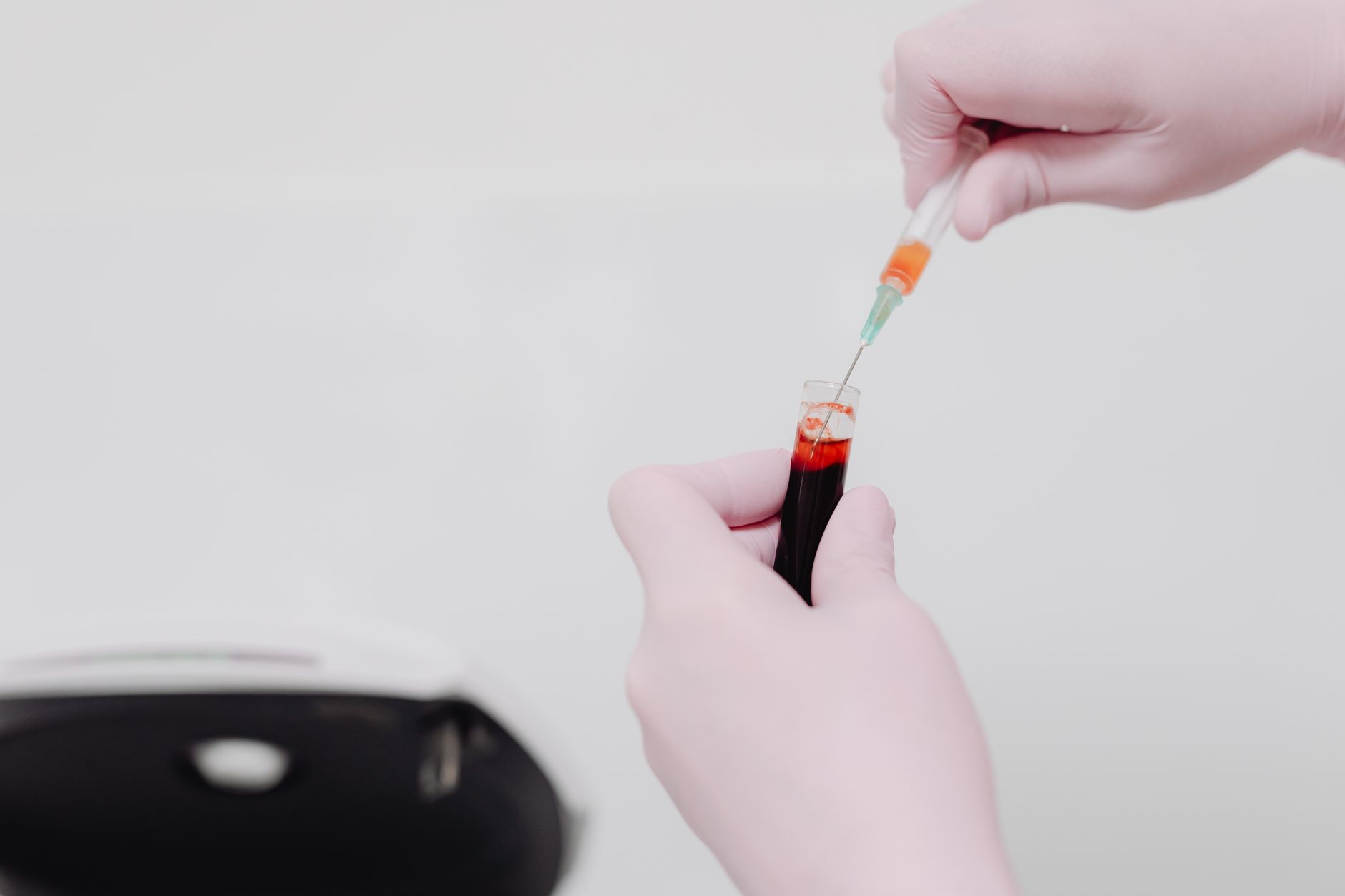
Hypothyroidism in dogs is a common endocrine disorder characterized by decreased thyroid hormone production. It can be differentiated from other thyroid disorders through the measurement of TSH, Total T4, and free T4 levels. Elevated TSH and low Total T4 or free T4 are indicative of primary hypothyroidism. This condition often presents with clinical signs such as lethargy, weight gain, hair loss, and skin changes.
Other thyroid conditions like thyrotoxicosis (hyperthyroidism) can be differentiated by assessing similar markers. In hyperthyroidism, Total T4 is typically elevated while TSH remains suppressed. Additionally, other clinical signs and laboratory findings may help differentiate between these disorders. For example, increased liver enzymes or cardiac biomarkers might suggest thyrotoxicosis rather than hypothyroidism. Hyperthyroid dogs often exhibit symptoms such as weight loss despite an increased appetite, hyperactivity, and heart murmurs.
It’s important to note that the interpretation of thyroid function tests should be done in conjunction with a thorough clinical evaluation by a veterinarian. The presence of other symptoms and physical examination findings can provide additional context for diagnosis. For instance, if a dog presents with weight loss, increased appetite, and heart murmurs, hyperthyroidism might be suspected even before laboratory results are available.
Furthermore, it is crucial to consider the breed predispositions when evaluating thyroid disorders in dogs. Certain breeds such as Boxers, Golden Retrievers, and Doberman Pinschers have a higher incidence of hypothyroidism compared to others like Siamese cats or ferrets which rarely develop this condition. Understanding these breed-specific tendencies can aid in making an accurate diagnosis.
Lastly, it is essential for veterinarians to recognize that thyroid function tests should not be the sole basis for diagnosing thyroid disorders. A comprehensive approach including clinical signs, physical examination findings, and laboratory results will provide a more accurate assessment of the dog’s condition.
| Marker | Normal Range | Interpretation |
|---|---|---|
| TSH | 0.03-0.50 ng/mL | Elevated TSH suggests primary hypothyroidism. |
| Total T4 | 1.3-4.5 µg/dL | Low Total T4 indicates decreased thyroid hormone production. |
| Free T4 | 7.7-47.6 pmol/L | Low Free T4 may be associated with primary hypothyroidism. |
| Total T4 (Hyperthyroidism) | 1.3-4.5 µg/dL | Elevated Total T4 suggests thyrotoxicosis. |
| TSH (Hyperthyroidism) | 0.03-0.50 ng/mL | Suppressed TSH indicates hyperthyroidism. |
How to Interpret Blood Test Results for Hypothyroid Dogs
Hypothyroidism in dogs is a common endocrine disorder characterized by low levels of thyroid hormones. The primary markers used to diagnose and monitor hypothyroidism are Total T4 (TT4), Free T4, and Thyroid-Stimulating Hormone (TSH). A value above or below the reference range for these markers can indicate an issue with thyroid function.
Total T4 (1.3-4.5 µg/dL) is a measure of the total amount of thyroxine in the blood. Free T4, which is not included in standard panels but may be requested by your veterinarian if TT4 results are borderline or equivocal, measures only the unbound portion of T4 that can enter cells and exert its effects.
TSH (0.03-0.50 ng/mL) levels typically rise when there’s a deficiency in thyroid hormone production. Elevated TSH suggests primary hypothyroidism due to decreased feedback inhibition from low circulating thyroid hormones.
| Finding | What it may suggest | Suggested next step |
|---|---|---|
| Total T4 below the reference range | Indicates low thyroid hormone levels, suggesting hypothyroidism. | Further testing with Free T4 and TSH to confirm diagnosis. |
| Total T4 above the reference range | May suggest non-thyroidal illness or euthyroid sick syndrome, where TT4 is elevated despite normal thyroid function. | Evaluate for underlying causes and consider Free T4 to differentiate from true hypothyroidism. |
| TSH above the reference range | Indicates primary hypothyroidism due to decreased feedback inhibition from low circulating thyroid hormones. | May be associated with diagnosis with Total T4 and Free T4 levels. |
A decrease in Total T4 below the reference range suggests hypothyroidism, indicating a deficiency of circulating thyroid hormones. This finding should prompt further testing with Free T4 and TSH to confirm the diagnosis. Elevated TSH levels above the reference range indicate primary hypothyroidism due to decreased feedback inhibition from low circulating thyroid hormones.
Conversely, an increase in Total T4 above the reference range may suggest non-thyroidal illness or euthyroid sick syndrome, where TT4 is elevated despite normal thyroid function. In such cases, evaluating for underlying causes and considering Free T4 levels can help differentiate from true hypothyroidism.
When interpreting these results, it’s important to consider the clinical context of the dog. For example, a mixed-breed dog with lethargy, weight gain, and hair loss may warrant further investigation into thyroid function if Total T4 is below normal range. Similarly, an older Doberman with similar symptoms should also be evaluated for primary hypothyroidism.
The veterinarian will determine the appropriate course of action based on these findings, which may include initiating hormone replacement therapy.
High cholesterol levels can be associated with hypothyroidism, among other conditions. Understanding these relationships helps in diagnosing and managing thyroid disorders accurately.
The veterinarian will determine the appropriate course of action based on these findings, which may include initiating hormone replacement therapy.
Diabetes in dogs can also affect thyroid function and blood test results. It’s important to consider other endocrine disorders when evaluating hypothyroidism.
The veterinarian will determine the appropriate course of action based on these findings, which may include initiating hormone replacement therapy.
Chronic kidney disease can influence thyroid test results, making it crucial to evaluate for multiple conditions when diagnosing hypothyroidism.
Breed Predispositions, Age Considerations, and Emergency Situations
Hypothyroidism is more commonly diagnosed in certain breeds of dogs. For example, Doberman Pinschers, Golden Retrievers, Irish Setters, Boxers, Cocker Spaniels, and Dachshunds are known to have a higher incidence of primary hypothyroidism due to lymphocytic thyroiditis or idiopathic atrophy. These breeds may warrant closer monitoring for signs such as weight gain, lethargy, hair loss, and skin issues. Additionally, other breeds like the Miniature Schnauzer and Airedale Terrier also exhibit a predisposition towards this condition.
Age can also play a significant role in the development of hypothyroidism. Older dogs are more likely to develop this condition compared to younger ones. As dogs age, their thyroid gland function tends to decline, leading to an increased risk of developing primary hypothyroidism. Therefore, regular screening for hypothyroidism is recommended for senior dogs. For instance, a dog might show subtle signs that are initially overlooked but can be indicative of early-stage hypothyroidism.
In emergency situations, a markedly low Total T4 (1.3-4.5 µg/dL) level can indicate severe hypothyroidism or thyroid storm, which requires immediate veterinary intervention. Symptoms such as sudden collapse, seizures, and respiratory distress should prompt an urgent evaluation to rule out these critical conditions. In cases of suspected thyroid storm, the veterinarian will likely order a full thyroid panel including Free T4 (7.7-47.6 pmol/L) and Thyroid-Stimulating Hormone (TSH) levels to assess the severity and guide treatment.
- Total T4: The normal reference range for Total T4 in dogs is 1.3-4.5 µg/dL. A value significantly below this range may indicate hypothyroidism or other thyroid disorders.
The veterinarian will consider additional tests such as Free T4, TSH (Thyroid-Stimulating Hormone), and possibly a full thyroid panel to confirm the diagnosis of hypothyroidism. Treatment typically involves lifelong administration of synthetic thyroid hormone replacement therapy under veterinary supervision. Regular follow-up blood tests are necessary to monitor the effectiveness of treatment and adjust dosages as needed.
Management Strategies and Treatment Options for Hypothyroid Dogs
Hypothyroidism in dogs is a common endocrine disorder characterized by decreased thyroid hormone production. Management typically involves lifelong hormone replacement. The goal is to normalize serum T4 levels and alleviate clinical signs such as lethargy, weight gain, skin changes, and hair loss.
Treatment is adjusted against thyroid function tests (TSH and total T4) until the results settle in the target range. Regular monitoring by the veterinarian is essential to adjust dosages as needed and ensure optimal hormone levels are maintained without causing hyperthyroidism. Monitoring should include periodic blood tests every 6-8 weeks initially, followed by annual or biannual checks once stable.
Owners should monitor their dogs for improvements in energy levels, coat quality, and overall well-being. However, individual responses can vary, so ongoing veterinary guidance remains crucial throughout treatment. For instance, some dogs improve within a few weeks of starting treatment, while others might take several months to respond fully.
It is important for owners to be aware that thyroid hormone replacement therapy requires patience and consistency. Missing doses or inconsistent administration can lead to fluctuations in thyroid levels, which may result in recurrence of clinical signs. Additionally, certain factors such as dietary changes, stress, or concurrent illness can affect thyroid function and necessitate dosage adjustments.
Complementary therapies and supportive care can also play a role in managing hypothyroidism in dogs. These might include supplements like omega-3 fatty acids to support skin health, antioxidants for overall wellness, and regular exercise to maintain energy levels and weight management.
| Marker | Normal Range | Interpretation |
|---|---|---|
| TSH (Thyroid-Stimulating Hormone) | 0.03-0.50 ng/mL | Elevated TSH suggests primary hypothyroidism, indicating decreased thyroid hormone production. |
| Total T4 (Thyroxine) | 1.3-4.5 µg/dL | Low Total T4 levels may be associated with hypothyroidism when combined with elevated TSH. |
| Free T4 (Thyroxine) | 7.7-47.6 pmol/L | Low Free T4 levels further support the diagnosis of hypothyroidism. |
What Is the Long-Term Outlook?
Hypothyroidism, characterized by low thyroid hormone levels in dogs, typically has a favorable long-term outlook when managed properly. The condition is usually chronic and requires lifelong treatment to maintain normal thyroid function and alleviate symptoms. Early diagnosis and consistent management are crucial for preventing complications such as weight gain, skin issues, and cardiovascular problems.
The primary goal of treatment is to restore thyroid hormone levels to within the reference range. This is achieved with oral hormone replacement. The veterinarian will determine the appropriate dose based on the dog’s specific needs and monitor thyroid function regularly to ensure optimal control.
Regular veterinary check-ups are essential for monitoring the effectiveness of treatment and adjusting medication as needed. Blood tests such as Total T4 (1.3-4.5 µg/dL) and Free T4 (7.7-47.6 pmol/L) help assess thyroid hormone levels, while TSH (0.03-0.50 ng/mL) evaluates pituitary gland function. These markers are crucial for ensuring that the dog’s thyroid hormones remain within a healthy range.
Owners should be vigilant about recognizing signs of hypothyroidism recurrence or side effects from treatment. Common symptoms include lethargy, weight gain, hair loss, and skin infections. Prompt veterinary intervention is necessary if any of these signs reappear after initial improvement.
- Total T4 (1.3-4.5 µg/dL): This marker measures the total amount of thyroid hormone in circulation. It should be within the reference range to indicate effective treatment.
- Free T4 (7.7-47.6 pmol/L): Free T4 is a more specific indicator of active thyroid hormone levels and helps assess the effectiveness of treatment.
- TSH (0.03-0.50 ng/mL): Elevated TSH indicates insufficient thyroid hormone production, while normal or low TSH suggests adequate treatment.
Summary of Key Points on Blood Tests in Canine Hypothyroidism
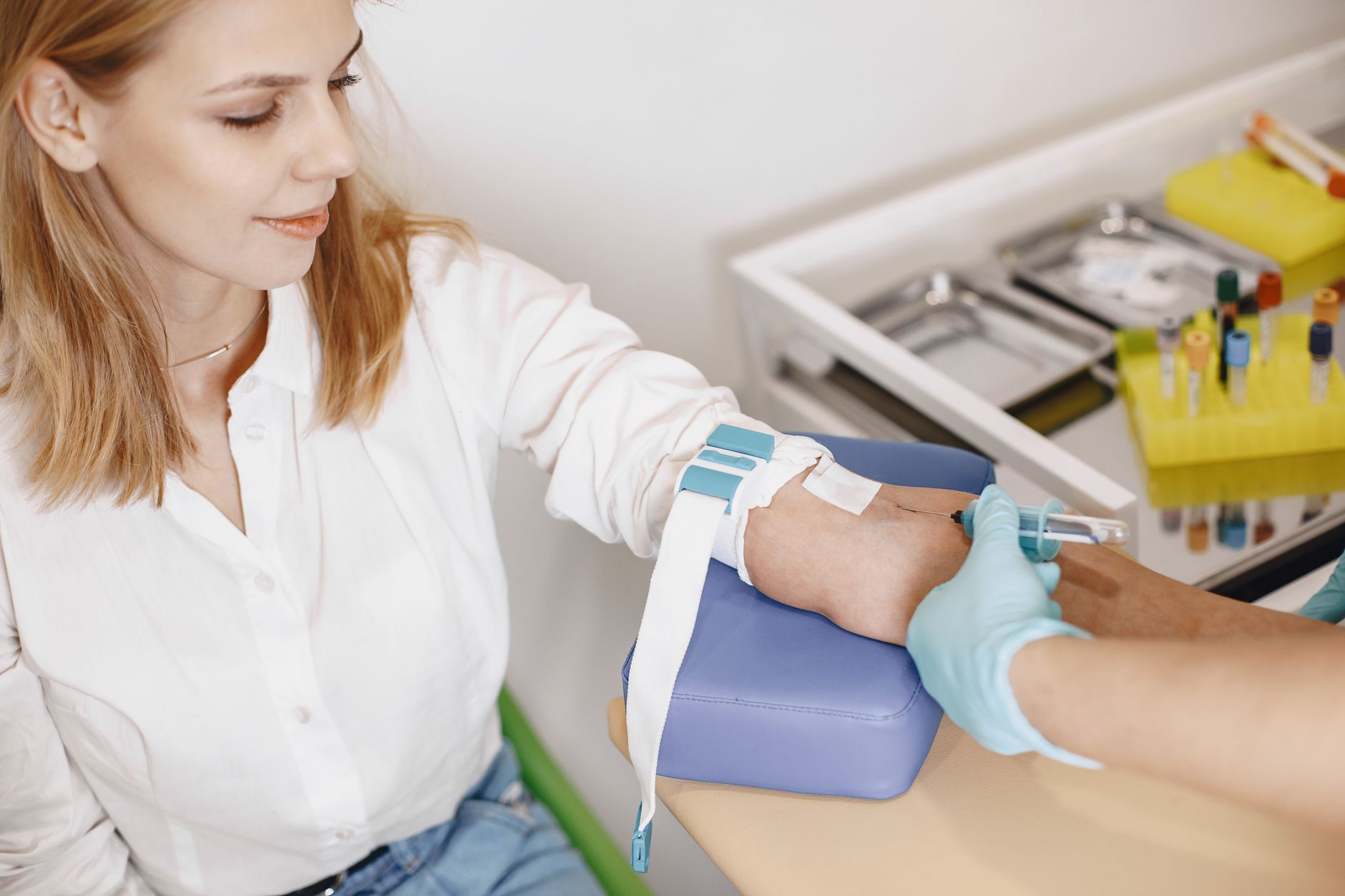
Hypothyroidism is a common endocrine disorder in dogs characterized by decreased thyroid hormone production. Blood tests such as Total T4, free T4, and TSH are crucial for diagnosing this condition. A value below the normal reference range of Total T4 (1.3-4.5 µg/dL) or free T4 indicates reduced thyroid hormone levels, while an elevated TSH level suggests primary hypothyroidism.
Several breeds have a documented predisposition to hypothyroidism, including Doberman, Golden Retriever, Irish Setter, Boxer, Cocker Spaniel, and Dachshund. These dogs may develop the condition due to lymphocytic thyroiditis or idiopathic atrophy of the thyroid gland.
Interpreting these blood tests should be done alongside other clinical signs such as weight gain, lethargy, hair loss, and skin changes. A veterinarian will consider the results in conjunction with physical examination findings and may order additional tests like a complete blood count (CBC) or serum chemistry panel to assess overall health.
Further diagnostic steps might include an ACTH stimulation test or low-dose dexamethasone suppression test if secondary hypothyroidism is suspected. These tests help differentiate between primary and secondary causes of thyroid hormone deficiency, which can be critical for determining the appropriate treatment plan.
- Total T4: Below the normal reference range indicates reduced thyroid hormone levels.
- Free T4: Below the normal reference range suggests hypothyroidism.
- TSH: Elevated levels indicate primary hypothyroidism.
The veterinarian then decides on hormone replacement. The exact dose and administration schedule are determined by the attending veterinarian based on individual patient needs. Regular follow-up blood tests will be necessary to monitor the dog’s response to treatment and adjust dosages as needed.
It is important for pet owners to understand that hypothyroidism in dogs is a chronic condition requiring lifelong management. Compliance with medication and regular veterinary check-ups are crucial for maintaining the health of affected dogs.
Frequently Asked Questions
What does hypothyroidism mean for my dog?
Hypothyroidism indicates your dog’s thyroid gland isn’t producing enough hormones necessary for metabolism regulation. This can lead to various symptoms like weight gain, lethargy, and skin issues.
Why do dogs with hypothyroidism often show low levels of Total T4?
Total T4 measures the overall amount of thyroxine in the blood. In hypothyroid dogs, the thyroid gland doesn’t produce sufficient amounts of T4, leading to lower than normal levels on blood tests.
How reliable is Free T4 as a diagnostic tool for hypothyroidism?
Free T4 reflects the active form of thyroid hormone available in circulation. While useful, Free T4 alone may not definitively diagnose hypothyroidism; it needs to be interpreted along with other clinical signs and test results.
Can fructosamine help confirm chronic hypothyroidism in dogs?
Fructosamine evaluates long-term glycemic control but isn’t specific to thyroid function. It helps assess diabetes management rather than diagnosing hypothyroidism directly.
Are there breeds more prone to developing hypothyroidism?
Certain breeds such as Golden Retrievers and Doberman Pinschers are documented to have higher incidences of hypothyroidism compared to others.
If my dog’s TSH level is high, does that definitely indicate hypothyroidism?
High TSH (thyroid-stimulating hormone) suggests the pituitary gland is trying to stimulate the underactive thyroid gland, which could be associated with hypothyroidism, but further testing is needed to confirm.
Should I expect changes in cholesterol levels if my dog has hypothyroidism?
Dogs with hypothyroidism might exhibit elevated cholesterol levels due to reduced metabolic rate and decreased clearance of lipids from the bloodstream.
Is it common for dogs with hypothyroidism to also have anemia?
Some dogs with hypothyroidism experience mild anemia because thyroid hormones play a role in red blood cell production and maintenance.
What should I look out for during follow-up visits after diagnosis?
During follow-ups, monitor your dog’s energy levels, coat condition, and any changes in appetite or weight. Regular blood tests will track thyroid hormone levels and adjust treatment accordingly.
Will liver enzymes like ALT and ALP show abnormalities in hypothyroid dogs?
Liver enzyme levels like ALT and ALP usually remain within normal ranges in dogs with hypothyroidism unless there are additional liver issues present.
How often should I bring my dog back for rechecks once diagnosed with hypothyroidism?
Recheck intervals vary based on individual response to therapy; generally, initial monitoring occurs every 3-6 months until stable, then annually depending on clinical status.
Are there specific dietary recommendations for managing hypothyroidism in dogs?
A balanced diet tailored to maintain healthy body weight and support overall health is recommended. Consultation with a veterinary nutritionist can provide personalized advice.
Why would my vet recommend checking TSH along with Total T4 when diagnosing hypothyroidism?
TSH measurement complements Total T4 results by assessing pituitary-thyroid axis feedback, helping differentiate primary versus secondary causes of low thyroid hormone levels.
If my dog’s fructosamine level is high, does that mean they have diabetes instead of hypothyroidism?
High fructosamine indicates poor glycemic control but isn’t diagnostic for diabetes alone. Further testing such as glucose curves or insulin levels helps clarify the underlying issue.
Sources & Further Reading
This article draws on the following authoritative veterinary references. For your pet’s individual case, consult a licensed veterinarian.
- Merck Veterinary Manual — comprehensive clinical reference for veterinary practice
- WSAVA Global Guidelines — World Small Animal Veterinary Association
- ACVIM Consensus Statements — American College of Veterinary Internal Medicine
Cite this articleMarcin Siedlecki. Blood Test Results in Dogs with Hypothyroidism – What to Expect. VetBlood, 2026. https://vetblood.io/blog/blood-test-results-in-dogs-with-hypothyroidism-what-to-expect/Feel free to quote or reference this article, in whole or in part, with attribution and a link back.