Why Is Dehydration and MCH Important for Your Dog’s Health?
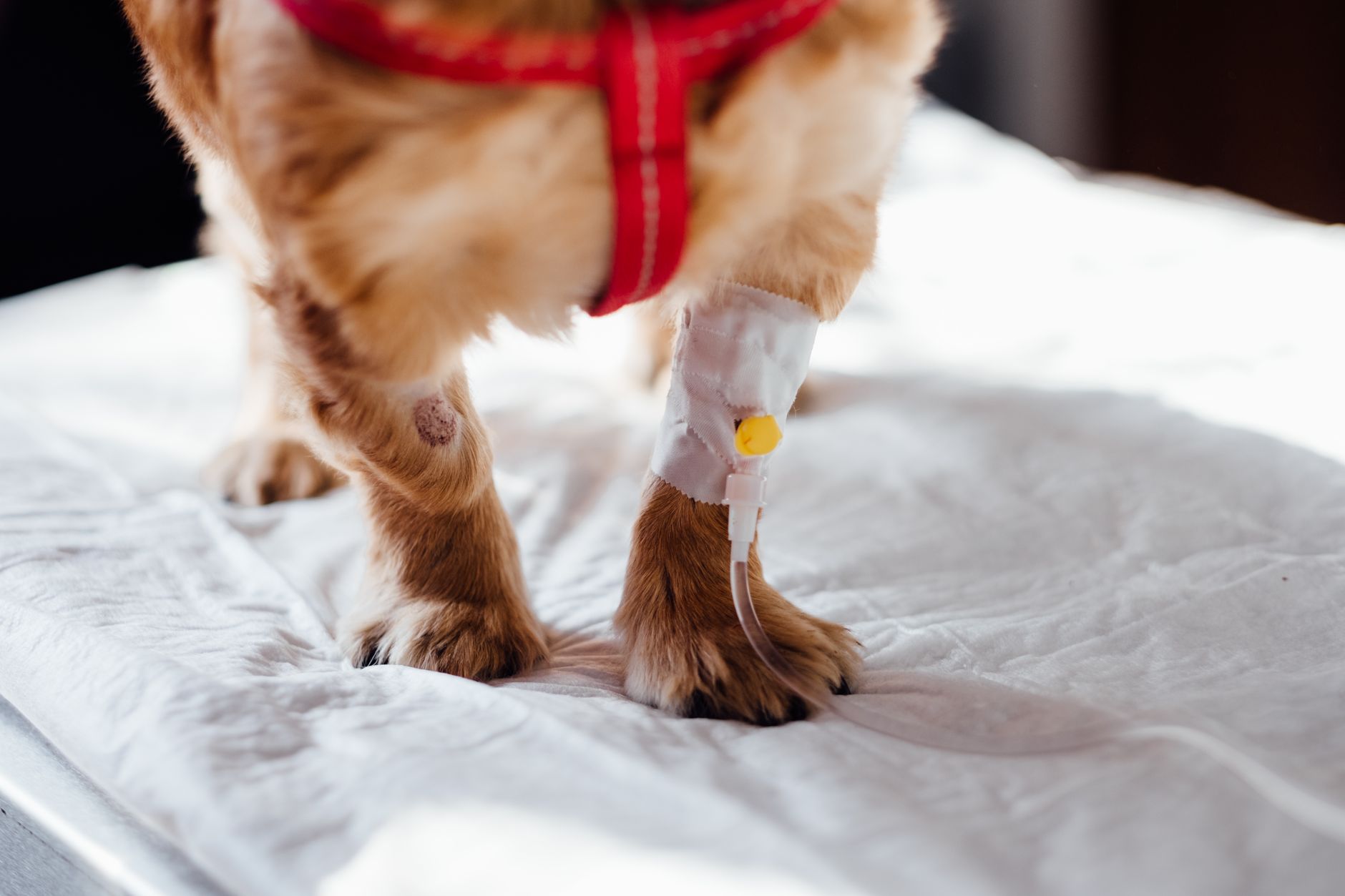
The normal reference range for MCH in dogs is 21-26 pg. Dehydration can cause a variety of changes in blood parameters, but it does not directly affect MCH. However, dehydration can lead to hemoconcentration, which may indirectly influence other hematological indices such as hemoglobin concentration and hematocrit.
Dehydration itself is critical for several reasons. It leads to reduced blood volume, decreased cardiac output, and impaired renal function. In dehydrated dogs, BUN (blood urea nitrogen) often rises before creatinine, indicating prerenal azotemia due to inadequate perfusion of the kidneys.
When evaluating a dog with suspected dehydration or hematological abnormalities, it is important to consider other parameters such as total protein, albumin, and electrolytes. These markers can provide additional context for assessing overall hydration status and systemic health.
A veterinarian may then order further tests such as urinalysis, complete blood count (CBC), and biochemistry profile to confirm dehydration or identify underlying causes of hematological changes. Treatment typically involves fluid therapy tailored to the specific needs of the patient, administered under veterinary supervision.
What Is Dehydration in Dogs?
Dehydration in dogs occurs when there is a significant loss of body fluids, primarily water and electrolytes. This condition can be caused by various factors such as inadequate fluid intake, excessive heat exposure, vomiting, diarrhea, or kidney disease. The severity of dehydration ranges from mild to severe, with symptoms including lethargy, dry gums, sunken eyes, and reduced skin elasticity.
Electrolyte imbalances are a critical aspect of dehydration in dogs. Common electrolytes affected include sodium (143-150 mEq/L), potassium (4.1-5.4 mEq/L), chloride, calcium, phosphorus (phosphorus levels), and magnesium. These electrolytes play essential roles in maintaining proper cellular function, nerve conduction, muscle contraction, and acid-base balance.
When a dog is dehydrated, the veterinarian may order blood tests to assess electrolyte levels and kidney function markers such as BUN (9-26 mg/dL) and creatinine (0.6-1.4 mg/dL). Elevated BUN and creatinine levels can indicate prerenal or renal causes of dehydration. Additionally, a complete blood count (CBC) might be performed to check for signs of anemia due to fluid loss.
Further diagnostic tests may include urinalysis to evaluate kidney function and hydration status, as well as imaging studies like X-rays or ultrasound if there is suspicion of underlying conditions such as gastrointestinal obstruction or urinary tract issues. Treatment typically involves administering intravenous fluids tailored to the specific electrolyte imbalances identified through laboratory testing.
It is crucial for owners to recognize early signs of dehydration and seek veterinary care promptly, especially in high-risk situations like extreme weather conditions or during illness (white blood cell levels). Early intervention can prevent more severe complications associated with prolonged fluid loss.
What Is Mean Corpuscular Hemoglobin (MCH) in Dogs?
The mean corpuscular hemoglobin (MCH) is a laboratory parameter that measures the average amount of hemoglobin within red blood cells (RBCs). It provides insight into the health and function of RBCs, which are crucial for oxygen transport throughout the body. The normal reference range for MCH in dogs is 21-26 pg.
MCH can be elevated or decreased due to various conditions affecting red blood cell production and hemoglobin content. Elevated MCH may indicate macrocytic anemia, where RBCs are larger than normal and contain more hemoglobin per cell. This could be associated with a regenerating marrow, or chronic disease affecting marrow function.
Conversely, decreased MCH may suggest microcytic anemia, where RBCs are smaller than normal and contain less hemoglobin per cell. This can be linked to iron deficiency anemia, iron deficiency or a portosystemic shunt, lead poisoning, or other conditions affecting the synthesis of hemoglobin.
- Macrocytosis: a regenerating marrow releases large young red cells, which raises MCH.
- Microcytic Anemia: Iron deficiency anemia, iron deficiency or a portosystemic shunt, and lead poisoning are associated with smaller RBCs and lower MCH values.
In addition to evaluating MCH, veterinarians often consider other parameters such as mean corpuscular volume (MCV) and mean corpuscular hemoglobin concentration (MCHC). These markers help differentiate between various types of anemia and guide further diagnostic testing. For instance, a combination of low MCV and low MCH suggests microcytic anemia, while high MCV and high MCH indicate macrocytic anemia.
Further tests that may be considered include complete blood count (CBC), reticulocyte count, serum iron levels, ferritin levels, and bone marrow aspiration to determine the underlying cause of abnormal MCH values. Treatment is tailored based on the specific diagnosis but may involve dietary supplements, medications, or addressing any underlying conditions.
Reference Ranges for Dehydration Indicators and MCH Levels
The mean corpuscular hemoglobin (MCH) is a measure of the average amount of hemoglobin in red blood cells. It provides insight into the size and health of erythrocytes, which can be affected by various conditions such as anemia or nutritional deficiencies like iron deficiency.
Dehydration indicators like Blood Urea Nitrogen (BUN), creatinine, and sodium levels are crucial for assessing hydration status in dogs. These markers help differentiate between prerenal, renal, and postrenal causes of azotemia in dehydrated dogs. For instance, an elevated BUN can indicate dehydration or reduced kidney perfusion due to decreased blood flow.
- BUN: Elevated BUN often indicates dehydration or reduced kidney perfusion due to decreased blood flow.
- Creatinine: Creatinine levels rise when glomerular filtration rate (GFR) decreases, indicating impaired renal function. This can be particularly evident in dogs with chronic kidney disease.
- Sodium: Sodium concentration increases in dehydrated dogs as the body retains sodium to maintain fluid balance and prevent further dehydration.
Further tests such as a complete blood count (CBC), urinalysis, and electrolyte panel can provide additional information about hydration status and underlying causes of dehydration. The veterinarian may then prescribe appropriate interventions based on these findings, which could include intravenous fluids or dietary adjustments to address nutritional deficiencies.
| Parameter | Normal Range |
|---|---|
| MCH (pg) | 21-26 pg |
| BUN (mg/dL) | 9-26 mg/dL |
| Creatinine (mg/dL) | 0.6-1.4 mg/dL |
| Sodium (mEq/L) | 143-150 mEq/L |
What Causes Dehydration and Abnormal MCH Levels?

Dehydration concentrates the blood, but it does not change Mean Corpuscular Hemoglobin (MCH), which is a measure of the average amount of hemoglobin within red blood cells. When a dog becomes dehydrated, it affects various physiological processes, including blood volume and concentration, leading to changes in MCH levels.
Dehydration can occur due to several reasons such as inadequate water intake, excessive fluid loss through vomiting or diarrhea, fever, panting, or prolonged exposure to hot environments. In these cases, the body loses more fluids than it takes in, causing a reduction in blood volume and concentration of red blood cells. For example, during periods of extreme heat, dogs may experience rapid dehydration due to increased respiration rates and sweating through their paw pads.
Abnormal MCH levels should be interpreted alongside other hematological parameters such as hemoglobin (Hb), hematocrit (Hct), and mean corpuscular volume (MCV). These markers collectively provide insights into the hydration status and overall health of a dog. For instance, if MCH is elevated while Hb and Hct are normal or low, it may indicate dehydration. Additionally, monitoring these parameters can help veterinarians assess whether rehydration therapy has been effective in restoring proper blood volume.
| Parameter | Normal Range |
|---|---|
| MCH (pg) | 21-26 pg |
| Hemoglobin (g/dL) | 14.1-20.1 g/dL |
| Hematocrit (%) | 41-58% |
| Mean Corpuscular Volume (fL) | 64-76 fL |
How Do Dehydration Indicators Compare with Other Blood Parameters?
Dehydration in dogs can be assessed through several blood parameters, including electrolytes and hematocrit. When a dog is dehydrated, the body’s fluid balance shifts, leading to changes in these markers that reflect the severity of dehydration.
- Hematocrit (HCT): This measures the proportion of red blood cells in whole blood. In dehydrated dogs, HCT often increases as circulating volume decreases and plasma is reabsorbed by tissues (Merck/MSD Veterinary Manual).
- Sodium (Na): Sodium levels typically rise in dehydrated dogs as the body attempts to retain water by concentrating electrolytes.
- Potassium (K): Potassium levels may be normal or slightly elevated, but vomiting and diarrhea can lead to hypokalemia due to loss of potassium-rich fluids. Conversely, conditions like obstruction or uremia can cause hyperkalemia as fluid retention occurs.
Interpreting these parameters alongside each other provides a more comprehensive picture. For instance, an increased hematocrit with elevated sodium suggests significant fluid loss and dehydration (dehydrated dogs’ potassium levels). However, it is crucial to consider the clinical context and additional tests such as packed cell volume (PCV) or total solids for confirmation.
| Marker | Normal Range | What It Adds |
|---|---|---|
| Hematocrit (HCT) | 41-58% | Reflects fluid status and blood concentration |
| Sodium (Na) | 143-150 mEq/L | Indicates electrolyte balance and fluid retention |
| Potassium (K) | 4.1-5.4 mEq/L | Assesses cellular function and fluid loss or retention |
| Total Solids (TS) | Laboratory-specific | Provides additional insight into dehydration severity (albumin levels in dehydrated dogs) |
| Packed Cell Volume (PCV) | Laboratory-specific | Confirms blood concentration and dehydration status (fibrinogen levels in dehydrated dogs) |
How Should You Interpret Dehydration Indicators and MCH Levels?
Dehydration in dogs can be identified through several laboratory markers, including changes in electrolyte levels and hematocrit. One such marker is the mean corpuscular hemoglobin (MCH), which reflects the average amount of hemoglobin within red blood cells. A value above or below the normal reference range for MCH may suggest underlying issues affecting erythropoiesis or hydration status.
Dehydration can cause shifts in electrolyte concentrations, leading to changes in hematocrit and other blood parameters. For instance, a high hematocrit (above the reference range) might indicate dehydration due to fluid loss, while low levels could suggest overhydration or anemia. Similarly, MCH levels should be interpreted alongside these findings.
When evaluating dehydration indicators, it is crucial to consider the overall clinical picture and other laboratory results. For example, a high sodium level (above the reference range) often accompanies dehydration, while low potassium (below the reference range) might suggest metabolic alkalosis or diuretic use.
| Finding | What it may suggest | Suggested next step |
|---|---|---|
| MCH above the reference range | May suggest dehydration or erythropoietic disorders. | Further evaluation of hydration status and blood parameters. |
| MCH below the reference range | May indicate anemia or overhydration. | Investigate underlying causes of anemia and hydration status. |
| Hematocrit above the reference range | Suggests dehydration or polycythemia. | Assess fluid balance and erythropoiesis. |
| Hematocrit below the reference range | Indicates overhydration or anemia. | Evaluate hydration status and blood cell production. |
| Sodium above the reference range | May indicate dehydration or hypernatremia. | Assess fluid intake and electrolyte balance. |
| Potassium below the reference range | Suggests metabolic alkalosis or diuretic use. | Evaluate renal function and electrolyte management. |
Interpreting MCH levels alongside hematocrit, sodium, and potassium provides a comprehensive view of the dog’s hydration status. Elevated MCH may indicate dehydration or erythropoietic disorders affecting red blood cell production. Conversely, low MCH could suggest anemia due to chronic disease or overhydration.
High hematocrit levels often correlate with dehydration, as fluid loss concentrates blood cells. Low hematocrit values might point towards anemia or excessive hydration. Sodium and potassium levels also play a crucial role in assessing electrolyte balance and overall health status.
In cases where MCH is elevated, further evaluation of erythropoiesis and hydration status is essential to determine the underlying cause. Similarly, low hematocrit values necessitate investigation into potential anemia or fluid overload conditions. Monitoring these parameters alongside clinical signs helps in formulating a comprehensive treatment plan under veterinary guidance.
Are There Breed or Age Differences in Dehydration Susceptibility?
Dehydration can affect dogs of any breed and age, but certain factors may make some more susceptible than others. Young puppies and older dogs are particularly at risk due to their less efficient regulatory systems. Puppies have a higher surface area-to-volume ratio, which means they lose body fluids faster when dehydrated. Older dogs often suffer from chronic conditions that can exacerbate dehydration, such as kidney disease or diabetes.
While no strong breed predilection has been documented for this parameter; most cases occur in mixed-breed dogs without specific genetic predisposition. However, certain breeds may be more prone to conditions that increase the risk of dehydration. For example, brachycephalic breeds like Pugs and Bulldogs are at higher risk due to their respiratory issues, which can lead to panting and fluid loss.
When evaluating a dog for dehydration, it is important to consider other parameters alongside MCH (mean corpuscular hemoglobin) and hematocrit. These include BUN (blood urea nitrogen), creatinine, and electrolytes such as sodium (143-150 mEq/L) and potassium (4.1-5.4 mEq/L). Elevated levels of BUN and creatinine may indicate prerenal or renal causes of dehydration, while imbalances in electrolyte levels can suggest metabolic disturbances.
The veterinarian may then consider further tests to determine the underlying cause. These could include urinalysis, blood chemistry panels, and imaging studies like X-rays or ultrasound if necessary. Treatment typically involves fluid therapy administered intravenously or subcutaneously by a veterinarian, depending on the severity of dehydration and the overall health status of the dog.
decreased creatinine levels can also be indicative of dehydration in some cases. Additionally, monitoring for changes in blood urea nitrogen (BUN) is crucial as it reflects the body’s hydration status and renal function. Electrolyte imbalances are another critical aspect to assess when evaluating a dehydrated dog; for instance, SDMA levels can provide insights into kidney health.
What Is the Treatment Approach for Dehydration and MCH Issues?

Treating dehydration in dogs involves restoring fluid balance, electrolyte levels, and addressing any underlying causes. The primary goal is to stabilize the animal’s condition by providing necessary fluids and nutrients intravenously or subcutaneously, depending on the severity of dehydration.
- Fluid Therapy: Intravenous (IV) or subcutaneous (SC) fluid administration helps replenish lost fluids and electrolytes. The veterinarian determines the appropriate type, volume, and rate based on the dog’s clinical condition.
- Electrolyte Balance: Monitoring sodium (143-150 mEq/L), potassium (4.1-5.4 mEq/L), chloride, calcium, phosphorus, and magnesium levels is crucial to ensure proper electrolyte balance. Imbalances may require specific supplements or medications prescribed by the veterinarian.
MCH (mean corpuscular hemoglobin) issues often indicate underlying blood disorders such as anemia or hematological abnormalities. Treatment focuses on addressing the root cause:
- Iron Deficiency Anemia: If MCH is low, iron supplementation may be necessary to increase red blood cell production.
- Blood Transfusion: In severe cases of anemia or other hematological disorders, a blood transfusion might be required to stabilize the animal’s condition.
| Parameter | Normal Range |
|---|---|
| Sodium (Na) | 143-150 mEq/L |
| Potassium (K) | 4.1-5.4 mEq/L |
Frequently Asked Questions
What does high MCH mean in my dog’s blood test?
A high MCH typically indicates an artifact such as hemolysis, lipemia, or sample contamination rather than a specific medical condition. It’s important to ensure the sample quality before further investigation.
Can low MCH indicate iron-deficiency anemia in dogs?
Yes, a low MCH often suggests iron-deficiency anemia, characterized by insufficient iron leading to smaller red blood cells with less hemoglobin content.
How does dehydration affect MCH levels in dogs?
Dehydration does not directly alter MCH levels; instead, it primarily affects hematocrit and hemoglobin through concentration effects. Focus on other markers like BUN and creatinine for signs of dehydration.
Why might my veterinarian suspect sample issues when MCH is elevated?
An elevated MCH usually points towards laboratory artifacts such as hemolysis or lipemia, indicating potential problems with the blood sample integrity.
Is there a connection between MCH and heartworm disease in dogs?
Heartworm disease leads to anemia due to destruction of red blood cells but does not cause changes in MCH values. Other tests like heartworm antigen testing would be necessary for diagnosis.
Does chronic kidney disease impact MCH levels in dogs?
Chronic kidney disease generally doesn’t influence MCH levels directly. However, it may indirectly affect other blood parameters indicative of renal function such as BUN and creatinine.
Could dietary factors lead to abnormal MCH readings in dogs?
Dietary factors do not directly cause abnormal MCH readings. Instead, focus on ensuring your pet has balanced nutrition to support overall health.
Are there breed-specific predispositions for MCH abnormalities in dogs?
No strong breed predilection has been documented for MCH abnormalities. Each case should be evaluated based on individual clinical findings.
Should I worry if my dog’s MCH level fluctuates slightly over time?
Slight fluctuations in MCH are common and usually insignificant unless accompanied by other concerning symptoms or lab results that suggest underlying conditions.
What additional tests can help confirm iron deficiency when MCH is low?
Additional tests such as serum ferritin and total iron-binding capacity (TIBC) can be associated with iron deficiency anemia when MCH is low.
Can stress contribute to altered MCH levels in dogs?
Stress typically does not change MCH levels directly. It mainly influences white blood cell counts and glucose levels rather than erythrocyte indices.
How often should rechecks occur after identifying an MCH issue in dogs?
Recheck intervals depend on the underlying condition; for example, monitoring every 2-4 weeks initially for suspected iron-deficiency anemia until improvement is noted.
What signs indicate severe dehydration beyond just MCH levels?
Severe dehydration shows up through increased heart rate, lethargy, poor skin turgor, and elevated BUN and creatinine levels, not specifically through MCH alterations.
Is primary polycythemia associated with high MCH in dogs?
Primary polycythemia involves an increase in red blood cells but does not necessarily correlate with changes in MCH values. Other hematological markers like HCT would be more relevant.
When might a veterinarian suspect hemolysis based on MCH results?
A veterinarian may suspect hemolysis if MCH is abnormally high alongside decreased hemoglobin and hematocrit levels, indicating destruction of red blood cells.
Sources & Further Reading
This article draws on the following authoritative veterinary references. For your pet’s individual case, consult a licensed veterinarian.
- Merck Veterinary Manual — comprehensive clinical reference for veterinary practice
- Veterinary Clinical Pathology — clinical pathology research and case studies
Cite this articleMarcin Siedlecki. Dehydration and MCH Levels in Dogs. VetBlood, 2026. https://vetblood.io/blog/dehydration-and-mch-levels-in-dogs/Feel free to quote or reference this article, in whole or in part, with attribution and a link back.