Why Should Pet Owners Care About Dehydration and MCHC Levels in Dogs?

Dehydration in dogs can lead to a variety of physiological changes, including alterations in blood composition and cell volume. When a dog is dehydrated, their MCHC levels might appear elevated because the concentration of hemoglobin increases as water content decreases within red blood cells. This change can be an early indicator that your pet needs immediate fluid therapy.
Understanding both dehydration and MCHC levels is important for monitoring overall health and detecting underlying issues such as kidney disease, anemia, or other systemic conditions that affect hydration status and blood cell integrity.
- MCHC: The normal reference range for MCHC in dogs is 33-36 g/dL. Values outside this range may indicate dehydration, anemia, or other hematological disorders.
In cases where MCHC levels are elevated, further tests such as a complete blood count (CBC), reticulocyte count, and evaluation of packed cell volume (PCV) can help determine the cause. These additional assessments provide a comprehensive view of your dog’s health status and guide appropriate treatment.
What is Dehydration in Dogs?
Dehydration in dogs occurs when there is a significant loss of body fluids, primarily water and electrolytes. This condition can be caused by various factors such as inadequate fluid intake, excessive heat exposure, vomiting, diarrhea, or fever. The severity of dehydration ranges from mild to severe, with symptoms including lethargy, dry gums, sunken eyes, and reduced skin elasticity.
Electrolyte imbalances are a critical aspect of dehydration in dogs. Sodium (143-150 mEq/L) and potassium (4.1-5.4 mEq/L) levels can be affected, leading to further complications if not addressed promptly. For instance, vomiting and diarrhoea lower potassium, while urinary obstruction or uraemia raise it — the direction follows the cause of the fluid loss, not the dehydration itself.
When evaluating a dehydrated dog, veterinarians typically assess several parameters alongside sodium and potassium levels. These include blood urea nitrogen (BUN) (9-26 mg/dL), creatinine (0.6-1.4 mg/dL), and packed cell volume (PCV). Elevated BUN and creatinine levels may indicate prerenal or renal azotemia, while a high PCV suggests hemoconcentration due to fluid loss.
Further diagnostic tests such as urinalysis, complete blood count (CBC), and biochemistry profile help confirm the extent of dehydration and guide appropriate treatment. Treatment usually involves administering intravenous fluids tailored to the dog’s specific needs under veterinary supervision. The veterinarian may also prescribe electrolyte supplements or other supportive care measures based on the severity and underlying cause.
What Does MCHC Stand for in Canine Blood Tests?

MCHC (Mean Corpuscular Hemoglobin Concentration) is a measure of the average concentration of hemoglobin within red blood cells. It provides information about the oxygen-carrying capacity and overall health of these cells.
The normal reference range for MCHC in dogs is 33-36 g/dL. A value outside this range may indicate various hematological conditions that affect red blood cell function or structure.
MCHC can be elevated (high) due to several causes, including dehydration, polycythemia, and certain types of hemolytic anemias where there is a concentration effect from reduced plasma volume. Conversely, low MCHC levels may suggest iron deficiency anemia, iron deficiency or a portosystemic shunt, or other conditions that impair the synthesis or incorporation of hemoglobin into red blood cells.
Interpreting MCHC alongside other hematological parameters such as MCV (Mean Corpuscular Volume) and RBC count can provide a more comprehensive understanding of the underlying condition. For instance, a low MCHC with normal to high MCV often indicates iron deficiency anemia, whereas a low MCHC with low MCV may suggest iron deficiency or a portosystemic shunt or other microcytic anemias.
Further tests that a veterinarian might consider include serum iron studies, ferritin levels, and reticulocyte count to assess the body’s response to erythropoietin. These additional evaluations help in confirming the diagnosis and guiding appropriate treatment strategies.
dehydration concentrates the blood without changing MCHC levels, as it affects plasma volume and thus hemoglobin concentration within red blood cells.
Laboratory Reference Ranges for MCHC Levels in Dogs
The mean corpuscular hemoglobin concentration (MCHC) is a measure of the average amount of hemoglobin per red blood cell, expressed as a percentage. It provides insight into the oxygen-carrying capacity and quality of erythrocytes. A value outside the normal reference range may indicate various hematological conditions.
The MCHC in dogs typically falls within the 33-36 g/dL range. Values above or below this range can suggest underlying issues such as anemia, polycythemia, or other blood disorders that affect red cell volume and hemoglobin content.
- An elevated MCHC may be associated with conditions like macrocytic anemias where the cells are larger than normal but contain less hemoglobin per unit of volume.
- A decreased MCHC can indicate hypochromic anemia, where red blood cells have a lower concentration of hemoglobin compared to their size.
Further tests such as complete blood count (CBC), reticulocyte count, and iron studies may be necessary to determine the specific cause. The veterinarian will interpret these results alongside clinical signs and other laboratory findings to establish an accurate diagnosis.
| Parameter | Normal Range |
|---|---|
| MCHC | 33-36 g/dL |
dehydration and albumin levels can also provide important insights into a dog’s hydration status. Additionally, MCH vs MCHC comparison is crucial for understanding the specific hematological condition affecting your pet. Lastly, assessing dehydration and sodium levels can help in managing fluid balance and electrolyte imbalances associated with dehydration.
What Causes Dehydration and Abnormal MCHC Levels in Dogs?

Dehydration can lead to abnormal levels of Mean Corpuscular Hemoglobin Concentration (MCHC) in dogs. When a dog is dehydrated, the blood becomes more concentrated, which may cause an increase or decrease in MCHC depending on other factors such as concurrent conditions like anemia or electrolyte imbalances. For instance, dehydration can lead to hemoconcentration, where the concentration of red blood cells increases relative to plasma volume, potentially affecting MCHC levels.
Abnormal MCHC levels can also be caused by various underlying health issues that affect red blood cell integrity. Chronic kidney disease (CKD) often leads to dehydration and electrolyte disturbances, which in turn can cause changes in MCHC levels. Additionally, conditions such as anemia or hemolytic disorders can lead to abnormal MCHC values. For example, dogs with autoimmune hemolytic anemia may experience premature destruction of red blood cells, leading to a decrease in MCHC due to the release of hemoglobin into the bloodstream.
It is important to note that MCHC does not provide a specific diagnosis on its own but should be interpreted alongside other laboratory parameters and clinical signs. For instance, if a dog presents with elevated BUN (Blood Urea Nitrogen) and creatinine levels along with low MCHC, it may indicate prerenal or renal causes of dehydration. Similarly, in cases where the MCHC is abnormally high, this could suggest hemoconcentration due to dehydration or other conditions that reduce plasma volume.
| Cause | Mechanism | Typical Signs |
|---|---|---|
| Dehydration | Concentration of blood, affecting red cell parameters. | Dry mucous membranes, lethargy, reduced skin turgor. |
| Chronic Kidney Disease (CKD) | Electrolyte imbalances and dehydration affecting red cell integrity. | Polyuria, polydipsia, weight loss, poor appetite. |
| Anemia | Reduced hemoglobin concentration in red blood cells. | Pale mucous membranes, weakness, exercise intolerance. |
| Hemolytic Disorders | Premature destruction of red blood cells leading to abnormal MCHC values. | Jaundice, dark urine, anemia signs. |
How Does MCHC Compare with Other Blood Parameters?
MCHC (mean corpuscular hemoglobin concentration) is a measure of the average amount of hemoglobin within red blood cells, expressed as a percentage. It provides insight into the oxygen-carrying capacity and overall health of erythrocytes. A value above or below the normal reference range can indicate various hematological conditions such as anemia, which may be caused by nutritional deficiencies like iron deficiency or chronic diseases that affect bone marrow function.
The MCHC (33-36 g/dL) is typically interpreted alongside other CBC parameters such as hemoglobin, hematocrit, mean corpuscular volume (MCV), and red cell distribution width (RDW). These markers collectively help diagnose anemia types, assess iron status, and evaluate bone marrow function. For instance, a low MCHC value may indicate hypochromic microcytic anemia, characterized by small red blood cells with reduced hemoglobin content, often due to iron deficiency.
Abnormal MCHC values may be associated with conditions like hypochromic microcytic anemia (low hemoglobin concentration in small cells) or macrocytic anemia (high hemoglobin concentration in large cells). Elevated MCHC can also suggest spherocytosis, a condition characterized by abnormally shaped red blood cells. In such cases, further tests may include reticulocyte count, serum iron studies, and bone marrow aspiration to determine the underlying cause of the abnormality.
It is important to note that while MCHC provides valuable information about hemoglobin concentration within red blood cells, it should be evaluated in conjunction with other hematological parameters. For example, a high RDW (red cell distribution width) indicates variability in red blood cell size, which can suggest an underlying disorder such as iron deficiency or chronic inflammation.
| Marker | Normal Range | What It Adds |
|---|---|---|
| MCHC | 33-36 g/dL | Assesses hemoglobin concentration within red blood cells. |
| Hemoglobin | 14.1-20.1 g/dL | Measures total hemoglobin content. |
| Hematocrit | 41-58% | Evaluates red blood cell volume. |
| MCV | 64-76 fL | Indicates average size of red blood cells. |
| RDW | 10.6-14.3 % | Assesses variability in red blood cell size. |
potassium levels can be affected by dehydration, which may also influence hematological parameters. Similarly, glucose levels are another critical factor to monitor in dehydrated dogs as they can indicate metabolic stress or underlying conditions such as diabetes mellitus. Additionally, understanding the impact of dehydration on fibrinogen levels is crucial for assessing inflammatory responses and coagulation status in dogs experiencing fluid loss.
How Should I Interpret Abnormal Dehydration or MCHC Levels in My Dog?
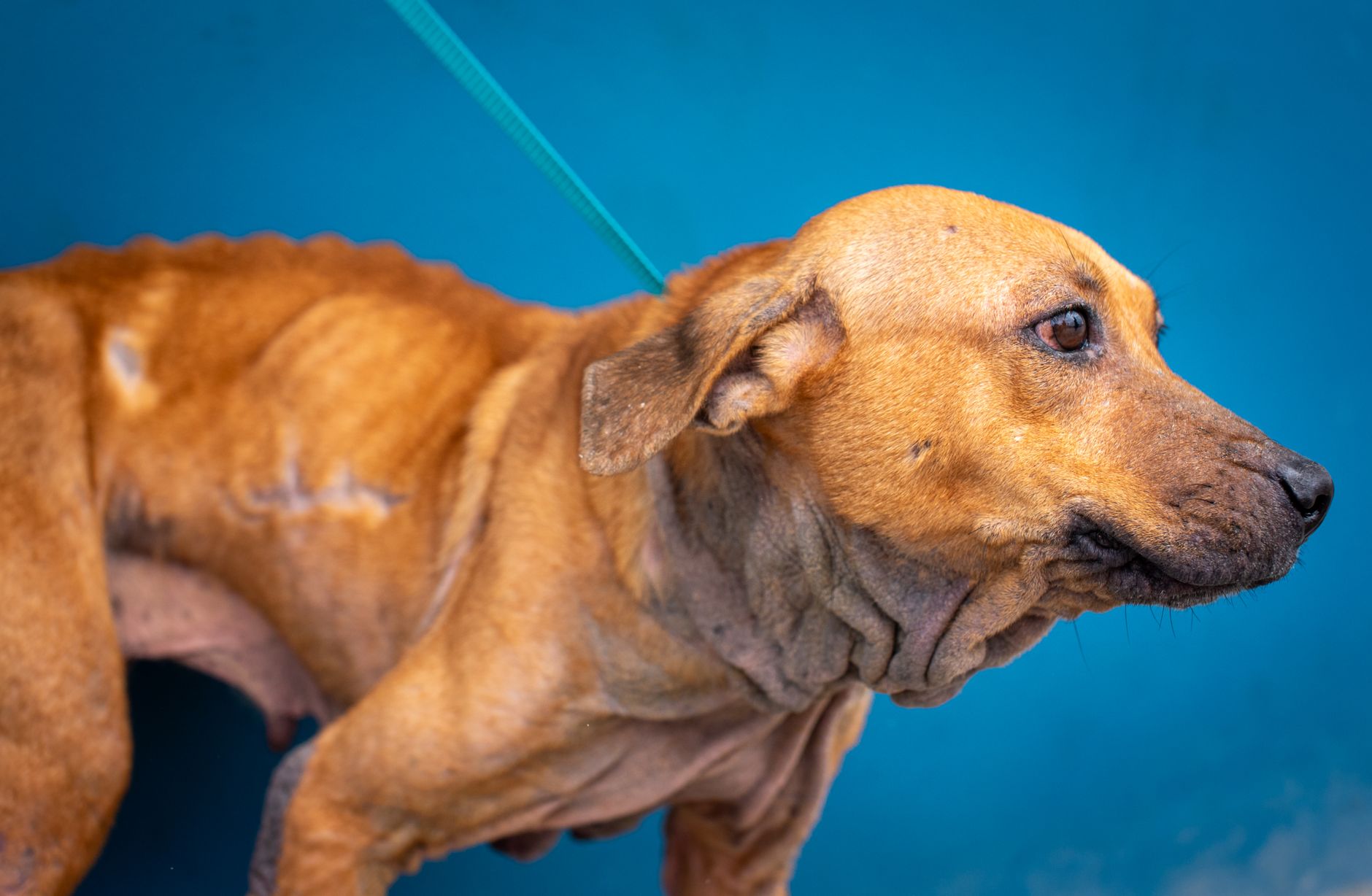
MCHC (mean corpuscular hemoglobin concentration) is a measure of the average amount of hemoglobin within red blood cells. It reflects the oxygen-carrying capacity of these cells and can indicate issues with red blood cell health.
Dehydration affects various parameters, including electrolytes and hematocrit levels. When interpreting MCHC in the context of dehydration, it is important to consider other markers such as packed cell volume (PCV) or hematocrit (HCT), which measure the proportion of red blood cells in whole blood.
Abnormal MCHC values can suggest several conditions:
- Anemia: Low MCHC may indicate microcytic anemia, where red blood cells are smaller than normal and contain less hemoglobin. This could be due to iron deficiency or chronic disease.
- Polycythemia: High MCHC can suggest polycythemia, a condition characterized by an abnormally high concentration of