Why Is Dehydration and RBC Levels Important for Dogs?
Monitoring red blood cells (RBCs) and hematocrit (HCT), which measures the percentage of RBCs in whole blood, can help identify dehydration early. A normal hematocrit range for dogs is typically between 37% to 55%, as indicated by 41-58%. If a dog’s hematocrit level is consistently above this range without signs of primary polycythemia or other conditions causing increased RBC production, it may indicate dehydration.
Further tests such as packed cell volume (PCV) and total protein levels can help confirm the diagnosis. Elevated PCV alongside normal to slightly elevated total protein often suggests dehydration rather than anemia or other blood disorders. Additionally, assessing electrolyte balance through serum sodium (143-150 mEq/L), potassium (4.1-5.4 mEq/L), chloride (106-114 mEq/L), and bicarbonate levels can provide more insight into the severity of dehydration.
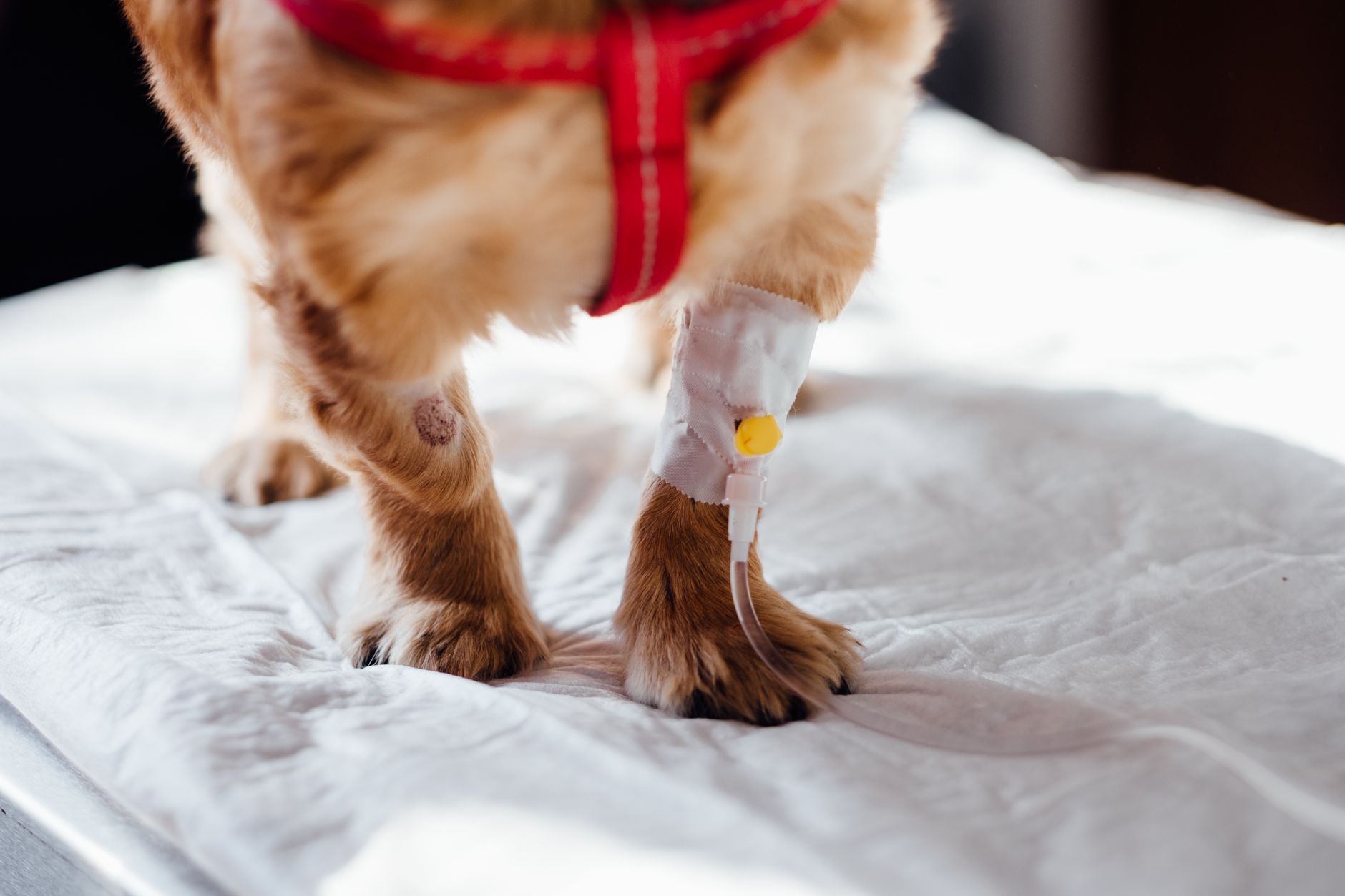
It is important to address dehydration promptly as it can exacerbate underlying health conditions. Treatment typically involves administering intravenous or subcutaneous fluids under veterinary supervision, along with addressing any underlying causes such as heat exposure, illness, or inadequate water intake. Regular monitoring and hydration management are key in preventing complications associated with dehydration.
What Is Dehydration in Dogs?
Dehydration in dogs occurs when there is a significant loss of body fluids, primarily water and electrolytes. This condition can be caused by various factors such as inadequate fluid intake, excessive heat exposure, vomiting, diarrhea, or kidney disease. The severity of dehydration ranges from mild to severe, with symptoms including lethargy, dry gums, sunken eyes, and reduced skin elasticity.
One key indicator of dehydration is an elevated hematocrit (HCT) level. Hematocrit measures the percentage of red blood cells in whole blood. In a dehydrated dog, the HCT may be above the normal reference range due to the concentration of blood as fluid volume decreases. The normal hematocrit range for dogs is 41-58%.
When evaluating dehydration, it’s important to consider other parameters such as total protein (TP) and albumin levels. Total protein can also be elevated in dehydrated animals due to the concentration of plasma proteins. Albumin, a major component of TP, may show similar trends but is less specific for dehydration compared to HCT.
A veterinarian will typically recommend further diagnostic tests such as blood electrolyte analysis (sodium, potassium) and urinalysis to assess kidney function and overall hydration status. Treatment often involves administering intravenous or subcutaneous fluids tailored to the dog’s needs under veterinary supervision.
elevated hematocrit levels are a critical sign of dehydration in dogs, indicating that the blood has become more concentrated due to fluid loss. Understanding how hematocrit and RBC levels interact can provide valuable insights into a dog’s hydration status. Additionally, evaluating albumin levels alongside hematocrit helps in assessing the overall health impact of dehydration on dogs.
Understanding Red Blood Cell Levels in Canines
The red blood cell (RBC) count, also known as erythrocyte count, is a critical component of a complete blood count (CBC). It measures the number of RBCs per microliter of blood. In dogs, the normal reference range for RBC count is the reference range.
A high RBC count in dogs may be associated with conditions such as dehydration, primary polycythemia, or chronic hypoxia. Conversely, a low RBC count can indicate anemia due to various causes including blood loss, hemolysis, bone marrow failure, or nutritional deficiencies like iron deficiency.
Interpreting the RBC count alongside other parameters is crucial for accurate diagnosis. For instance, evaluating mean corpuscular volume (MCV) and mean corpuscular hemoglobin concentration (MCHC) can help differentiate between different types of anemia. Additionally, assessing reticulocyte count provides insight into bone marrow response to anemia.
Further tests a veterinarian may consider include a complete blood count with differential, reticulocyte count, iron studies, and bone marrow aspiration or biopsy if necessary. These additional evaluations help pinpoint the underlying cause of abnormal RBC levels and guide appropriate treatment.
Reference Ranges for Dehydration Indicators and RBC Levels
The red blood cell (RBC) count, hematocrit (HCT), and packed cell volume (PCV) are critical indicators of hydration status in dogs. These parameters help assess the concentration of red blood cells within the bloodstream, which can be altered by dehydration or fluid overload.
- Red Blood Cell Count: The normal range for RBC count is 5.7-8.5 x10^6/uL. A low RBC count may indicate anemia due to chronic disease, nutritional deficiencies, or blood loss. Conversely, a high RBC count can suggest polycythemia, which might be secondary to dehydration.
- Hematocrit (HCT): The normal range for HCT is 41-58%. A low hematocrit indicates anemia and may point towards conditions such as chronic kidney disease or nutritional deficiencies. Elevated hematocrit levels can indicate dehydration, primary polycythemia, or other causes of increased blood viscosity.
- Packed Cell Volume (PCV): The normal range for PCV is 41-58%. Similar to HCT, a low PCV suggests anemia and poor hydration status, while high PCV values can indicate dehydration or polycythemia.
In addition to these parameters, the serum osmolality (280-305 mOsm/kg) is another important indicator of hydration status. Elevated serum osmolality indicates hypernatremia and dehydration, whereas decreased levels suggest hyponatremia and overhydration or dilutional states.
| Parameter | Normal Range |
|---|---|
| Red Blood Cell Count (RBC) | 5.7-8.5 x10^6/uL |
| Hematocrit (HCT) | 41-58% |
| Packed Cell Volume (PCV) | 41-58% |
| Serum Osmolality | 280-305 mOsm/kg |
Further tests that may be considered include a complete blood count (CBC) to assess for anemia, electrolyte panel to evaluate sodium and potassium levels, and urinalysis to check specific gravity. These additional assessments help in determining the underlying cause of abnormal RBC parameters and guide appropriate treatment.
Note: Elevated hematocrit levels can also be indicative of dehydration as discussed in our article on dehydration and sodium levels in dogs. Additionally, chronic kidney disease can affect RBC levels, which is explored further in the context of 
Dehydration in dogs can result from various causes, including inadequate water intake, excessive fluid loss, and underlying medical conditions. Common scenarios include gastrointestinal issues such as vomiting or diarrhea, which lead to significant fluid loss. Additionally, respiratory distress due to conditions like pneumonia or heatstroke can cause dehydration through increased respiration rates.
Another frequent cause is kidney disease, where the kidneys lose their ability to conserve water effectively, leading to excessive urination and subsequent dehydration. Similarly, endocrine disorders such as diabetes mellitus increase urine output (polyuria) due to high blood glucose levels, further contributing to fluid loss.
- Gastrointestinal issues: Vomiting, diarrhea, or gastrointestinal bleeding can lead to rapid fluid depletion.
- Kidney disease: Conditions like chronic kidney disease impair the kidneys’ ability to regulate water balance. (Learn more about dehydration and related blood tests)
- Endocrine disorders: Diabetes mellitus and hyperadrenocorticism (Cushing’s syndrome) increase urine output, leading to dehydration.
The veterinarian may consider additional tests such as a complete blood count (CBC), biochemistry profile, urinalysis, and imaging studies like X-rays or ultrasound to determine the underlying cause of dehydration. Treatment typically involves fluid therapy tailored to the specific needs of the dog, which could include intravenous fluids for severe cases or subcutaneous fluids for milder conditions.
| Cause | Mechanism |
|---|---|
| Gastrointestinal issues | Vomiting and diarrhea lead to fluid loss. |
| Kidney disease | Impaired water conservation leads to excessive urination. (Learn more about dehydration and related blood tests) |
| Endocrine disorders | Increased urine output due to high blood glucose or cortisol levels. |
How Do Other Blood Parameters Relate to Dehydration and RBC Levels?
The red blood cell (RBC) count, hemoglobin concentration, hematocrit, and packed cell volume (PCV) are critical indicators of hydration status in dogs. These parameters can be influenced by dehydration, which leads to hemoconcentration as fluid shifts out of the vascular compartment into tissues. This results in an increase in RBC indices such as PCV and hemoglobin levels, even though there is no actual increase in red blood cell production.
Other blood parameters that are relevant when assessing hydration status include:
- Sodium (Na): Elevated sodium can indicate dehydration due to fluid loss or inadequate intake. A value above the normal reference range may suggest a need for intravenous fluids.
- Kidney function markers such as Blood Urea Nitrogen (BUN) and Creatinine: These parameters help assess kidney function, which is often compromised in dehydrated animals due to reduced blood flow. BUN typically rises before creatinine in prerenal azotemia caused by dehydration.
- Electrolytes such as Potassium (K): The direction of potassium levels depends on the underlying cause and severity of fluid loss; vomiting or diarrhea can lower it, while obstruction or uremia can raise it. Dehydration alone does not shift potassium levels.
The veterinarian may consider additional tests based on these initial findings. For example:
- Urinalysis (UA): To evaluate urine specific gravity and detect signs of dehydration, such as concentrated urine.
- Blood electrolyte panel: To assess the balance of sodium, potassium, chloride, calcium, phosphorus, and magnesium. For more information on how dehydration affects potassium levels in dogs, see dehydration and potassium levels in dogs.
- Hematocrit and RBC indices: To confirm hemoconcentration and monitor response to fluid therapy.
| Parameter | Normal Range |
|---|---|
| Sodium (Na) | 143-150 mEq/L |
| Potassium (K) | 4.1-5.4 mEq/L |
| Blood Urea Nitrogen (BUN) | 9-26 mg/dL |
| Creatinine | 0.6-1.4 mg/dL |
How Should You Interpret Dehydration and RBC Levels?
Dehydration concentrates the blood, so the measured red blood cell (RBC) count rises, which are critical indicators of hydration status. Red blood cells carry oxygen throughout the body, and their concentration is affected by fluid balance. When a dog becomes dehydrated, the volume of plasma decreases relative to RBCs, leading to an increase in hematocrit and hemoglobin levels.
The normal reference range for red blood cell count (RBC) in dogs is 5.7-8.5 x10^6/uL. An elevation above this range may suggest dehydration or other conditions that concentrate the blood, such as hemorrhagic gastroenteritis or severe vomiting. Conversely, a decrease below the normal range could indicate excessive fluid loss due to chronic kidney disease, gastrointestinal bleeding, or anemia.
Interpreting RBC levels alongside other markers like hematocrit (HCT) and hemoglobin (HGB) provides a more comprehensive understanding of hydration status and overall health. For instance, if HCT is elevated while HGB remains within normal limits, it may indicate dehydration rather than anemia.
| Finding | What it may suggest | Suggested next step |
|---|---|---|
| Above the reference range for RBC | Dehydration or blood concentration due to fluid loss. | Evaluate hydration status and consider intravenous fluids if severe dehydration is suspected. |
| Below the reference range for RBC | Anemia or excessive fluid loss due to chronic conditions like kidney disease. | Investigate underlying causes such as gastrointestinal bleeding, renal issues, or anemia and treat accordingly. |
When interpreting RBC levels in the context of dehydration, it is crucial to consider additional clinical signs. For example, a dog with lethargy, dry mucous membranes, and poor skin turgor may have elevated RBC counts due to dehydration. In such cases, immediate veterinary intervention for fluid therapy is warranted.
Conversely, if the RBC count is low alongside other markers like decreased HCT and HGB, it suggests anemia rather than dehydration. The veterinarian would then investigate potential causes of anemia, such as chronic blood loss or bone marrow issues.
In summary, changes in RBC levels should be interpreted qualitatively alongside clinical signs and other laboratory findings to determine the underlying cause accurately. Dehydration typically results in elevated RBC counts due to concentrated blood volume, while conditions like anemia lead to decreased RBC counts. Proper evaluation by a veterinarian is essential for accurate diagnosis and appropriate treatment.
For more information on how dehydration affects different markers in dogs, see our articles on dehydration and WBC levels, dehydration and phosphorus levels, and dehydration and fibrinogen levels.
Are There Breed or Age Differences in Dehydration Susceptibility?
Dehydration can affect dogs of any breed and age, but certain factors may make some more susceptible than others. Young puppies and older dogs are particularly at risk due to their less efficient water regulation mechanisms. Puppies have a higher surface area-to-volume ratio, which means they lose body heat faster and require more frequent hydration. Older dogs may experience reduced kidney function or chronic conditions that increase fluid loss.
Breed differences in dehydration susceptibility are not well-documented, but certain breeds with specific health issues might be at higher risk. For example, brachycephalic breeds like Bulldogs and Pugs often have respiratory difficulties that can lead to increased panting and subsequent water loss. Additionally, dogs with chronic gastrointestinal disorders or those prone to vomiting and diarrhea may also face a greater risk of dehydration.
Owners should monitor their pets for early signs of dehydration such as lethargy, dry gums, sunken eyes, and reduced skin elasticity. Prompt veterinary evaluation is crucial if any of these symptoms are observed, especially in high-risk groups like young puppies or older dogs.
| Marker | Normal Range | Typical Causes in Dehydration |
|---|---|---|
| BUN (Blood Urea Nitrogen) | 9-26 mg/dL | Reduced renal perfusion, prerenal azotemia |
| Creatinine levels in dehydration | 0.6-1.4 mg/dL | Decreased glomerular filtration rate, renal failure |
| Sodium (Na) | 143-150 mEq/L | Electrolyte imbalance, dehydration |
| Potassium (K) | 4.1-5.4 mEq/L | Electrolyte imbalance, dehydration |
| Phosphorus (P) | 2.7-5.4 mg/dL | Electrolyte imbalance, dehydration |
| Magnesium (Mg) | 1.6-2.4 mg/dL | Electrolyte imbalance, dehydration |
| Total Protein (TP) | 5.5-7.2 g/dL | Haemoconcentration, dehydration |
Dehydration in dogs can lead to concentrated blood, which often results in higher hematocrit or hemoglobin values due to reduced plasma volume. The normal reference range for hematocrit in dogs is 41-58%. When dehydration occurs, the body loses fluid and electrolytes, leading to concentrated blood with higher RBC counts.
The primary treatment approach involves rehydration through intravenous (IV) fluids or subcutaneous administration of fluids, depending on the severity and clinical signs observed by a veterinarian. This helps restore normal hydration levels and corrects any imbalances in electrolyte concentrations. In cases where low RBC levels are secondary to dehydration, restoring fluid balance typically leads to an improvement in hematocrit values.
Further tests may be necessary to determine if the low RBC count is due solely to dehydration or if there are other underlying causes such as chronic blood loss, bone marrow issues, or autoimmune conditions. A complete blood count (CBC) and a reticulocyte count can help identify whether the body is producing new red blood cells at an appropriate rate.
It’s important for owners to monitor their dog’s hydration status by observing urine color, skin turgor, and overall activity levels. Pale gums or lethargy may indicate dehydration and warrant a prompt veterinary evaluation. Early intervention can prevent more severe complications associated with prolonged dehydration.
Understanding the difference between hematocrit and RBC levels is crucial in assessing the severity of anemia and hydration status, while BUN levels can also indicate kidney function which may be affected by dehydration. Additionally, understanding how high RBC in dogs relates to hydration and other conditions is important for comprehensive care.
Summary: Key Points on Dehydration and RBC Levels in Dogs

Elevated red blood cell (RBC) levels, also known as polycythemia, can occur due to dehydration in dogs. When a dog is dehydrated, the body retains fluid, leading to a concentration of blood cells, which increases the hematocrit and hemoglobin levels above their normal reference range (41-58%, 14.1-20.1 g/dL). This condition should be interpreted alongside other clinical signs such as decreased skin turgor, dry mucous membranes, and lethargy.
Dehydration can also affect the distribution of blood cells within the body. In severe cases, it may lead to hemoconcentration, where the concentration of RBCs increases disproportionately compared to total plasma volume. This can be detected through a complete blood count (CBC) test, which measures various parameters including hematocrit and hemoglobin levels.
Further tests that a veterinarian might consider include a packed cell volume (PCV) measurement, urinalysis, and assessment of electrolyte balance. These additional evaluations help to confirm dehydration and rule out other causes of elevated RBC counts such as primary polycythemia or erythropoietin overproduction.
It is important for owners to recognize the early signs of dehydration in their dogs, which include reduced water intake, decreased activity levels, and changes in behavior. Prompt veterinary evaluation is crucial to address dehydration effectively and prevent complications.
Frequently Asked Questions
What does high RBC levels mean in my dog’s blood test?
High red-cell counts indicate polycythemia or dehydration. Polycythemia suggests increased red cell mass due to conditions like erythropoietin overproduction, while dehydration concentrates the blood.
How can I tell if my dog’s elevated RBC level is caused by dehydration?
Dehydration typically leads to mild hemoconcentration without increasing red cell production. A veterinarian will assess hydration status through physical examination and may check other markers like packed cell volume (PCV).
Can low RBC levels be related to dehydration?
No, low RBC levels usually point to anemia rather than dehydration. Dehydration does not lower RBC levels but instead increases them slightly due to concentration of blood cells.
Why would my vet recommend checking both RBC and HCT when assessing dehydration?
Both RBC and hematocrit (HCT) measure similar aspects of blood concentration. Checking both helps confirm whether your dog is dehydrated or has another condition causing altered blood composition.
Does dehydration directly affect RBC levels?
Dehydration does not directly alter RBC levels; it mainly affects these values indirectly via hemoconcentration. True polycythemia involves actual increase in red cell mass.
If my dog’s RBC levels are normal, could they still be dehydrated?
Normal RBC levels do not rule out dehydration entirely. Other signs such as poor skin turgor, dry mucous membranes, and lethargy should also be evaluated.
Are there specific breeds more prone to having abnormal RBC levels?
There is no strong breed predilection documented for abnormal RBC levels. However, certain health issues common in some breeds might influence RBC count indirectly.
Should I worry about a sudden drop in my dog’s RBC count?
A sudden decrease indicates potential bleeding or hemolysis. Immediate veterinary attention is needed to determine the cause and prevent further complications.
Is there a connection between RBC levels and kidney function?
While RBC levels don’t directly reflect kidney function, chronic kidney disease can lead to secondary polycythemia due to increased erythropoietin production. Kidney tests like BUN and creatinine help evaluate this relationship.
What additional tests might my vet run alongside RBC counts?
Your vet may order reticulocyte count to assess bone marrow response, PCV for overall blood concentration, and iron studies if microcytic anemia is suspected.
How often should I recheck my dog’s RBC levels after treatment?
Rechecking depends on the underlying issue. For dehydration, improvement typically shows within days. Chronic conditions like polycythemia require regular monitoring every few months.
Can medications impact my dog’s RBC levels?
Certain drugs like corticosteroids can suppress bone marrow activity leading to lower RBC counts. Always inform your vet about all medications when reviewing lab results.
Why would my veterinarian suggest checking both HGB and MCV with RBC levels?
Hemoglobin (HGB) measures oxygen-carrying capacity of red cells while mean corpuscular volume (MCV) reflects average size of red cells. Together, these provide comprehensive insight into red cell status.
Does liver disease affect RBC levels in dogs?
Liver disease does not directly change RBC levels but can contribute to anemia through factors like decreased clotting ability or nutritional deficiencies affecting hematopoiesis.
Could heartworm infection alter my dog’s RBC count?
Heartworms can cause anemia by damaging red blood cells or causing caval syndrome where blood flow is obstructed. This leads to reduced RBC count rather than elevated levels.
Sources & Further Reading
This article draws on the following authoritative veterinary references. For your pet’s individual case, consult a licensed veterinarian.
- Merck Veterinary Manual — comprehensive clinical reference for veterinary practice
- Veterinary Clinical Pathology — clinical pathology research and case studies
Cite this articleMarcin Siedlecki. Dehydration and RBC Levels in Dogs. VetBlood, 2026. https://vetblood.io/blog/dehydration-and-rbc-levels-in-dogs/Feel free to quote or reference this article, in whole or in part, with attribution and a link back.