Early Signs of Kidney Failure in Cats from Blood Tests
Early Signs of Kidney Failure in Cats from Blood Tests
Wondering what a full interpretation looks like? See a sample report →
Why Should Pet Owners Care About Kidney Health in Cats?
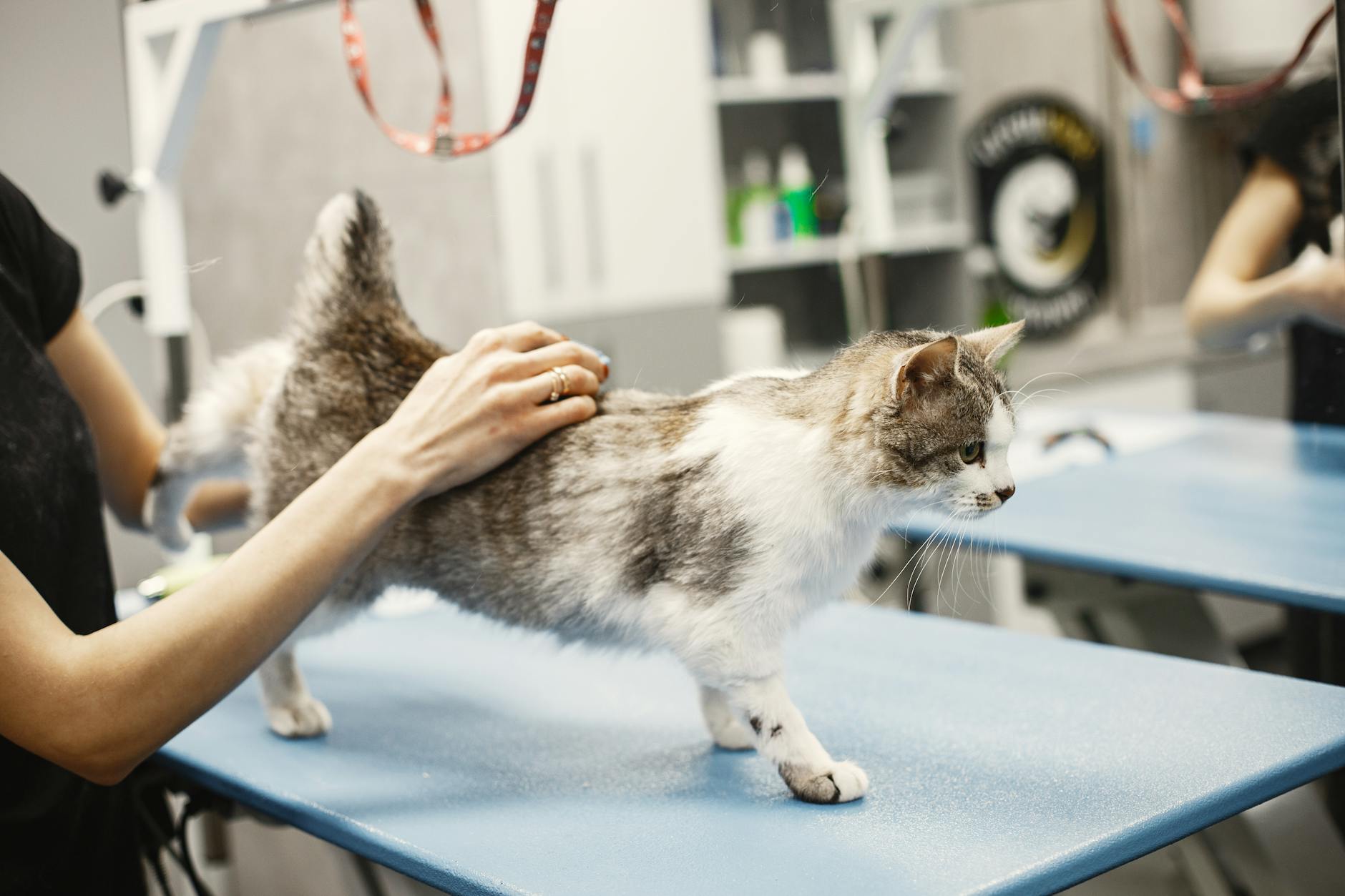
Kidney health is crucial for cats, as their kidneys play a vital role in filtering waste products from the blood, maintaining fluid balance, and regulating electrolytes. Early detection of kidney failure can significantly improve a cat’s quality of life and longevity. early intervention can slow the progression of chronic kidney disease (CKD), allowing for more effective management of the condition.
Blood tests are a key tool in identifying early signs of kidney failure. Parameters such as Blood Urea Nitrogen (BUN), creatinine, and Symmetric Dimethylarginine (SDMA) are critical indicators. For instance, a BUN level above the reference interval or a creatinine level exceeding the reference interval suggests kidney dysfunction. An SDMA level greater than the reference interval is an early marker of reduced kidney function, often before creatinine levels rise. High SDMA but Normal Creatinine in Cats can indicate true early CKD, emphasizing the importance of comprehensive blood testing.
Regular blood tests are recommended for early detection, especially in breeds predisposed to kidney issues, such as Persians and Exotic Shorthairs, which are prone to autosomal-dominant polycystic kidney disease (PKD). Early detection allows for timely interventions, such as dietary modifications and medications like telmisartan or benazepril, which can help manage blood pressure and reduce proteinuria in cats.
In summary, monitoring kidney health through blood tests is essential for early detection and management of kidney failure in cats. By understanding and acting on these early signs, pet owners can help ensure their feline companions lead healthier, longer lives.
What Are Key Blood Parameters for Detecting Kidney Issues in Cats?

Detecting early signs of kidney failure in cats often relies on evaluating specific blood parameters. Blood Urea Nitrogen (BUN), creatinine, and Symmetric Dimethylarginine (SDMA) are crucial indicators of renal function. Understanding these parameters can help in identifying kidney issues before they progress to more severe stages.
BUN is a waste product formed from the breakdown of proteins. It is filtered out of the blood by the kidneys. In cats, normal BUN levels range from 17-35 mg/dL. Elevated levels above the reference interval suggest impaired kidney function, while levels exceeding the reference interval are considered critical and may indicate severe kidney damage. Clinical experience shows that monitoring BUN levels can provide early insights into renal health, although it is not specific to kidney disease alone, as dehydration and high-protein diets can also elevate BUN.
Creatinine is another waste product, derived from muscle metabolism, and is a more specific indicator of kidney function. Normal creatinine levels in cats range from 0.8-2.1 mg/dL. Levels above the reference interval are considered elevated, and those exceeding the reference interval are critical, often pointing to significant kidney impairment. Veterinary internal medicine specialists recognize that creatinine is a reliable marker for assessing the glomerular filtration rate (GFR), which reflects how well the kidneys are filtering blood. For more nuanced cases, such as when creatinine is normal but SDMA is elevated, further investigation is warranted. High SDMA but Normal Creatinine in Cats — True Early CKD? Provides additional insights.
SDMA is a relatively newer biomarker that has gained attention for its sensitivity in detecting early kidney dysfunction. Normal SDMA levels are between 0 and 0-14 µg/dL. Levels above the reference interval indicate early kidney stress, and those over the reference interval are critical, suggesting significant renal compromise. Published veterinary research has shown that SDMA can detect kidney issues earlier than creatinine, making it a valuable tool in early diagnosis. This is particularly important for breeds predisposed to kidney conditions, such as Persian and Exotic Shorthair cats, which are prone to autosomal-dominant polycystic kidney disease (PKD).
In summary, regular monitoring of BUN, creatinine, and SDMA levels is essential for early detection and management of kidney issues in cats. These parameters provide a comprehensive view of renal health, allowing for timely intervention and improved outcomes. For older cats, routine blood tests are recommended to track these values and catch any deviations early. What Should You Check in Senior Cat Blood Tests Every Year? offers guidance on maintaining feline health through regular screenings.
What Are the Normal Laboratory Reference Ranges for Cats?
Understanding the normal laboratory reference ranges for cats is crucial for identifying early signs of kidney failure. Blood Urea Nitrogen (BUN), creatinine, and Symmetric Dimethylarginine (SDMA) are key parameters in assessing renal function. Deviations from these ranges can indicate varying degrees of kidney impairment.
For BUN, the normal range is 17-35 mg/dL. Levels above the reference interval are considered elevated, while values exceeding the reference interval are critical and may require immediate intervention. Creatinine levels should typically fall between 0.8-2.1 mg/dL. An elevated creatinine level is anything over the reference interval, with critical levels being those above the reference interval. SDMA, a more sensitive marker for kidney function, has a normal range of 0-14 µg/dL. Levels above the reference interval are elevated, and those exceeding the reference interval are critical. High SDMA but Normal Creatinine in Cats can be an early indicator of chronic kidney disease (CKD).
| Parameter | Normal Range |
|---|---|
| BUN | 17-35 mg/dL |
| Creatinine | 0.8-2.1 mg/dL |
| SDMA | 0-14 µg/dL |
See the full reference intervals for the cat — every value cited to the laboratory document or paper it came from.
These parameters are essential for diagnosing and staging kidney disease. The importance of SDMA in early detection cannot be overstated, as it often rises before creatinine in cases of CKD. Monitoring these values regularly, especially in breeds predisposed to kidney issues like the Persian and Exotic Shorthair, is vital for early intervention and management.
Routine laboratory analysis often reveals changes in these parameters before clinical signs of kidney failure become apparent. Therefore, regular blood tests are recommended for early detection and management of kidney disease in cats. By understanding these reference ranges, pet owners and veterinarians can work together to ensure the best possible outcomes for feline patients.
What Causes Abnormal Kidney Function Test Results?
Abnormal kidney function test results in cats can arise from a variety of underlying conditions. Dehydration is a common cause, leading to elevated blood urea nitrogen (BUN) and creatinine levels due to reduced blood flow to the kidneys. In such cases, BUN levels may exceed the reference interval, while creatinine levels can rise above the reference interval. Infections, such as pyelonephritis, can also impair kidney function, causing similar elevations in these parameters. Chronic kidney disease (CKD) is another prevalent cause, particularly in older cats, where persistent elevations in BUN and creatinine, along with an increased symmetric dimethylarginine (SDMA) level above the reference interval, are indicative of declining kidney function.
Differential diagnosis frameworks emphasize the importance of considering these potential causes when interpreting abnormal test results. For instance, high SDMA but normal creatinine levels may indicate early CKD, even when creatinine remains within the normal range. Additionally, certain breeds, such as Persian and Exotic Shorthair cats, are predisposed to autosomal-dominant polycystic kidney disease (PKD), which can lead to abnormal kidney function test results.
To aid in the interpretation of these results, the following table provides examples of typical laboratory findings and their clinical interpretations:
| Age | Sex | BUN (mg/dL) | Creatinine (mg/dL) | SDMA (µg/dL) | Interpretation |
|---|---|---|---|---|---|
| 8 years | Female | 40 | 3.0 | 18 | Early CKD |
| 5 years | Male | 36 | 2.6 | 16 | Dehydration |
| 10 years | Female | 50 | 4.5 | 22 | Advanced CKD |
| 3 years | Male | 38 | 2.8 | 15 | Infection |
| 12 years | Female | 45 | 5.2 | 26 | Critical CKD |
Accurate diagnosis and timely intervention are crucial in managing these conditions. In cats, medications such as telmisartan and benazepril may be used to manage hypertension and proteinuria associated with CKD, potentially slowing disease progression and improving quality of life.
How Do Kidney Parameters Compare with Other Blood Tests?
Understanding how kidney function parameters compare with other blood tests is crucial for a comprehensive assessment of a cat’s health. Blood Urea Nitrogen (BUN), creatinine, and SDMA are primary indicators of kidney function. Elevated levels of these parameters suggest impaired kidney function, with BUN levels above the reference interval and creatinine levels over the reference interval indicating potential kidney issues. In contrast, liver enzymes such as ALT and ALP, and electrolytes like potassium, provide insights into liver health and electrolyte balance, respectively.
While kidney parameters specifically indicate renal function, they can also be influenced by other systemic conditions. For instance, dehydration can elevate BUN and creatinine levels, mimicking kidney dysfunction. Conversely, liver enzymes such as ALT and ALP are not directly related to kidney function but can provide context in a broader diagnostic picture. For example, elevated ALT levels might indicate liver disease, which can coexist with kidney issues, complicating the clinical picture. For more on liver enzyme elevations, see High ALT in Cats.
Electrolytes, particularly potassium, are also vital in assessing kidney health. Low potassium levels can be life-threatening in cats with chronic kidney disease (CKD), as they exacerbate muscle weakness and other symptoms. For more information on this, refer to Low Potassium in Cats – Causes, Diagnosis and Vet Treatment. A holistic approach, considering all these parameters, is essential for accurate diagnosis and management.
| Parameter | Normal Range | Clinical Interpretation |
|---|---|---|
| BUN | 17-35 mg/dL | Indicates possible kidney dysfunction |
| Creatinine | 0.8-2.1 mg/dL | Suggests impaired kidney filtration |
| SDMA | 0-14 µg/dL | Early marker of kidney disease |
| ALT | 28-109 U/L | Indicates liver cell damage |
| Potassium | 3.8-5.5 mEq/L | Risk of muscle weakness and cardiac issues |
How to Interpret Blood Test Results: Case Examples
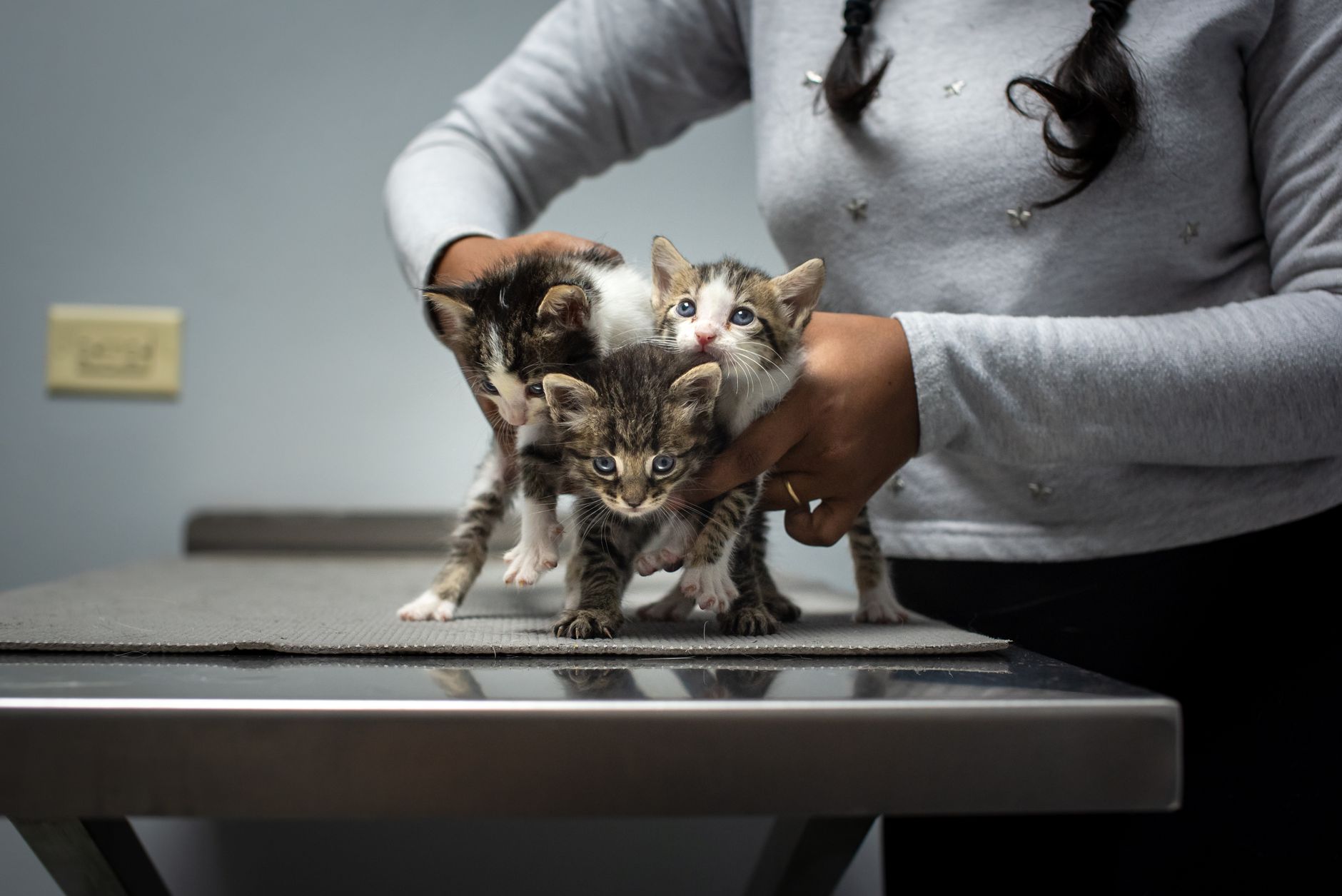
Interpreting blood test results is crucial for identifying early signs of kidney failure in cats. By examining specific parameters such as BUN (blood urea nitrogen), creatinine, and SDMA (symmetric dimethylarginine), veterinarians can detect renal issues before they progress. Early detection significantly improves management outcomes.
Reference intervals for the parameters discussed above, as published in the source panel for the cat:
| Parameter | Reference interval (cat) |
|---|---|
| BUN | 17-35 mg/dL |
| Creatinine | 0.8-2.1 mg/dL |
| SDMA | 0-14 µg/dL |
In these cases, elevated BUN and creatinine levels, along with SDMA, provide a comprehensive picture of renal function. High SDMA but normal creatinine can indicate early CKD, especially in breeds like the Persian, which are predisposed to kidney issues. Practitioners commonly observe that early intervention, such as dietary management and medications like telmisartan, can slow disease progression.
Monitoring these parameters regularly, especially in at-risk breeds, is essential for early detection and management of kidney disease. By understanding these blood test results, veterinarians can provide timely and effective care, improving the quality of life for affected cats.
Are There Breed or Age Differences in Kidney Health? When Should You See the Vet?
Kidney health in cats can vary significantly based on breed and age. Certain breeds, such as Persians and Exotic Shorthairs, are predisposed to autosomal-dominant polycystic kidney disease (PKD), which can lead to early kidney failure. Similarly, Abyssinians and Somalis are known for their susceptibility to renal amyloidosis, a condition that can also compromise kidney function. As cats age, the risk of chronic kidney disease (CKD) increases, with older cats often showing elevated levels of blood urea nitrogen (BUN) and creatinine.
Regular blood tests are crucial for early detection of kidney issues, especially in breeds with known predispositions. For instance, a BUN level above the reference interval or a creatinine level exceeding the reference interval should prompt further investigation. In older cats, even a slight rise in creatinine can be significant, as discussed in Rising Creatinine Over Time in Cats – Trend Interpretation. Monitoring these parameters can help in identifying early signs of kidney failure.
Early intervention can significantly improve outcomes. If your cat’s blood test reveals an SDMA level over the reference interval, it may indicate early kidney dysfunction, even if creatinine levels are normal. This scenario is explored further in High SDMA but Normal Creatinine in Cats — True Early CKD?. Regular check-ups and blood tests are recommended for all cats, but especially for those over seven years old or belonging to at-risk breeds.
- Schedule annual blood tests for cats over seven years old.
- Consult a veterinarian if BUN exceeds the reference interval or creatinine is above the reference interval.
- Monitor SDMA levels closely, especially in predisposed breeds.
Frequently Asked Questions
What are the early signs of kidney failure in cats detectable through blood tests?
Early signs of kidney failure in cats can often be detected through blood tests measuring BUN (Blood Urea Nitrogen), creatinine, and SDMA (Symmetric Dimethylarginine). Elevated BUN levels above the reference interval, creatinine levels above the reference interval, and SDMA levels above the reference interval may indicate early kidney issues. These tests help veterinarians assess kidney function before clinical symptoms appear. Regular monitoring is crucial for early intervention and management.
How often should blood tests be conducted for cats at risk of kidney disease?
Cats at risk of kidney disease, especially senior cats, undergo blood tests at least once a year. For cats already diagnosed with early kidney disease, more frequent testing every 3 to 6 months may be necessary. This allows for timely adjustments in treatment and diet. Regular testing helps track disease progression and the effectiveness of interventions.
Are certain cat breeds more prone to kidney disease?
In cats, certain breeds such as Persian and Exotic Shorthair are more prone to polycystic kidney disease (PKD), while Abyssinian and Somali cats may be susceptible to amyloidosis. These genetic predispositions can lead to kidney issues. Owners of these breeds should be particularly vigilant and consider regular veterinary check-ups. Early detection through blood tests can be beneficial for managing these conditions.
What lifestyle changes can help manage early kidney disease in cats?
Dietary modifications are crucial in managing early kidney disease in cats. A diet low in phosphorus and protein, but high in omega-3 fatty acids, can help slow disease progression. Ensuring adequate hydration is also important, as dehydration can exacerbate kidney issues. Regular veterinary check-ups and monitoring are essential to adjust lifestyle changes as needed.
What medications are commonly used to treat early kidney disease in cats?
In cats, medications such as telmisartan and benazepril may be considered to manage early kidney disease. These drugs help reduce blood pressure and protein loss in urine, which can slow kidney damage. Phosphate binders may also be prescribed to control phosphorus levels. Treatment plans should be tailored to each cat’s specific needs and regularly reviewed by a veterinarian.
How can I monitor my cat’s kidney health at home?
At-home monitoring of a cat’s kidney health involves observing changes in behavior, appetite, and urination patterns. Increased thirst and urination, weight loss, and lethargy can be signs of kidney issues. Any significant changes should prompt a visit to the veterinarian for further evaluation. Regularly scheduled blood tests remain the most reliable method for monitoring kidney health.
What are the emergency signs of advanced kidney failure in cats?
Emergency signs of advanced kidney failure in cats include severe lethargy, vomiting, diarrhea, and a noticeable decrease in appetite. Critical levels of BUN (outside the reference interval), creatinine (outside the reference interval), and SDMA (outside the reference interval) in blood tests indicate severe kidney dysfunction. Immediate veterinary attention is necessary if these symptoms are observed. Early intervention can improve outcomes and quality of life.
Is there a link between high SDMA and normal creatinine levels in cats?
High SDMA levels with normal creatinine levels can indicate early kidney disease in cats. This scenario suggests that kidney function is declining before creatinine levels rise. For more information, you can read about this condition in the article High SDMA but Normal Creatinine in Cats — True Early CKD?. Early detection allows for timely management and intervention.
Can diet alone manage early kidney disease in cats?
While diet plays a significant role in managing early kidney disease in cats, it is usually part of a comprehensive treatment plan. A specialized renal diet can help reduce the workload on the kidneys and slow disease progression. However, medications and regular monitoring are also important components of management. Collaboration with a veterinarian ensures the best outcomes for the cat.
What should I do if my cat’s creatinine levels are rising rapidly?
If a cat’s creatinine levels are rising rapidly, it is important to consult a veterinarian promptly. Rising creatinine can indicate worsening kidney function or other health issues. For more insights, you can refer to the article Rising Creatinine Over Time in Cats – Trend Interpretation. Early intervention can help address underlying causes and prevent further kidney damage.
Sources & Further Reading
This article draws on the following authoritative veterinary references. For your pet’s individual case, consult a licensed veterinarian.
- Merck Veterinary Manual — comprehensive clinical reference for veterinary practice
- IRIS Kidney Guidelines — International Renal Interest Society — kidney staging and management
- ACVIM Consensus Statements — American College of Veterinary Internal Medicine